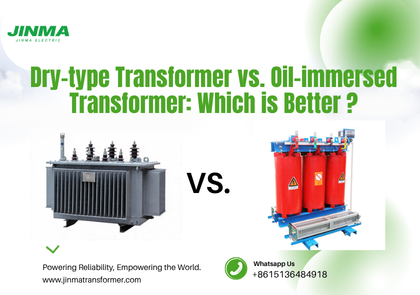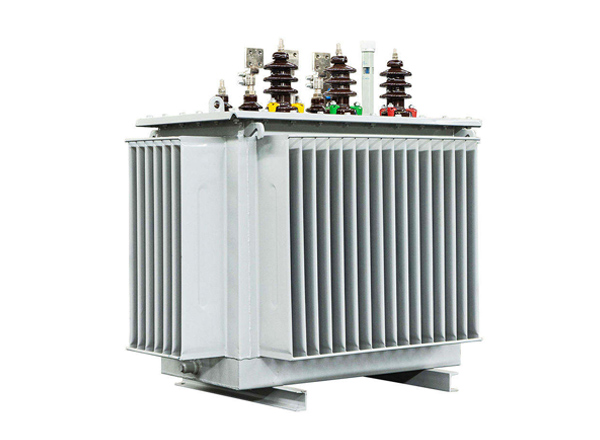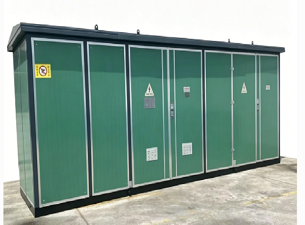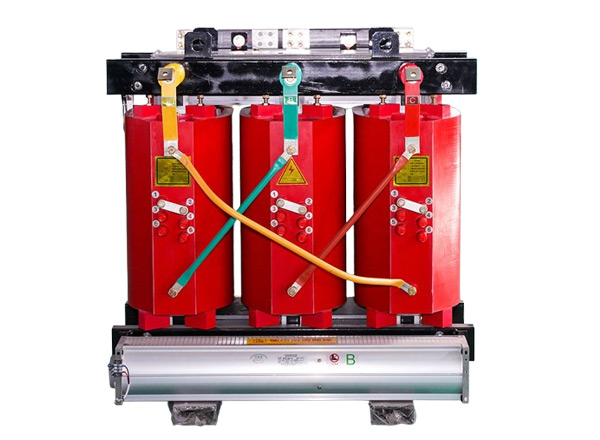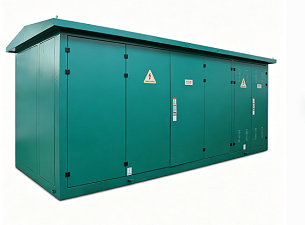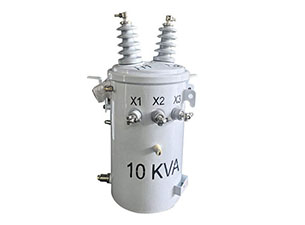


Dry-type transformers have gradually replaced traditional oil-immersed transformers as the mainstream power conversion equipment in the power distribution systems of modern buildings, industrial production, new energy generation and data centers. Compared with traditional oil-immersed equipment, dry-type transformers rely on air or solid insulation materials to dissipate heat, no fuel, no leakage, fire and explosion-proof performance, perfectly suited for indoor, crowded, environmentally sensitive power scenarios. This article will bring a complete set of selection guide of dry-type transformer.
What is a dry-type transformer?
Dry-type transformer is relying on the principle of electromagnetic induction to realize the circuit energy conversion power equipment. The biggest difference with traditional oil-immersed transformers is that it does not use liquid insulating oil as heat dissipation and insulation medium. In order to adapt to complex working conditions, most of the dry-type transformer windings will be encapsulated with epoxy resin, insulating varnish and other materials, which can effectively resist the erosion of moisture, dust, impurities, and significantly improve the stability of the equipment.
This kind of equipment mainly rely on air convection or epoxy resin and other solid insulation materials to complete the heat dissipation and insulation protection. With the core advantages of safety and environmental protection, low maintenance and flexible installation, it is widely used in indoor power distribution, commercial buildings, industrial plants, new energy power stations and other types of scenes.
However, dry-type transformers also have disadvantages, compared with the same capacity equipment, procurement of the initial price is higher than the oil-immersed transformer; heat dissipation performance is weaker than the oil-immersed equipment, the body size, weight is greater. Equipment overload capacity is limited, no forced cooling support can not be overloaded for a long time to run, and at the same time on the ambient temperature, ventilation conditions are more demanding.
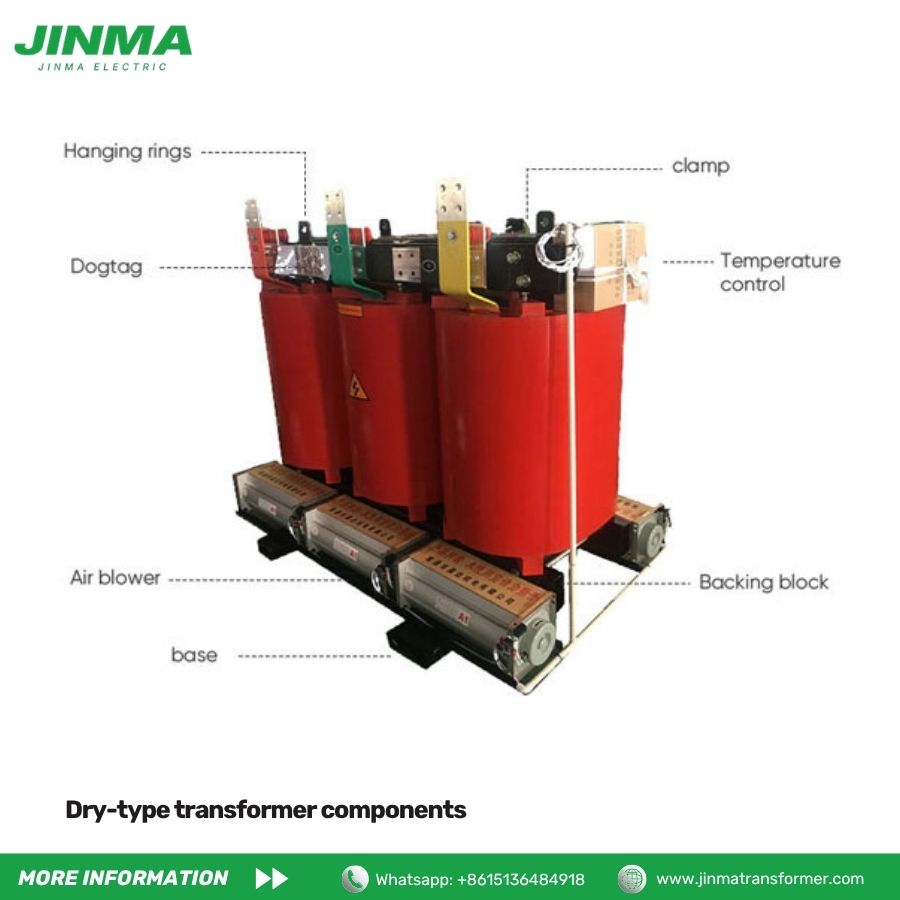
Dry-type transformer type and application
Mainstream dry-type transformers on the market are mainly divided into open ventilated, VPI vacuum impregnated, epoxy resin casting encapsulated three major categories, as well as derivatives adapted to special working conditions. Different types of structure, protection ability, cost difference is very great, the scene is the core of the selection of the key.
Open ventilated dry-type transformer
The model is open structure, rely on natural air convection to complete the heat dissipation, simple structure, low cost, is the most cost-effective basic models of dry-type transformers.
Equipment without sealing encapsulation structure, dust, moisture, corrosion resistance is weak, only for clean, dry, well ventilated indoor environment. Often used in clean environment of commercial buildings, general workshop indoor power distribution scenarios.
VPI Vacuum Pressure Impregnated Transformer
VPI transformer is a universal model for industrial scenes, which is produced by vacuum pressure process to impregnate insulating varnish and polyester resin into the winding gap, and then cured to form a protective layer.
It retains the heat dissipation advantages of open structure, excellent heat dissipation efficiency, lighter body weight, low difficulty in post maintenance and customized modification, and moderate overall procurement cost.
This model is suitable for dry, clean, indoor industrial scenarios with conventional operation and maintenance conditions, such as assembly workshops, warehousing plants, and general industrial and commercial power distribution systems. It can be equipped with K-factor configuration, which is suitable for moderate harmonic load conditions.
Its shortcoming is that the sealing performance is general, can not resist high humidity, strong dust, corrosive gases and severe vibration, is not suitable for outdoor and harsh industrial environments.
Epoxy resin cast encapsulated transformer (CRT)
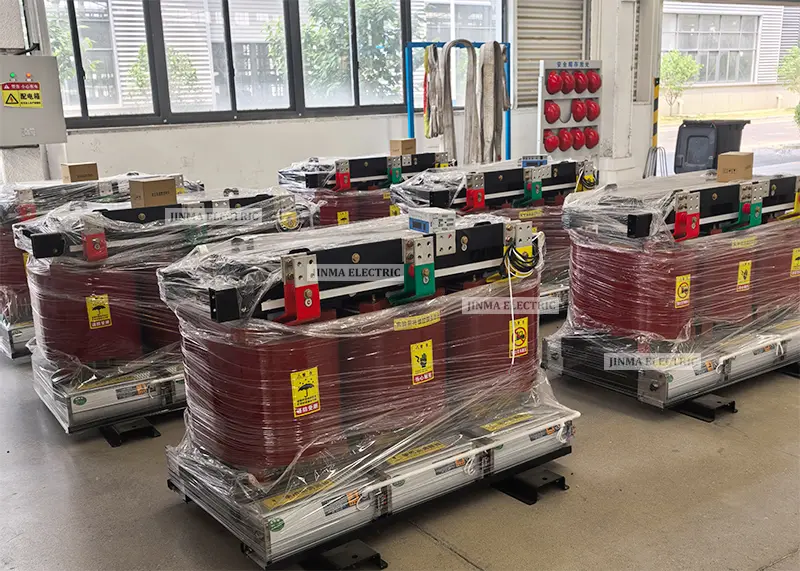
The cast transformer is a high-end protective model, the winding as a whole in a vacuum environment pouring epoxy resin curing encapsulation, forming a fully sealed one-piece structure.
The protective performance of this equipment pulls full, can completely isolate the dust, water vapor, chemical corrosion medium, at the same time has a very strong mechanical strength, short-circuit resistance, vibration resistance ability is outstanding.
The equipment is almost maintenance-free, higher fire rating, can be adapted to all kinds of harsh and high-risk working conditions, including chemical plants, mines, cement plants, sewage treatment plants, coastal corrosive environments with high humidity and outdoor power distribution scenarios.
Corresponding shortcomings are also more obvious, procurement cost is 30% -60% higher than the VPI model, the body is heavier, thermal efficiency is slightly lower, after the failure of the maintenance is difficult, high cost, production and delivery cycle is longer.
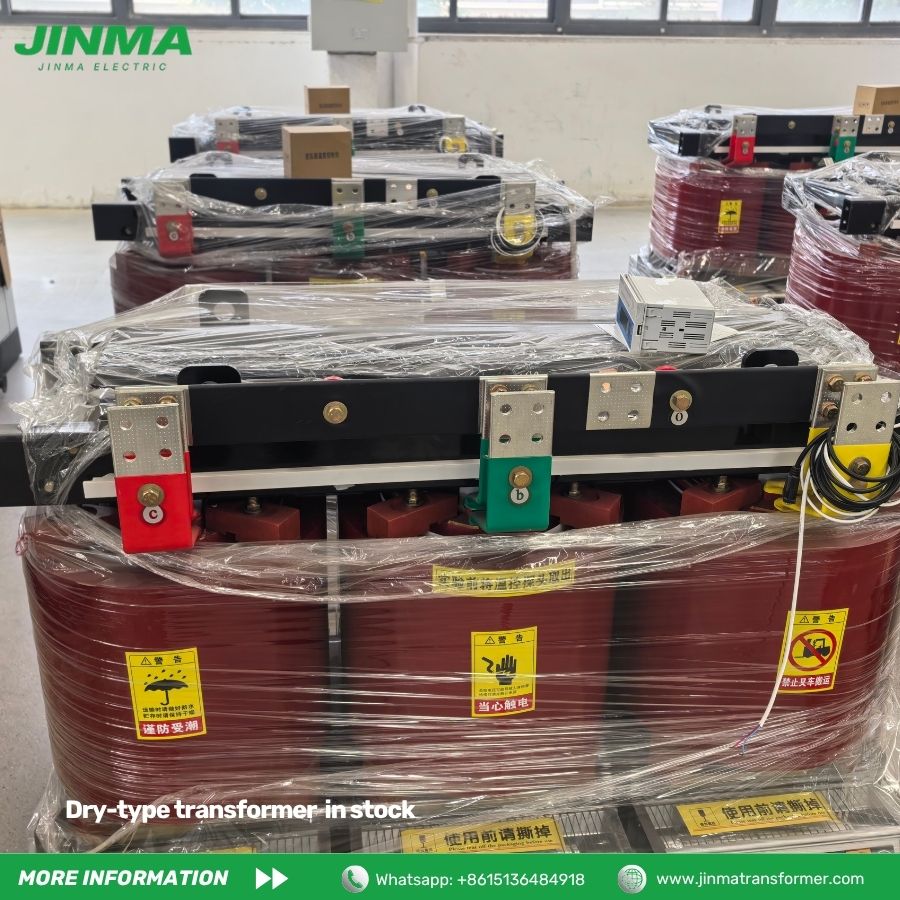
9 Tips of Dry-type transformer selection
Selection can not only look at the capacity and voltage parameters, you need to combine the electrical parameters, load characteristics, installation environment, energy efficiency, safety compliance, cost and other 9 dimensions of the comprehensive consideration, in order to achieve accurate fit.
1 Electrical parameters
Rated capacity (kVA) is the most core basic parameter, which can never be simply superimposed on the nameplate power of the equipment. In the project selection, it is necessary to combine the total installed load, the actual operating demand factor and the load coefficient for accurate accounting. In order to adapt to the later equipment capacity increase, process upgrades, new power equipment and other scenarios, the industry’s general specifications require that 20% -25% of the redundant capacity set aside.
An imbalance in capacity sizing can bring significant disadvantages. Rated capacity is small, the transformer will be in a long time in high load, overload operation state, sustained temperature rise is too high, accelerate the insulation aging, significantly shorten the service life of the equipment, and in serious cases, will trigger a trip, burn failure. Blindly large capacity, will cause the transformer long-term light load operation, no-load loss remains high, equipment operation energy efficiency is greatly reduced, not only waste of the initial procurement budget, but also increase the long-term cost of electricity loss.
Voltage parameter matching is crucial, the primary side input voltage, secondary side output voltage must be strictly adapted to the standard parameters of the project distribution system. In addition, it is also necessary to check the matching electrical parameters one by one. Determine single-phase or three-phase structure according to the demand of power-using equipment, and match the 50/60Hz standard frequency of the power grid. Reasonable short-circuit impedance value can stabilize the short-circuit current, optimize the voltage regulation accuracy, and match the grid parallel operation requirements. At the same time, ±2.5% and ±5% specifications of the tap changer can be configured as required to realize voltage fine-tuning, ensure the stability of the grid voltage, and adapt to the complex power distribution working conditions.
2 Load characteristics
Different electrical load characteristics, will directly change the operating conditions of the transformer. Neglecting the load type blind selection is the core cause of abnormal heating, harmonic loss and frequent protection tripping of dry-type transformers. Engineering selection, need to prioritize the distinction between linear load and non-linear load two major conditions.
Conventional lighting equipment, pure resistance heating equipment, ordinary power motors belong to linear loads, current and voltage waveform synchronization, no distortion, will not produce harmonic interference, using ordinary standard dry-type transformer can be stably adapted to meet the daily power distribution needs.
At the same time need to distinguish between continuous load and intermittent load conditions. Production line, machine room equipment for 24 hours continuous load, need to prioritize matching stable temperature rise, low loss models. For intermittent loads with short-time starting and stopping, it is necessary to check the official overload capacity of the equipment and the temperature rise tolerance standard to avoid short-time peak load triggering equipment protection tripping, and to eliminate insulation fatigue aging caused by frequent starting and stopping.
3 Environment and installation conditions
Standard dry-type transformer rated design ambient temperature of 40 ℃, suitable for conventional indoor room temperature conditions. In the high temperature workshop, summer confined equipment room, high altitude areas, air cooling efficiency will be greatly reduced. Thin air and high ambient temperature will lead to poor heat dissipation of the equipment, at this time must be used in accordance with the manufacturer’s specifications for power reduction, otherwise there will be long-term overheating operation.
Site environment of dust, humidity, corrosion, vibration conditions, directly determine the level of equipment protection and models. Dusty workshop, high humidity basement, the presence of acid and alkali corrosive gases in the production workshop, ordinary models are very prone to dust accumulation, winding moisture, insulation corrosion and other faults. This kind of working condition must choose the full seal epoxy resin casting type model, relying on the overall sealing structure to isolate the outside world from harsh media erosion.
Outdoor, coastal, mining, chemical and other special scenarios, we must use fully sealed, high protection models to eliminate environmental factors lead to equipment damage.
4 Cooling and insulation system
Dry-type transformer mainstream cooling method is divided into AN natural air-cooled and AF forced air-cooled two kinds. Natural air-cooled with conventional loads, forced air-cooled short-term increase in equipment capacity, suitable for peak load conditions.
Equipment temperature level is divided into 80 ℃, 115 ℃, 150 ℃ three grades, the lower the temperature value, the slower the insulation aging speed, the longer the service life of the equipment, corresponding to the procurement cost will be higher.
At present, the mainstream high-end models in the industry all adopt H-class insulation system, with a heat-resistant temperature of 180℃ or more, reserving sufficient heat residual capacity, which greatly improves the operational stability and service life of the equipment.
5 Energy efficiency and energy saving
Cooling and insulation system is the two core hardware system of dry-type transformer, directly determines the equipment cooling efficiency, temperature control, high temperature resistance and overall service life, but also to distinguish between high and low with the core standards of the model.
Currently the industry mainstream cooling method is divided into AN natural air-cooled and AF forced air-cooled two modes. AN natural air-cooled rely on natural air convection cooling, no external fan, no noise, low failure rate, suitable for regular stable load, daily industrial and commercial power distribution scenarios, to meet the long-term smooth operation requirements.
The temperature rise level of the equipment is divided into three mainstream grades of 80℃, 115℃ and 150℃, which represents the maximum temperature rise value under the rated operating condition of the transformer. The lower the temperature rise level, the milder the equipment operating temperature, the slower the aging speed of insulation materials, the stronger the equipment fatigue resistance, the longer the overall service life.
Insulation system is the bottom line of the safety of the transformer, directly determines the equipment resistance to high temperature, anti-strike-through, anti-aging ability. At present, the industry entry-level ordinary models mostly use low-grade insulation materials, while high-end mainstream dry-type transformers are generally equipped with H-class insulation system, the limit of heat-resistant temperature up to 180 ℃ or more. Adequate heat residual capacity, can effectively resist the impact of transient high temperature, overload temperature rise, environmental high temperature, significantly improve the operational stability of the equipment, prolong the service life of the equipment.
6 Safety and compliance
Dry-type transformer core advantage of fire safety, selection of equipment need to confirm the use of flame-retardant insulation materials, with good flame retardant, self-extinguishing properties.
At the same time, the equipment must comply with UL, IEC, IEEE, NEMA and other industry standards, with complete qualification certification, to meet the project compliance acceptance requirements.
Indoor personnel-intensive scenarios, such as hospitals, schools, office buildings, need to focus on the noise of the equipment operation, choose low-noise models to avoid noise pollution.
7 Physical installation conditions
The same capacity dry-type transformer than oil-immersed equipment is larger, heavier, before selecting the type need to check in advance the installation space, ground bearing conditions.
According to the site construction needs, choose floor-standing, wall-mounted, pedestal type and other different installation methods, to ensure that the equipment is installed stably.
At the same time, sufficient maintenance space and ventilation channels are reserved to facilitate later equipment inspection and wiring maintenance, and avoid poor heat dissipation and operation and maintenance difficulties caused by narrow space.
8 Life cycle cost
Many procurement misconceptions are only compared to the initial purchase price, ignoring the late energy consumption, operation and maintenance, replacement costs, resulting in high overall costs.
Selection needs to account for the full life cycle cost (TCO), including equipment procurement costs, annual energy loss, operation and maintenance costs, equipment depreciation costs. Dry-type transformer service life of up to 20-30 years, the long-term cost-effectiveness of high-quality models is much higher than low-priced miscellaneous equipment.
9 Customization and forward-looking
For intelligent power distribution needs, you can choose models equipped with RTD, PTC temperature sensor, intelligent temperature control monitoring system, real-time temperature monitoring, over-temperature protection.
At the same time can be customized according to the needs of tap position, noise reduction structure, harmonic suppression configuration, suitable for photovoltaic, wind power and other new energy grid-connected scenarios, to meet the needs of the later load expansion, system upgrades.
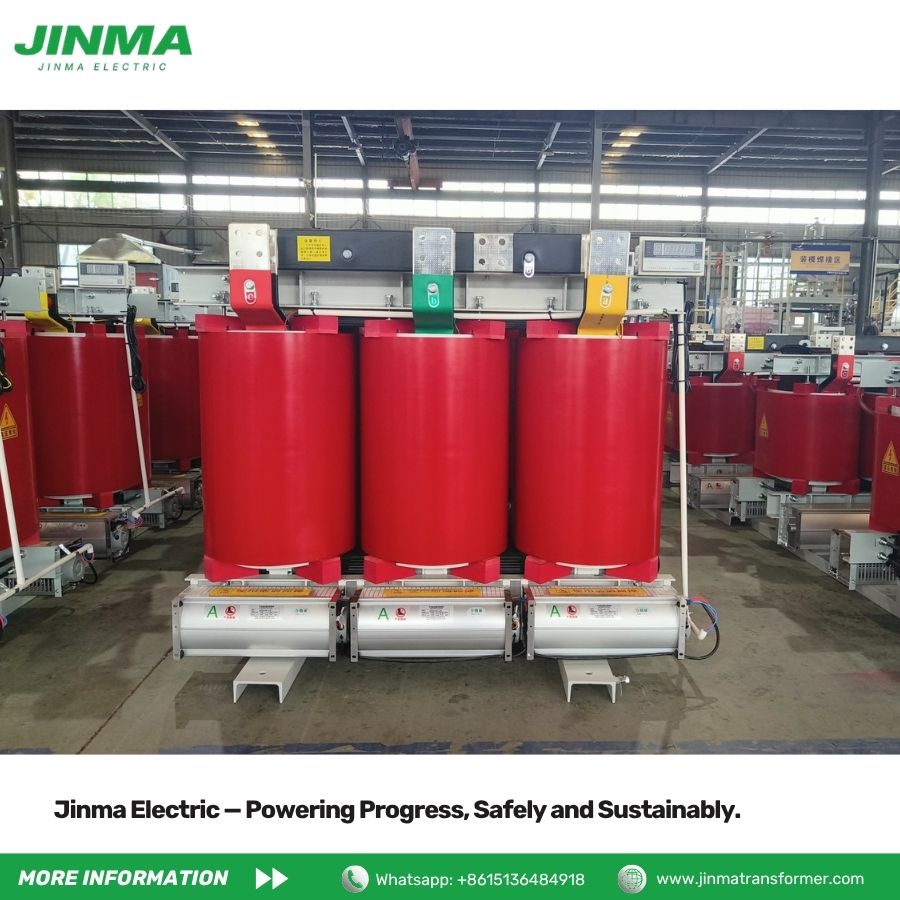
Dry-type transformer in different application scene
1 Commercial buildings and public facilities
Hospitals, schools, office buildings, large shopping malls, government centers and other public and commercial buildings, belonging to the highly concentrated special power scenarios.
Conventional commercial buildings, schools, general office scenes, can choose low noise, high fire rating VPI vacuum impregnated dry-type transformers. The model runs quietly, heat dissipation is stable, simple operation and maintenance, can adapt to daily lighting, air conditioning, office equipment and other conventional loads, fully meet the indoor installation and fire code requirements. For the floor equipment room, close to the office area, can be additional customized noise reduction configuration, to further reduce the operating noise, enhance the comfort of the human environment.
2 General light industrial scenarios
Light industrial scenarios such as electronic assembly workshops, light industrial processing plants, warehousing and logistics parks, food processing plants, textile workshops and other light industrial scenarios have a superior overall working environment. This kind of factory indoor environment is dry, high cleanliness, no corrosive gas, no large amount of dust accumulation, good ventilation conditions, and with normalized equipment operation and maintenance conditions, the protection level of the transformer requirements are moderate.
For this type of scenario, VPI vacuum pressure impregnated dry-type transformer is the most cost-effective and preferred solution. The model relies on an open heat dissipation structure, excellent heat dissipation efficiency, stable temperature rise in long-term operation, and is perfectly suited to the needs of continuous production of electricity in light industry. Compared with cast transformers, VPI models have lower procurement costs, lighter bodies, and simpler installation and commissioning.
3 Heavy pollution, corrosive industrial scenes
Chemical production plants, mining sites, cement manufacturing plants, paper mills, sewage treatment plants, metallurgical workshops and other heavy industrial scenarios, are typical of the harsh working conditions. Long-term existence of a large number of suspended dust, acid and alkali corrosive gases, high humidity and water vapor, while the operation of large-scale machinery and equipment will produce continuous vibration and impact, the protection of power equipment and mechanical strength requirements are extremely high.
Conventional open type, VPI dry-type transformer due to inadequate sealing performance, very easy to dust accumulation, winding moisture, corrosion and aging of the insulation layer, etc., in the short term there will be abnormal heating, frequent failures, can not be adapted to such working conditions. Therefore, such high-risk, high-pollution scenarios, must choose epoxy resin cast dry-type transformers.
4 New energy power generation scenarios
Photovoltaic, wind power station working conditions are complex, load fluctuations, harmonic interference, the stability of the equipment requires very high.
It is recommended to use customized dry-type transformers with high insulation, high harmonic resistance and wide load fluctuation to ensure stable conversion and grid connection of new energy power.
How to choose dry-type transformer step by step
- Sort out the project distribution parameters. Clarify the total power of load, voltage level, number of phases, frequency, type of load, and distinguish between linear and non-linear load.
- Survey the site conditions. Confirm the temperature, altitude, dust, humidity, and corrosion of the installation environment, and clarify the safety compliance requirements.
- accurately calculate the required kVA capacity. Reserve 20%-25% expansion redundancy and determine the transformer core type (open type/VPI/poured type). 4.
- Match the cooling method, insulation level, protective shell level, and K-factor configuration for harmonic loads.
- Check the energy efficiency standard, industry certification, short-circuit withstand capacity, and select the model that meets the project acceptance requirements.
- Comprehensive initial purchase cost and full life cycle cost, screening reliable manufacturers and supply programs.
- Invite professional electrical engineers to review the parameters of complex projects to ensure that the equipment is suitable for grid codes and site conditions, to avoid compliance risks.
Selecting reliable suppliers of dry-type transformers
High-quality equipment can not be separated from reliable suppliers, the strength of manufacturers directly determine the quality of equipment, delivery cycle and after-sales protection.
- Look at the brand strength and project experience. Priority is given to manufacturers that have been in the industry for many years, have a large number of landing cases in the same scene, and have a good reputation, so as to avoid the risk of poor-quality products from small factories.
- Verify the qualifications and certifications. The equipment should have a full set of certifications such as ISO9001 quality system, UL, IEC, IEEE, etc., and complete test reports such as temperature rise, insulation, impact, etc. should be provided.
- Focus on the manufacturer’s ability to customize. Whether to support capacity, voltage, protection level, noise reduction, intelligent monitoring and other personalized customization, to adapt to the needs of special projects.
- Energy efficiency and material is the core quality assurance. High-quality dry-type transformer manufacturers will use high-conductivity silicon steel sheet, pure copper winding, H-class high-end insulation materials, to ensure that the equipment is low-loss, high-stability operation.
- After-sales and warranty is crucial. Priority is given to manufacturers who provide 5-10 years long warranty, on-site installation guidance, fault repair, technical advice.
- Check the delivery cycle, logistics capabilities and corporate stability. Ensure on-time delivery, while guaranteeing long-term spare parts supply and after-sales support.
Common Selection Misconceptions and Prevention
Misunderstanding 1: one-sided pursuit of low prices
In the dry-type transformer procurement selection process, many purchasing staff will fall into the low-priced procurement misunderstanding, the initial offer as the only screening criteria, give priority to the selection of low-priced miscellaneous, low-component equipment, completely ignoring the hidden costs of long-term operation of the equipment. Most of the low-priced dry-type transformers on the market using low-quality recycled iron core, recycled windings, low-grade insulation materials, rudimentary production process, quality control standards are extremely low.
This type of low-cost equipment can save short-term procurement budget, but there are many hidden problems. Long-term accounting down, energy costs, operation and maintenance costs, the total cost of downtime losses, will far exceed the price difference in equipment purchases, the overall cost-effective is extremely low, seriously affecting the economic benefits of the project.
Misunderstanding 2: unreasonable capacity selection
Transformer capacity selection imbalance is the most common selection problem in the engineering field, mainly divided into two extreme cases of insufficient capacity and excess capacity. If the selection of small capacity, dry-type transformer will be in a long time in high load or even overload operation state, winding and core temperature rise continues to exceed the standard, accelerate the aging of the insulation material, cracking, falling off. If the blind choice of large-capacity equipment, the transformer will be in a long-term light load operation state, no-load loss remains high, equipment operation energy efficiency is greatly reduced, will cause long-term electricity loss, reduce the power distribution system operation economy.
Misunderstanding 3: ignore the nonlinear load
With the popularity of automation equipment, intelligent power distribution equipment, most of the modern industrial and commercial, new energy, data center scenarios there are a large number of non-linear loads, including inverters, rectifiers, UPS power supply, servo equipment, LED intelligent lighting, etc.. This type of equipment operation will continue to generate high-frequency harmonics, distortion of the grid current, voltage waveforms, the transformer caused by continuous impact.
Many selection personnel lack of harmonic prevention and control awareness, regardless of whether the working conditions of harmonics, always choose ordinary standard dry-type transformers. Ordinary transformers do not do anti-harmonic optimization, can not offset the additional temperature rise brought about by harmonics, long-term operation in harmonic conditions, there will be local overheating of the windings, accelerated aging of the insulation, core loss dramatically increase the problem.
Misunderstanding 4: ignore the environmental conditions
Dry-type transformer rated capacity, thermal efficiency are based on standard working conditions (ambient temperature of 40 ℃, standard altitude) design, ambient temperature, altitude changes, will directly affect the equipment cooling performance and load capacity.
In the high-temperature confined equipment room, summer high temperature plant, high altitude (more than 1000m), thin air, air circulation cooling efficiency decreased significantly, the actual load capacity of the transformer will naturally decline.
Misunderstanding 5: protection level and working conditions do not match
Different structures of dry-type transformer, dust, moisture, corrosion, vibration resistance varies greatly, the protection level directly determines whether the equipment can be adapted to the site of complex working conditions. A lot of selection of personnel only based on experience selection, not combined with the site environment of dust, humidity, corrosion, vibration and other conditions match the protection level, very easy to cause the model adaptation error.
Conclusion
Scientific selection of dry-type transformer, the core is to realize the balance of safety, adaptability, efficiency and economy. There is no absolute best equipment, only the most suitable for the project scenario selection program.
Reasonable selection with high-quality manufacturers can make dry-type transformers run stably for 20-30 years, significantly reducing the failure rate of the distribution system and operation and maintenance costs.Jinma Electric is a transformer expert from China, who has been deeply engaged in transformer manufacturing for many years, providing one-stop service.
If you have specific project voltage, capacity, use scenarios, environmental conditions and other parameters, you can directly provide, to provide you with one-on-one accurate selection program and costing.
Frequently Asked Questions
Q1:Which is better, VPI transformer or cast-in transformer?
There is no absolute advantage and disadvantage, different scenarios with different adaptability, VPI transformer cost-effective, good heat dissipation, easy maintenance, suitable for clean and dry conventional industrial and commercial scenarios; cast transformer protection, high stability, maintenance-free, suitable for harsh, high-risk, outdoor conditions, high reliability projects with sufficient budget to prioritize.
Q2:How to choose dry-type transformer capacity for construction projects?
First of all, the total electricity load statistics project, combined with demand factor and simultaneous coefficient calculation of the basic capacity, and then set aside 20% -25% of the expansion of redundancy, to avoid the late addition of new equipment resulting in insufficient capacity, while eliminating the waste of energy consumption caused by excess capacity.
Q3: Do dry-type transformers need forced ventilation?
All dry-type transformers need good ventilation and heat dissipation conditions. Regular load can rely on natural ventilation, high load, high temperature environment, must be equipped with forced air cooling system, while reserving sufficient ventilation space to prevent equipment overheating.
Q4:What is the meaning of K factor for dry-type transformer?
K-factor is the level parameter of equipment to withstand harmonic heating, the higher the value of K-factor, the stronger the anti-harmonic ability, can be adapted to inverter, data center and other non-linear load scenarios, to avoid harmonic damage caused by overheating of the equipment.
Q5:What is the normal service life of dry-type transformer?
In the selection of appropriate matching, installation specifications, good environment, regular simple inspection under the premise of high-quality dry-type transformer service life of up to 20-30 years, far better than the traditional oil-immersed transformer, long-term operation and maintenance of cost-effective.