Distribution Transformer Manufacturer & Supplier

The power infrastructure relies on a mumber of precise voltage conversions to achieve its final delivery. Distribution transformers takes power down from very high transmission voltage levels to voltage levels which are safe and usable for application by homes, factories or commercial buildings. When reliability, efficiency and long service life are not just important but essential.

What is a Distribution Transformer?

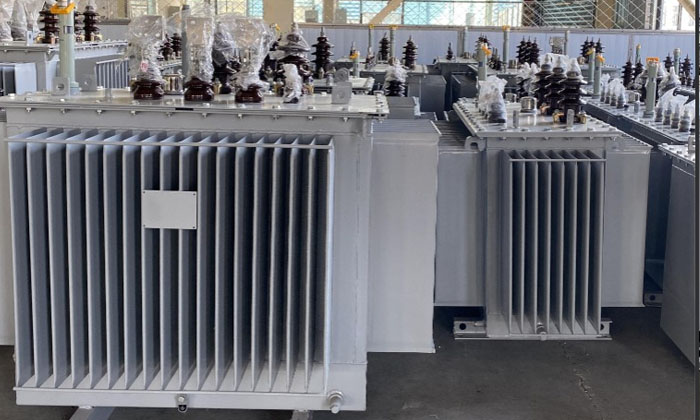
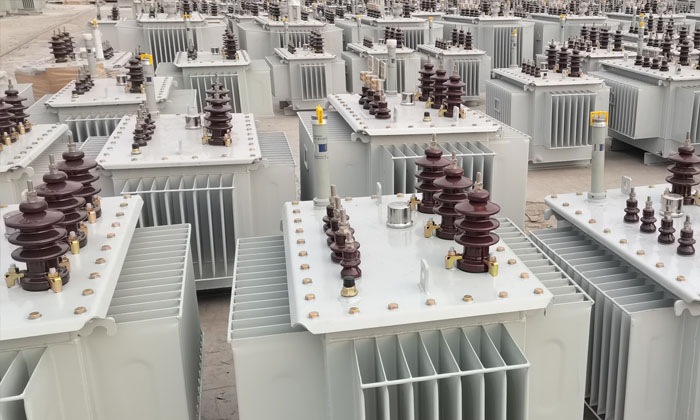
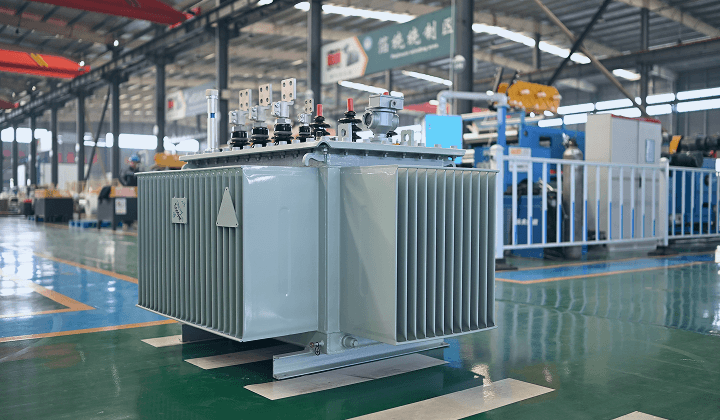
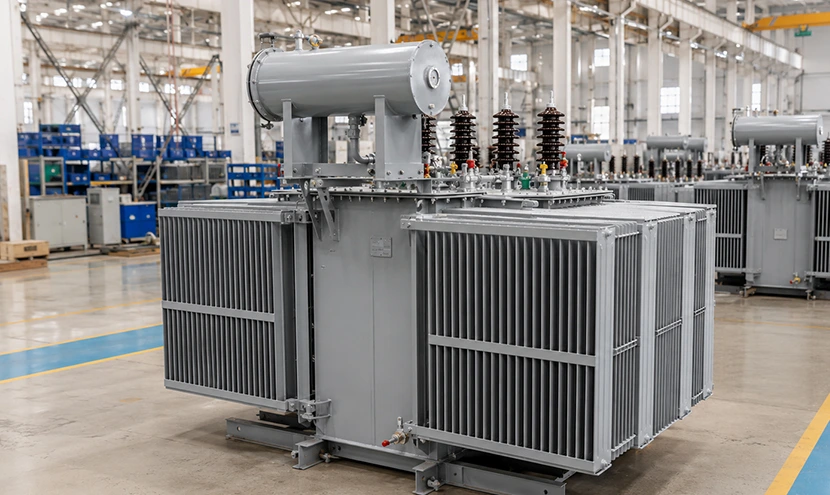
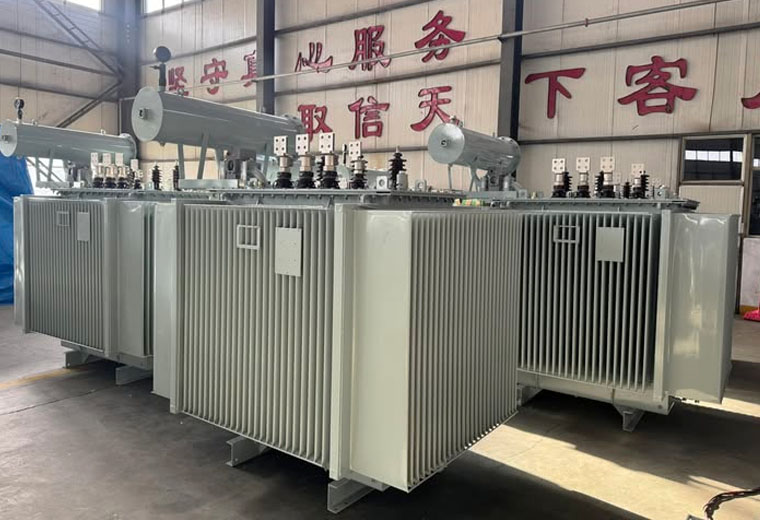
Distribution Transformer factory

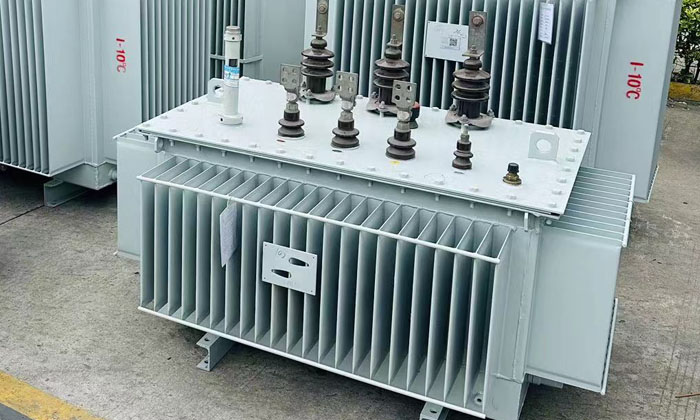
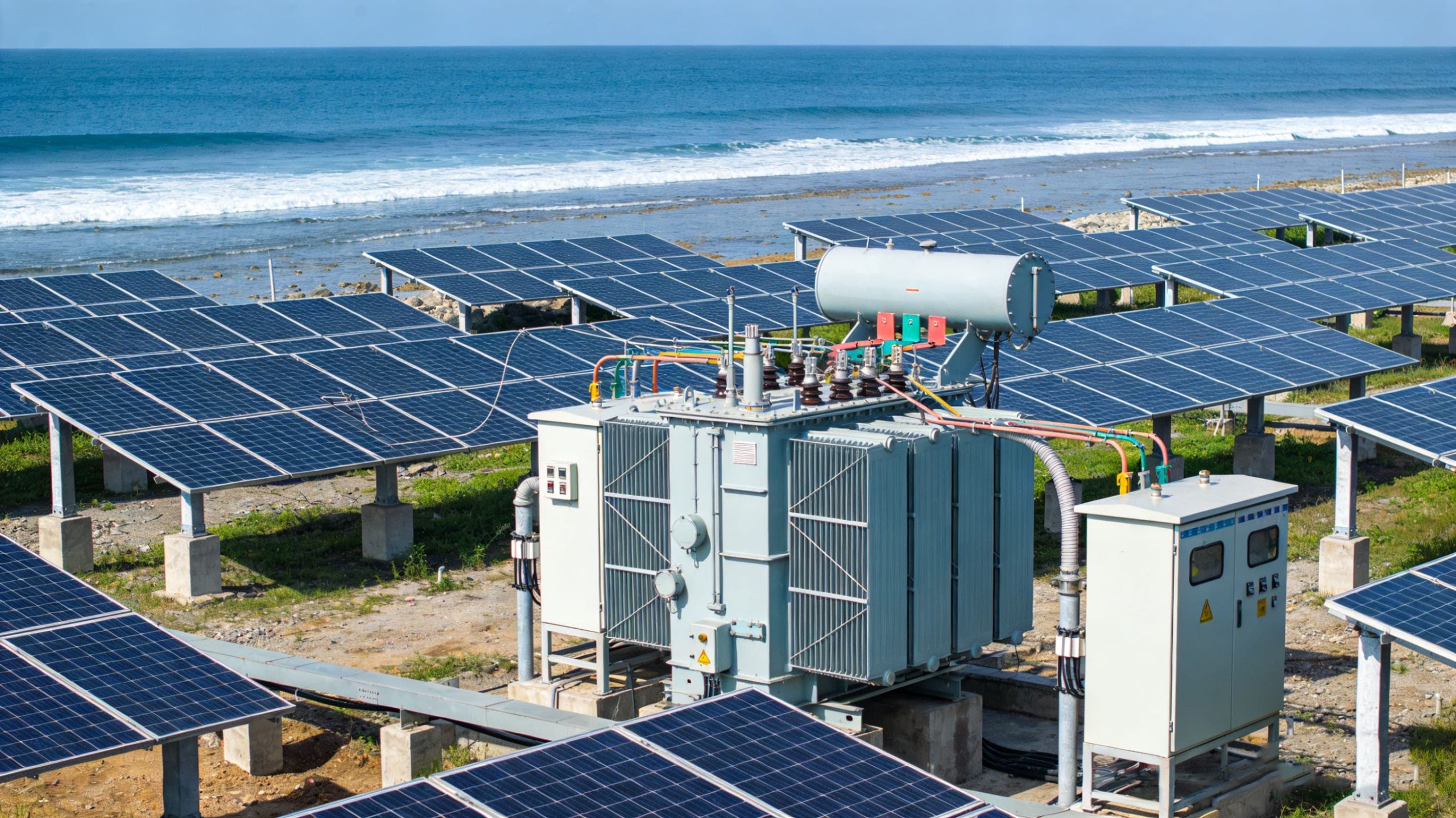
The distribution transformer is a static electrical device which provided the last stage of voltage conversion in the electrical power delivery for end-use, by reducing the medium voltage of the distribution lines (for example, 4 kV to 35 k V) to the low voltage levels, for instance, 120V, 240V or 400V.

Distribution transformers are used on utility, industrial, commercial, and renewable energy applications. These devices function on the principle of electromagnetic induction, using the magnetic field to transfer electrical energy from the primary winding to the secondary without significant loss.

These devices are absolutely essential for every dependable power distribution. Without them, the high-tension transmission current is inedible for general load. They govern directly the grids’ stability, the system efficiency and the quality of energy for end user.

working principle
Benefits
why choose us
case
Buying Guide
Key Differences
faq

How a Distribution
Transformer Works

Distribution transformers conducts electrical energy from its high-voltage primary winding circuit to its low-voltage secondary winding circuit using electromagnetic induction. There is no direct electrical connection between the high- and low-voltage circuit.
An A.C. through the primary winding produces a time-varying magnetic flux within the laminated silicon-steel core of the transformer. This flux produces an induced voltage in the secondary winding; the turns ratio established between the two windings issuing the voltage.
High-voltage AC is fed into the primary winding terminals.
Magnetic flux are produced and are held in the transformer core.
The secondary winding will also capture this flux and will generate a stepped down, AC voltage.
The output voltage is applied directly to a distribution panel or load.
This arrangement works all the time and contains no moving parts -- important in the unlimited service lives of distribution transformers--well over 25-30 years.
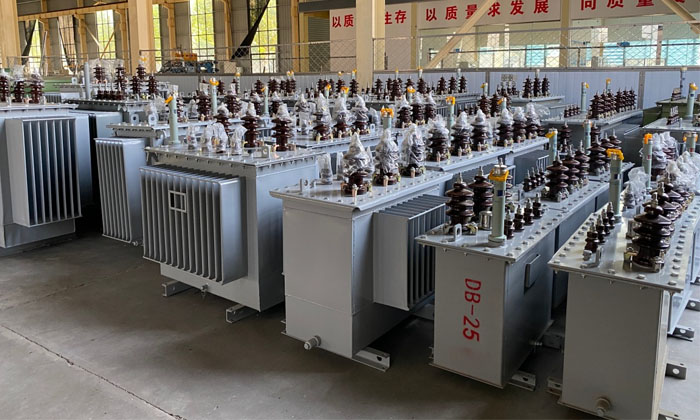
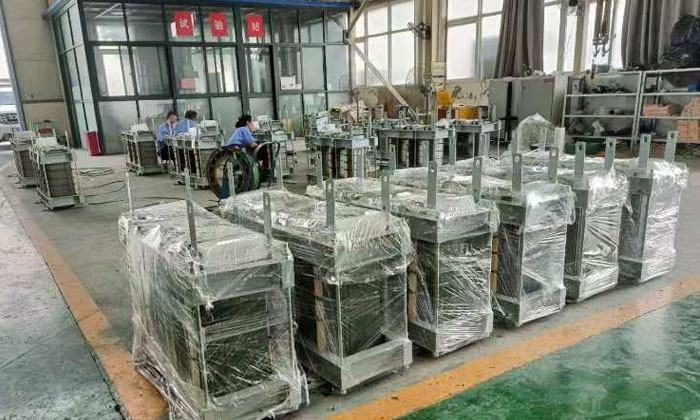
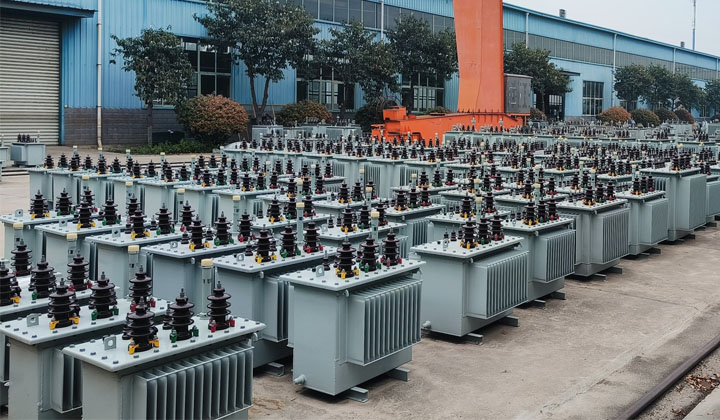
Distribution Transformer factory

Core Advantages of
Our Distribution Transformer

Low no-load losses

Improves budget savings on idle energy consumption 15-25% against a non-efficient grade when compared to one of the best efficiency grade units. Annual dollar saving will be significant over a life cycle of 25 years.

High short-circuit withstand strength

The laminated winding building is resistant to the fault current of reinforced clamping, to prevent the cascade collapse of process equipment.

Broad of customization range

(10 - 2,500) kVA, different voltage ratio, tap changer and cooling choices are offered from a single supplier, thus all the power supplies are from one source.

Sealed maintenancefree design

Fully sealed oil-immersed models demand zero oil top-ups between major service intervals resulting in a reduction in maintenance labor costs.

Compact, ready for installation footprint

Padmounted and pole-mounted versions enable direct siting in the field without additional switchgear enclosures.

International certification

IEC 60076 and ANSI/IEEE C57 compliance means acceptance on any world grid, and facilitates approval by regulators for utility installations.

Why Choose Us as Your Distribution Transformer Partner?

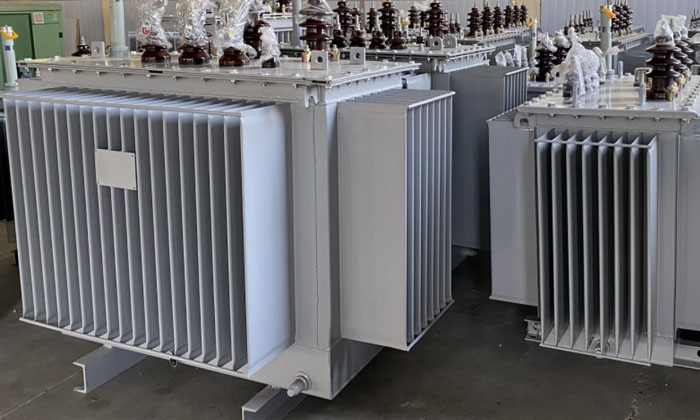
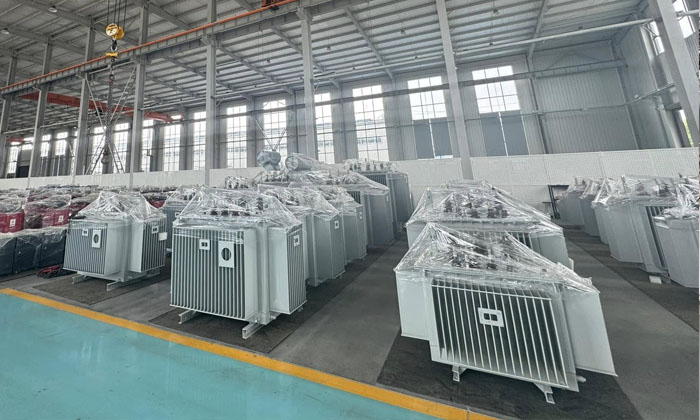
Distribution Transformer factory

Proven Engineering Experience

You collaborate with a manufacturer who is so focused on distributing transformers that your applications precisely requirements to utility rules and deliver reliable operation under severe practical grid circumstances.
15+ years transformer focus
Utility & EPC project experience
Grid-compliant engineering design
Industrial power system adaptation
Field-proven production processes
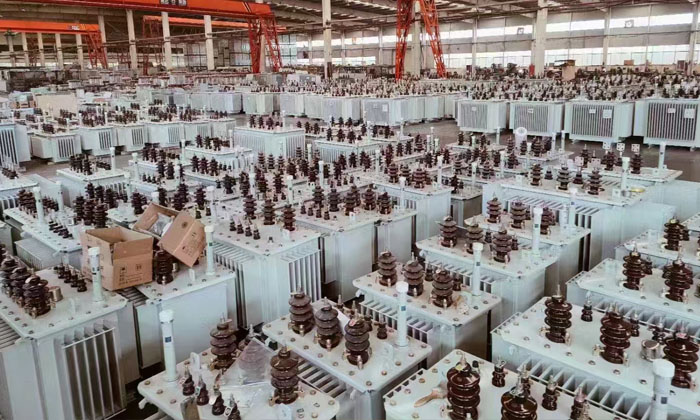
Distribution Transformer factory

Engineered For You

You will receive transformers built specifically for your project using your specifications on designs rather than generic catalog bank models to maintain operation, minimized losses, and industrial or utility specifications.
Load & loss optimization
Custom voltage & frequency
High altitude solutions
Grid-specific design
Distribution Transformer factory

Certified For Approval

You minimize tendering risks as each transformer is designed, constructed to the worldwide standards demanded by Utilities, EPC contractors and government projects.
IEC 60076 compliant
ANSI / IEEE options
CE certification
Type & routine tests available

Quality You Trust

And you will get equipment that is examined tens of times before it is shipped with very low chances of failure, thus saving your worst reputation in your local market in the long run.
100% routine testing
Winding resistance test
Insulation test
Loss verification test

Customization Made Easy

The capacity, voltage, cooling and vector group can all be specified to suit your particular project needs with no fuss or delay.
10kVA–2500kVA
6kV–35kV
Dyn11 / Yyn0
ONAN / ONAF
Distribution Transformer factory

Export Without Worries

You are not wasting time by exporting and preparing such documents because we are experienced exporter worldwide and use the best quality of package.
Seaworthy wooden cases
Complete export documents
Inspection support
Safe container loading
Distribution Transformer factory

Fast Technical Response

Gain priceless project savings by quick quotation, technical drawings and prompt engineering support.
Quotation within 24–48h
Drawing confirmation
Pre-sales consultation
Technical clarification
Distribution Transformer factory

Long-Term Partnership

You get a steady manufacturer who focuses on stand quality and delivery time on a long-term cooperation, not on a one-time deal.
Stable production capacity
Repeat order support
Transparent communication
After-sales assistance
OUR PROJECTS

Types of Distribution Transformers — Buying Guide

The type to select depends on the installation environment, load profile, fire safety needs and cost.

Oil-Immersed Distribution Transformers

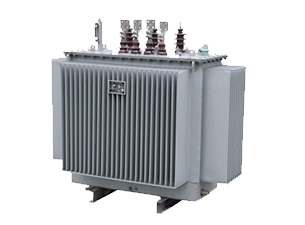
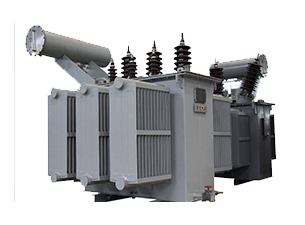
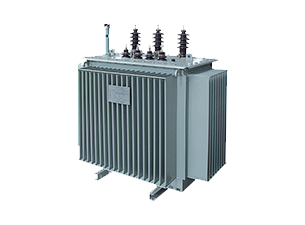
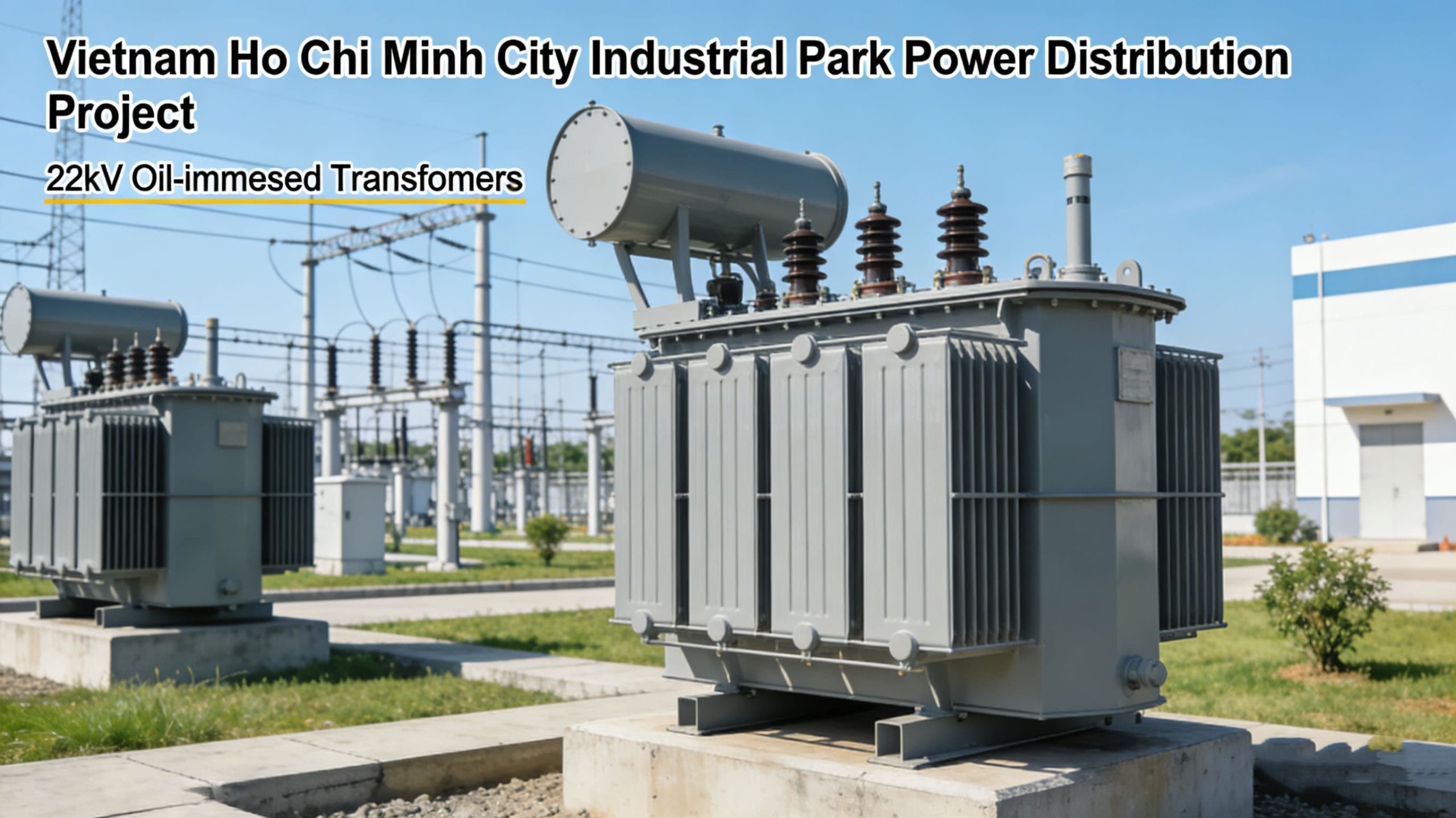
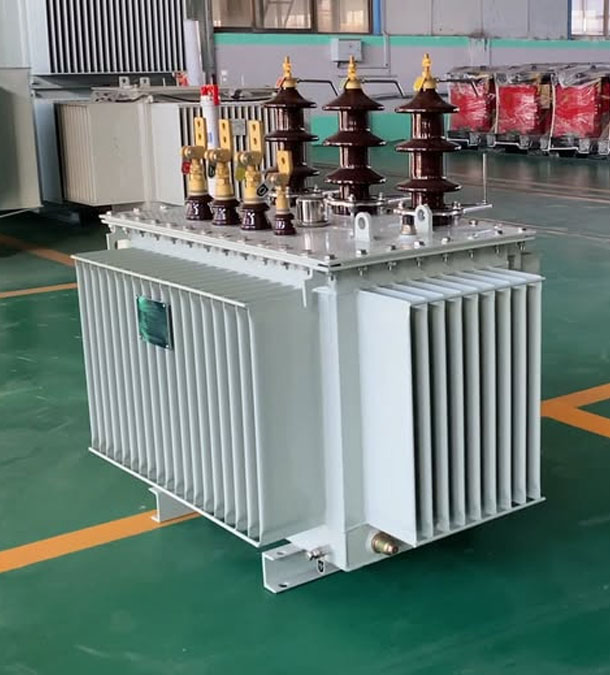
The most common type used all over the world. Mineral oil or ester fluid is the isolator and as the cooling medium. For outdoor install, utility substations, and rural grid. Have lower capital costs and mature procedures.
Distribution Transformer factory12

Dry-Type (Cast Resin) Distribution Transformers

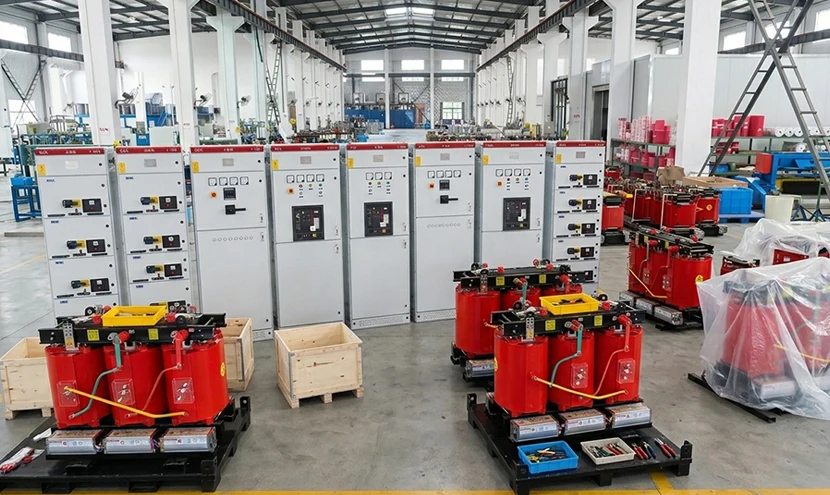
Resin-encapsulated windings with solid insulation. Used exclusively indoors (Civic Centres, Hospitals, Shopping Malls, High Rise Buildings), where the risk of a fire must be minimized. Capital cost is high but there is no need for fluid containment.

Configuration Comparison Table

FeaturePole-MountedPad-MountedSubstation (Ground-Mounted)
Typical Rating10–315 kVA100–2500 kVA500–2500 kVA
Installation TypeOverhead lineUnderground cableIndoor/outdoor substation
Access for MaintenanceBucket truck requiredGround-level accessGround-level access
Best ForRural distributionUrban/suburban gridIndustrial & utility

Distribution Transformer vs. Power Transformer — Key Differences

Buyers often need to distinguish between distribution-class and transmission-class transformers before specifying a project.

Distribution Transformer

Distribution Transformer:4 kV – 35 kV (primary)
Capacity Range:10 kVA – 2,500 kVA
Function:Last-mile voltage step-down
Cooling Type:ONAN / dry-type
Core Design:Distribution-optimized, low-loss
Deployment:Pole, pad, or substation
Typical Lifespan:25–35 years
Unit Cost:Lower

Power Transformer

Distribution Transformer:66 kV – 765 kV (primary)
Capacity Range:5 MVA – 1,000+ MVA
Function:Bulk transmission voltage conversion
Cooling Type:ONAN / OFAF / ODAF forced cooling
Core Design:Autotransformer or two-winding
Deployment:Transmission substation only
Typical Lifespan:30–40 years
Unit Cost:Significantly higher

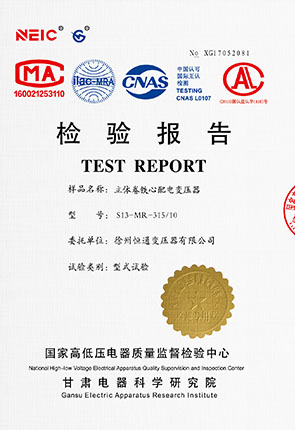
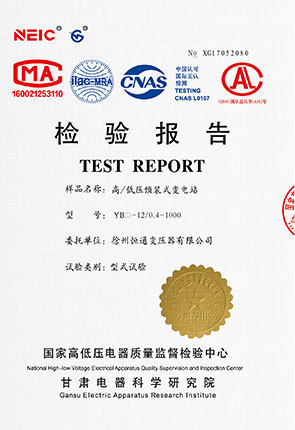
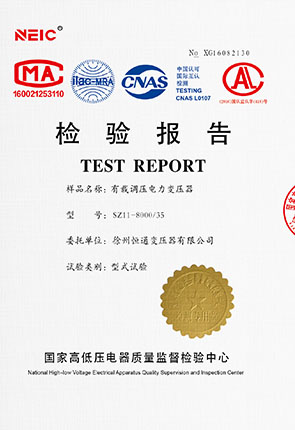
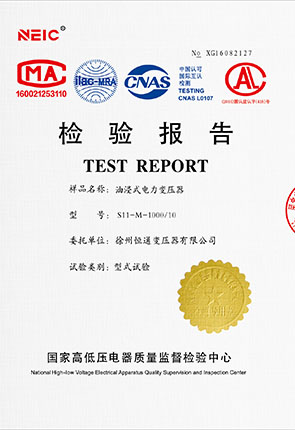
Compliance & Certifications

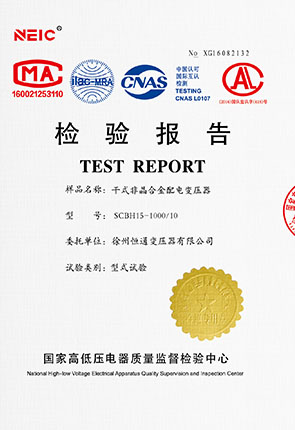
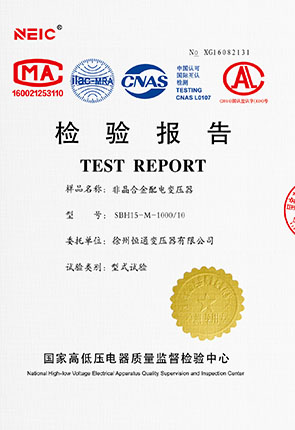
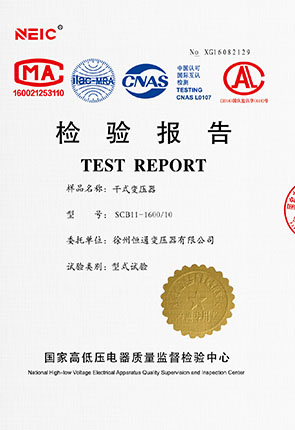
Distribution transformers provided for infrastructure, utility or industrial projects should comply with relevant standards. The below certificates are typical of the standard specification of purchase:

IEC 60076

IEC 60076

IEC 60076

IEC 60076

GOT A QUESTION?

Frequently Asked Questions

What is a distribution transformer and what function does it perform?

A transformer is an electrical device in a static condition that reduces high energy medium voltage distribution line voltage which usually ranges from 4 k V through to 35 k V, to low voltage suitable for use by the consumer i.e. 120V, 240V or 400V etc. This is the last stage of voltage transformation before electricity is used in the home, office or factory.

How large should a kVA distribution transformer be?

Work out your maximum demand load in kVA (total watts / pf / 1000 if single-phase, or / 1.732 if three-phase). Then allow a 20 30% headroom for growth, and choose the next standard rating from the following: 50, 100, 160, 250, 400, 630, 1000, 1600, 2000 kVA.

How do oil-immersed and dry-type distribution transformers differ?

The former have mineral oil or ester fluid as their insulating and cooling medium. They are lower in unit cost and are the normal choice for outdoor and substation applications. The latter have insulating cast resin and no liquid. They are used when the equipment is installed in interiors within fire-sensitive environments such as hospitals, shopping malls, and tall buildings.

What is the service life of a distribution transformer?

A well maintained oil immersed distribution transformer will usually have a life in the region of 25-35 years.The service life will relate to load factor, ambient operating temperature, oil quality & maintenance, protection from overload & lighting surges. Dry type units will have similar life span in air-conditioned indoor locations.

What standard should a distribution transformer meet?

This varies depending on your market place. In Europe, Asia, Middle East and Africa IEC 60076 standard applies. In North America as ANSI/IEEE C57 standard will be used. Check always the grid code of your national utility or regulator before defining the final specifications.

Reliable Quality
Better Price

Reliable Quality to Avoid Risks, Better Price to Cut Costs, Faster Delivery to Seize Opportunities!

    sales@jinmatransformer.com
    +86 15136484918
    +86 15136484918


      SEND YOUR INQUIRY

      X