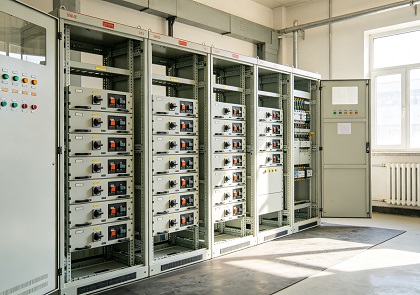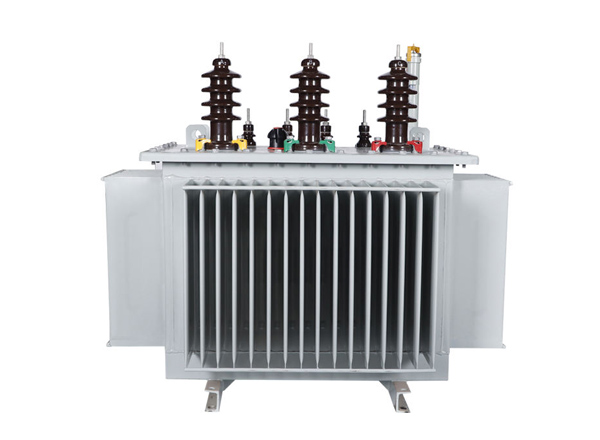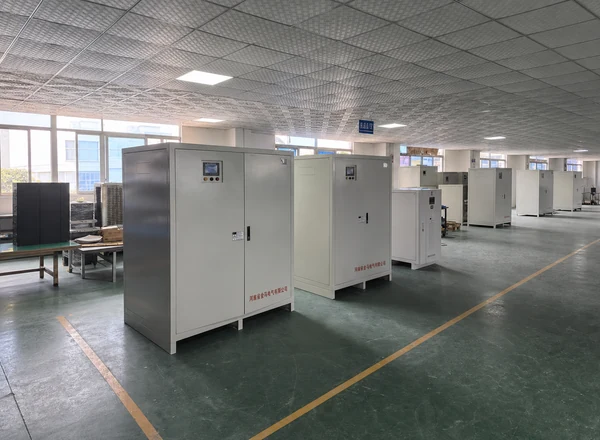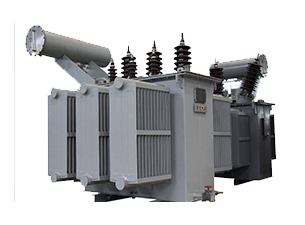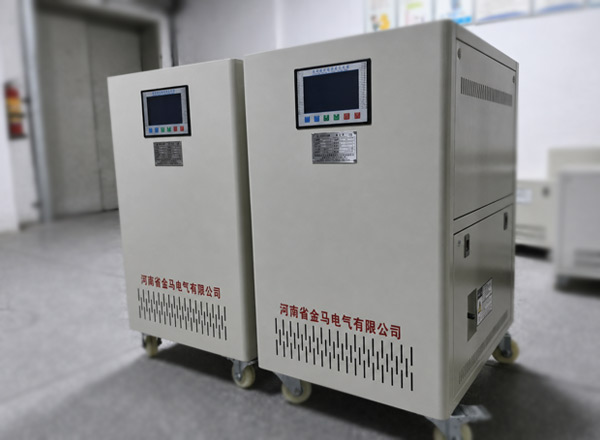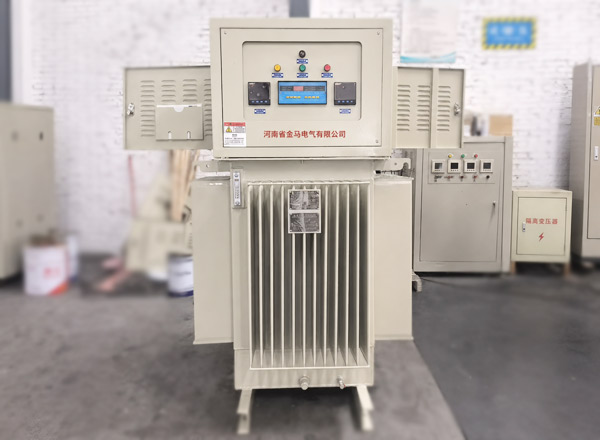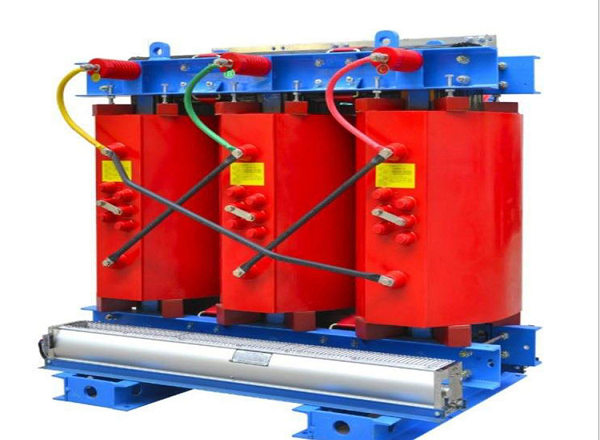


In the design and transformation of electric systems, the selection of dry-type transformers and oil-immersed transformers directly determines the efficiency, safety and cost control of the system. Do you know the differences between them? Jinma Electric offers comprehensive, one-stop guidance on electric transformer selection.
Core Role Of Electric Transformers
Electric transformer is the “hub” of the grid operation, the core function of two points: one is the voltage conversion, the power plant output of high-voltage power step-down to the user can be safely used for low-voltage power, or vice versa, step-up for long-distance transmission, to avoid large losses of power in the transmission process; the second is the electrical isolation, will be separated from the different parts of the grid, to prevent leakage. The second is electrical isolation, which separates different parts of the power grid to prevent leakage, surge and other problems from spreading, and to safeguard the safety of personnel and equipment. As a professional power electric transformer manufacturer, Jinma Electric precisely manage the implementation of these two core functions, providing essential equipment support for the stable operation of the power grid.
Essential Difference Between Dry-Type And Oil-Immersed Transformers
Dry-type transformer and oil-immersed transformer performance, safety, maintenance requirements, are derived from their core design differences in transformer manufacturing process. Understanding these differences is the basis for proper selection – the design determines the equipment’s suitability for the scene and long-term operational performance.
Cooling System
Cooling system is the most critical difference between the two types of transformers, directly affecting the equipment cooling efficiency and operational stability.
Dry-type transformers rely on air circulation to realize heat dissipation, divided into natural air cooling and forced air cooling two ways, the whole process does not use any liquid medium. This design allows the equipment without worrying about liquid leakage, suitable for high cleanliness requirements of the scene.
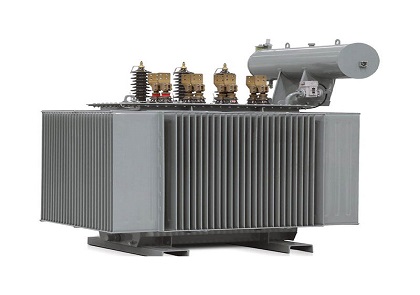
Oil-immersed transformer (also called liquid-immersed transformer) takes insulating oil as the core cooling medium, and the transformer windings and core are completely immersed in insulating oil. Insulating oil can not only quickly take away the heat generated by the operation of the equipment, but also enhance the insulation properties, heat dissipation efficiency is far better than air cooling. The two core advantages of insulating oil are heat dissipation and insulation, which is the key reason why oil-immersed electric transformers can adapt to high load and high temperature scenarios.
Insulating Material
Dry-type transformer winding using solid insulation materials, the most common is epoxy resin casting (cast dry-type transformer), this material has excellent insulation properties, high temperature resistance, and no volatile, no leakage, suitable for indoor airtight environment.
Oil-immersed transformers use liquid insulation system, insulating oil wrapped around the windings and core, its insulation effect is better than air and ordinary solid materials, can effectively isolate the current, to prevent short-circuiting, especially suitable for high-voltage, high-load scenarios.
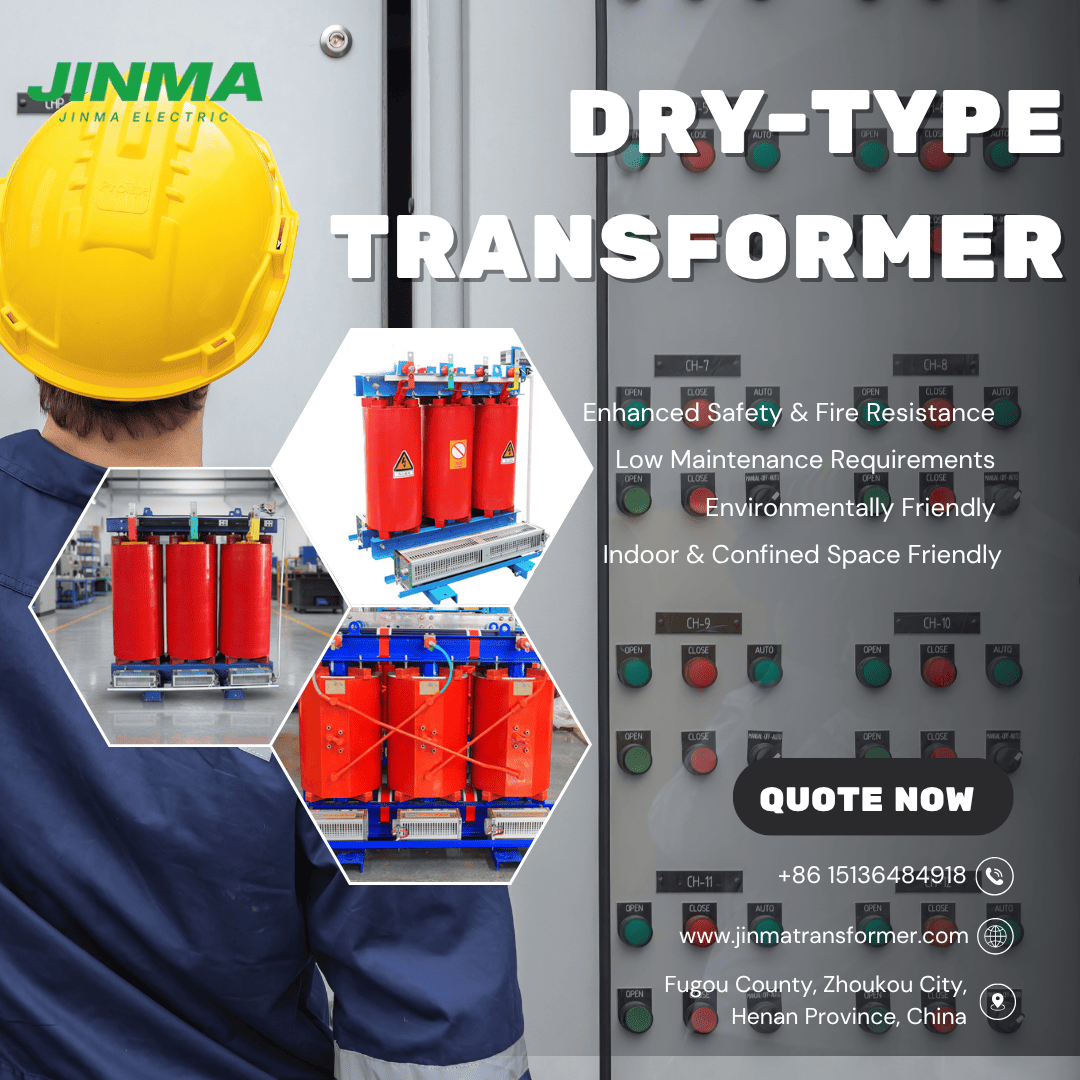
Advantages and Disadvantages Of Dry-Type Transformers
Core Advantages Of Dry-Type Transformers
Outstanding environmental protection: no need to use insulating oil, completely eliminate the risk of oil leakage, oil pollution, in line with the current green and low-carbon development needs, is the first choice for ecologically sensitive areas and environmentally demanding scenes.
High safety: no oil means no explosion and fire hazard, no oil smoke and odor during operation, suitable for installation in crowded and closed indoor spaces, such as office buildings, shopping malls and data centers.
Convenient installation and maintenance: no need to build oil pits, oil pools and other protective facilities, the installation process is simple; daily maintenance only need to clean dust, check the insulation status, no need to carry out oil quality testing and replacement, low maintenance costs.
Main Disadvantages Of Dry-Type Transformers
Lower efficiency: air cooling effect is limited, energy loss during operation is higher than that of oil-immersed transformer, long-term operation will increase electricity expenses.
Large volume: under the same power condition, the volume and weight of dry-type transformer is larger than oil-immersed type, which has certain requirements on installation space.
Temperature tolerance is poor: can not adapt to the high temperature environment, in the industrial high temperature workshop, outdoor sun exposure and other scenes, prone to overheating faults, limiting the scope of its application.
High upfront cost: equipment procurement price is higher than the same power oil-immersed transformer, especially in the medium and high power (75kVA transformers and above) scenarios, the price gap is more obvious.
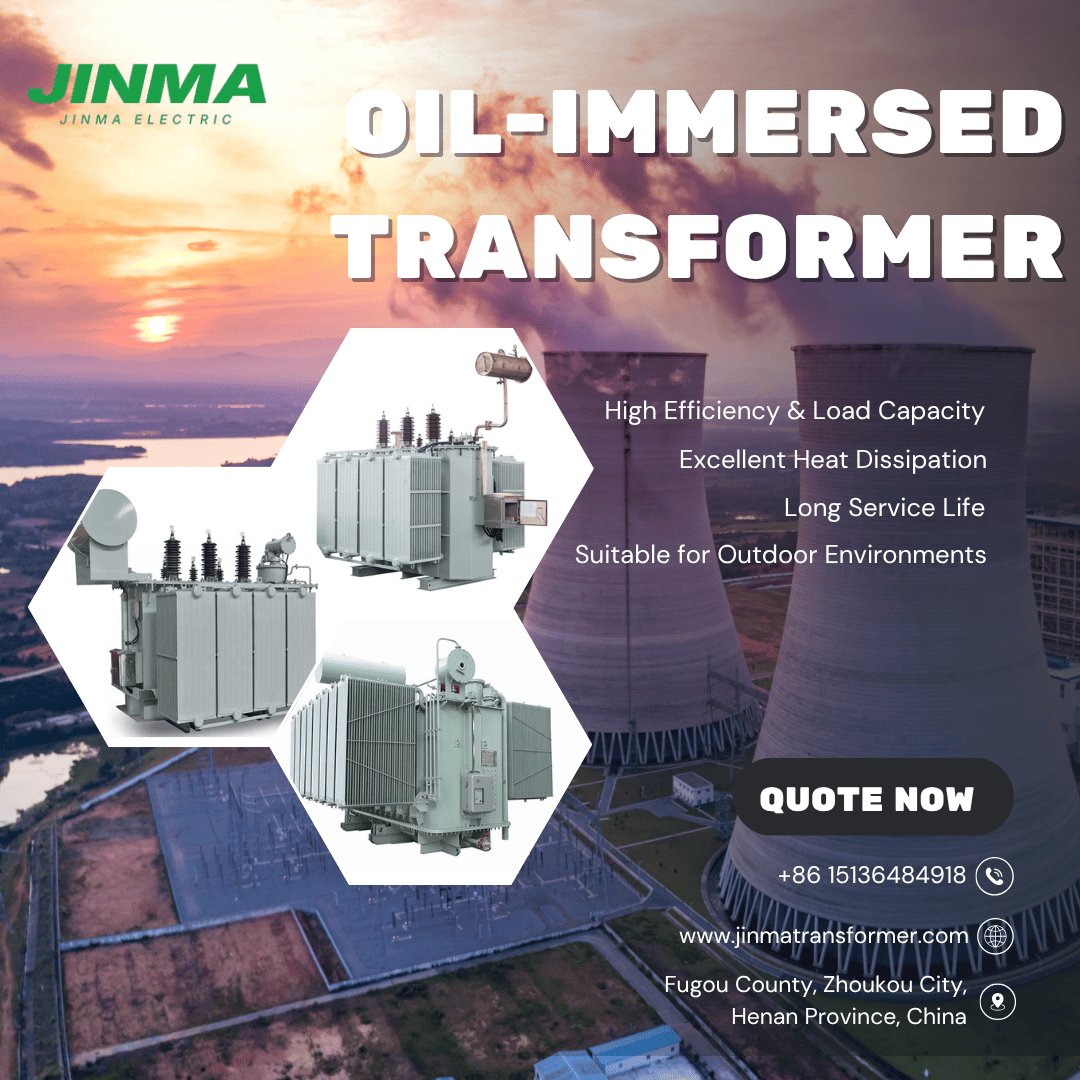
Advantages and Disadvantages Of Oil-Immersed Transformers
Core Advantages Of Oil-Immersed Transformers
Outstanding efficiency: excellent heat dissipation and insulation properties of insulating oil, low energy loss, more energy efficient in long-term operation, suitable for high load, long time continuous operation scenarios, can effectively reduce operating costs.
High-temperature and load resistance: it can adapt to harsh environments such as high temperature and high humidity, and has stable short-term overload capacity, which is suitable for scenarios with seasonal load fluctuations, such as rural drainage and irrigation seasons, and air conditioning load peaks in summer.
More advantageous cost: low purchase price of equipment, especially for high-power scenarios (75kVA and above), the cost-effective is much higher than dry-type transformer; and mature technology, easy to purchase accessories, further reduce the initial investment.
Strong durability: the core components are immersed in insulating oil, isolated from air, moisture and dust, reducing component aging corrosion, under normal maintenance, the service life of up to 20-30 years, longer than dry-type transformer.
Main Disadvantages Of Oil-Immersed Transformers
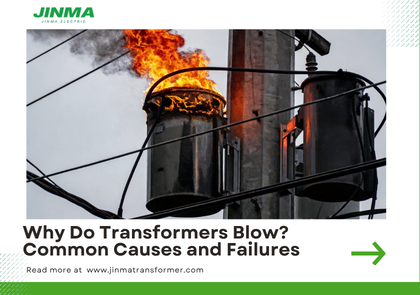
High safety risk: there are hidden dangers of oil leakage, fire and explosion, insulating oil leakage will not only pollute the environment, but also may cause safety accidents, not suitable for indoor crowded scenes.
High installation requirements: the need to build oil pits, oil pools and other anti-leakage facilities, the installation cycle is long and costly; and the weight of the equipment is high, making it more difficult to carry and install.
High maintenance cost: need to regularly test the oil quality, replacement of insulating oil, but also check the oil pillow, radiator and other components, maintenance process is complex, time-consuming and labor-intensive, long-term maintenance cost is higher than the dry-type transformer.
Actual Application Of The Transformer Scene
Indoor scene: choose dry-type transformer
The core demand of indoor scene is safety, environmental protection, no hidden danger, especially the crowded or confined space, the advantage of dry-type transformer is more obvious.
Office buildings, shopping malls, data centers, hospitals, schools, high-rise residential power distribution rooms, and indoor mechanical and electrical rooms. These scenarios have limited space, are densely populated, and require extremely high control of fire and pollution risks.
Outdoor scenes: choose oil-immersed transformers
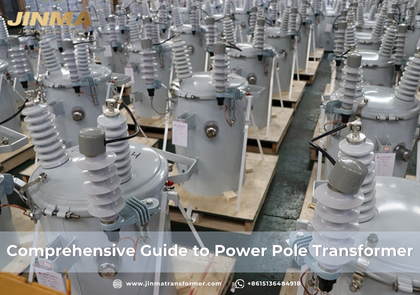
Outdoor scenes are often faced with high temperatures, high loads, bad weather and other problems. The advantages of oil-immersed transformers in terms of efficient heat dissipation, high temperature resistance and durability make them the default choice for outdoor scenes.
Outdoor substations, high-voltage transmission lines supporting, large industrial plants, rural power grids, wind farms, photovoltaic power stations, etc.. These scenarios have large loads, complex operating environments, and extremely high requirements for heat dissipation and durability of the equipment.
6 Steps To Select The Most Suitable Transformer
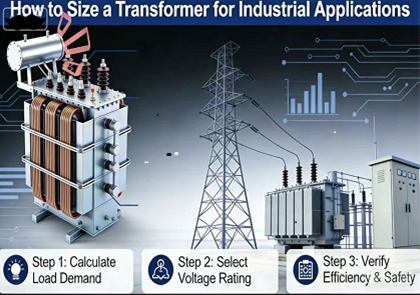
Follow the following 6 steps, you can quickly make a scientific selection, avoid selection errors, balance safety, efficiency and cost of transformer.
Step 1: Define the application scene
Core judgment criteria: choose dry-type transformer used in indoor, densely populated, high fire protection requirements scene.
Priority choose oil-immersed transformer outdoor used in high pressure, high load, harsh environment scene.
Step 2: Evaluate load and voltage requirements
Small power (below 75kVA transformer), low-voltage scenarios: both transformers are available, can be combined with the cost and environmental flexibility to choose.
High power (75kVA transformer and above), high-voltage scenarios: oil-immersed transformers are more cost-effective and stable.
Step 3: Analyze environmental conditions
Focus on environmental temperature, humidity, dust and other factors:
Oil-immersed transformers in high temperature, high humidity, dusty environment are favorable, whose insulating oil can isolate dust and moisture, and have better high temperature resistance;
Clean, dry, indoor airtight environment: priority dry-type transformer, no need to worry about oil leakage, and maintenance is more convenient.
Step 4: Balanced transformer cost
Dry-type transformer cost in pre-purchase are high, but low maintenance costs, no environmental compliance costs, long-term operation (more than 5 years) can offset the difference in the early stage;
Oil-immersed transformer price in procurement are low, but need to invest in oil pool construction, oil quality maintenance and other costs, long-term maintenance costs are higher.
Step 5: Matching insulation and cooling requirements
Selected according to the system’s cooling needs and insulation requirements:
High insulation, high cooling needs (such as high voltage, high load): oil-immersed transformers are more suitable;
Ordinary insulation, clean cooling needs (such as low voltage, indoor): dry-type transformer is sufficient to meet.
Step 6: Future power system upgrade
If there is a future growth in power demand, new energy access (such as photovoltaic, wind power), ambient temperature rise, etc., it is recommended to prioritize the oil-immersed transformer, or choose a special type of dry-type transformer, to avoid the cost of the later replacement of equipment brought about by the increase in transformer costs.
Why Choose Jinma Electric: China’s Leading Transformer Manufacturer
When sourcing transformers, selecting a manufacturer with robust capabilities and comprehensive services provides a solid guarantee for the successful implementation and long-term operation of electrical projects.
Jinma Electric stands as a trusted choice among transformer suppliers, boasting a modern production facility spanning 50,000 square meters in China.
We supply a full range of high-performance power equipment—including both oil-immersed and dry-type transformers—along with professional, comprehensive power solutions. These solutions encompass distribution transformers, silicon steel cores, high- and low-voltage switchgear, prefabricated substations, and customized power systems for photovoltaic and industrial applications.
To date, our transformer products have served customers in over 50 countries and regions worldwide; we are dedicated to becoming our clients’ most reliable transformer supplier and partner.
FAQ of Transformer
Q1: Is dry-type transformer really more environmentally friendly?
Yes, it is. Dry-type transformers do not need to use insulating oil, completely eliminating the risk of oil leakage, oil pollution, without the need to invest in environmental protection treatment costs, in line with the development trend of green energy, ecologically sensitive areas and environmental protection requirements of the scene of the optimal choice.
Q2: Why is oil-immersed transformer preferred for high load scenarios?
The core reason is that oil-immersed transformers have higher heat dissipation efficiency. Insulating oil can quickly take away the heat generated by the operation of the equipment, effectively reducing energy loss, and can adapt to the high temperature, high load environment, long-term continuous operation is more stable, not easy to overheating failure.
Q3: Will transformer affect energy efficiency?
Yes. Improper selection will directly lead to increased energy loss and higher operating costs. For example, the selection of dry-type transformers in high load scenarios will lead to high energy loss due to insufficient heat dissipation; the selection of oil-immersed transformers in indoor small load scenarios will lead to idle equipment and energy waste.
Q4: What regulatory requirements should I consider when selecting a transformer?
Need to meet the local electric power code and industry standards, focusing on two points: First, indoor installation needs to meet the fire code, dry-type transformer is easier to comply with; Second, outdoor installation needs to meet the environmental protection standards, oil-immersed transformers need to do a good job of leakage prevention, pollution prevention measures.