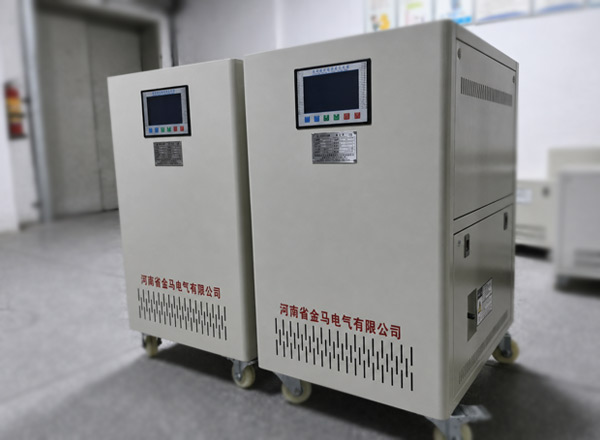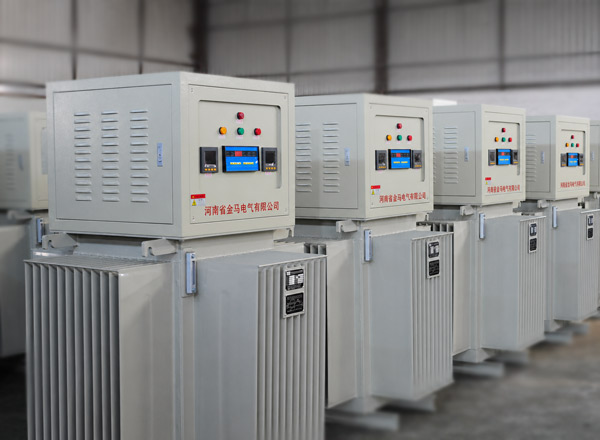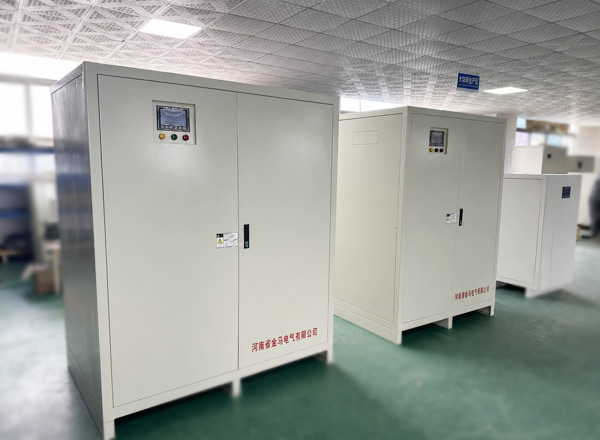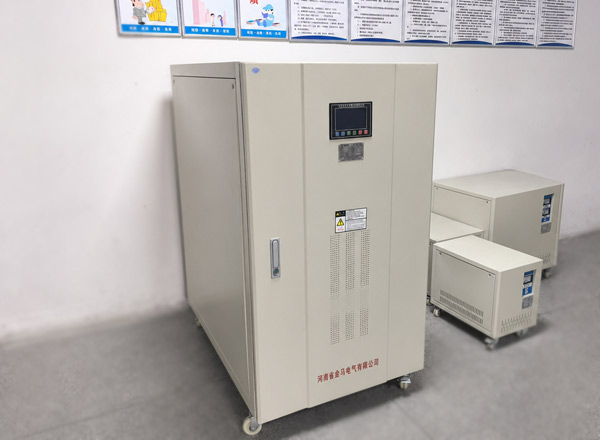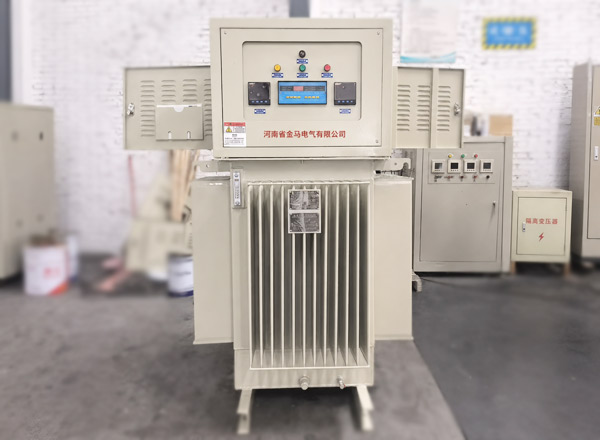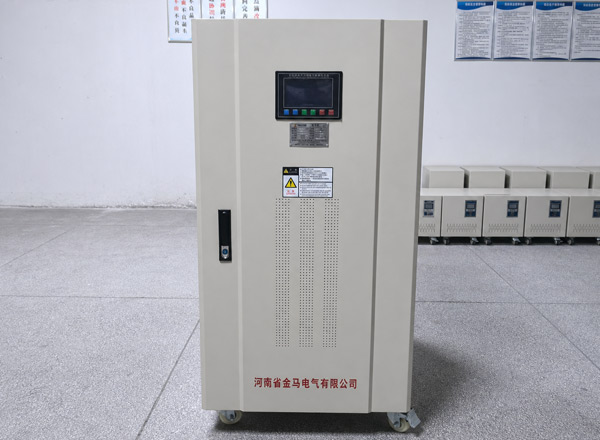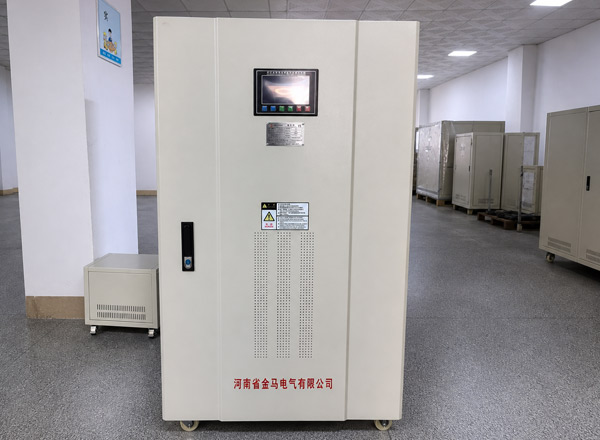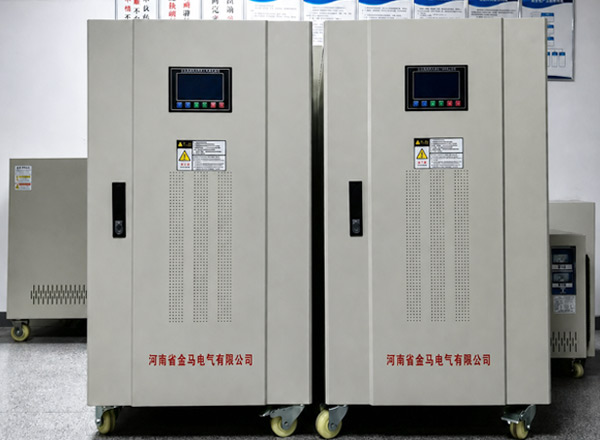
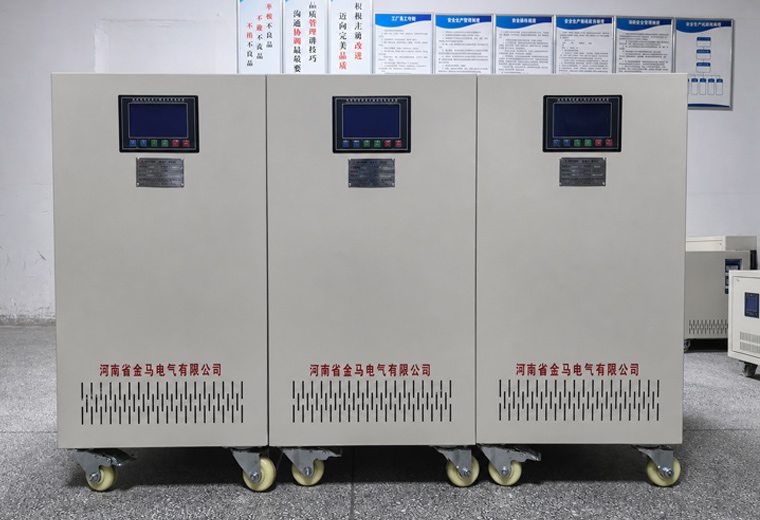
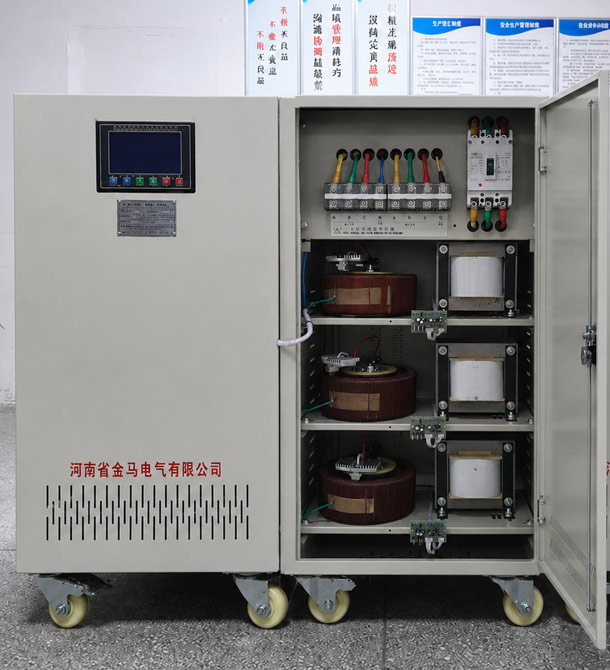
An industrial voltage stabiliser is a power-conditioning device that sits between the incoming power supply and the load its trying to stabilise. Its main job is to keep the output voltage within a specific operating range – even when the input voltage decides to go on the rise or the slide.
Industrial systems arent like the little household stabilisers you might have seen before – theyre built for much bigger capacities, three-phase networks, loads that are inductive and continuous-duty applications. They can be used to serve a single machine, a production line or a whole electrical distribution system.
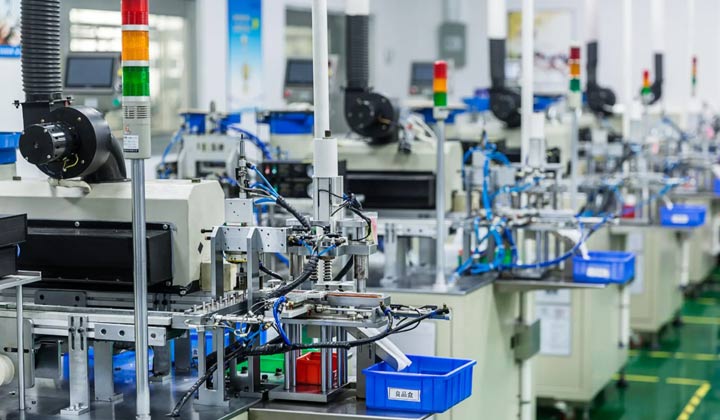
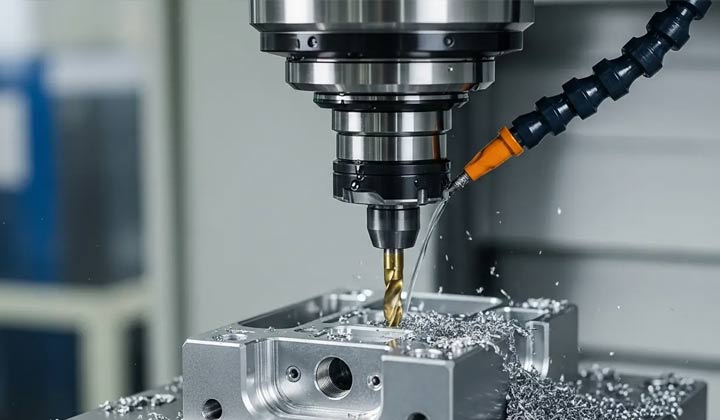
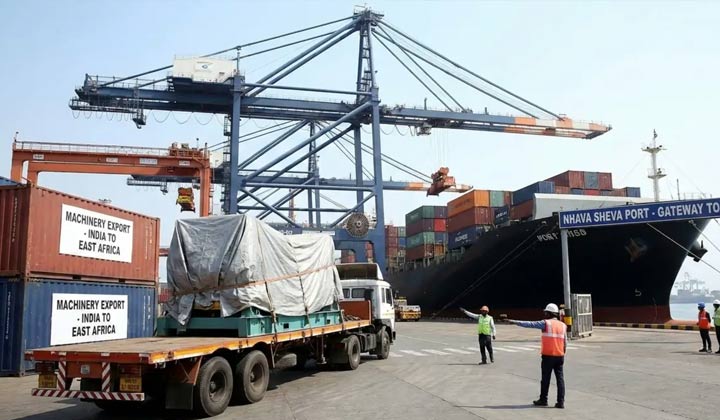
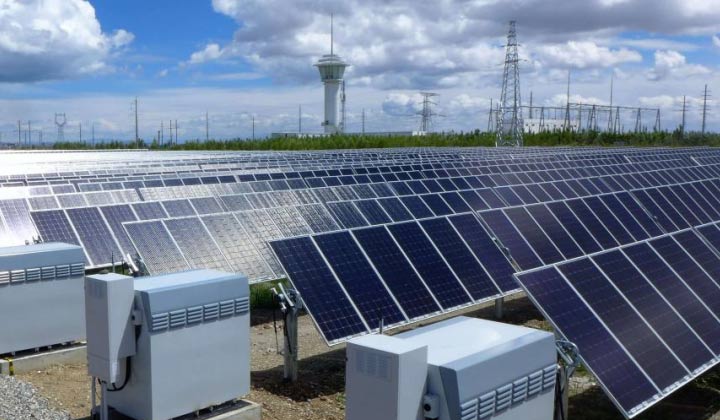
Industrial voltage stabilizers are commonly used with:







Selecting a stabilizer involves more than matching its kVA rating to the equipment nameplate.
| Parameter | Information to provide | Why it matters |
| Supply system | Single-phase or three-phase | Determines the basic configuration |
| Nominal input voltage | For example, 380 V, 400 V, 415 V or 480 V | Establishes the system voltage |
| Actual input range | Lowest and highest measured voltage | Determines the required correction range |
| Required output voltage | Equipment-rated operating voltage | Establishes the regulation target |
| Load capacity | kW, kVA or rated current | Determines stabilizer capacity |
| Power factor | Equipment or system power factor | Helps convert kW to kVA correctly |
| Load type | Motor, CNC, heater, rectifier, compressor or mixed load | Affects starting current and technology selection |
| Starting method | Direct-on-line, star-delta, soft starter or VFD | Influences inrush allowance |
| Output accuracy | Equipment’s permitted voltage tolerance | Determines regulation performance |
| Environment | Temperature, dust, humidity, altitude and installation location | Affects cooling and enclosure selection |
| Protection needs | Phase loss, bypass, overload or other functions | Defines the control and protection package |
| Destination market | Country and required standards | Affects voltage, frequency and documentation |
For three-phase loads, apparent power can be estimated using:
kVA = √3 × line voltage × line current ÷ 1000
When only real power is available:
kVA = kW ÷ power factor
The final capacity should also account for motor starting current, simultaneous loads, future expansion and the manufacturer’s derating requirements. Do not apply a generic safety factor without reviewing the actual load profile.
It continuously monitors incoming voltage and automatically increases or decreases the voltage supplied to the load. Its purpose is to keep industrial equipment within a specified operating-voltage range.
Match the stabilizer to the incoming supply and connected load. Most factory machinery and high-power motors use three-phase systems, while smaller machines and auxiliary equipment may use single-phase power.
Start with the simultaneous connected load in kVA. Then account for power factor, motor starting current, load changes, environmental derating and future expansion. The final size should be checked by the stabilizer manufacturer.
Neither is universally better. Servo stabilizers are widely used for high-capacity industrial loads and continuous correction. Contactless systems are preferable when fast response and reduced mechanical wear are priorities.
Not necessarily. A stabilizer regulates changing voltage, while a transformer changes the nominal voltage and may provide isolation. If a project needs both functions, a combined stabilizer-transformer solution may be considered.
No. A stabilizer cannot normally supply backup power after a complete outage. A UPS stores energy and supports the load temporarily. Some facilities use both devices for different functions.
A stabilizer may include certain surge-protection functions, but it should not be assumed to replace a properly designed surge protective device or lightning-protection system.