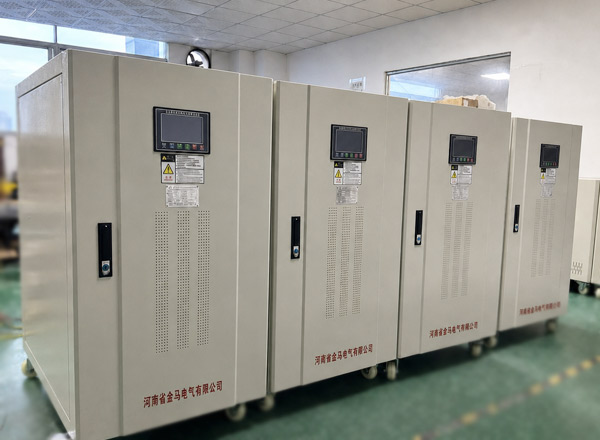
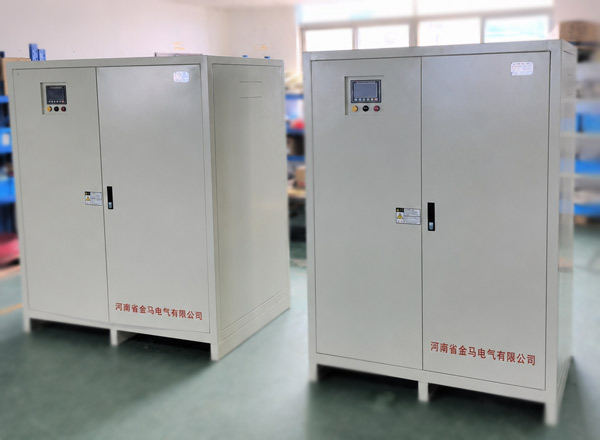
480V to 380V 3 Phase Voltage Stabilizer

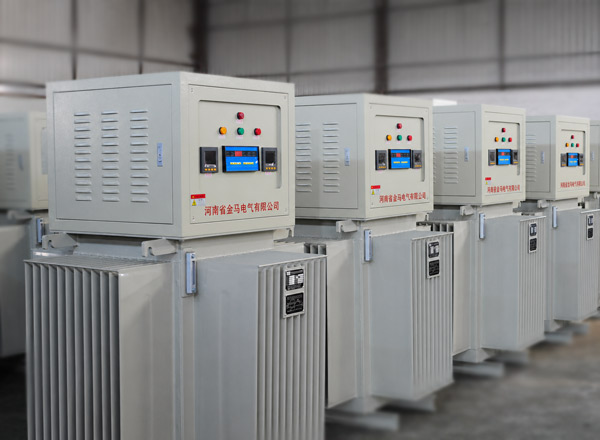
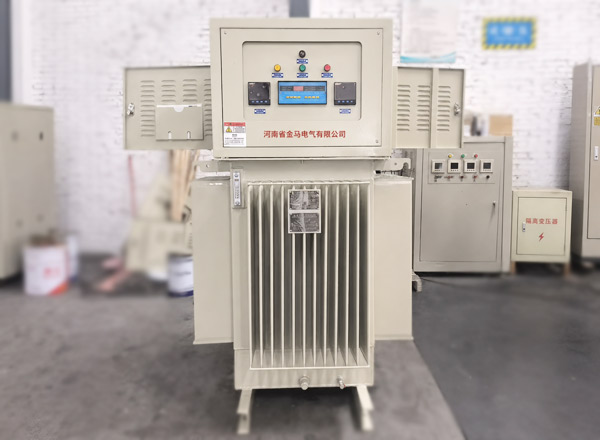
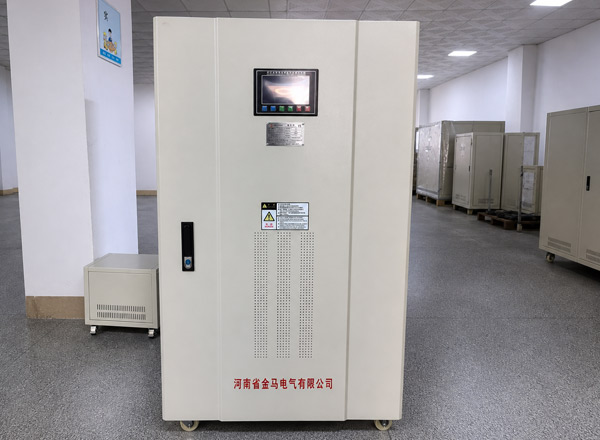
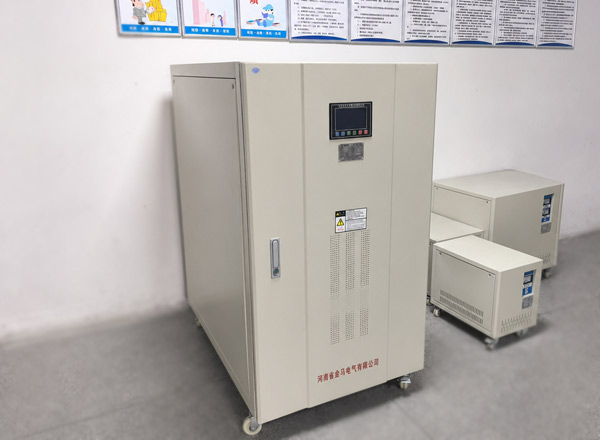
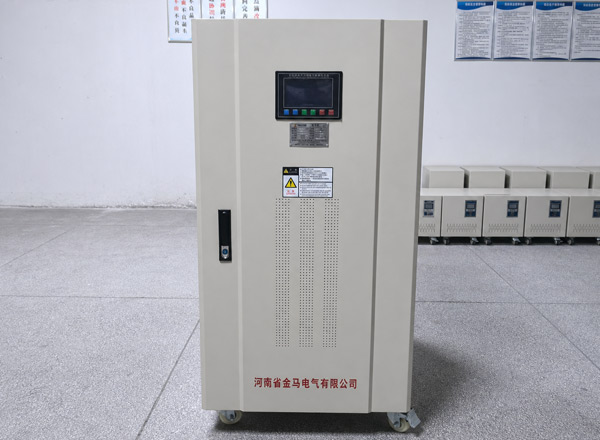
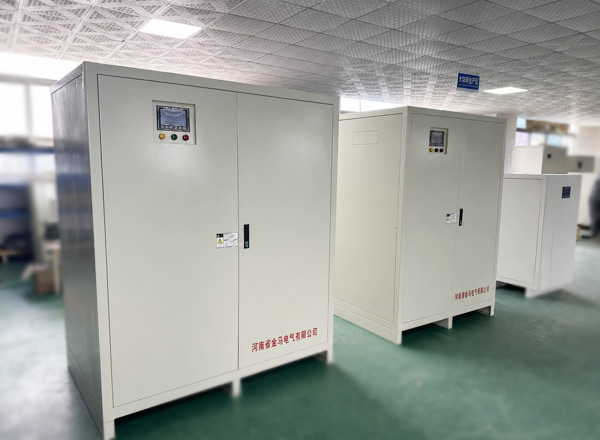
JINMA ELECTRIC 480V to 380V 3 phase voltage stabilizer is designed for industrial equipment that requires a stable 380V three-phase supply but must operate from a nominal 480V power system. It combines voltage conversion and automatic regulation in one engineered solution, helping factories connect imported machinery while reducing the operational risks associated with voltage fluctuations.
Share With:
Overview
feature
case
FAQ
Related
inquiry

What Is a 480V to 380V 3 Phase Voltage Stabilizer?

A 480V to 380V three-phase voltage stabilizer is an industrial power-conditioning device that converts the nominal incoming voltage from 480V to 380V and regulates the output when the utility voltage or connected load changes.

Unlike a standard step-down transformer, which mainly changes one nominal voltage level to another, this integrated system also monitors voltage variations and automatically compensates for deviations. It is therefore suitable for 380V machinery operating in locations where the available three-phase supply is nominally 480V and voltage stability is important to production.

The system does not provide backup power and does not automatically convert frequency. If the equipment requires 380V/50Hz but the site supplies 480V/60Hz, a frequency converter may also be necessary.


Product Advantages

Integrated Voltage Conversion and Stabilization

One efficient system handles the 480V-to-380V conversion and automatic voltage regulation. That simplifies matching equipment and cuts down on the hassle of setting up separate transformer and stabilizer cabinets.

Stable Power for Sensitive Machinery

By keeping the output at a steady 380V, you reduce the voltage-related stress on motors, control circuits, contactors, PLCs, and electronic components. How well it protects depends on the specific input range and output tolerance you're looking at.

Made for Three-Phase Industrial Loads

This stabilizer can be customised for motor loads, electronic loads, mixed production lines, and equipment that needs to handle a lot of starting current. Before you order, you'll need to confirm that your three-phase balance requirements are met.

Custom Electrical Configuration

You can pick and choose from a range of options - capacity, wiring arrangement, input range, output setting, cooling method, enclosure, bypass, isolation, protection functions - so the equipment can fit your specific application rather than the other way around.

Centralised Monitoring and Protection

Available configurations may include input and output voltage display, current monitoring, phase-sequence protection, phase-loss protection, overvoltage, undervoltage, overcurrent, and fault alarms.
GOT A QUESTION?

Frequently Asked Questions

How Does It Work?

The voltage conversion stage takes a 480V three-phase input and knocks it down to the 380V level that your load needs. The regulation stage is always checking on how things are going voltage-wise and comparing it to the output you want. When the incoming voltage starts to change, the controller kicks in and adjusts the compensation to keep your output right in the middle of the operating range it’s set for. Whether you go with servo-controlled compensation or some other industrial regulation tech depends on what you need.

It also incorporates the functions you need – protection, metering, bypass, isolation, communication, and phase control – so you can tailor it to your project.

Typical Applications
  • CNC machining centers:it supplies 380V power to imported CNC equipment that needs it while keeping the influence of unstable plant voltage on drives, controls, and machining consistency to a minimum.
  • Laser-cutting equipment:it supports laser sources, cooling systems, servo drives, and controllers that require a properly matched three-phase voltage during continuous production.
  • Packaging and printing lines:it provides regulated power for motors, heaters, sensors, and electronic controls that may respond differently to supply-voltage changes.
  • Automated production lines:it helps connect 380V robots, conveyors, PLC cabinets, and processing machines to facilities with a nominal 480V distribution system.
  • Exported industrial machinery:it offers machine builders a coordinated power solution when 380V equipment is delivered to countries or facilities using 480V three-phase power.
How to Select the Correct Model

Start by considering the equipment nameplate voltage, rated power, maximum operating current, and power factor. For motors, compressors, pumps, and other inductive loads, you’ll also need to know the starting method and starting current. Don’t just use rated kilowatts – measuring the actual minimum and maximum site voltage will give you a more accurate idea of what you need.

Before you order, also confirm:

  • Input and output frequency
  • Three-wire or four-wire system
  • Neutral-wire requirements
  • Load type and phase balance
  • Indoor or outdoor installation
  • Ambient temperature and ventilation
  • Isolation, bypass, monitoring, and protection requirements
Why Choose JINMA ELECTRIC?

At JINMA ELECTRIC, we do industrial transformers, voltage stabilizers, frequency converters, and custom power solutions all in-house. This means we can put together a 480V-to-380V system that fits your site and machinery perfectly.

Before we start, our team will review your electrical data, load characteristics, installation conditions, and functional requirements to recommend the best technical configuration.

Can a standard 480V-to-380V transformer replace this stabilizer?

If the incoming voltage is pretty stable and the equipment just needs a voltage conversion, then yes, a normal transformer would be fine. But if the input fluctuations could affect the machinery, then an integrated conversion-and-stabilization system is what you need.

Can it convert 480V/60Hz to 380V/50Hz?

No, it can’t. A transformer or stabilizer changes the voltage, but it doesn’t change the supply frequency. A frequency converter is what you need if you want to change both voltage and frequency.

Can one stabilizer power multiple 380V machines?

Yes, as long as the stabilizer is sized for the combined operating load and possible simultaneous starting current. Just be sure to consider load distribution, future expansion, phase balance, and branch-circuit protection when you’re designing the system.

Does the stabilizer provide electrical isolation?

Whether it does depends on the configuration you choose. If you need galvanic separation, a new neutral point, or additional power conditioning, an isolation transformer can be added. Just remember to specify the site grounding and wiring arrangement before you order.

Reliable Quality
Better Price

Reliable Quality to Avoid Risks, Better Price to Cut Costs, Faster Delivery to Seize Opportunities!

    sales@jinmatransformer.com
    +86 15136484918
    +86 15093378944


      SEND YOUR INQUIRY

      X