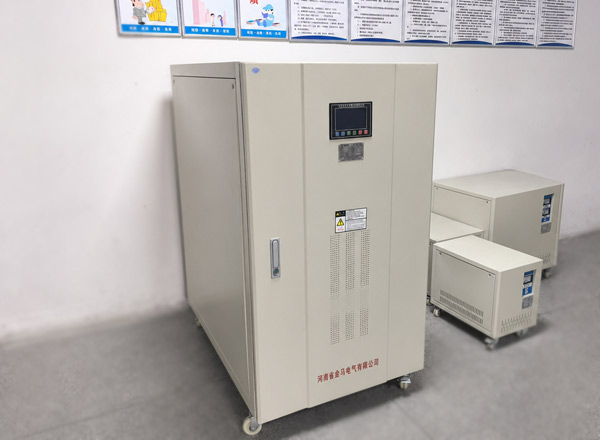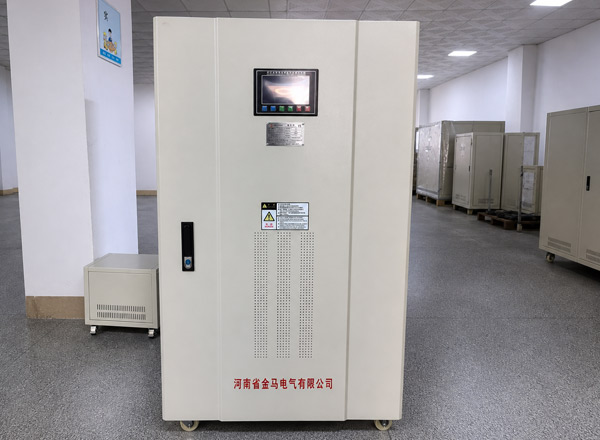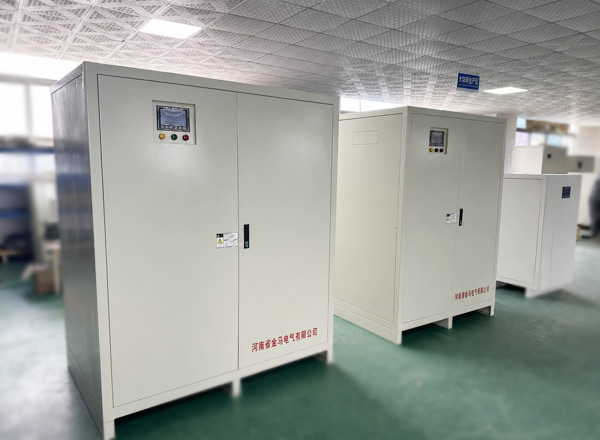
380V to 200V Oil Cooled Voltage Stabilizer

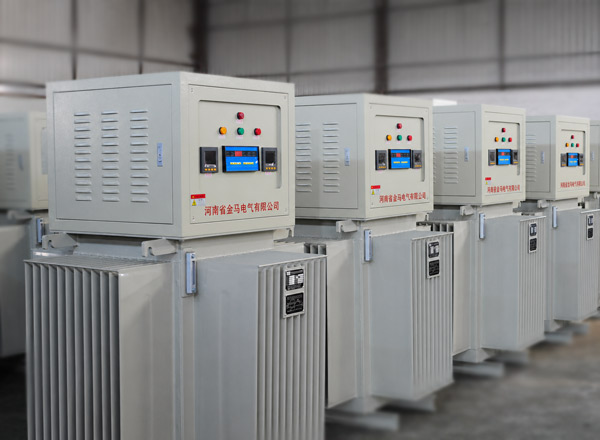
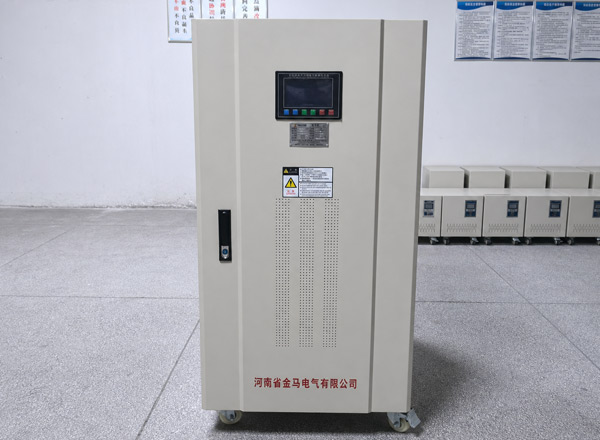
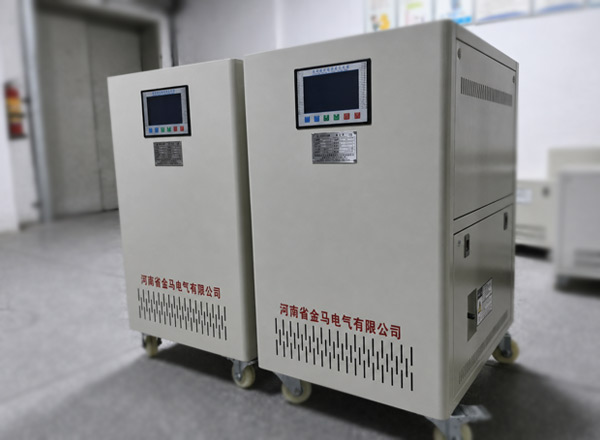
JINMA ELECTRIC 380V to 200V oil cooled voltage stabilizer is developed for industrial machinery that requires a stable 200V three-phase power supply but must operate from a nominal 380V electrical system. It integrates voltage reduction, automatic voltage regulation, and oil-based cooling into one industrial power solution.
Share With:
Overview
feature
case
FAQ
Related
inquiry

What is a 380V to 200V Oil Cooled Voltage Stabiliser?

A 380V to 200V oil cooled voltage stabiliser is a three-phase power conditioner that reduces the nominal supply voltage from 380V to a stable 200V, smoothing out those annoying input voltage fluctuations that can cause so much trouble.

Its key difference from a standard step-down transformer is that it does more than just lower the voltage – it will also make adjustments as needed to keep the output stable, even if the input voltage or load changes. This means you get a more reliable and consistent supply of power for your equipment.

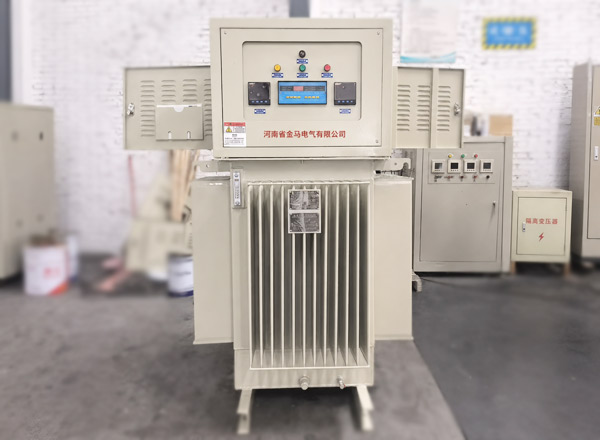
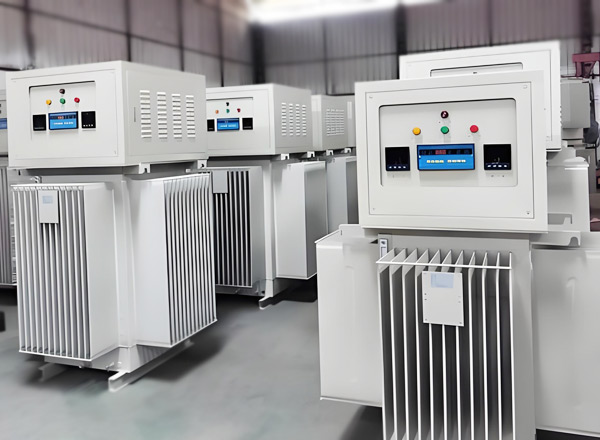
The oil cooled design is well suited to higher capacity systems, 24/7 industrial operation and any setup where you need to keep things nice and cool. The heat generated by all those electrical and magnetic components is cleverly transferred from the internal bits to the cooling oil and then out to the tank surface. This makes it particularly useful for larger, more demanding systems.


Product Advantages

Voltage Conversion and Regulation in One System

This thing does both 380V to 200V step down conversion and automatic voltage stabilisation, which simplifies system design and installation. Compare that with having to buy a separate transformer and stabiliser - a lot less hassle.

Oil Cooling for Continuous Industrial Applications

We've already touched on the benefits of oil cooling, but it's worth repeating - oil provides a bigger heat transfer area around the internal components, making it ideal for high capacity applications where temperature control is critical.

Ideal for Three Phase Machinery

This stabiliser is perfect for use with CNC machinery, production equipment, motors and control cabinets - in fact, any three-phase machine that can benefit from a stable 200V supply. Balanced or unbalanced load conditions need to be selected according to how your system is actually laid out.

Customisable Electrical Configuration

We can tailor the capacity, input voltage range, output settings, wiring arrangement, cabinet design, bypass, monitoring, protection functions - pretty much everything - to fit your application requirements.

Equipment Monitoring and Protection

There are all sorts of options available, including voltage and current displays, overvoltage protection, undervoltage protection, overcurrent protection, phase-loss protection, phase-sequence protection, temperature monitoring and fault alarms.
GOT A QUESTION?

Frequently Asked Questions

How Does the Voltage Stabiliser Work?

The voltage conversion bit reduces the incoming 380V three-phase supply down to the 200V level that your equipment needs. Meanwhile the control system is continuously sampling the operating voltage and checking it against what you’ve set as the desired output level.

When there’s a bit of a discrepancy, the stabiliser kicks in and makes the necessary adjustments to keep the output stable. But how does it manage to do this? Simply, the regulating mechanism changes the compensation voltage to sort out the problem, and the equipment gets a nice stable 200V three phase output.

And talking of heat – the cooling oil does a great job of soaking it up and transferring it out to the external tank or radiator surfaces. As for the actual technology used, cooling arrangement and protection logic – well, that all depends on what configuration and capacity you’ve chosen.

Typical Applications
  • Japanese industrial machinery: We supply a stable 200V power source to Japanese production equipment installed in factories with a 380V three phase distribution system.
  • CNC machining centres:Supporting spindle drives, servo systems, control circuits and auxiliary equipment that require a correctly matched and stable operating voltage.
  • Injection moulding equipment: Providing regulated power for hydraulic motors, heaters, controllers and material handling systems during extended manufacturing cycles.
  • Printing and packaging lines: Helping to operate coordinated motors, sensors, heaters and electronic controls that can be affected by voltage deviations.
  • Automated production systems: Powering robots, conveyors, PLC cabinets, inspection equipment and processing machines designed around a 200V three phase supply.
How to Select the Correct Capacity

Start by getting the nameplate information from your equipment – that is, the rated voltage, current, power, power factor and operating frequency. If you’re planning to share the stabiliser across multiple machines, you’ll need to calculate their combined operating demand and consider whether they might all start at the same time.

When it comes to capacity selection, don’t just go by the rating in kilowatts – you need to consider the starting current as well. The starting method and maximum starting current should be provided, rather than just buying a stabiliser based on the standard rating.

Before making a selection, you should also check:

  • Actual minimum and maximum input voltage
  • Required 200V output tolerance
  • Three-wire or four-wire connection
  • Neutral and grounding requirements
  • Balanced or unbalanced load conditions
  • Indoor or outdoor installation
  • Ambient temperature and ventilation
  • Bypass, isolation, metering, and communication requirements
Can I just use a normal 380V to 200V transformer instead?

If your input voltage is rock solid and you only need a simple voltage conversion, a standard transformer might be sufficient – but the stabiliser is a better choice when the input supply is fluctuating or your machinery needs a tightly controlled operating voltage.

Is this stabilizer suitable for 200V Japanese machinery?

It needs to be configured for Japanese industrial equipment – but before you pick a machine you need to check a few conditions: phase, frequency, Neutral requirement, rated current and also just how much voltage variation the equipment can handle.

Does oil cooling need any upkeep?

You should keep an eye on things with a regular check-up: oil levels, oil leaks, how hot the machine is running, the condition of the tank, make sure there’s enough space for the cooling system to breathe, the cable connections and safety gear. How often you need to do this depends on how the thing is set up and being used.

Reliable Quality
Better Price

Reliable Quality to Avoid Risks, Better Price to Cut Costs, Faster Delivery to Seize Opportunities!

    sales@jinmatransformer.com
    +86 15136484918
    +86 15093378944


      SEND YOUR INQUIRY

      X