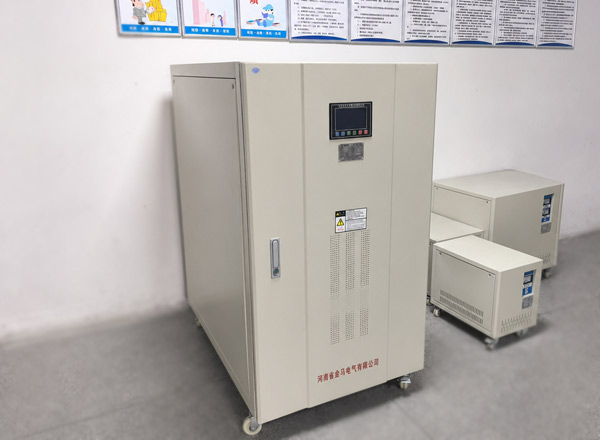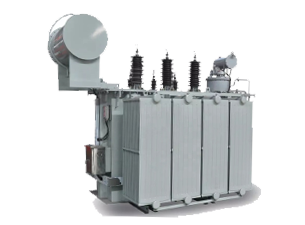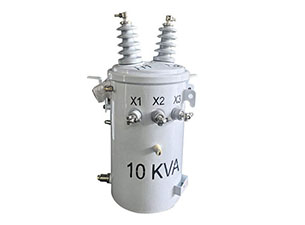


Switchgear is the core equipment of industrial power system, which directly affects the stability and safety of power supply. Reasonable selection can reduce failure and downtime loss. This article combines switchgear type, selection factors, energy efficiency, intelligence, maintenance and industry cases, to provide selection reference for enterprises, to help avoid misunderstandings, selection of suitable products.
Types of Switchgear for Industrial Applications
Industrial plant power scenarios are complex and diverse, with significant differences in voltage level, load demand and site environment, switchgear selection needs to accurately match the actual working conditions. Combined with industrial production practice, the common core types are as follows:
Low-voltage switchgear
Adapted voltage ≤ 1kV, it is the most widely used basic power distribution equipment in the industrial field, mainly used for auxiliary power distribution system (such as lighting, small auxiliary equipments) in the plant, which has the advantages of simple structure, convenient operation and controllable cost, and can stably guarantee the safe operation of low-voltage power consumption links.
Medium Voltage Switchgear
With an operating voltage range of 1kV-35kV, it is the core hub connecting high-voltage power supply and low-voltage power distribution, and is mainly used to provide precise protection and control for the core production equipment of the plant (e.g. large-scale production lines and medium-voltage motors), and its operational stability directly affects the continuity of production.
High-voltage switchgear
Adapted voltage>35kV, mainly used in large-scale industrial plants, substations and other scenes, to undertake high-voltage power receiving, distribution and transmission tasks, with a strong fault isolation ability, improper selection can easily lead to a complete shutdown of the plant, resulting in significant economic losses.
Air-insulated switchgear
Air-insulated switchgear is a cost-effective, environmentally friendly and easy-to-maintain insulating medium, suitable for small and medium-sized industrial plants with sufficient space and cost sensitivity; its shortcomings are low insulation strength and large equipment volume, which are not applicable to space-constrained scenarios.
Gas Insulated Switchgear
SF6 (sulfur hexafluoride) as insulation and arc extinguishing medium, high insulation strength, compact structure, can effectively save the installation space, suitable for space-constrained or dusty, high humidity and other harsh environments of industrial plants.
Oil-insulated switchgear
Mineral oil is used as insulation and cooling medium, suitable for high-voltage and large-load industrial scenarios, with excellent insulation performance and cooling effect, but need to be alert to the environmental pollution and fire risk caused by mineral oil leakage.
Key Factors to Consider When Choosing Switchgear
Industrial plant switchgear selection needs to synthesize various factors, and the core points are clear as follows:
Load capacity: accurately match the expected load of the plant, taking into account the peak and average load, avoiding equipment failure due to insufficient capacity or waste of resources caused by redundant capacity. 2;
Environmental conditions: Adapt to the plant site temperature and humidity, dust content and other actual working conditions, while taking into account the installation space and ventilation conditions, to ensure the stable operation of the equipment;
Compliance requirements: Strictly follow the IEC, GB and other international and domestic standards to ensure product compliance, to avoid acceptance and use of risk;
Safety features: Equipped with short-circuit, overload, leakage and other necessary protection devices to build a strong electricity safety line of defense, to protect the safety of personnel and equipment;
Future Expansion: Reserve a reasonable load margin and expansion interface in advance to meet the needs of enterprise capacity expansion and reduce the cost of later upgrading and remodeling.
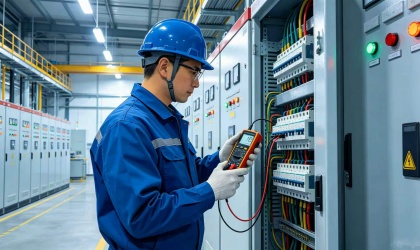
Energy Efficiency and Smart Features
With the upgrading of industrial intelligence and energy saving, the energy efficiency and intelligent features of the switchgear have become an important consideration for selection, which can effectively reduce energy consumption, reduce operation and maintenance costs, and improve the efficiency of power distribution, with the core features embodied in three aspects:
Remote monitoring
Through the built-in sensors and communication modules, the switchgear can monitor the operating parameters and fault information in real time, and the staff can view the faults remotely through the terminals and dispose of the faults quickly, which significantly reduces the downtime and labor operation and maintenance costs.
Predictive Maintenance
Relying on the Internet of Things and big data analysis technology, it can predict the risk of equipment failure, identify potential hazards, and carry out maintenance work in advance, effectively reducing downtime losses, reducing operation and maintenance costs, and extending the service life of equipment.
Energy Management
Through the new control system, real-time monitoring of power consumption, identification of energy waste, optimization of power distribution strategy, help enterprises to achieve the goal of energy saving and consumption reduction, reduce electricity consumption and operating costs.
Maintenance Considerations
Regular standardized maintenance is the key to stable operation of switchgear, which can extend equipment life and reduce failures. Key maintenance points in industrial plant scenarios are as follows: at least one visual inspection per month to check for hidden dangers such as component wear and tear, overheating, etc., and to confirm that the circuit breakers and fuses are normal; quarterly cleaning of the equipment dust, lubrication of movable parts, and banning of water-based detergents; half-yearly full-scale electrical testing and calibration of the protection relay testing The company also conducts in-depth electrical testing annually to ensure equipment performance; arranges for specialized personnel to keep records of maintenance, testing and failures, and establishes operation and maintenance archives to provide support for follow-up work.
Case Studies
There are big differences in switchgear selection in different industries. Combining with the core industry cases, we can provide reference for industrial plant selection:
The power generation industry uses high-voltage and oil-insulated switchgear to adapt to high-voltage and large-load scenarios; industrial plants use medium-voltage vacuum-insulated switchgear for core production lines, low-voltage air-insulated switchgear for auxiliary distribution, and gas-insulated switchgear for space-constrained areas, according to the needs of selection;
Low-voltage intelligent switchgear is mainly used in commercial buildings, taking into account safety and operation and maintenance costs;
Medium and high voltage vacuum and gas insulated switchgear for renewable energy, relying on predictive maintenance to improve efficiency;
Data centers use medium- and low-voltage gas-insulated intelligent switchgear to ensure continuous power supply; electric power and power grids use high-voltage, oil-insulated and gas-insulated switchgear to strengthen fault isolation and ensure the stability of power grids.
Conclusion
Industrial plant switchgear selection needs to synthesize the type of equipment, load, environment, compliance and other core factors, taking into account the energy efficiency and intelligence and late maintenance, it is recommended that enterprises combine their own scenarios to consult professionals, to avoid misunderstandings, select the right products, to protect the stability of power and production continuity. In the future, the switchgear will develop in the direction of more intelligent, efficient and environmentally friendly to help the transformation and upgrading of plants.