

Transformers are the core power supply equipment of the power system. During long-term operation, they are susceptible to overload, aging insulation, lightning strikes, and operation and maintenance omissions, resulting in failures, oil spills, smoke, and even explosions and fires.Operation and maintenance personnel generally pay attention to the signs of transformer failure, the principle of explosion, maintenance methods and preventive measures.
This article streamlines the interpretation of the whole process, causes, system effects and emergency response specifications of transformer explosion, clarifies the criteria for repair and replacement, compares the differences between dry and oil-immersed transformer failures, and gives a complete protection plan to help operation and maintenance personnel quickly predict failures, judge equipment status, and prevent downtime losses and safety risks.
What Happens Inside a Transformer When It Blows
Transformer explosion does not occur instantly, but a chain reaction process of electrical failure, sudden temperature rise, pressure accumulation, and failure of protection actions. The loss of control of each link will cause minor hidden dangers to evolve into catastrophic failures.
Electrical fault trigger
Transformer explosions are mostly caused by electrical faults. Short circuits between turns, layers, and phases of windings, as well as ground faults, will produce overrun fault currents, causing severe voltage fluctuations.
In addition, sudden voltage shocks such as lightning surges and circuit operation transients will directly penetrate the insulation structure of the transformer, further inducing short-circuit failures and laying hidden dangers for subsequent equipment failures.
Protection system action
Transformers in formal power distribution systems are equipped with multi-level protection devices to block risks and protect equipment in the early stages of failure.Conventional protection mechanisms include fuses, circuit breakers, overcurrent protection, differential protection, ground fault protection, etc., which can quickly cut off the fault current and isolate the fault loop.
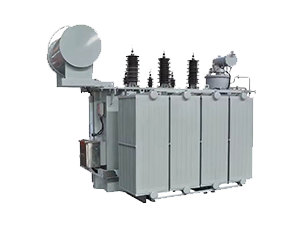
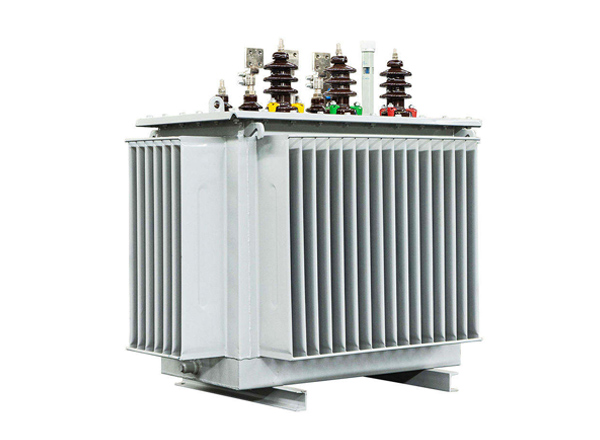
For oil-immersed transformers, the exclusive gas relay and pressure release device are the core protective components: the gas relay can accurately capture the gas generated by the internal arc and oil decomposition, and issue an alarm or trip command in time; the pressure release device can release the pressure when the internal pressure exceeds the standard to avoid the explosion of the box.
If the protection device is working normally, the fault can be isolated within a few milliseconds, causing only the transformer to shut down and no serious damage will occur; however, if the protection fails, the tuning parameters are abnormal, or the intensity of the fault is extremely strong, the protection system will not be able to curb the spread of the fault.
Cumulative temperature and pressure damage
When the fault continues, the ultra-high current will produce a high temperature of more than a thousand degrees in the winding, causing the insulating oil to decompose and produce combustible gas.The accumulation of gas and the superposition of thermal expansion will form huge pressure on the transformer box, casing and internal structure.
At the same time, the electromagnetic force generated by the fault current will pull and deform the winding structure, further exacerbating insulation damage and short circuit of the line, forming a vicious circle of “high temperature-failure-higher temperature”.
Shutdown or explosion failure
Transformer failure will eventually lead to two results.The first is a benign result: the protection device is successfully operated, and the transformer is safely off the grid and shut down. Only troubleshooting and resetting the equipment are required, and there is no permanent damage.
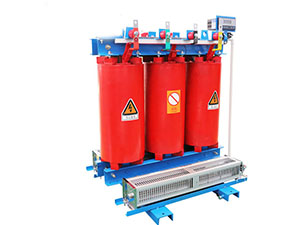
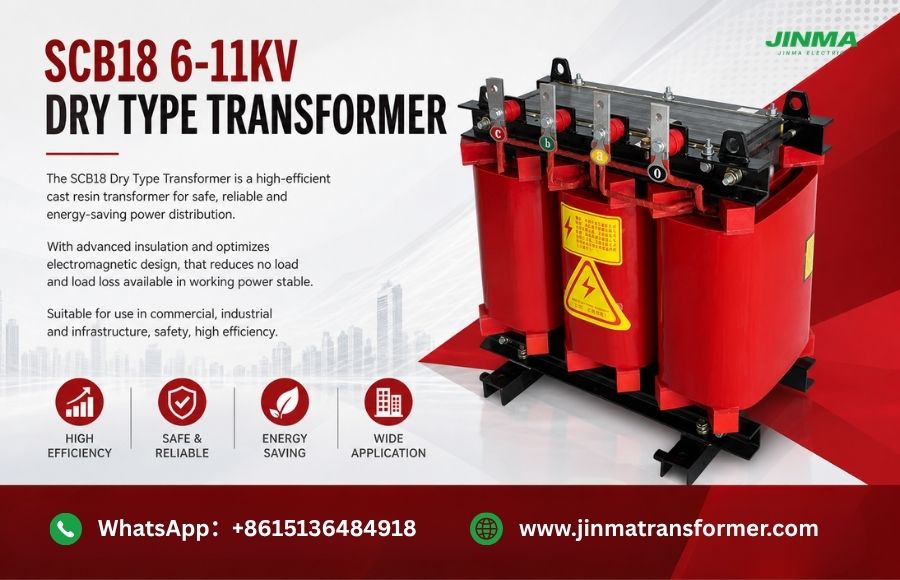
Vicious failures can cause insulation breakdown, winding burning, box damage, oil leakage, smoke and even explosion.Dry-type transformers have no fuel, and will only carbonize and smoke, damaging the shell, and the risk is low; oil-immersed transformers are prone to fire and oil leakage, and secondary hazards are greater.
What Causes a Transformer to Blow
The sudden explosion of the transformer is not accidental, more than 90% of the failures are due to the accumulation of long-term hidden hidden dangers.Mastering the core causes is the key to doing a good job in transformer operation and maintenance protection.
Long-term overload operation
The long-term operation of the transformer over the fixed capacity will cause the winding to continue to produce excess heat loss, cause continuous thermal stress, and accelerate the aging and failure of the insulation material.Industry general guidelines: Every time the operating temperature of the transformer exceeds the design temperature by 6-8℃, the remaining service life of the insulation will be halved.Long-term slight overload seems to be no abnormality, but in fact it will continue to overdraw the life of the equipment, eventually inducing a short circuit and cracking failure.
Internal and external short circuit failure
The short circuit between the turns and layers of the internal winding will form a local circulation, produce high temperature hot spots, and gradually penetrate the insulation; the short circuit between the external lines and the ground fault will force the transformer to output a large current, exceeding the carrying limit of the equipment, and ultimately cause the overall failure. Failure.
Insulation system failure
Insulating paper, insulating paint, epoxy resin, and insulating oil are the core insulating barriers of transformers.During the long-term operation of the equipment, multiple factors such as aging and moisture, water vapor intrusion, hot and cold circulation, electrical shock, and mechanical vibration will continue to reduce the voltage resistance of the insulating medium, which will eventually lead to insulation breakdown and flashover discharge, triggering major failures.
Poor heat dissipation
Problems such as clogged radiator, faulty cooling fan/oil pump, poor ventilation, and high ambient temperature can cause the transformer cooling system to be paralyzed. Even under rated load, windings and oil temperature will exceed the standard. High temperature accelerates the deterioration of the oil and the aging of the insulation, forming a hidden danger of irreversible failure.
Lightning strikes and voltage surges
Outdoor transformers are extremely vulnerable to lightning strikes, and at the same time, transient overvoltage generated by the switching operation of the power grid will form steep high-voltage surges.If there is a lack of qualified lightning arrester and the grounding system fails, the ultra-high voltage will directly penetrate the internal insulation of the transformer, instantly inducing a short circuit explosion.
Oil and cooling failure
The oil level of the oil-immersed transformer is too low, which will cause the windings to be exposed, and the insulation and heat dissipation protection will be lost; after the oil is dampened, polluted, and oxidized, the insulation strength and heat dissipation efficiency will be greatly reduced; the failure of the cooling fan, oil pump, and radiator will directly lead to the failure of the cooling system, which will quickly cause the equipment to overheat and fail.
Construction and operation and maintenance defects
Factory assembly defects, on-site wiring errors, loose terminals, equipment debugging is not in place, and lack of daily preventive maintenance will all form hidden faults.Such hidden dangers will not erupt immediately, but will gradually amplify under the action of long-term operating stress, which will eventually lead to sudden explosion and failure of the transformer.
What Are the Warning Signs Before a Transformer
Before all transformers fail significantly, clear early warning signals will appear, which is also the core basis for operation and maintenance personnel to investigate hidden dangers.Being familiar with the symptoms of transformer failure can effectively avoid unplanned downtime and safety accidents. The following are all the key early warning signs.:
- l Abnormal abnormal vibration: The sound of the transformer is stable and low during normal operation. If there is crackling, sharp abnormal noise or irregular vibration, it is mostly a sign of failure such as partial discharge of the equipment, loose windings, and poor contact with components.
- l Abnormal temperature increase: After excluding external factors such as overload and environmental high temperature, the transformer oil temperature and winding temperature continue to exceed the limit, and the temperature control system frequently alarms, which is a hidden danger of failure caused by abnormalities inside the equipment.
- l Burnt smell and smoke: The smell of burnt insulation around the equipment, or the phenomenon of smoke in the fuselage and air vents, is a typical early warning symptom of high-temperature carbonization and overheating damage to the internal insulation materials.
- l Deterioration of oil leakage and oil quality: Oil seepage and oil leakage defects occur in the transformer box and casing, and the insulating oil turns black and turbid, and the precipitation of impurities increases, which marks a significant attenuation of the insulating oil’s insulation and heat dissipation properties, which cannot meet the operating requirements of the equipment.
- l Fluctuations in electrical parameters: The operating voltage and current of the equipment are unstable, the neutral current is too large, and the load parameters fluctuate abnormally. It is the core identification signal of hidden faults inside the transformer.
- l Protection from frequent tripping: Under the premise of no external short circuit, overload and other incentives, frequent protective tripping of fuses and circuit breakers indicates that there is a latent fault inside the equipment, and sudden failure may occur at any time.
- l Abnormal gas accumulation: The oil-immersed transformer gas relay frequently produces gas and triggers an alarm, indicating that there is arc discharge and overheating inside the equipment, which causes the insulating oil to decompose at high temperature and produce gas.
- l Attenuation of insulation performance: The insulation resistance of the equipment continues to decline and the dielectric loss value increases, indicating that the overall insulation system is aging and damaged, the withstand voltage protection ability is significantly reduced, and the risk of insulation failure is extremely high.
- l Abnormal partial discharge: Abnormal electrical noise occurs during the operation of the equipment, and obvious partial discharge signals can be captured by ultrasonic detection, which is the early core early warning feature of high-voltage side faults and insulation defects.
What Happens to the Electrical System After a Transformer Fails?
Direct interruption of power supply
After the transformer fails, the protection device will immediately isolate the fault loop, and all the loads covered by the transformer will be powered off instantly.There will be global power outages on single-radiation power supply lines, and although the dual-transformer redundant power supply system can switch loads, there will still be short-term power outages.
Unstable grid voltage
After the faulty transformer is disconnected from the grid, the remaining power supply lines are prone to abnormal operating conditions such as low voltage and transient fluctuations, resulting in frequent tripping and shutdown of power-sensitive devices such as frequency converters, PLCs and precision automatic control equipment, and even program disorders and equipment abnormalities.
Equipment downtime and loss of production capacity
Transformer failure will directly cause industrial motor outages, automated production lines to shut down, causing process stagnation, production data loss and other problems; at the same time, repeated voltage shocks will consume back-end electrical equipment, greatly increasing equipment maintenance costs, resulting in serious production capacity losses.
Fire and safety risks
The safety hazards of oil-immersed transformers are the most prominent. The insulating oil leaking from the damaged box is highly flammable and can easily spread and cause large-scale fires. Leaking oil pollution will also pollute the site and soil, resulting in high environmental governance, compliance rectification and operation and maintenance costs.
What Should You Do When a Transformer Blows?
Sudden transformer failure and explosion, standardized disposal can minimize the risk of personnel injury, equipment loss and accident expansion, which is specifically divided into five steps:
- Personnel evacuate urgently and delineate a safe area: Regardless of whether the faulty transformer stops abnormal noise or smoke, it is in a dangerous state of live electricity by default, and it is strictly forbidden for personnel to approach or touch it.Immediately evacuate the surrounding staff and block the operating area to prevent electric shock, explosion, and fire from wounding people.
- Professionals isolate the power supply: the licensed electrician disconnects the upstream and downstream power supplies of the transformer in accordance with the on-site emergency power-off process and listing and locking specifications to completely eliminate the risk of reverse power transmission, and confirm that the equipment is completely powered off before proceeding with follow-up operations.
- Investigate the cause of the failure and verify the equipment data: retrieve the operation records of the protection device, alarm logs, temperature and pressure monitoring data, and check the status of circuit breakers and fuses.After the equipment is safely powered off, electrical inspections such as insulation resistance, variable ratio, and winding resistance are carried out to accurately locate the type of fault and the range of damage.
- Determine the repair or replacement plan: for damage to external accessories such as sleeves, terminals, cooling fans, oil pumps, etc., it can be directly repaired and replaced; if there is severe internal failure such as winding ablation, iron core damage, and large-area insulation breakdown, the overall replacement equipment is preferred.
- Safety acceptance and restoration of power supply: For repaired or replaced transformers, a full set of electrical testing, wiring verification, grounding testing, and protection parameter setting must be completed, and the insulation performance, load conditions, and equipment status can be confirmed before the power transmission operation can be restarted.
Can a Transformer Be Repaired After It Blows?
Not all transformers need to be replaced after failure, and whether they can be repaired mainly depends on the damage site and the severity of the failure.
Minor malfunction
Only external problems such as damaged casing, loose terminal oxidation, aging of sealing gaskets, oil leakage, cooling fan/oil pump failure, and damage to external protection devices occur. There is no need to disassemble the core structure, the maintenance cost is low, and the performance of the equipment is stable after repair.
Severe failure
In the event of faults such as winding burning and short circuit, core deformation and damage, large-area breakdown of the overall insulation system, and severe ablation of the internal arc, maintenance is extremely difficult and costly, and the stability of the equipment after repair cannot be guaranteed, so it is directly replaced as the best solution.
Repair and replacement judgment elements
To determine the repair or replacement of transformers, a number of core factors need to be integrated, including the voltage level of the equipment, the degree of internal damage, the service life of the equipment, the difference between the cost of maintenance and replacement, the supply cycle of accessories, the cost of downtime and production capacity loss, etc., combined with the actual working conditions, comprehensive research and judgment, to eliminate blind maintenance or replacement.
How to Prevent Transformer Failures
- l Eliminate long-term overload operation: select equipment based on current load and future capacity expansion needs to avoid long-term full load and overload operation of transformers, and match reasonable equipment capacity through load calculation and thermal modeling to avoid thermal stress aging problems.
- l Ensure the normal operation of the cooling system: regularly check the cooling fan, circulating oil pump, and radiator ventilation channels, clean up dust and blockage, monitor the oil temperature and winding temperature in real time, and find abnormal temperature trends to investigate hidden dangers in time.
- l Normalization monitoring of transformer oil status: Oil-immersed transformers regularly check the oil level and oil color, detect the insulation strength, moisture, and acidity of the oil, and carry out dissolved gas analysis (DGA) to capture the hidden dangers of internal arc, overheating, and aging in advance.
- l Regularly check the status of the wiring and casing: detect the temperature of the terminals and terminal blocks through infrared temperature measurement, investigate loosening, oxidation, and corrosion problems, and replace cracked and creepage casing in time to prevent local overheating failures caused by poor contact.
- l Well-equipped protection system: equipped with reasonable overcurrent, differential, ground fault, and surge protection devices, temperature and pressure monitoring and alarm equipment are installed, and oil-immersed transformers are equipped with gas relays and pressure release devices as standard to achieve early warning of faults and rapid cut-off.
- l Implement preventive testing and testing: regularly carry out insulation resistance testing, variable ratio testing, winding resistance testing, dielectric loss testing, infrared thermal imaging testing, compare historical data, predict equipment aging trends in advance, and realize early management of hidden dangers.
Conclusion
The explosion of the transformer is not a sudden accident, but is caused by the long-term accumulation of hidden dangers such as insulation aging, overload and heat generation, voltage shock, and operation and maintenance omissions.The complete process of failure from triggering, temperature and pressure accumulation to failure outbreak, abnormal noise, high temperature, oil leakage, frequent tripping and other abnormalities are all pre-warning signals for equipment failure.
For power operation and maintenance and industrial enterprises, compared with the high maintenance, replacement of equipment and downtime losses after failure, normalized preventive maintenance, accurate investigation of hidden dangers and perfect protection configuration are the key to ensuring the stable operation of transformers.Timely identification of signs of equipment failure and early intervention can effectively avoid major accidents and ensure the safe and stable power supply of the power grid.