

In electronic equipment, power distribution, industrial production and other scenarios, the transformer as the core component of energy conversion, its performance directly determines the stability of the equipment, energy efficiency and experience. But many engineers, buyers in the selection of models will be in confusion: toroidal transformer and standard transformer in the end how to choose?
Equipment running noise, bulky, EMI interference, serious, energy efficiency does not meet the standard – these common pain points, in fact, are closely related to the choice of transformer type. This article will be from the definition, structure, performance, advantages, application scenarios and other dimensions, comprehensively dismantle the toroidal transformer vs standard transformer core differences, combined with practical selection methods to help you accurately match the needs and avoid selection errors.
What is a toroidal transformer
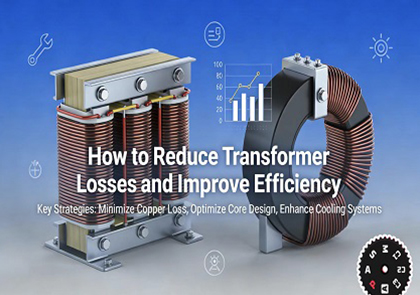
Toroidal transformer is a toroidal iron core as the core of the transformer type, different from the traditional standard transformer stacked iron core, the core advantage lies in the magnetic circuit design of the scientific, mainly used as a power transformer and isolation transformer, to match the high-end, sensitive scene needs.
Its working principle is consistent with all transformers, which are based on electromagnetic induction (Faraday’s law): after the primary winding is energized with alternating current (AC), a changing magnetic field will be generated in the core, which in turn induces a voltage in the secondary winding, realizing the conversion and transmission of energy. Unlike standard transformers, toroidal transformers have a closed-loop magnetic circuit without any air gap, which locks the magnetic flux firmly inside the core, which is the core reason for its low loss and low EMI, and at the same time, its no-load current is only 10% of that of stacked transformers, which is a significant advantage in energy efficiency.
What is a standard transformer
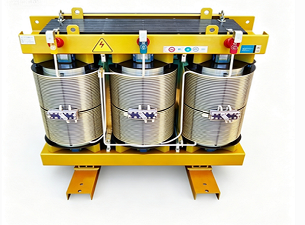
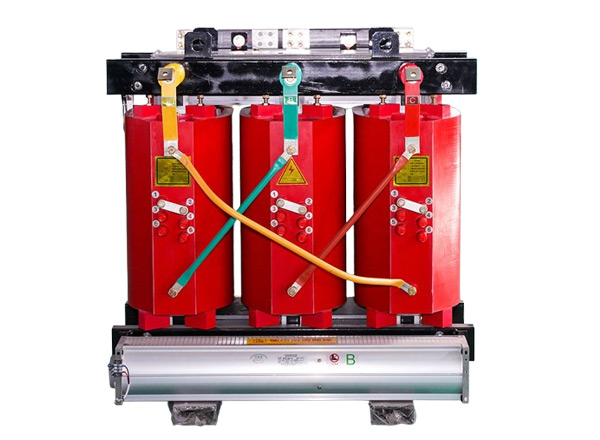
Standard transformer, also known as conventional transformer, laminated transformer, is currently the most widely used type of transformer, the core feature is the use of E-I, E-E or U-I type laminated iron core, manufacturing process is simple, low cost, suitable for all kinds of general scenarios, the difficulty of mass production is low.
The working principle is also based on electromagnetic induction: after the primary winding is energized with alternating current (AC), the core generates a changing magnetic flux, and the secondary winding induces a corresponding voltage, realizing voltage conversion. The core of the laminated iron core is to guide the magnetic flux, reduce eddy currents and hysteresis losses, but due to the corners of the core and a small air gap, the magnetic flux will be partially leaked, which in turn generates a certain amount of noise and EMI interference.
The core label of standard transformer is “low cost, easy mass production, high power adaptation”, no need to pursue the ultimate performance, focus on cost-effective and versatile scenarios, choose the standard transformer is often a more pragmatic choice.
Toroidal transformer vs standard transformer: core differences
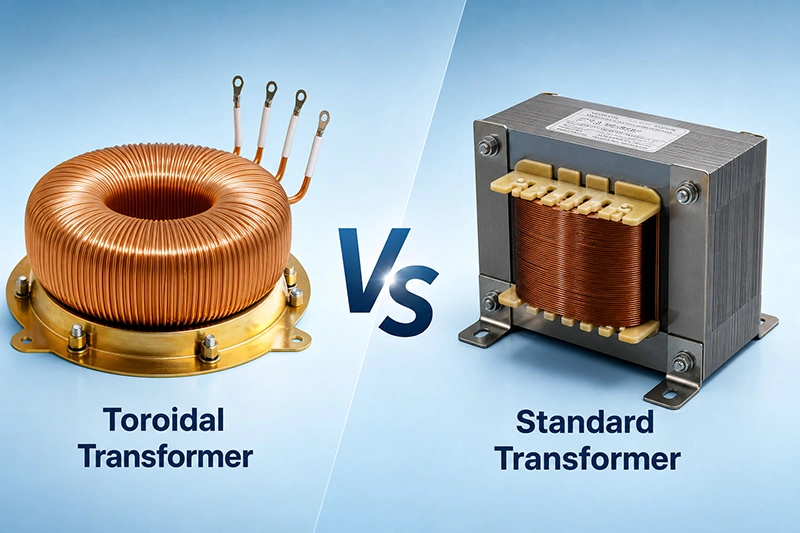
Core performance parameters comparison
In order to let you quickly grasp the differences between the two transformers, the following table, from the 10 core dimensions of a comprehensive comparison, focusing on marking the key differences, to facilitate the selection of direct reference:
| Performance Dimensions | Toroidal Transformer | Standard (E-I) Transformers |
| Magnetic Leakage | Very low (magnetic flux completely locked inside the core) | High (leakage prone at core corners and air gaps) |
| Energy Efficiency Levels | Higher (usually 90~96%, high-end products can reach 95~98%) | Good (usually 85~94%, affected by laminated seams) |
| Dimension and weight | More compact and lightweight (40~60% smaller and 50% lighter for the same power) | Relatively bulky (large, heavy, takes up more space) |
| Operating Noise | Extremely low (almost no humming sound, low vibration) | More noticeable (50/60Hz humming sound, more prominent when loaded) |
| Electromagnetic Interference (EMI) | Extremely low (weak external magnetic field, no need for additional shielding) | High (strong stray magnetic fields, additional shielding required for sensitive scenes) |
| Voltage Regulation | Excellent (stable output voltage, low load variation) | Good (meets the needs of regular scenarios) |
| Production Costs | High (high material cost, complex winding process) | Low (common materials, automated mass production) |
| Manufacturability | Complicated (winding requires manual or specialized equipment, mass production is difficult) | Simpler (automated production, mature process) |
| Power Range | Low to medium power (optimal fit ≤ 10~15kVA, high-end can be higher but the cost soars) | Full power coverage (good at high power scenarios from tens of kVA to hundreds of kVA and above) |
| No-load loss | Extremely low (small standby energy consumption, good energy saving) | Higher (relatively obvious energy waste during standby) |
Key differences in depth analysis
The above table clearly presents the differences in the parameters of the two transformers, the following for the most concerned about a few dimensions, in-depth analysis, to help you read the impact of the differences behind, to avoid selection errors.
Difference in energy efficiency
Toroidal transformer without air gap closed loop core design, can minimize hysteresis loss and eddy current loss, core loss as low as 1.1W/kg, energy transfer efficiency is outstanding. Its energy efficiency is usually up to 95% or more, high-end products can even reach 98%, energy saving advantages.
Standard transformer due to the existence of a small air gap in the laminated seams, magnetic flux leakage, eddy current loss is relatively large. Its energy efficiency is usually between 85~94%, affected by the core structure, long-term operation of the energy consumption difference is more obvious.
Comparison of the two, toroidal transformer energy-saving advantages, especially suitable for strict control of energy consumption of high-end scenes, long-term operation can significantly reduce the cost of electricity.
Size and weight differences
Toroidal transformer using continuous winding core design, material utilization rate is very high, the same power volume than the standard transformer 40 ~ 60% smaller, 50% lighter, more compact. Its lightweight characteristics make it suitable for space-constrained scenarios, such as portable electronic equipment, aerospace equipment, etc., and the core size can be flexibly adjusted to fit the shape design requirements of different equipment.
Standard transformers are bulky and heavy due to the laminated core and frame structure, and are more suitable for industrial plants and substations with ample space, and are relatively less flexible in terms of installation.
Noise and EMI differences
Toroidal transformer core without air gap, winding uniform winding, magnetostrictive vibration is very small, almost no humming sound when running, excellent noise control. At the same time its external electromagnetic radiation is very low, only 1/10 of the standard transformer, without additional shielding, can be directly adapted to medical, precision instruments and other sensitive scenes.
Standard transformers, due to the core air gap and laminated structure, will produce obvious humming sound during operation, and the stray magnetic field is strong, so sensitive scenes need to add additional shielding measures.
Cost and mass production differences
The biggest advantage of standard transformer is low cost, easy to mass production, stacked iron core can be automated processing, high production efficiency, suitable for large-scale bulk purchase, outstanding cost performance. Toroidal transformer material cost is high, the winding process is complex, more manual operation, mass production is difficult, the price is usually higher than the standard transformer 30 ~ 100%.
Economic toroidal transformer can ensure the basic performance under the premise of appropriate cost control, suitable for the performance requirements, limited budget of the high-end scene.
Power adaptation differences
Standard transformer structure is more suitable for high power scenarios, can easily meet tens of kVA to hundreds of kVA or even higher power requirements, in industrial power distribution, heavy equipment, cost-effective outstanding. Toroidal transformer is better at low power scenarios, the optimal fit ≤ 10 ~ 15kVA, too high a power will lead to soaring costs and reduced practicality.
The power range of toroidal transformer covers 6VA~1500VA, which can allow short-time overloading, while the standard transformer is more advantageous in high power scenarios, operational stability and cost-effective.
Core advantages of toroidal transformer
The reason why toroidal transformers can become the preferred choice for high-end scenarios, the core lies in its many irreplaceable advantages that fit the needs of high-end equipment, as follows:
- high energy efficiency, energy saving: energy efficiency of 95 ~ 98%, no air gap core design significantly reduces hysteresis and eddy current losses, low no-load loss, standby energy consumption of only 10% of the standard transformer, long-term operation can significantly reduce electricity costs, while reducing equipment heating, prolonging the service life.
- Compact and lightweight, convenient installation: 40~60% smaller in size and 50% lighter in weight under the same power, suitable for space-constrained scenarios; only one center bolt is required for fixing, and some small products can be PCB mounted for high assembly efficiency.
- low EMI+low noise, suitable for sensitive scenes: magnetic flux locked inside the core, external electromagnetic radiation is only 1/10 of the standard transformer, no need for additional shielding; no significant noise, minimal vibration, suitable for sensitive scenes such as medical, precision instruments.
- stable voltage, reliable operation: low leakage inductance, tight magnetic coupling, strong output voltage stability, load changes on the voltage impact is small, can effectively protect the downstream electronic components, suitable for high voltage accuracy requirements of precision equipment.
- High safety, good insulation: primary and secondary B-level insulation design, can withstand 4000V withstand voltage test; medical products in line with special safety standards, equipped with thermal protection, insulation and safety performance far beyond the conventional requirements.
- beautiful appearance, suitable for high-end design: donut-shaped symmetrical structure, simple atmosphere, can be integrated into high-end equipment design, enhance the overall quality of the equipment, better than the appearance of the standard transformer performance.
The core advantage of standard transformer
Although toroidal transformer performance is excellent, but the standard transformer is still the mainstream of the market, the core lies in its cost-effective and practical to meet the needs of the public, especially suitable for general-purpose scenarios, high-power scenarios and projects with limited budget, the specific advantages are as follows:
- low cost, outstanding price-performance ratio: low material cost, using ordinary silicon steel sheet laminated core, can be automated production, procurement price is much lower than toroidal transformer, suitable for bulk purchasing, limited budget general-purpose scenarios, can meet the basic needs of the same time to control the cost.
- easy mass production, short delivery cycle: mature production process, each link can be automated, high production efficiency, can realize large-scale mass production, short delivery cycle, suitable for batch projects with requirements on delivery time.
- High-power adaptability and practicality: the structure is adapted to high-power scenarios, which can easily meet the needs of tens of kVA to hundreds of kVA and above, and the high-power scenarios are characterized by outstanding cost performance, long-term market-validated operational stability, and adapted to complex industrial environments.
- Flexible customization, wide adaptability: flexible winding design, can achieve multiple secondary windings, voltage taps and other customized needs, can increase the shielding, adjust the core stacking, low customization difficulty, low cost, suitable for diversified equipment needs.
- Low excitation inrush current, good protection: low excitation inrush current during startup reduces the impact on the upstream equipment, reduces the risk of damage, simplifies the system design, improves the stability of the circuit system, and adapts to the scenarios of large-scale power distribution.
- Easy maintenance, high reliability: mature technology, clear failure mode, simple maintenance, easy access to spare parts, sturdy structure, adaptable to harsh industrial environments, stable long-term operation, low maintenance costs.
- excellent heat dissipation, suitable for high load: rectangular laminated structure for heat dissipation, can expand the heat dissipation area, increase the air duct, high power and high load operation when the heat dissipation effect is good, can avoid overheating damage, prolong service life.
The core application scenario of toroidal transformer
The core advantage of toroidal transformer is low EMI, low noise, high energy efficiency, compact and lightweight, so it is mainly adapted to high-end scenes and sensitive scenes with high requirements on performance, stability and experience, as follows:
High-end audio and video equipment
This is one of the most common application scenarios for toroidal transformers, such as Hi-fi amplifiers, preamplifiers, DACs (digital-to-analog converters), phono preamplifiers, headphone amplifiers, as well as professional recording studio equipment, broadcasting equipment, and high-end home theater systems. Low noise and low EMI can effectively avoid interference with audio signals, ensure pure sound quality and enhance the listening experience. Toroidal transformers with a power range of 6VA~1000VA can be adapted to this type of equipment.
Medical and healthcare equipment
Medical equipment on the safety, stability and anti-interference requirements are extremely high, toroidal transformers of low EMI, low leakage, high insulation performance, can be perfectly adapted to such scenarios, such as medical imaging equipment (MRI, CT scanner auxiliary power supply), patient monitoring systems, surgical equipment, dental equipment and so on. Medical toroidal transformers are required to meet stringent standards such as UL544 and UL60601 to ensure patient safety and equipment compliance.
Industrial and Control Systems
Toroidal transformers are especially advantageous in industrial scenarios that require high precision and stability, such as programmable logic controllers (PLCs), industrial power supplies, motor drives, robotics and automation equipment, and test and measurement instruments. Their low EMI prevents interference with industrial control signals, their high voltage regulation ensures stable operation, and their compact design fits into the tight installation space of industrial equipment.
Renewable Energy System
With the development of new energy industry, toroidal transformer’s high energy efficiency and compactness become its core advantage, widely used in solar inverters, micro inverters, wind generator power electronic equipment, battery energy storage system (BESS), as well as electric vehicles (EV) on-board chargers and stationary charging piles, etc., which can improve the conversion efficiency of new energy, and adapt to the demand for lightweight equipment.
Aerospace and Marine Electronics
These scenarios have extremely high requirements on the weight, volume and reliability of equipment, and toroidal transformers, with their compactness, light weight and high reliability, can be perfectly adapted to aerospace electronic equipment, ship and submarine electrical systems, satellite and communication equipment, radar and navigation systems, and are suitable for high-altitude, oceanic and other complex working conditions.
Other High-end Scenarios
In addition to the above scenarios, toroidal transformers are also widely used in high-quality linear power supplies, UPS (uninterruptible power supply) systems, servers and sensitive equipment in data centers, laboratory power supplies, as well as professional stage lighting, high-end LED drivers, security monitoring systems, and other types of high-end scenarios with high performance requirements.
Core application scenarios of standard transformers
The core advantages of standard transformers are low cost, easy mass production, high power adaptability, so they are mainly adapted to general-purpose scenarios, high-power scenarios and projects with limited budgets, as follows:
Power distribution and grid system
This is the most core application scenario for standard transformers, such as pole-mounted distribution transformers, substation transformers, grid step-up and step-down transformers, and power supply transformers for residential and commercial buildings. Standard transformers can easily adapt to high power demands ranging from tens of kVA to hundreds of MVA, and are a core component for the stable operation of power systems.
Consumer Electronics and Home Appliances
Common consumer electronics and home appliances do not require high transformer performance, and pay more attention to cost-effective, standard transformers can be perfectly adapted to such scenarios, such as wall adapters, mobile phone/laptop chargers, TV sets, home refrigerators, washing machines and other home appliances, as well as LED drivers and lighting ballasts, etc., which can effectively control the production cost.
Industrial equipment and machinery
In industrial scenarios, high power, high reliability and low cost are the core requirements, and standard transformers are widely used in motor control centers, variable frequency drives (VFDs), industrial automation equipment, welding machines, CNC machine tools and so on. Its high power adaptability meets the needs of industrial machinery, rugged construction adapts to harsh industrial environments, and easy maintenance reduces post-costs.
UPS power supply and backup system
The high power adaptability and reliability of the standard transformer has obvious advantages in scenarios requiring stable backup power, such as commercial and industrial UPS equipment, data center power backup systems, emergency lighting systems, etc., which can guarantee the backup power supply to start up normally in unexpected situations, and protect the safety of equipment and data.
Automotive and Transportation
Standard transformers are widely used in the field of transportation, such as electric vehicle ground chargers, on-board power converters, railroad signals and traction auxiliary systems, electrical systems of trucks and buses, etc. They can meet the demand for high power in transportation equipment, and adapt to the complex environment of vehicle driving.
General Purpose Power Supplies and Other Scenarios
Standard transformers are also used in various general-purpose scenarios such as general-purpose linear and switch-mode power supplies, laboratory benchtop power supplies (budget to mid-range), security and surveillance power supplies, street and outdoor lighting systems, elevators, HVAC systems, and other types of general-purpose scenarios, making them the most widely used type of transformers on the market.
How to choose a toroidal transformer versus a standard transformer?
The core of selection is not “choose the best”, but “choose the most suitable”. Combined with the previous differences, advantages and application scenarios, here to provide you with a set of simple and easy to understand, can be directly on the ground selection method.
Priority selection of toroidal transformers:
① the pursuit of high-end performance, EMI, noise, energy efficiency, strict requirements; ② equipment installation space is limited (such as portable equipment, aerospace equipment); ③ applied to sensitive scenes (audio, medical, laboratory precision instruments); ④ low to medium power requirements (≤ 10 ~ 15kVA), and budget; ⑤ focus on the appearance of the equipment design and long-term energy-saving benefits.
Priority selection of standard transformers:
① limited budget, the pursuit of cost-effective; ② high power demand (>10~15kVA), such as industrial machinery, power distribution; ③ the need for customized windings, multiple output voltages or voltage taps; ④ general-purpose scenarios, mass production, there is no extreme performance requirements; ⑤ sufficient space for installation of the equipment, there is no strict limitations on noise, EMI.
Compromise solution: Medium power scenario (5~15kVA), if the budget is moderate, there is a certain requirement for noise and EMI, but no need for extreme performance, you can choose shielded standard transformer or economic toroidal transformer to balance performance and cost.
Frequently Asked Questions
Q1: How much more expensive is a toroidal transformer than a standard transformer?
A1:Usually, the same power toroidal transformer is 30~100% more expensive than the standard transformer, the specific difference depends on the power, materials and technology – the difference between low and medium power (≤5kVA) is relatively small (30~50%), and the difference between high power (>10kVA) is larger (50~100%). Economic toroidal transformer can reduce the difference in price, suitable for cost requirements of the high-end scenes.
Q2:High power scenarios (such as more than 20kVA) can be used toroidal transformer?
A2: Yes, but not recommended. Although the toroidal transformer can do high power, but the cost will soar, and manufacturing difficulties, long delivery cycle, cost-effective far lower than the standard transformer; high power scenarios prioritize the standard transformer, not only to meet the demand, but also to control the cost and delivery cycle.
Q3:How to reduce the standard transformer EMI and noise?
A3:Three measures can be taken: ① Increase shielding to reduce electromagnetic leakage; ② Optimize the installation location to keep away from sensitive circuits; ③ Select high-quality laminated core and winding materials to reduce hysteresis loss and vibration, thus reducing noise. However, these measures will increase the cost, if the EMI and noise requirements are higher, rather than directly choose a toroidal transformer is more efficient.
Q4:Does the service life of the two transformers differ?
A4:Normal use, the two service life is similar (usually 8 ~ 15 years), but the use of the scene will affect the life: toroidal transformer running temperature is low, low loss, in the low power, normal load, life may be longer; standard transformer in high power, high load, with good heat dissipation, life is more secure. The life of both is closely related to the use of the environment, load conditions and the level of maintenance.
Q5:Which transformer is easier to realize the customized demand?
A5:Standard transformers are easier to achieve customization, whether it is multi-secondary winding, voltage tap, custom turns ratio, or increase electrostatic shielding, can be achieved through automated production, customization of low difficulty, low cost, short cycle time; toroidal transformer customization needs to be processed manually or by special equipment, difficult, costly, long cycle time, is only suitable for small batch, high demand for customization scenarios.
Q6:How to choose different types of toroidal transformers?
A6:Standard toroidal transformer is suitable for high performance requirements, allowing short-time overloading scenarios, capacity 8 ~ 1500VA, low temperature rise, voltage adjustment rate is small; economic type is suitable for continuous operation, not overloading scenarios, capacity 50 ~ 1500VA, cost-effective; isolation type is suitable for high insulation requirements scenarios, capacity 50 ~ 1000VA, of which medical isolation type needs to comply with the special safety standard The isolated type for medical use needs to comply with special safety standards to ensure the safety of use.
Summarize
Selection of the key is, clear their core needs, not blindly pursue high-end, not simply the pursuit of low-cost, combined with power, space, noise, EMI, budget and other factors, compared with this article and selection methods, you can quickly lock the most appropriate type of transformer, not only to protect the stable operation of the equipment, but also to control the cost and maintenance of the trouble in the later stages.
If you still have selection confusion, or need to customize the transformer solution, get accurate quotes, you can contact us at any time. We have a professional technical team that has been working in the field of transformers for many years, and we can match you with the optimal product solutions according to your specific scenarios and needs.