

Throughout the entire oil and gas industry chain—from exploration to storage, transportation, refining, and petrochemicals—the power system is the lifeline that ensures continuous production, stable equipment operation, and personnel safety. Unlike typical industrial settings, oil and gas operations often take place under high-risk and harsh conditions. Complex environments—such as salt fog corrosion at sea, sand and dust erosion on land, and the accumulation of flammable substances within plant premises—impose stringent requirements on the explosion-proof capabilities, reliability, and weather resistance of electrical equipment.
As the core control and protection equipment in power transmission and distribution systems, switchgear plays a vital role in power distribution, circuit isolation, fault disconnection, and equipment protection. It is a critical component for oil and gas facilities to prevent electrical accidents and reduce unplanned downtime. Most electrical hazards, equipment damage, and production downtime issues in oil and gas projects stem from improper switchgear selection, inadequate adaptation to operating conditions, or non-compliant operation and maintenance practices.
What Is Switchgear?
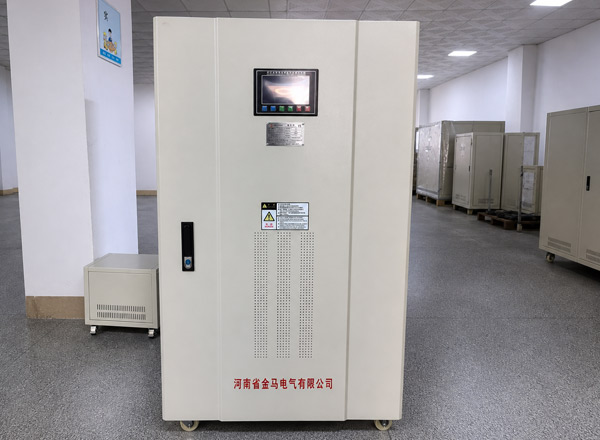
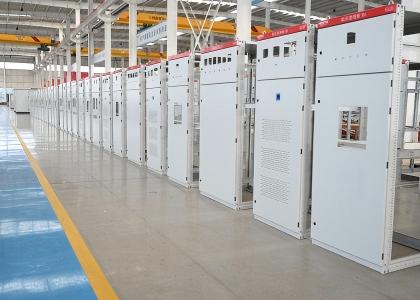
Switchgear is a complete set of electrical equipment that integrates circuit breakers, isolating switches, fuses, protective relays, and monitoring instruments. As a core hub for power transmission and distribution, it primarily handles centralized power control, electrical isolation, and fault protection, ensuring the stable operation of the power distribution system.
Unlike standard industrial switchgear, switchgear designed specifically for the oil and gas industry must meet higher standards. It not only handles basic power distribution but must also adapt to the site’s 24-hour continuous production mode and withstand complex operating conditions, including high-risk explosion-proof environments, extreme temperature fluctuations, and frequent equipment vibrations. Simply put, oil and gas-specific switchgear enables safe electrical isolation during equipment maintenance and rapidly cuts off power in the event of short circuits, overloads, or ground faults. This effectively eliminates the risk of explosions and fires caused by arcs and sparks, comprehensively ensuring the safety of power supply and operational stability at oil and gas facilities.
Oil and gas-specific switchgear features a precision-engineered structure and an excellent protection rating. It is divided into two core modules: power conduction components and a control and protection system. These two systems operate in tandem to provide integrated functions for power distribution control, real-time monitoring, and fault protection, making them suitable for high-risk industrial environments.
Why Is Switchgear Essential in the Oil & Gas Industry?
Challenges Posed by the Harsh Operating Conditions Unique to the Oil and Gas Industry
The operating environment in the oil and gas industry is currently one of the most complex, highest-risk, and most challenging scenarios in the industrial sector. Standard industrial switchgear cannot meet its operational requirements, which is the primary reason why the oil and gas industry must use specialized switchgear.
High risk of explosion.
Throughout the entire process of oil and gas exploration, storage, transportation, and refining, large quantities of flammable gases, vapors, and liquid media are generated, and operational areas are classified as Class 0, 1, or 2 hazardous zones. Even minute arcs, sparks, or high-temperature surfaces generated during the operation of standard electrical equipment can ignite flammable media, leading to major safety incidents such as explosions and fires.
Extremely Harsh Physical Environments.
Offshore platforms are constantly exposed to salt fog corrosion, high humidity, vibrations from strong sea winds, and extreme day-night temperature fluctuations; onshore oil and gas fields are often located in deserts, Gobi regions, and remote mountainous areas, where they are subjected year-round to sandstorms, intense heat, and freezing temperatures, which can easily lead to the aging of electrical equipment, insulation failure, and structural corrosion.
Remote locations and limited access
In the event of equipment failure, the costs of transporting spare parts, dispatching technical personnel, and performing equipment maintenance are extremely high. A single unplanned shutdown can result in production losses ranging from hundreds of thousands to tens of millions, placing extremely high demands on the equipment’s ability to operate continuously.
Furthermore, oil and gas production involves continuous industrial processes with a high concentration of high-power equipment—such as compressors, transfer pumps, and refining and petrochemical units—resulting in frequent load fluctuations and high fault currents. At the same time, the industry is subject to dual international and domestic safety and environmental regulations; electrical equipment must strictly comply with these standards to eliminate any safety and environmental hazards.
Core Value Added by Switchgear to the Oil and Gas Industry
Specialized oil and gas switchgear is precisely tailored to the industry’s unique operating conditions. It addresses industry pain points across four dimensions—safety, production capacity, assets, and operations and maintenance—and serves as the core safeguard for safe production at oil and gas facilities.
In terms of safety protection
specialized switchgear features ultra-fast fault disconnection capabilities, enabling rapid handling of various circuit faults—such as short circuits, overloads, and ground faults—and preventing the generation of electric arcs. At the same time, the explosion-proof, sealed cabinet structure completely isolates ignition sources, making it suitable for all types of high-risk hazardous areas. This eliminates the risk of explosions and fires at the source, ensuring the personal safety of workers.
In terms of production assurance
the switchgear supports fault-zone isolation. When a fault occurs in a specific circuit or area, the equipment can precisely isolate the faulty section, ensuring normal production operations in other areas of the facility. When paired with an emergency power transfer system, it minimizes the scope of downtime and avoids the massive losses caused by widespread production shutdowns.
In terms of asset protection
generators, large motors, refining and petrochemical equipment, and transmission pipelines at oil and gas facilities are all high-value core assets. Through precise current protection, switchgear prevents fault currents from damaging or burning out core equipment, thereby reducing equipment damage, repair, and replacement costs, and extending the overall service life of the equipment.
In terms of compliance and energy efficiency
modern smart switchgear enables refined power dispatch and intelligent load control, and is compatible with combined heat and power (CHP) and renewable energy integration scenarios. At the same time, real-time monitoring and traceability of equipment operation data help enterprises meet environmental protection and safety regulatory requirements while optimizing overall energy efficiency.
Types of Switchgear Used in Oil & Gas Facilities
Operating conditions in the oil and gas industry vary greatly; equipment requirements differ significantly between offshore and onshore operations, exploration and refining, and open areas versus densely populated plant sites. Currently, the industry’s mainstream switchgear is divided into six major categories, each with distinct parameters, advantages, and suitable applications; companies must select the appropriate model based on their actual operating conditions.
Medium-Voltage Switchgear (MV)
Medium-voltage switchgear covers voltage ratings ranging from 1 to 35 kV, with 6.6 kV, 11 kV, and 15 kV being the most commonly used standard ratings in the oil and gas industry. As the core power distribution equipment across the entire oil and gas industry chain, medium-voltage switchgear performs critical functions such as connecting the main power supply to field stations, distributing power to high-power equipment, and connecting generator sets to the grid.
This type of switchgear possesses exceptional fault-current breaking capacity, making it suitable for high-power, high-load, and high-fault-current operating conditions, and supports both frequent and intermittent switching operations. The equipment can be equipped with a complete set of intelligent protective relays to enable precise fault monitoring and protection. Medium-voltage switchgear is widely used in upstream oil and gas main substations, midstream booster station power distribution systems, and core power supply circuits of downstream refining and petrochemical facilities. It serves as the foundational equipment for ensuring the stable operation of high-power equipment at oil and gas sites and is perfectly suited to the high-voltage power distribution needs of high-risk areas.
Low-Voltage Switchgear (LV)
Low-voltage switchgear operates at voltage levels of ≤1 kV, with 400 V and 690 V being the industry’s mainstream specifications. It serves as the core control equipment for auxiliary equipment and small-to-medium-sized motors at oil and gas facilities. The equipment integrates a full suite of control components—including circuit breakers, contactors, soft starters, and overload relays—offering convenient operation and strong adaptability.
Compared to medium-voltage equipment, low-voltage switchgear supports high-frequency start-stop operations. Its modular design is simple and flexible, allowing for easy expansion and modification based on site requirements, and requiring minimal effort for subsequent operation and maintenance. Its primary application is in Motor Control Centers (MCCs), where it manages power distribution for auxiliary systems such as small and medium-sized motors, lighting, HVAC, instrumentation, and water treatment throughout the facility. In the oil and gas industry, low-voltage switchgear accounts for the largest volume and has the widest coverage; it serves as the foundational supporting equipment that ensures the stable operation of site auxiliary systems and supports the normal functioning of primary production equipment.
Gas-Insulated Switchgear (GIS)
Gas-insulated switchgear is a sealed high-voltage device that uses SF₆—an environmentally friendly alternative gas—as both an insulating and arc-quenching medium. It features a fully sealed, modular structure, with internal electrical components completely isolated from the external environment.
The greatest advantage of this equipment is its minimal footprint and high space utilization, occupying only about one-quarter of the space required by traditional air-insulated equipment. It also offers exceptional resistance to corrosion, moisture, and contamination, ensuring stable operation and long maintenance-free intervals, with virtually no impact from harsh external environments. GIS switchgear is the preferred choice for offshore platforms, FPSOs (Floating Production, Storage, and Offloading units), and space-constrained onshore refineries. In such scenarios, where space and load capacity are limited, conventional switchgear cannot be used. The only drawback is the higher initial procurement cost, along with the need for proper disposal of the insulating gas and strict environmental compliance.
Air-Insulated Switchgear (AIS)
Air-insulated switchgear uses natural air as the insulating medium and is currently the most widely used traditional switchgear type in the industrial sector. The equipment features an open or semi-enclosed cabinet structure, which is simple in design, manufactured using mature production processes, and has a low procurement cost. Subsequent repairs, maintenance, and replacement of components are extremely convenient.
However, this equipment has significant drawbacks: its insulation performance is highly susceptible to external environmental factors. Dust, smog, high humidity, and corrosive gases can all reduce the equipment’s insulation capacity, making it prone to faults such as creepage and short circuits. Additionally, the equipment occupies a large footprint and requires sufficient safety clearance to be maintained. It is primarily suited for onshore oil and gas substations, inland oil and gas fields, and storage terminals—where space is ample, the environment is dry, and pollution levels are low—making it a cost-effective power distribution solution for onshore applications with less demanding operating conditions.
Metal-Clad Switchgear
Metal-clad switchgear is a type of switchgear with enhanced protection. Inside the cabinet, grounded metal partitions completely separate modules such as busbars, circuit breakers, cables, and control circuits into independent compartments. This design offers excellent structural sealing, high safety, and effective fault isolation.
The equipment is equipped with a draw-out circuit breaker design, eliminating the need to shut down the entire system for maintenance or replacement, thereby significantly improving operational efficiency. At the same time, the metal-clad structure effectively contains the spread of internal arcs, preventing fault escalation and ensuring the safety of both equipment and operators. This type of equipment is widely used in low- and medium-voltage power distribution applications within the oil and gas industry. Whether on offshore platforms or onshore refineries, it is the mainstream choice for motor control centers and main power distribution systems, suitable for the vast majority of high-risk industrial environments.
Arc-Resistant Switchgear
Arc-resistant switchgear is specialized protective equipment developed for high-risk scenarios in the oil and gas industry. The cabinet is reinforced and thickened, and equipped with dedicated pressure relief channels to effectively contain internal arc faults. The equipment is classified into two protection levels—Type 1 and Type 2—providing comprehensive protection against the risk of arc flash explosions.
In hazardous areas where flammable media accumulate in the oil and gas industry, electrical arcs pose a core safety hazard. Arc-resistant switchgear directs the release of arc energy and high-temperature, high-pressure gases, preventing the ignition of external flammable media and eliminating the risk of explosions and fires. This equipment is generally not used alone but is often integrated with GIS, AIS, and metal-clad switchgear. It is deployed in critical locations such as core power distribution areas of refining and petrochemical facilities and high-risk process workshops, serving as a core component for safety upgrades at oil and gas sites.
Typical Applications of Switchgear in Oil & Gas Industry
The oil and gas industry features a clearly defined division of labor across its upstream, midstream, and downstream sectors. Operating conditions, loads, and environments vary significantly between upstream exploration and production, midstream storage and transportation, and downstream refining and petrochemicals. Consequently, the selection and application of switchgear differ in each sector, and only by precisely matching the specific requirements of each scenario can long-term, stable operation be ensured.
Upstream Exploration and Production Scenarios
Upstream scenarios include offshore drilling platforms, deep-sea FPSO units, onshore drilling sites, and oil and gas production blocks. Key characteristics of these environments include harsh conditions, limited space, challenging maintenance and operations, and 24/7 continuous equipment operation.
In these scenarios, switchgear is primarily used for power distribution to generator sets and for the control and protection of high-power equipment such as drilling motors, mud pumps, submersible pumps, and booster compressors. It also ensures uninterrupted power supply to emergency shutdown systems and critical instruments.
Equipment selection primarily consists of compact GIS (gas-insulated switchgear) and explosion-proof metal-clad switchgear, paired with low-voltage MCC (motor control center) control systems. These solutions are specifically tailored to withstand offshore conditions such as salt fog corrosion, high-frequency vibrations, and confined spaces; their highly reliable design reduces the frequency of maintenance and the risk of downtime in remote locations.
Midstream Storage and Transportation Scenarios
Midstream scenarios encompass long-distance oil and gas transmission pipelines, along-line booster pump stations, compressed gas stations, and oil and gas terminal storage tank areas. The core requirement is to ensure transmission continuity and prevent pipeline blockages and transmission interruptions caused by mid-transit shutdowns.
Switchgear primarily provides stable power distribution to pipeline compressors, transfer pumps, valve actuators, pipeline heat tracing systems, and metering and monitoring equipment. At the same time, a multi-power-source redundancy switching design ensures the normal operation of the entire transmission system in the event of a single power source failure.
In this scenario, weather-resistant AIS (Air-Insulated Switchgear) and arc-resistant low-voltage power distribution equipment are commonly selected. The equipment is designed to withstand wind and sand, high and low temperatures, and heavy rain, making it suitable for outdoor, unmanned operations.
Downstream Refining and Petrochemical Scenarios
Downstream scenarios include oil refineries, petrochemical complexes, natural gas processing plants, and LNG receiving terminals. Characterized by complex processes, dense equipment, the concentration of high-risk media, and 24-hour continuous production, these environments place the highest demands on switchgear in terms of safety, intelligence, and stability.
Switchgear comprehensively covers power distribution for all process equipment, including cracking units, distillation units, heaters, fans, and pump sets, while also interfacing with combined heat and power (CHP) systems to achieve efficient allocation and redundant backup of electrical power within the facility.
The industry’s mainstream selections are metal-clad medium-voltage switchgear and integrated low-voltage MCC systems, paired with intelligent monitoring, protection, and automation control systems. These systems enable precise fault localization and rapid circuit disconnection, minimizing downtime caused by faults and ensuring the continuous operation of refining and petrochemical units.
Plant-Wide Utility and Auxiliary Systems Scenario
Utility and auxiliary systems provide logistical support for oil and gas facilities, encompassing water treatment systems, cooling circulation systems, HVAC, plant lighting, instrument air systems, emergency UPS, diesel generators, and other supporting facilities.
The stability of the power supply in this scenario directly impacts the safe operation of the main production systems. In the event of a failure in the main power system, the auxiliary systems must continue to operate to ensure equipment cooling, safe pressure relief, and normal instrument monitoring, thereby preventing safety incidents.
The equipment primarily consists of low-voltage switchgear, supplemented by small-scale medium-voltage power distribution equipment and intelligent load monitoring modules, enabling precise control and management of the auxiliary power system and providing comprehensive support for safe and stable production across the entire facility.
Key Factors When Selecting Switchgear
The selection of switchgear directly determines the safety level, O&M costs, and production stability of oil and gas stations. By combining industry operating conditions, compliance standards, and practical experience, equipment can be precisely selected based on eight core dimensions, balancing safety, compatibility, and cost-effectiveness.
Strictly Match Electrical Parameters
Equipment must be selected based on the station’s system voltage, typical load current, and short-circuit fault level to ensure that the switchgear’s breaking capacity and rated parameters meet operational requirements. At the same time, reserve capacity for future expansion to accommodate site renovations and production capacity upgrades, while also accounting for the need for derated operation in high-temperature environments.
Adaptation to Explosion-Proof and Environmental Conditions
Select equipment with ATEX and IECEx explosion-proof certifications based on the site’s Class 0, 1, or 2 hazardous area classifications. For offshore sites, areas with high concentrations of hydrogen sulfide, or locations with severe dust and sand, specialized equipment with a high IP protection rating, stainless steel enclosures, and anti-corrosion coatings must be selected to withstand extreme temperatures, humidity, vibration, and corrosive environments.
Prioritize Safety Protection
In high-risk scenarios, Type 1 or Type 2 arc-resistant switchgear must be used, equipped with dual mechanical and electrical interlocks, remote operation, and door-closed operation functions to eliminate the risk of arc flash injuries during manual operations and comprehensively enhance the safety levels of both personnel and equipment.
Balancing Reliability and Operational Ease
Prioritize equipment with a high mean time between failures (MTBF) and low-maintenance design; vacuum arc-extinguishing and fully sealed equipment result in lower operational and maintenance costs. Additionally, select models that support busbar redundancy, quick assembly and disassembly, and online maintenance to address operational challenges in remote locations and minimize downtime losses.
Adapting to Site Installation Conditions
For offshore platforms, modular facilities, and densely packed refineries, prioritize compact GIS switchgear to save space and reduce load requirements; for onshore substations with ample space and favorable environmental conditions, cost-effective AIS switchgear can be selected to control project investment costs.
Meeting Industry Compliance and Certification Requirements
Equipment must comply with international standards such as IEC, IEEE, and NEMA, while also meeting industry-specific specifications for the oil and gas sector, such as IOGP and API. Intelligent digital switchgear must feature cybersecurity protection capabilities, comply with industry digitalization requirements, and ensure smooth project acceptance.
Calculate Full Life-Cycle Costs
Equipment selection should not focus solely on initial purchase price; it must comprehensively consider factors such as equipment service life, O&M costs, spare part prices, energy consumption and losses, and after-sales support to prioritize equipment with higher long-term cost-effectiveness and greater stability.
Compatibility with Smart Integration Requirements
Modern oil and gas facilities are gradually transitioning to digitalized control and management. Selected equipment must integrate seamlessly with DCS and SCADA systems, support partial discharge monitoring, online temperature monitoring, and equipment status alerts, and be compatible with smart requirements such as predictive maintenance, microgrids, and renewable energy integration.
Common Challenges in Oil & Gas Electrical Distribution
Core Operational Challenges in the Industry
Due to long-term operational conditions, oil and gas power distribution systems commonly face various challenges that severely impact production safety and equipment lifespan. Harsh environments continuously erode equipment; salt fog, hydrogen sulfide, dust, and extreme temperature fluctuations accelerate cabinet corrosion and insulation aging, significantly shortening the equipment’s service life.
High-risk explosion-proof environments are difficult to control; even the slightest electrical spark or arc can trigger a safety incident. Should equipment fail to meet explosion-proof certification standards or if its sealing structure fails, it poses a major safety hazard. Offshore sites are constrained by limited space and load capacity, making equipment selection and layout extremely challenging and keeping costs high.
At the same time, oil and gas facilities concentrate high-power equipment, resulting in high short-circuit fault currents that place stringent demands on the breaking capacity of switchgear. In remote locations, it is difficult to deploy maintenance personnel and spare parts, leading to delays in replacing aging equipment. Poor compatibility between new and old equipment, combined with continuously evolving industry standards, has led to increasing operational and compliance pressures for enterprises.
Comprehensive Optimization Strategy
To address environmental corrosion, specialized switchgear with high protection ratings, corrosion resistance, and arc resistance must be selected from the outset. This should be complemented by anti-corrosion coatings and sealed structures, along with regular equipment cleaning and corrosion inspections to slow the rate of equipment aging.
To address explosion-proof safety issues, select compliant explosion-proof equipment strictly according to regional classification levels; regularly inspect cabinet seals and the integrity of explosion-proof structures; eliminate non-compliant operations; and strictly enforce the hot work approval system to mitigate ignition risks.
To address O&M and compatibility challenges, conduct detailed engineering design in the early stages, standardize equipment selection, and establish a core spare parts inventory system. We have established an IoT-based intelligent monitoring system to monitor equipment operating status in real time, implement predictive maintenance, identify potential faults in advance, and reduce unplanned downtime.
To address compliance and system upgrades, we continuously track updates to industry standards, regularly upgrade and retrofit outdated equipment, standardize equipment models and technical specifications to resolve compatibility issues between new and old equipment, and maintain comprehensive equipment documentation to ensure smooth compliance inspections.
Best Practices for Switchgear Installation and Maintenance
Standardized Installation and Construction Standards
High-quality equipment must be installed in accordance with established standards to achieve optimal performance. During the early stages of a project, detailed engineering design must be completed, including load calculations, short-circuit analysis, protection setting matching, and arc flash risk assessments. Equipment placement, cable routing, and maintenance space should be planned in conjunction with the site layout, while reserving provisions for future capacity expansion.
During the on-site construction phase, vibration-damping foundations must be installed at offshore and seismic-prone sites, and sufficient clearance for heat dissipation and maintenance must be reserved during equipment installation. Equipment must be installed in strict accordance with explosion-proof regulations to ensure that cabinet seals and cable seals remain intact, thereby preventing any compromise of the explosion-proof structure.
Equipment must undergo Factory Acceptance Testing (FAT) prior to shipment, followed by Site Acceptance Testing (SAT) upon arrival. Equipment wiring, grounding, insulation resistance, and torque parameters must be rigorously verified to ensure installation compliance. During the commissioning phase, power is applied in stages to complete functional testing, load testing, and infrared temperature monitoring. Additionally, pre-service training for operations and maintenance personnel must be conducted before the system is officially put into operation.
Full-Cycle, Precision-Oriented Operation and Maintenance Management
Establish a dual-dimensional preventive and predictive O&M system that strictly adheres to IEC, API, and NETA industry standards, and formulate annual, quarterly, and monthly inspection plans. Regularly perform routine tasks such as equipment exterior cleaning, mechanical structure inspections, insulation testing, and protection setting verification.
Conduct in-depth disassembly inspections every 3–5 years to verify circuit breaker operating times, contact resistance, and trip performance, and to identify potential hazards caused by internal aging and wear. Utilize intelligent methods such as infrared temperature measurement, ultrasonic testing, and partial discharge monitoring to detect latent faults early and prevent them from escalating.
Strictly enforce lockout/tagout safety protocols during O&M operations; wear professional protective equipment at all times; and prioritize remote and closed-door operation modes. We have established a comprehensive spare parts inventory system and plan in advance for the upgrade and replacement of aging equipment to prevent equipment shutdowns and failures.
At the same time, we maintain digital archives of operations and maintenance records, documenting equipment test data, maintenance logs, and fault records. We also comply with environmental regulations by properly completing tasks such as SF₆ gas recovery and the disposal of obsolete equipment, thereby ensuring safe, eco-friendly, and sustainable operations and maintenance.
Why Choose a Reliable Switchgear Manufacturer?
Switchgear is a core piece of industrial equipment designed for long-term service. A manufacturer’s capabilities directly determine the equipment’s quality, compatibility, and after-sales support, making them critical to the successful implementation of a project. When selecting a partner, it is essential to thoroughly evaluate their core capabilities.
Industry Expertise
High-quality manufacturers must have extensive experience in the oil and gas industry, with a deep understanding of special operating conditions such as offshore platforms, high-risk refineries, and remote gas fields. They should be able to provide customized, comprehensive power distribution solutions tailored to project requirements, rather than simply applying off-the-shelf equipment.
Compliance and Certification Capabilities
Equipment from reputable manufacturers must possess comprehensive international certifications such as IEC, ANSI, ATEX, and IECEx, and comply with industry-specific standards like IOGP and API, ensuring full compliance with project acceptance and safety regulatory requirements.
Mature Customized R&D and Production Capabilities
Manufacturers should be able to provide modular, customized equipment designs to address specific challenges—such as space constraints, compatibility with legacy systems, extreme temperature and humidity conditions, and highly corrosive environments—without compromising equipment safety or performance.
Stringent Quality Control System
High-quality manufacturers have comprehensive factory acceptance testing, type testing, and quality traceability systems. Through end-to-end quality control, they eliminate equipment defects at the source and reduce the risk of future failures.
Delivery Capabilities and After-Sales Support
With a stable supply chain and standardized production processes, these manufacturers can ensure on-time project delivery. They also maintain professional teams for pre-sales site surveys, installation guidance, on-site commissioning, and emergency repairs, while providing long-term spare parts supply and technical support to reduce the burden of future operation and maintenance.
Conclusion
As core equipment in oil and gas power systems, switchgear is integral to the entire oil and gas industry chain—from exploration to storage, transportation, refining, and petrochemicals—and serves as critical equipment for ensuring safe production, stable operation, cost reduction, and efficiency improvements at field stations. Given the complex operating conditions and extremely high risks in the oil and gas industry, generic switchgear cannot meet the sector’s demands. Only specialized equipment that is tailored to specific operating conditions, complies with regulations, and delivers superior performance can mitigate safety hazards and minimize downtime losses.
During project construction and equipment upgrades, companies must carefully match equipment types to their specific operational conditions while referring to standardized guidelines for selection, installation, and operation and maintenance. At the same time, they should prioritize high-quality manufacturers with deep experience in the oil and gas industry, complete compliance certifications, and comprehensive after-sales support systems. Through scientific equipment selection, standardized installation, and meticulous operation and maintenance, companies can ensure the safe, stable, and long-term operation of power systems, thereby safeguarding oil and gas production.