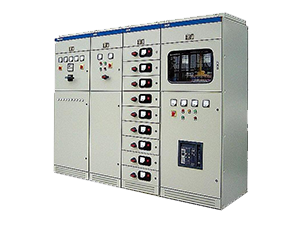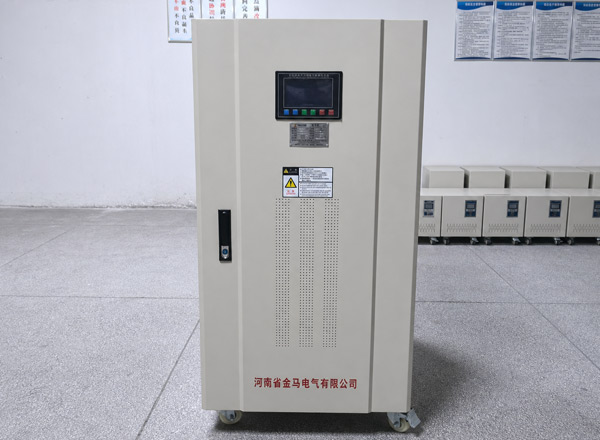


Transformer is the core infrastructure equipment of the power system, the accuracy of procurement selection, directly determines the project power supply stability, operation energy consumption, maintenance costs and equipment life. Many procurement and engineering personnel only focus on price and basic capacity, ignoring the parameter fit, environmental conditions, winding materials, installation scenarios and other key details, it is very easy to appear small horse-drawn carts, equipment premature aging, high energy consumption, operation and maintenance trouble and other issues. In this paper, from a practical point of view, combing the transformer procurement of a full set of core points, to help enterprises choose to adapt to the working conditions, cost-effective, long-lasting and stable transformer equipment.
Transformer procurement basics: how to choose the key electrical parameters
Primary / secondary voltage, frequency and power factor matching
Matching of electrical parameters is the primary premise of transformer selection. Procurement must accurately confirm the site before the primary side input voltage and secondary side output voltage, different industry scenarios of voltage standards vary greatly, ordinary commercial power distribution, industrial production lines, special military equipment have exclusive voltage specifications. At the same time to strictly distinguish between 50Hz and 60Hz operating frequency, frequency inconsistency will cause abnormal heating of the iron core, efficiency plummet, and even direct damage to the equipment. In addition, the power factor directly affects the utilization rate of electric energy, is to ensure the efficient operation of the system’s core parameters, selection should not be ignored.
Accurate calculation of kVA capacity and load margin design
Transformer capacity is based on kVA apparent power as a standard, and cannot be estimated purely on the basis of the active power of the equipment. It is necessary to combine with electrical drawings, statistics of all electrical equipment operating voltage, operating current, accurate accounting of the total load. In order to adapt to the later expansion of equipment, instantaneous peak loads, the industry’s common standards need to reserve 10% -25% capacity margin, to avoid long-term full-load transformer, overload operation, from the root of the equipment to eliminate overheating, tripping, premature failure and other issues.
Environmental conditions selection: the key to determine the service life of the transformer
Temperature and humidity, salt spray, dust impact on equipment
Operating environment is the core hidden factors affecting the life of the transformer. Long-term high-temperature environment will accelerate the aging of insulation materials, shorten the life of the equipment; low-temperature environment will lead to oil-immersed transformer oil viscous, heat dissipation efficiency is greatly reduced. Humid, rainy environment is easy to cause moisture inside the equipment, winding corrosion; coastal salt spray, factory dust, chemical pollutants will continue to corrode the shell and core components, triggering insulation damage, local overheating and other faults.
Vibration, mechanical shock and protection level selection
Factory production lines, outdoor stations, vehicle-mounted equipment and other scenarios will generate continuous vibration and mechanical shock, which will easily lead to cracking of cast coils and loosening of wiring. For complex working conditions, it is necessary to match the corresponding IP, NEMA protection level, through the sealing structure, anti-corrosion coating, reinforced body design, to resist external physical damage, to protect the long-term stable operation of the equipment.
Load Condition Analysis: Avoiding Overload, Harmonic Early Decay Issues
Continuous loads, peak loads and load cycling effects
The impact of different load patterns on transformer losses varies greatly. Long-term constant continuous load, easy to cause continuous thermal accumulation of equipment; frequent alternation of light and heavy load cycling conditions, the insulation layer will be repeatedly hot and cold expansion and contraction, accelerated aging. At the same time instantaneous peak load impact, will increase the pressure of equipment operation, selection must be combined with the real load law, rather than simply reference to the rated capacity.
Non-linear load and harmonic hazards and selection countermeasures
Modern construction and industrial equipment inverter, charging pile, precision electronic equipment will produce a large number of harmonics, belong to the typical nonlinear load. Harmonics will increase transformer copper loss and iron loss, leading to abnormal temperature rise, noise increase and efficiency reduction of the equipment. For this type of scenario, transformers with anti-harmonic design should be preferred to enhance the equipment’s tolerance and avoid long-term operation hazards.
Equipment core configuration: cooling method and insulation system selection
Advantages and disadvantages of mainstream cooling methods and applicable scenarios
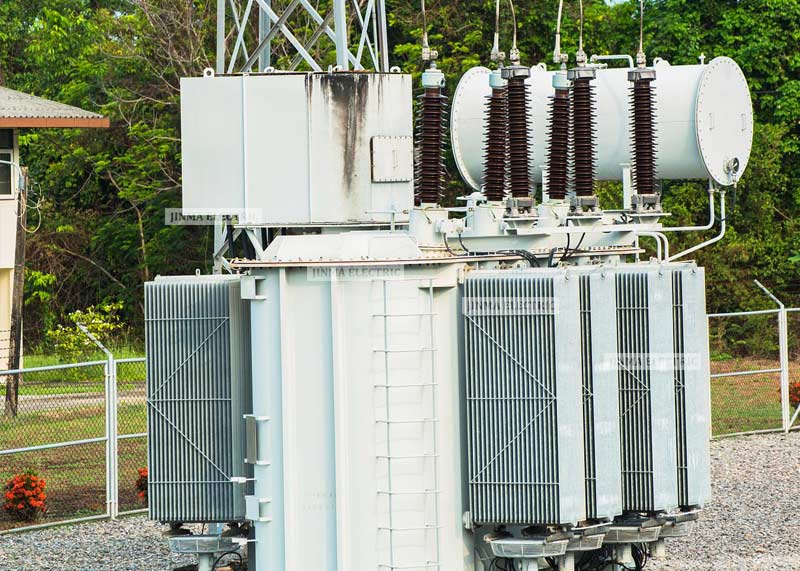
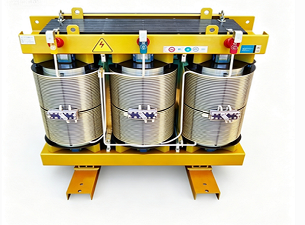
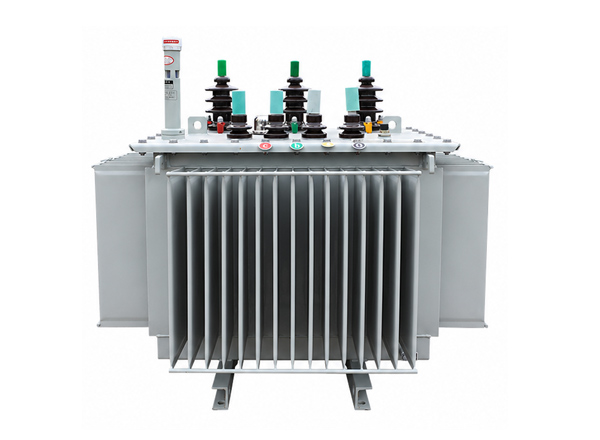
Transformer running heat from the core and winding loss, heat dissipation effect directly determines the stability of the equipment. Common cooling methods include air self-cooling, forced air cooling, mineral oil cooling, synthetic oil cooling and so on. Dry-type transformer rely on air cooling, suitable for indoor clean scene; oil-immersed transformer cooling, insulation performance is stronger, suitable for heavy load, outdoor, high temperature conditions, procurement needs to be accurately matched according to the scene.
Insulation level and temperature rise control standard
Insulation level determines the maximum temperature resistance of transformer, which is the core guarantee for the safe operation of equipment. High-quality insulation materials can effectively delay aging, resist high temperature impact, significantly extend the service life of the equipment. When selecting the type, you need to combine the ambient temperature, load strength, choose the appropriate insulation level, strictly control the risk of temperature rise over the standard.
Winding Material Comparison: Copper vs Aluminum Purchasing Choices
Difference in heat dissipation, volume and installation reliability
Winding is the core heat and conductive parts of the transformer. Copper winding conductivity and thermal conductivity, lower temperature rise under the same capacity, smaller size, stable wiring, almost no oxidation hazard, suitable for high reliability, continuous operation scenarios. Aluminum windings require larger wire diameter to meet current-carrying requirements, larger equipment size, easy oxidation of joints, and higher requirements for construction techniques.
Comparison of initial cost and long-term operation and maintenance cost
The biggest advantage of aluminum winding is low purchase price, which is suitable for limited budget and light load intermittent operation projects. Copper windings have higher initial investment, but lower energy consumption, low failure rate, minimal operation and maintenance, 2-5 years can save far more than the difference in electricity and maintenance costs, more suitable for industrial and commercial long-term operation scenarios.
Indoor and outdoor transformer scenario selection criteria
Indoor dry-type transformer selection characteristics and protection requirements
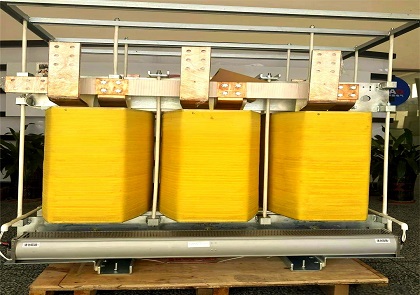
Indoor transformers are mostly used in power distribution rooms, data centers, plant rooms, where the environment is clean and the temperature and humidity can be controlled. Most of them adopt dry-type structure, with NEMA1, NEMA2 ventilation protection level, compact structure, no risk of oil leakage, high safety factor, suitable for urban commercial, indoor power distribution scenarios.
Outdoor oil-immersed transformer weatherproof structure advantages
Outdoor equipment needs to face the wind and rain, ultraviolet rays, temperature changes, commonly used NEMA3R, NEMA4 high protection sealing structure, mainly oil-immersed. With excellent heat dissipation, insulation, weatherproof performance, can be adapted to outdoor substations, municipal power distribution, heavy plant areas and other complex and harsh working conditions.
Sourcing Integrated Assessment: Efficiency, Impedance & Total Life Cycle Costs
Key supporting parameters: efficiency, loss, impedance matching
In addition to capacity and voltage, no-load loss, load loss and impedance voltage are the core reference indexes. Low-loss transformer operation efficiency is higher, long-term power saving effect is remarkable; reasonable impedance value can stabilize voltage, inhibit short-circuit current, protect the system power quality stability.
Manufacturer qualification, after-sales and long-term use of value assessment
Procurement can not only compare prices, but also pay attention to the whole life cycle value. High-quality manufacturers have perfect production standards, testing system, can provide installation guidance, commissioning and maintenance, life-long maintenance services. Comprehensive parameters, materials, scenarios, after-sales multiple selection, in order to avoid procurement traps, choose to economic and durable, suitable for the working conditions of high-quality transformers.