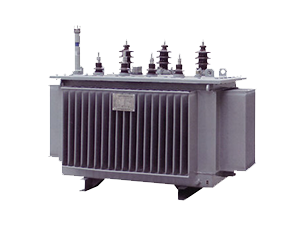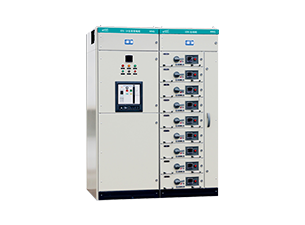


Unstable voltage, breakable appliances, high electricity bills? Residential transformer is the key – it will grid high voltage to domestic low voltage, to protect the safety of electricity, stable, save money. This article explains its definition, use, type, purchase and installation, to help you avoid pits, choose the right product.
What Is a Residential Transformer?
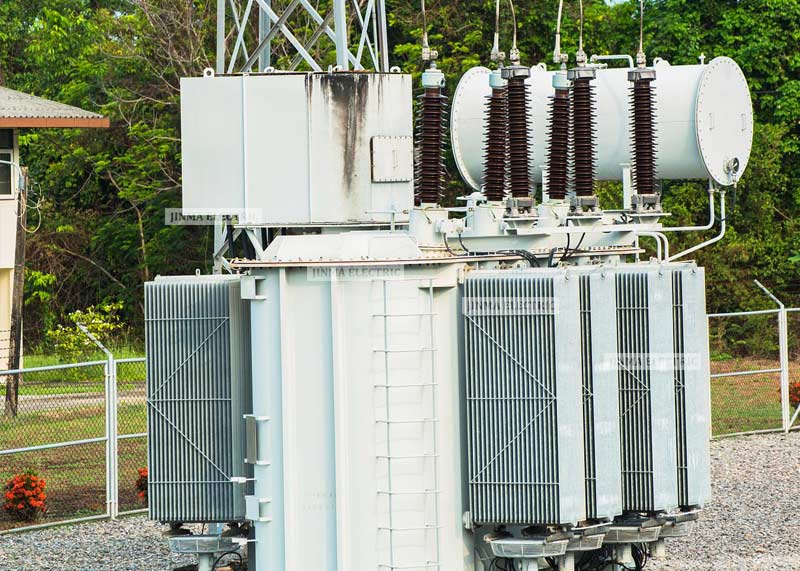
Residential transformer is the core components of the power system, the core function is to power companies to deliver high-voltage power step-down for domestic low-voltage electricity – our standard 220V single-phase electricity, the United States for 120/240V AC, high-quality products can be accurately matched to the regional power grids, to ensure the safe and stable operation of home appliances.
Need to distinguish between residential and industrial transformers: industrial transformers focus on high power and high loads, residential transformers are optimized to match the family’s medium power loads, with low noise, high reliability, in line with the characteristics of the residential safety standards, it is strictly prohibited to replace the industrial transformer, to avoid potential safety hazards and increased costs.
For owners, residential transformer is indispensable: without it home appliances can not start, choose the right product can avoid high-voltage safety risks, reduce power loss, reduce electricity costs, to protect the family electricity safety and efficiency.
The Core Purpose Of Residential Transformer
Residential transformer’s role is far more than “step down” so simple, it runs through the whole scene of the family electricity, each use is closely related to daily life, but also when we buy the core reference basis.
Power Distribution
The power grid uses high-voltage transmission to reduce the energy loss of long-distance transmission, but its several thousand volts and above high-voltage power can not be directly connected to the home. The core role of the residential transformer is to convert high voltage and low current into low voltage and high current suitable for home appliances to ensure the safety of electricity.
Families commonly use step-down transformers; if there are solar energy, small generators and other renewable energy equipment, need to use step-up transformers to low-voltage power to the grid standard to realize grid-connected, which is one of our core service direction.
High-quality residential transformers can reduce power transmission losses, reduce the probability of appliance failure, saving maintenance costs, to achieve “choose the right transformer that is to save costs.
Voltage Regulation
Grid voltage is susceptible to fluctuations in peak power consumption, thunderstorms, faults and other factors, TV, computers, air conditioning and other precision home appliances have stringent voltage requirements, too high is easy to burn equipment, too low will shorten the service life, affecting the operation.
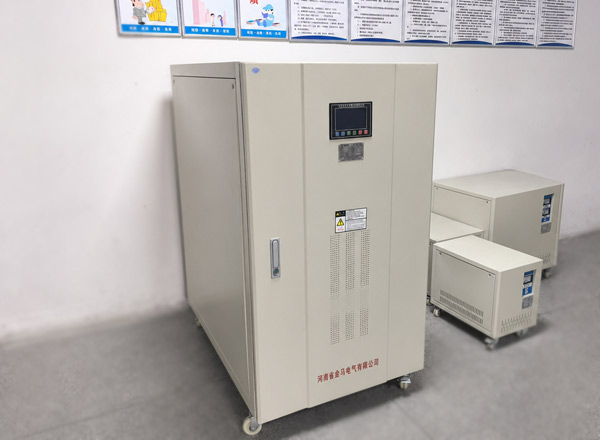
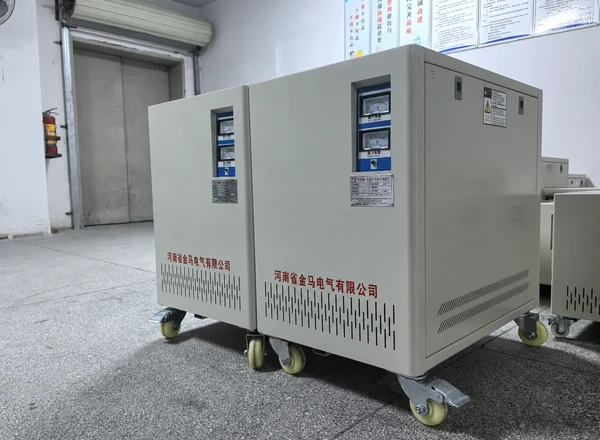
Residential transformers protect appliances in two ways: automatic voltage regulator (AVR) stabilizes voltage in real time to avoid fluctuations that can damage equipment; isolation transformer isolates power supply from electronic equipment to withstand voltage spikes and surges and reduce damage from lightning strikes.
Residential transformers with voltage regulation is a cost-effective home appliance protection program, the cost is much lower than the cost of high-end home appliance maintenance, equivalent to home appliance insurance.
Daily Home Applications
Residential transformer applications have long been infiltrated into all aspects of home life, only we rarely with the “transformer” directly related to the following common scenes, are inseparable from its support:
- audio and video equipment: audio, amplifier, TV and other equipment, the transformer is responsible for matching the impedance of the speakers, amplifiers, to ensure that the equipment works together, and at the same time, the household alternating current (AC) into the direct current (DC) required by the equipment, to ensure that the equipment is stable, clear sound quality;
- Low-voltage lighting: embedded spotlights, garden lights, corridor lights and other low-voltage lighting systems, need to be transformed through the transformer will be 220V high-voltage power into 12V or 24V low-voltage power, both safe and extend the service life of the lamps and lanterns, especially suitable for families with the elderly and children;
- Doorbells: Most home doorbells are equipped with a low-voltage transformer to step down the 120V current in the home to a low voltage to ensure safe operation of the doorbell buttons and buzzer and avoid the risk of electric shock;
- Heating, ventilation and air conditioning (HVAC) system: the operation of air conditioning, heating and other equipment requires a transformer to regulate the voltage, current and temperature to provide stable power for fan motors and other components, especially to ensure the stable operation of the central air conditioning to avoid malfunction and high energy consumption.
The Common Types Of Residential Transformers
Residential transformer types are diverse, different types are suitable for different residential scenarios and power needs, choose the wrong type not only affect the use of experience, but also may increase the cost, cause security risks. Combined with years of sales experience and industry practice cases, we have organized the most common classification for you, to help you quickly match their own products.
According To The Installation Mode Classification
- pole-type transformer: that is, the cylindrical equipment hanging on the pole, commonly found in suburbs, rural areas and other decentralized residential areas. Its advantage is convenient installation, lower cost, can cover a certain range of users, suitable for home base, single-family houses and other decentralized residential.
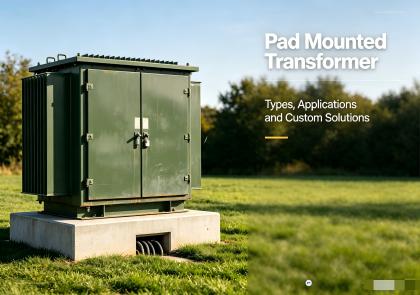
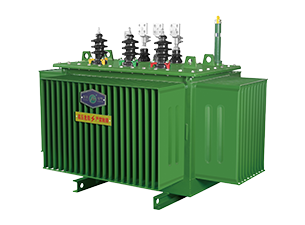
- box-type transformer: appearance of green or gray box, usually installed on the ground before and after the residence, commonly found in urban districts, dense residential areas. Its advantages are small size, low noise, strong protection, is currently the most mainstream type of transformer in urban housing, part of the box-type transformer can also be based on whether there is a distribution room, the choice of built-in dry-type or oil-immersed transformer.
According To The Number Of Phase Classification
- single-phase transformer: suitable for single-phase power system, mainly used for small houses, apartments, small houses, etc., can meet the daily electricity needs of ordinary families, the price is friendly, compact size, is the first choice of most homeowners;
- three-phase transformer: adapted to three-phase power system, power supply capacity is larger, suitable for large homes, villas, small commercial buildings, can meet the needs of multiple high-power appliances running at the same time. Residential commonly used distribution transformers, mostly for the 10kV voltage level into 400V voltage level type, which for the residents of the direct service of the public substation transformer, known as the public transformer, by the power supply department directly managed.
According To The Insulation And Cooling System Classification
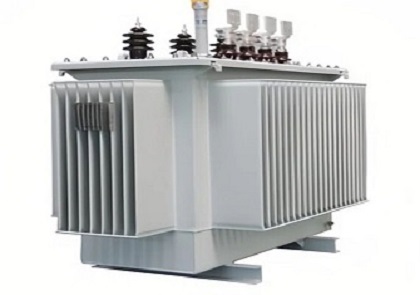
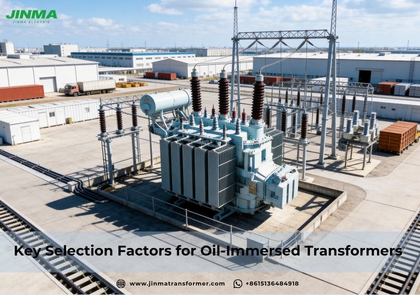
- oil-immersed transformer: internal filling of insulating oil, can play the role of insulation, but also through the flow of oil to achieve heat dissipation cooling, power, originally used in industrial and commercial scenes, now some large-scale residential, villas will also be used. It should be noted that, oil-immersed transformers need to regularly check the state of the insulating oil, to avoid oil leakage, loss of equipment failure, and more suitable for no independent power distribution room of the district box-type substation, more cost-effective;
- dry-type transformer: the use of dry insulation materials, higher security, more environmentally friendly, no need to worry about oil leakage, running noise is very low, suitable for higher environmental requirements of residential areas, high-rise residential, but also independent power distribution room community “standard”, can be directly with the centralized layout of high and low voltage cabinets to facilitate the maintenance of the later inspection.
Classification By Regional Voltage
Different countries and regions with different grid voltage standards, residential transformer output voltage will be adjusted accordingly to avoid buying incompatible products: the United States residential single-phase 120V/240V-based, our residential single-phase 220V-based, common residential transformer capacity range of 15kVA to 167kVA, of which 25kVA, 50kVA, 75kVA is a single-family residential and small multi-story residential popular choice. Small multi-story residential popular choice, 25kVA single-phase transformer can meet the electricity needs of 3-6 ordinary families, 50kVA is more suitable for modern families equipped with multiple air conditioning, charging pile.
Why Invest In High-Quality Residential Transformers
Many homeowners will fall into the “cheap” misunderstanding, think “as long as the voltage can be reduced on the line”, but ignored the long-term value of high-quality transformers. Investment in a high-quality residential transformer, not a waste of money, but the most cost-effective “long-term investment”, the core advantages of the main three points:
Improved Energy Efficiency
High-quality residential transformers can minimize energy loss during power transmission, efficiently convert high-voltage electricity into low-voltage electricity, so that the power can be fully utilized to avoid energy waste. At the same time, stable voltage can avoid electrical appliances due to unstable voltage and increased power consumption, prolong the service life of electrical appliances and reduce equipment replacement costs.
According to our customers’ feedback, the use of high-quality residential transformer, the family monthly electricity bill can be reduced by 5%-10%, according to a family monthly electricity bill of 500 yuan, a year will be able to save 600-1200 yuan. And a high-quality transformer service life of up to 20-30 years, calculated that the cost of the transformer itself has long been offset by the savings in electricity, the real realization of “the more you use the more cost-effective”. Especially with the new amorphous alloy core design of the transformer, energy efficiency is higher, can further reduce no-load loss, more in line with the current trend of energy saving.
To Protect The Safety Of Electricity
High-voltage electricity is extremely dangerous, once directly connected to the home, may cause electric shock, fire and other serious accidents, endangering the safety of residents’ lives, and at the same time will instantly burn all home appliances. High-quality residential transformers can accurately reduce high-voltage electricity to a safe range, which not only protects residents from the risk of electrocution, but also prevents home appliances from being damaged due to high voltage and voltage fluctuations.
What’s more, high-quality residential transformers strictly follow safety standards and are used with low-smoke, halogen-free, flame-retardant or fire-resistant cables, which have good insulation and fire resistance properties, and can effectively resist voltage surges, short-circuits and other faults, reducing potential safety hazards. On the contrary, cheap transformers, not only is the voltage reduction effect is not stable, but also due to poor insulation performance, poor quality materials, triggering leakage, fire and other accidents, the loss is not worth the gain.
Stabilization Of Power Supply
Voltage fluctuations, sudden power outages, can seriously affect daily life: refrigerator shutdown resulting in food spoilage, air conditioning shutdown can not be cooled down, work computer power outage lost files, washing machine stops in the middle of the work …… these troubles, many times because of poor performance of the transformer leads to.
High-quality residential transformers can stabilize the output voltage, avoid voltage fluctuations, reduce the probability of power outages, to ensure a continuous and stable supply of electricity to the home, to support the normal operation of all home appliances. At the same time, it has a longer service life, low maintenance costs, can avoid frequent repair and replacement due to transformer failure, reduce unnecessary trouble and property damage.
Residential Transformer Purchase Guide
In the face of a wide variety of residential transformers on the market, many homeowners do not know how to choose, for fear of choosing the wrong one. Combined with our years of sales experience and thousands of homeowners to buy cases, summarizes the 4 key steps to help you easily choose the right residential transformer for yourself, avoid all the purchase mistakes.
Step1: Assess The Application Scene
First of all, clear their own use of the scene: is an ordinary apartment, small homes, or villas, small commercial buildings? Is the home’s electrical system single-phase or three-phase? Is there any installation of solar energy, generator and other renewable energy equipment? Is there an independent power distribution room? All of these will affect the choice of transformer.
For example, single-phase, dry-type, box-type transformers are suitable for ordinary apartments; three-phase transformers are suitable for villas, with distribution rooms prioritizing dry-type, while oil-immersed can be considered without distribution rooms; homes with renewable energy equipment need to give extra consideration to the grid compatibility of the transformer.
Don’t worry about your own assessment is not allowed, our professional team will come to your home free of charge, to help you detect the home’s power needs and residential environment, accurate matching of the type of transformer suitable for, to avoid the return of the compatibility problems caused by the trouble.
Step 2: Match The Power Capacity
Power capacity is the core parameter of the transformer, choose a small, electrical appliances can not run normally, the transformer will frequently fail; choose a large, will cause energy waste, increase the purchase cost. Therefore, the purchase must be based on the electrical load at home, choose a capacity slightly larger than the total power of the transformer.
Specific approach: Calculate the total power of all electrical appliances in the home, on this basis, increase the capacity of 20% -30%, reserved for future electricity demand, such as plans to add new home appliances, expansion of the house, to avoid the later replacement of the transformer, saving costs.
We provide free load calculation service, according to the list of electrical appliances in your home, we accurately calculate the required power capacity and recommend the most suitable product, which is neither wasteful nor insufficient.
Step 3: Choose The Right Type
Combined with the type categorization mentioned earlier, choose the corresponding type according to your residential environment and power demand:
- Installation: urban neighborhoods, high-rise residential choice of box-type transformers; suburbs, rural single-family homes choose pole-type transformers;
- the number of phases: ordinary residential single-phase transformers; large houses, villas, three-phase transformers;
- insulation cooling: with power distribution room, focusing on the living experience, give priority to dry-type transformers; no power distribution room, the pursuit of cost-effective, can choose oil-immersed transformers.
Step 4: Choose Standard, Compliant Products
Compliance is the core protection of electricity safety and transformer quality, purchase need to confirm that the product meets the relevant national and industry standards, to avoid unqualified products bring performance hazards, safety risks and can not pass the power sector acceptance problems.
Core standards include international standards IEC 60076 (China’s GB 1094 series of standards based on localized adjustments), the North American IEEE C57 series of standards, the U.S. DOE energy-efficiency regulations and environmental standards RoHS, REACH, and at the same time, need to meet the technical requirements of local power supply departments and drawings review standards.
Residential Transformer Installation
Selected the right high-quality residential transformer, but also need to standardize the installation, in order to ensure that it plays the best performance, to extend the service life, to avoid potential safety hazards. The following are the core principles of residential transformer installation, are from the actual design experience of residential power supply and distribution projects, but also the implementation of our professional installation team standards:
- Installation location: as close as possible to the center of the power load, to reduce line losses in the power transmission process, to enhance the efficiency of the power supply – for example, the villa can be installed in the corner of the courtyard, the district can be installed in the open area between the buildings;
- safety distance: avoid installation near residential evacuation exits, and maintain a certain distance from residential homes to prevent accidental contact triggering safety incidents, while reducing the impact of noise;
- noise reduction and vibration damping: take noise reduction and vibration damping measures, such as installing vibration damping pads at the bottom of the transformer, to reduce the noise and vibration generated during operation and avoid affecting the daily life of residents;
- maintenance space: reserve enough space for equipment movement, maintenance, to ensure that the later overhaul, maintenance is convenient, while keeping the installation area neat and orderly, to avoid the accumulation of debris caused by potential safety hazards.
Special reminder: the installation of residential transformers requires professional skills and qualifications, involves high-voltage electricity operation, and is strictly prohibited, otherwise it is very likely to cause electric shock, fire and other safety accidents.
Safety, Standards And Compliance
The safe operation of residential transformers can not be separated from strict standards and compliance requirements, whether it is purchased or installed, all need to focus on, which is also the core points we, as sales experts, have been emphasizing to customers:
- Basic safety requirements: residential transformers need to be used with low-smoke, halogen-free, flame-retardant or fire-resistant cables to reduce the risk of fire, toxic gas leakage and other risks, and to improve safety from the source; at the same time, they need to be equipped with good fireproofing performance and insulation to avoid leakage, short-circuit and other failures;
- Key quality checks: when purchasing, you need to pay attention to the factory inspection report of the transformer to confirm that it has passed strict quality control, focusing on the insulation performance, fire performance, sealing performance, which are the key to ensure the long-term stable operation of the transformer;
- the importance of standards and compliance: transformers that meet the relevant standards, not only to ensure safety, improve efficiency, or most areas of the installation, operation of the transformer is a mandatory requirement, do not meet the standard products, can not pass the acceptance of the power sector, and even face fines, affecting the normal use of electricity;
- Regional standard differences: different regions have different standards, such as North America need to comply with the IEEE C57 series of standards and DOE energy-efficiency regulations, Europe, Asia need to comply with the RoHS, REACH environmental standards, the purchase of the installation area needs to be combined with the requirements of the region to ensure compliance.
Frequently Asked Questions (Faqs)
Combined with years of sales experience, we have compiled a homeowner’s most concerned about the five questions, answered one by one, to help you eliminate the purchase, use concerns:
- How long is the service life of a residential transformer? A: Normal service life is 20-30 years, depending on product quality, installation and maintenance. Our products use high-quality materials and advanced technology, life than the industry average of 5-10 years longer, and provide perfect after-sales maintenance to extend the service life.
- Can I install my own residential transformer? A: Self-installation is not recommended. Its installation requires professional technology and qualification, involves high-voltage electricity operation, self-installation is easy to cause electric shock, fire and other safety accidents, may also affect the power department acceptance. We provide professional door-to-door installation service to ensure the standardization and safety.
- Will there be noise when the residential transformer is running? A: The operation has a slight noise, in line with residential safety standards, does not affect daily life. The noise of dry-type transformer is lower than that of oil-immersed type, which can be controlled below 40 decibels without obvious interference.
- What are the consequences of choosing the wrong transformer capacity? A: Insufficient capacity will lead to electrical appliances can not start, transformer overload burnt; capacity is too large will cause energy waste, increase costs. We can provide accurate load calculation to avoid such problems.
- Is your transformer suitable for the voltage in my area? A: Yes. Our inventory covers different regional voltage standards, including domestic 220V, U.S. 120/240V, etc. We can provide compatible products without compatibility problems.
Conclusion
Residential transformer is the core protection of home electricity, and its quality is directly related to the safety of your family, the life of home appliances and the cost of electricity. Selection of high-quality, adaptable residential transformers can ensure the safety and stability of electricity consumption and realize long-term energy saving, which is a necessary investment in household electricity consumption.
If you’re confused about the right transformer for your home, contact our team of professionals. With years of sales experience, we provide free on-site evaluation, load calculation, model recommendation services, with professional installation and after-sales support, to help you choose cost-effective, suitable products to protect the safety and efficiency of electricity consumption.