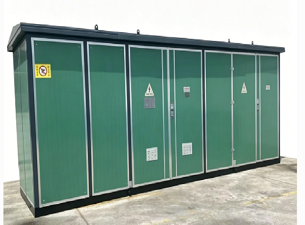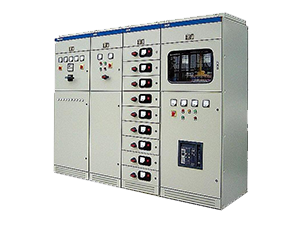


With the deepening of global environmental protection concepts and increasingly stringent safety regulations, the market demand for safe, environmentally friendly and efficient power transformers continues to climb. In densely populated, environmentally sensitive scenarios, traditional oil-immersed transformers are gradually being replaced by more advantageous dry-type transformers due to oil leakage, fire hazards, pollution of the environment and other issues.
So what is a dry type transformer? Why can it become the preferred solution in modern power systems? This article will be from the definition, working principle, type, advantages, application scenarios, maintenance skills and other core dimensions, for you to comprehensively analyze the dry-type transformer, for the industry selection, procurement to provide professional reference.
What Is a Dry-Type Transformer?
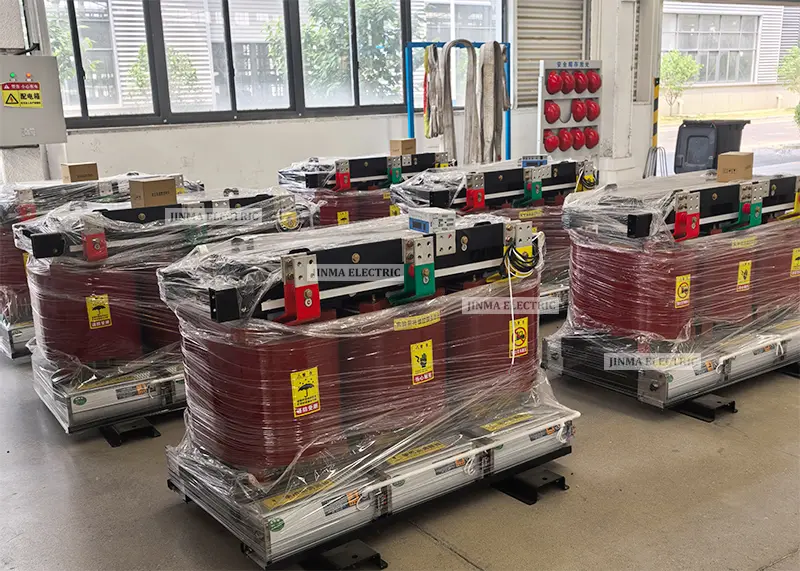
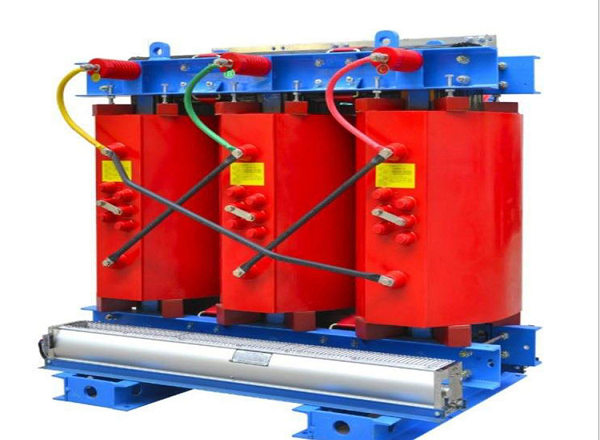
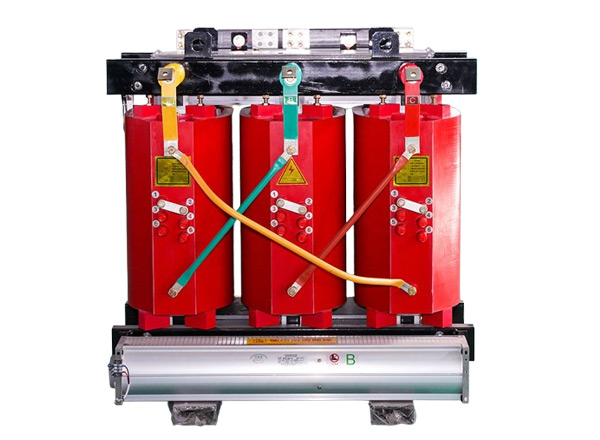
Dry-type transformer, also known as cast transformer, is no rotating parts of the solid-state power conversion equipment, the core feature is the core and windings are not immersed in the insulating liquid, relying on environmentally friendly temperature insulation system operation, without oil and other auxiliary materials such as thermal insulation, high efficiency and environmental protection.
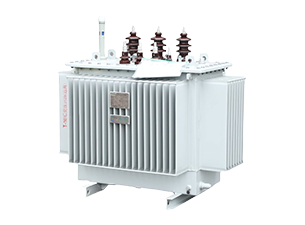
Compared with the oil-immersed transformer, the core difference lies in the heat dissipation and insulation medium: the former to air as a heat dissipation medium, well ventilated can be naturally cooled without additional cooling devices; the latter relies on insulating oil.
Dry-type transformer without special fire and explosion-proof vault and oil basin, can be directly installed indoors, running no harmful gas release, no risk of oil leakage, zero pollution, confined space can be used safely.
The Working Principle Of Dry-Type Transformer
The core of the work of the dry-type transformer is Faraday’s law of electromagnetic induction, and oil-immersed transformer principle is the same, through the alternating current generates alternating magnetic field, realize the sub-coil voltage conversion and distribution of power transmission, can be likened to the “converter of electricity”, the core construction for silicon steel core and epoxy resin casting coil, high and low voltage coil through the insulating tube The high and low voltage coils are insulated through an insulating cylinder to improve insulation.
Modern dry-type transformers abandon oil-cooled insulation mode, the use of “air circulation + solid insulation + computerized design” program, not only to retain the core functions, but also to enhance safety and environmental protection, new temperature protection, emergency power failure and other mechanisms to ensure operational safety.
Technical level, it adopts 3D finite element magnetic field simulation to optimize silicon steel sheet stacking, reduce power loss; equipped with intelligent monitoring sensors, real-time feedback temperature, magnetic field parameters and automatic adjustment of cooling, in the smart grid and renewable energy system can reduce energy consumption by more than 15%, at the same time, with a perfect temperature detection and protection system, improve operational reliability.
The Type Of Dry-Type Transformer
Currently on the market mainstream dry-type transformer is mainly divided into two categories: cast dry-type transformer (CRT) and vacuum pressure impregnated transformer (VPI), both in the insulation method, structural characteristics of the differences in the application of the scene also has its own focus, the selection of the need to combine the use of the environment, the load demand and other factors to determine the overall.
Cast-In Dry-Type Transformers
Cast-type dry-type transformer (CRT), the core of the epoxy resin encapsulation of the original and secondary coils, isolated from the external environment, effective protection against moisture, dust, corrosion, to avoid degradation of insulation performance; winding using glass fiber reinforced epoxy resin casting process, to prevent cracking of the resin, to enhance reliability.
Core features: non-hygroscopic, non-combustible, maintenance-free, high mechanical strength, strong short-circuit resistance, low loss, strong overload capacity, suitable for high humidity, dusty environments, excellent insulation performance and stable operation.
Applicable scenes: mainly indoor installation, suitable for high humidity, high fire risk places, such as shopping malls, hospitals, data centers, high-rise buildings, etc., but also suitable for civil and industrial scenes with high environmental requirements, which can effectively avoid fire hazards.
Vacuum Pressure-Impregnated Transformers
Vacuum pressure impregnated transformer (VPI), using H-grade polyester resin, vacuum high-pressure impregnation of coils, eliminating the air gap in the insulation layer, greatly improving the mechanical strength of the coil, dielectric strength and thermal stability, with strong resistance to thunderstorms, suitable for harsh power grid environment.
Core features: sturdy structure, moisture-proof shell, low coefficient of thermal expansion, high insulation and heat-resistant grade, good fire resistance, convenient maintenance, low risk of fire, short-circuit and earthquake resistant, and adaptable to severe temperature fluctuations.
Applicable scene: mainly outdoor installation, suitable for open-air substations, wind farms, photovoltaic power stations, mines, etc., especially suitable for earthquakes, temperature fluctuations in harsh outdoor environments, but also can be used for the stability of the high requirements of the industrial scenario and the whole village photovoltaic project.
The Core Advantages Of Dry-Type Transformer
With the safety, environmental protection, high efficiency has become the core demand of electric power equipment, dry-type transformer with unique advantages, gradually replace the oil-immersed transformer, become the preferred choice in many fields, the core advantages are as follows:
- outstanding safety performance: no flammable insulating oil, eliminate oil leakage, fire, explosion hidden danger, flame retardant self-extinguishing, no open flame and no harmful gases in case of failure, suitable for matching with crowded, high fire risk scenarios, is different from the oil-immersed transformer core advantages.
- environmental protection and non-pollution: the use of environmentally friendly solid insulation materials, no harmful gases released during operation, no oil pollution, does not damage the soil and water, in line with environmental protection policies and the concept of sustainable development, is the core equipment of green power system.
- Flexible and convenient installation: small size, light weight, small area, no need for special fire and explosion-proof facilities, can be installed indoors and outdoors, adapted to the center of the load position, easy installation and commissioning, can be quickly put into use, reduce the site and installation costs.
- low maintenance cost: most models maintenance-free, no regular replacement of insulating oil and check the oil level, only a simple inspection, compared with oil-immersed transformers can significantly save manpower and material costs, suitable for unattended scenes.
- additional advantages: low noise, good heat dissipation, overload capacity, can adapt to harsh environments, short circuit resistance, thermal stability, long service life; part of the intelligent models support remote monitoring, enhance the convenience of use, suitable for different voltages and load requirements.
The Application Of Dry-Type Transformer
Dry-type transformer by virtue of its safety, environmental protection, flexibility, maintenance-free advantages, application scenarios are extremely wide, covering commercial, industrial, civil, renewable energy and other fields, become an indispensable core equipment in the modern power system.
Commercial Buildings
Mainly used in office buildings, shopping centers, hotels, hospitals, convention and exhibition centers and other commercial buildings, to undertake indoor lighting, central air conditioning (HVAC), elevators, fire protection systems, office equipment and other types of power equipment, voltage conversion and distribution of power. Due to the commercial buildings are densely populated, limited space, and high requirements for safety and environmental protection, dry-type transformer without fire hazard, no noise, small size, flexible installation and other advantages, perfectly suited to such scenes, can be directly installed in the floor distribution room, without taking up a lot of space, while protecting the safety of personnel and normal operation of the building, in high-rise buildings, underground buildings are particularly widely used.
Industrial Facilities
Widely used in manufacturing plants, refineries, mines, warehouses, chemical parks and other industrial scenes, mainly used for the production of machinery, motors, control systems, production lines and other industrial equipment to provide stable voltage support to ensure the normal operation of production equipment.
Industrial scenarios, part of the region there is more dust, high humidity, temperature fluctuations, etc., dry-type transformer anti-pollution, moisture resistance, thermal stability, etc., can adapt to such harsh environments, at the same time, its low-maintenance, high-reliability advantages, can reduce the equipment failure in industrial production, to avoid production stoppages due to transformer failures, especially in the mines, chemical industry, and other fire and explosion-proof requirements of the scene, the advantages of the dry-type Transformer advantages are more obvious, can effectively avoid safety accidents.
Renewable Energy Field
With the rapid development of wind power, photovoltaic and other renewable energy, dry-type transformer becomes one of the core equipment in the new energy system, mainly used in wind farms, photovoltaic power stations, energy storage power stations and other scenes, to undertake the task of conversion and distribution of power – wind power, photovoltaic power generated by the conversion of the voltage in line with the grid standards, and into the national grid or the local distribution network. local distribution network.
In photovoltaic power stations, dry-type transformers can step up the low-voltage alternating current generated by photovoltaic arrays and then unify them to be connected to the grid. Their oil-free, flame-retardant and maintenance-free characteristics can adapt to outdoor high temperatures, wind and sand, and other harsh conditions, and avoid the risk of leakage of oil-immersed transformers.
Data Center Field
Data center is one of the core application scenarios of dry-type transformer, data center servers, network equipment, cooling systems and other core equipment, the stability of electricity and security requirements are very high, and data center is mostly confined space, dense, fire hazards are the key prevention and control objects.
Dry-type transformer without fire hazard, no harmful gases, low noise, maintenance-free, high reliability and other advantages, perfectly suited to the needs of data centers, data centers can provide stable voltage support for the core equipment, to avoid data loss due to transformer failure, equipment damage, while its environmental characteristics.
Civilian Building Field
Mainly used in urban residential districts, apartment buildings, villas and other civil buildings, undertake the residents of home lighting, household appliances, elevators, fire systems and other electrical equipment voltage conversion tasks. Urban civil building space is limited, and environmental protection, noise, safety requirements, dry-type transformer small size, no noise, no pollution, maintenance-free advantages, can be adapted to the installation of community distribution room needs, while protecting the residents of electricity safety.
Dry-Type Transformer Maintenance And Safety Skills
Dry-type transformer maintenance-free, but regular inspection is essential to ensure long-term stable operation of the equipment, to extend the service life, but also to reduce the occurrence of failures. The following are professional and concise maintenance and safety tips, suitable for all kinds of operation and maintenance personnel.
Core Maintenance Considerations
Dry-type transformers do not need regular replacement of insulating oil, maintenance focuses on keeping the equipment clean, checking the condition of key components, preventing moisture and overloading, while strictly adhering to the safety operation norms to eliminate safety accidents.
Safe Operation Premise
Before maintenance and inspection, the transformer power supply must be cut off to ensure that the equipment is completely disconnected, and safety warning signs should be made to prohibit unrelated personnel from approaching; maintenance should comply with the specifications for opening the cover and disconnecting the power supply to ensure that the superior circuit breaker is tripped and then operated to ensure the safety of the maintenance personnel.
Cleaning And Maintenance Points
Regularly check the terminals and vents, if there is dust and dirt accumulation, use vacuum cleaner, soft brush or dry air blowing to clean up; when blowing, control the strength of the airflow to avoid dust splash damage to the coil and insulation layer, and keep the vents open to ensure the heat dissipation effect.
Inspection Of Key Components
Regularly check the insulators, terminals and terminal boards to see if there are discharge marks, breakage, cracks or ablation, and clean up or replace them in time when abnormalities are found; check the tightness of the terminals and grounding connections, and tighten them in time when they are loosened, so as to prevent poor contact and heat generation.
Moisture Treatment Method
Ventilated dry-type transformer if there are traces of moisture, it is necessary to dry in a timely manner with oven drying or heated air blowing drying, drying temperature control within 110 ° C (230 ° F), to avoid high temperature damage to the wiring and insulation layer, to ensure that the drying process is safe and controllable.
Appearance Protection Inspection
Regularly check the paint surface of the equipment shell, if there are scratches, wear and tear or peeling timely repair to prevent shell rust; outdoor installation of VPI transformers need to check the sealing performance, to prevent rain, dust into the interior, damage to the coil and insulation layer.
Common Questions and Answers
Q1: Are dry-type transformers more expensive than oil-immersed transformers?
A: The initial procurement cost is slightly higher, due to the use of solid insulation materials and intelligent monitoring technology; but in the long run, its maintenance-free, low energy consumption, no environmental risks, can save maintenance, energy consumption and other costs, the overall cost-effective and more cost-effective, especially adapted to match the scene of the high requirements of safety and environmental protection.
Q2: Can dry-type transformers be used outdoors?
A: Yes. VPI type can be adapted to the harsh outdoor environment by virtue of its sturdy structure, moisture-proof shell and excellent thermal stability; CRT is more suitable for indoor, if used outdoor need to be equipped with additional protective shell, outdoor installation need to do a good job of extreme weather protection and regular inspection of sealing.
Q3: How long is the service life of dry-type transformer?
A: Normal service life of 20-30 years, CRT type due to epoxy resin encapsulation, insulation is more stable, life expectancy of up to 25-30 years; VPI type of about 20-25 years. Regular inspection can further extend the service life, quality models standardized use can be more than 30 years.
Q4: Does dry-type transformer need to be equipped with cooling system?
A: Most of them do not need to be equipped with additional cooling system, relying on the natural cooling of the air; large-capacity, high-load models can be equipped with forced air-cooling system, intelligent models can automatically adjust the speed of the fan, accurate heat dissipation and reduce energy consumption.
Q5: Which is better, CRT or VPI transformer?
A: There is no absolute advantage or disadvantage, only different adapted scenarios; CRT is suitable for indoor, high humidity, high fire risk scenarios, maintenance-free, stable insulation; VPI is suitable for outdoor, large temperature fluctuations, seismic risk scenarios, high mechanical strength, resistance to thunderstorm impact.
Conclusion
In summary, dry-type transformer is a safe, environmentally friendly, efficient, maintenance-free solid-state transformer, with the core characteristics of air cooling, solid insulation, different from the traditional oil-immersed transformer, in terms of safety performance, environmental performance, installation flexibility, maintenance costs and other aspects with significant advantages.
Whether it is corporate procurement, engineering selection, or personal knowledge of dry-type transformers, master its definition, operating principle, types, advantages, applications and maintenance techniques, can help us make a more reasonable choice, to achieve safe, efficient and environmentally friendly transmission of electric energy.