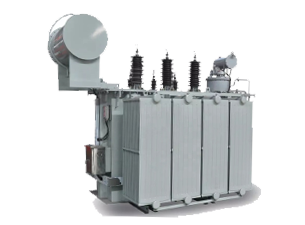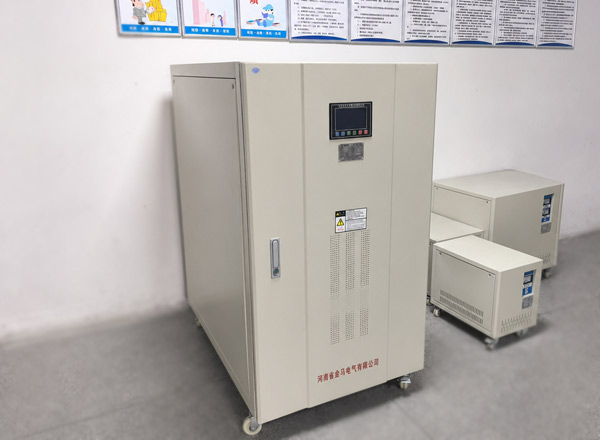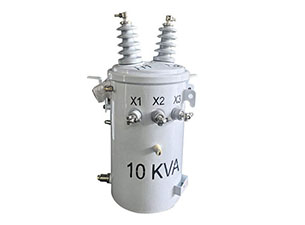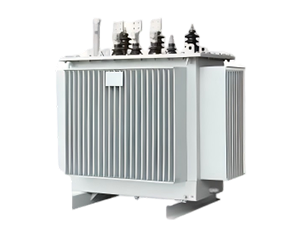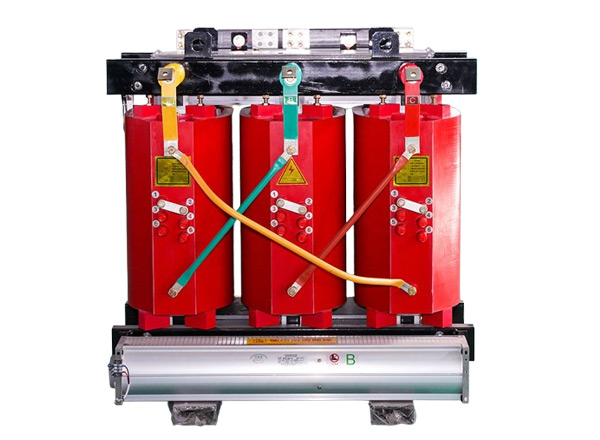


Oil-immersed transformers are the core power transmission and transformation equipment of power distribution grids, industrial plants, industrial and mining enterprises, and municipal substations. With the advantages of stable operation, long service life, high cost performance, and strong overload capacity, it has become the most widely used transformer type in the power system. This article will combine IEC and IEEE international standards to disassemble the 10 core selection elements in an all-round way, and provide a reference basis for project selection that can be directly implemented.
Factor 1: Determine the rated capacity of the transformer (kVA/MVA)
The core principle of capacity selection is: to eliminate the two extreme problems of small capacity and excess capacity.The capacity selection is too small, which will lead to serious problems such as long-term overload operation of the transformer and early scrapping of the equipment. Excessive capacity selection will cause long-term light-load operation of the transformer. Not only will it increase the initial procurement and installation costs, but it will also significantly reduce the operating efficiency of equipment, and long-term energy consumption will remain high.
Accurate capacity calculation needs to be combined with the actual load, peak impact, harmonic interference, environmental working conditions and future expansion requirements for comprehensive calculation, which is specifically divided into six core steps.
1.Count all existing electricity loads on the site.Including all power terminals such as motors, lighting, hvac equipment, process production equipment, etc., they are uniformly converted into standard kVA capacity units.
2.Introduce the load coefficient and the demand coefficient to correct the load data.All equipment on the site will not run at full load at the same time. After the standard coefficient is corrected, the real actual operating load can be obtained to avoid excessive capacity.
3.It is necessary to distinguish between continuous operating loads and intermittent periodic loads, and to calculate the proportion of loads in a targeted manner.Combined with the on-site power factor, the precise conversion is completed by the formula kVA=kW/power factor.
4.Reserve the peak load and transient impact margin.Motor start-up inrush current and instantaneous start-stop of equipment will produce short-term load peaks, which will bring additional thermal stress.For harmonic loads such as frequency converters and rectifiers, K-coefficient capacitance reduction treatment is also required to avoid harmonic heating and damage to the equipment.
5.Reserve the margin for long-term load growth.According to the plans for the expansion of the plant, the addition of electricity equipment, and the access of charging piles, 10%-25% of the capacity margin will be reserved.The modest expansion of capacity in the early stage is far more cost-effective and efficient than the replacement of equipment in the later stage.
6.Modify the capacity in combination with environmental working conditions.The rated parameters of conventional transformers are designed based on the standard ambient temperature of 40℃.For scenarios with high temperature environments, poor ventilation, and elevations exceeding 1000m, the capacity needs to be reduced and corrected or the cooling configuration upgraded.
7.Refer to IEEE C57.91, IEC related load guidelines and thermal model standards to calculate the parameters.Strictly control the hot spot temperature, the top layer oil temperature and the insulation aging rate to ensure the 20-40–year design life of the equipment.At the same time, verify the short-circuit tolerance of the equipment and match the system fault level.
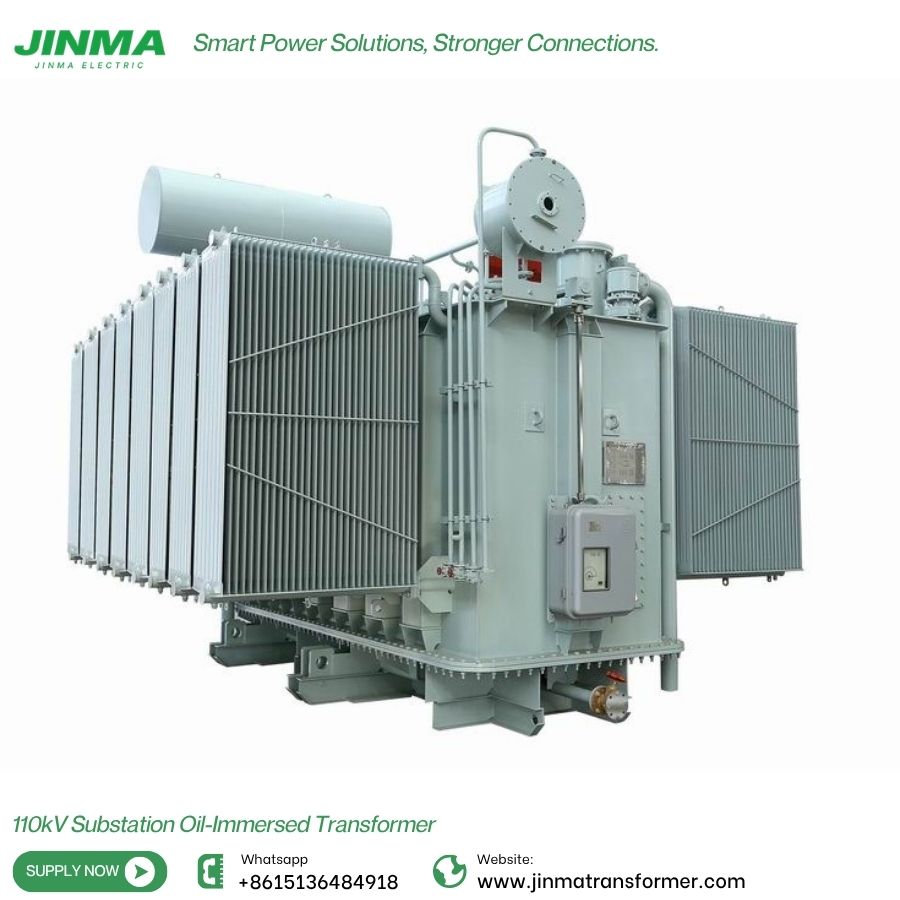
Factor 2: Matching voltage level and transformer ratio
The precise matching of voltage level and transformer ratio is the key to ensure the stability of the power system, the safety of insulation, and the efficient transmission of electrical energy.Mismatched parameters can cause overvoltage, undervoltage, and voltage fluctuations to exceed the standard, which can cause equipment breakdown and power grid shock in severe cases.
Clarify the reference voltage of the system on the high and low voltage side
The high-voltage side is the power grid access voltage, and common specifications include 11kV, 33kV, 66kV, 110kV, etc.; The low-voltage side is the terminal power voltage, which is commonly 400/230V, 6.6kV, 11kV, etc.At the same time, it is necessary to confirm the rated voltage of the system, the long-term maximum operating voltage and the voltage fluctuation range.The rated voltage parameters of the transformer must conform to the standards of the power grid to ensure that the equipment is always operating within the designed working conditions.
Matching voltage insulation level and reference impact withstand voltage value (BIL)
The voltage level directly determines the insulation design of the equipment, the casing configuration and the internal and external insulation distance, which are used to resist lightning strikes and operating overvoltage shocks.
In areas with high altitudes, heavy pollution, and multiple lightning strikes, the insulation configuration and creepage distance need to be improved.By adapting the BIL parameters, faults such as insulation breakdown and creepage lightning caused by the external environment are avoided.
Accounting for transformer ratio
The calculation formula for the transformer ratio is the transformer ratio = the rated voltage on the primary side/the rated voltage on the secondary side, and the system voltage ratio needs to be strictly matched.The commonly used vector groups such as Dyn11 and Yyn0 will directly affect the phase offset, neutral grounding mode, harmonic path and parallel operation compatibility.When multiple transformers in the factory are running in parallel, the vector group, transformer ratio, and impedance parameters must be highly consistent.
Select the tap switch type
For scenarios where the voltage fluctuation of the power grid is small, the use of no-load tap switch can meet the demand.In scenarios where new energy sources are connected to the grid, long-term power supply, and load fluctuations are large, an on-load voltage regulator switch (OLTC) must be configured to achieve load regulation and regulation.
Factor 3: Choose the oil-immersed transformer cooling method
The cooling method of the oil-immersed transformer directly determines the rated capacity, heat dissipation capacity, volume size, noise level and operation and maintenance difficulty of the equipment.All cooling methods follow the IEC 60076 standard four-letter coding rules to distinguish between internal and external cooling media and circulating methods.
Cooling medium and circulation method
ONAN (natural circulation of oil and natural cooling of air) is the most basic cooling method.There is no need for moving parts such as fans and oil pumps. It has extremely low noise, simple operation and maintenance, and low failure rate. It is suitable for small and medium-sized distribution transformers below 16MVA. It is the first choice for power distribution in conventional factories and residential areas.
Using ONAF (natural oil circulation, forced air cooling), a cooling fan is installed on the basis of natural heat dissipation.After the fan is started, the equipment capacity can be increased by 30%-50%, and it can be adapted to medium and large-capacity transformers, taking into account economy and overload capacity, and it is widely used in medium-sized industrial substations.
The new OFAF (strong oil circulation, forced air cooling) is equipped with an oil pump and a cooling fan to forcibly accelerate the oil circulation and heat dissipation.The heat dissipation efficiency is higher, and the large-capacity output can be achieved in a smaller equipment size. It is suitable for large power transformers above 40MVA.
The new OFWF (strong oil circulation, forced water cooling) adopts an oil-water heat exchanger to dissipate heat, with the highest cooling efficiency and the most compact equipment volume.It is suitable for urban indoor substations, space-restricted factories, and large-capacity power equipment, but it requires a stable supply of cooling water and has a higher complexity of operation and maintenance.
Application scenario
When selecting the type, it needs to be judged based on the load characteristics.
For long-term light load and no frequent peak load scenarios, ONAN cooling is preferred; for frequent peak load and high load rate conditions, ONAF and OFAF forced cooling schemes are preferred.
In residential areas and noise-sensitive areas, priority is given to low-noise ONAN natural cooling solutions.
For indoor installation scenarios where site space is limited, water-cooled OFWF equipment can be selected to reduce the footprint of the equipment.Remote unattended sites give priority to natural cooling without moving parts to reduce operation and maintenance pressure.
Factor 4: Evaluate equipment energy efficiency and loss
The loss of oil–immersed transformers is the core cost source of long-term operation of equipment. A small loss difference, after 20-40 years of long-term operation, will produce a huge electricity bill gap.Therefore, energy efficiency and loss assessment are the core economic indicators of selection.The selection and evaluation must strictly follow the international standards of IEC 60076 and IEEE C57.12.90, and check the guaranteed values of no-load loss and load loss announced by the transformer manufacturer.At the same time, compare the efficiency curves of different equipment to match the actual load conditions on the site.
Oil-immersed transformer loss type
The losses of oil-immersed transformers are mainly divided into three categories, namely no-load losses, load losses and auxiliary losses. The three together determine the overall operating energy consumption of the equipment.
No-load loss is also called iron loss. As long as the equipment is powered on and running, it will continue to be generated, regardless of the size of the load.It is mainly caused by the magnetic hysteresis and eddy current loss of the iron core. The core depends on the material and process of the iron core. It is the main source of energy consumption for light-load operating equipment.
Load loss, also known as copper loss, is only generated when the equipment is running with load.The size of the loss is proportional to the square of the load current, and the loss is the largest when running at full load, which is the main energy consumption expenditure of high-load-rate equipment.
Auxiliary losses only exist in forced cooling equipment, including the power consumption of fans, oil pumps, and control circuits.The overall proportion is low, but it still needs to be included in the overall energy consumption accounting in long-term operation.
Transformer efficiency is not a fixed value, and the peak efficiency usually appears in the 40%-70% rated load range.When selecting models, you can’t just look at the peak efficiency. You need to combine the annual load curve of the plant to calculate the average annual operating efficiency.
Factor 5: Selection of insulation system and transformer oil quality
The insulation system is the core barrier of the oil-immersed transformer, which is composed of a combination of liquid insulating oil and solid insulating material.The quality of the insulation system directly determines the voltage resistance, heat dissipation effect, aging speed and operating safety of the equipment.
Choose insulating oil
Transformer oil has the dual functions of insulation and heat dissipation, which can isolate electrical gaps, absorb heat from equipment operation, and delay the aging of solid insulation.Solid insulation includes insulating paper, cardboard, insulating support parts, etc. to provide structural support and insulation protection for equipment.
At present, the mainstream insulating oils are divided into four types, which are suitable for different working conditions and scenarios.Mineral oil has low cost and stable insulation performance, which is a general choice for conventional outdoor substations.
Natural ester oils and synthetic ester oils have a ignition point of more than 300℃, which have the advantages of flame retardant, biodegradable, environmental protection and pollution-free. They are suitable for indoor installation, surrounding water sources, densely populated and other scenes with high requirements for fire protection and environmental protection.
Silicone oil has excellent flame retardant properties, but its cost is high and its biodegradable properties are poor. It is only used in special high-risk fire prevention scenarios.The selection needs to be combined with fire protection requirements, environmental protection policies, ambient temperature and budget comprehensive judgment.
Strictly control the core quality of transformer oil
The new oil must meet the IEC 60296 standard, and the breakdown voltage, moisture content, acid value, interfacial tension, dissolved gas, viscosity and other indicators must meet the standards.Among them, the moisture content is the key indicator, and the moisture content of new mineral oil needs to be controlled within 10–20ppm. Excessive moisture will greatly reduce the insulation strength, accelerate the aging of the insulation paper, and directly shorten the service life of the equipment.
The solid insulation is mostly made of Grade A 105℃ heat-resistant cellulose material, and the aging rate of the equipment is strongly related to temperature and humidity.Every time the temperature rises by 6-8℃, the insulation aging rate doubles, so strict control of temperature rise and oil quality is the key to longevity.
In addition, a complete oil protection system needs to be configured.Through the structure of airbag oil storage cabinets, sealed tanks, nitrogen seals, etc., it isolates the intrusion of air and water vapor, delays the oxidation and deterioration of oil products, and maintains the stability of the insulation system for a long time.
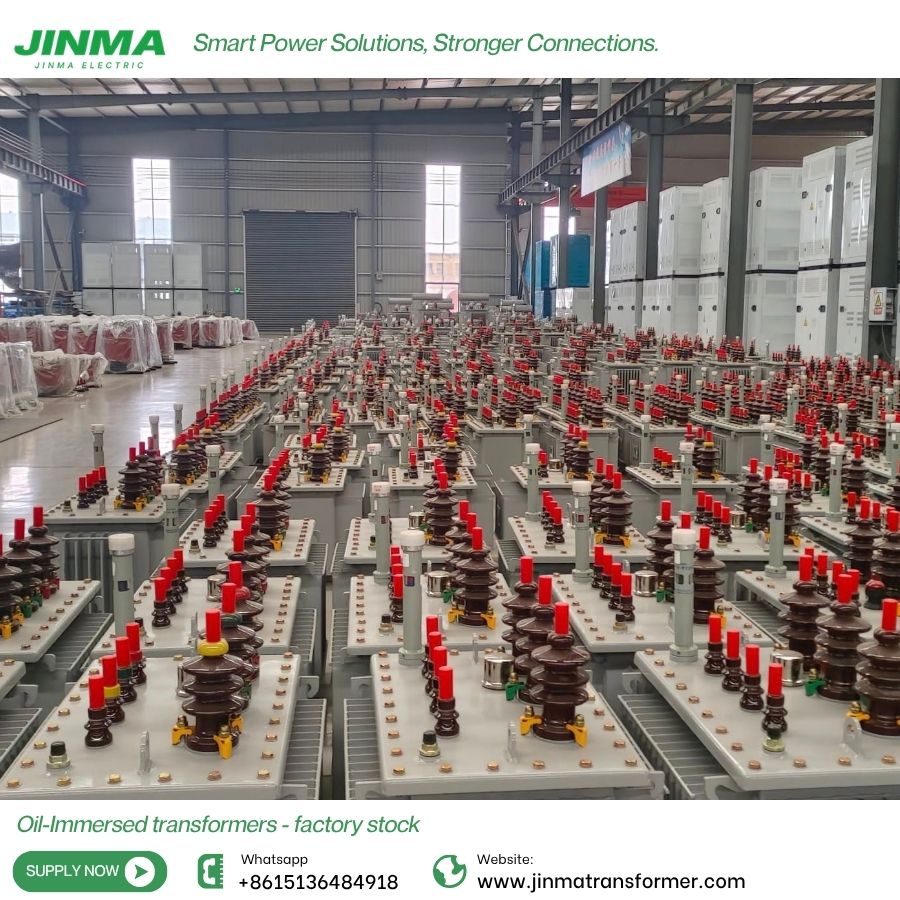
Factor 6: Comprehensive analysis of on-site environment and installation conditions
The on-site environment and installation conditions are the core basis for the customized selection of transformers.Parameters such as temperature and humidity, altitude, pollution, geology, installation method, etc. will directly affect the heat dissipation, insulation, anticorrosion and mechanical properties of the equipment.
The ambient temperature is the basic influencing factor.The standard transformer design is based on the maximum ambient temperature of 40℃. The long-term high temperature environment will reduce the heat dissipation efficiency, and it is necessary to upgrade the cooling method or reduce the capacity of the equipment. Low-condensation point oils need to be selected in low-temperature areas to avoid the increase in oil viscosity from affecting heat dissipation.
The influence of sea level and altitude cannot be ignored.In areas above 1000m above sea level, the air density decreases, and the insulation strength and heat dissipation efficiency of the equipment decrease.It is necessary to increase the creepage distance of the casing, strengthen the insulation configuration, or correct the capacity reduction according to the standard.
There are high humidity, salt spray, and corrosive dust in scenes such as coastal areas and chemical plant areas.Such heavy-polluted environments need to choose high-anticorrosive spray paint, corrosion-resistant accessories, and high-grade external insulating sleeves to avoid equipment corrosion and flashover failures.
In earthquake-prone areas, the seismic performance of equipment needs to be considered.Transformers with reinforced tanks, reinforced support structures, and special seismic bases are selected to meet IEC 60076-11 and IEEE 693 seismic standards to withstand earthquakes and mechanical vibration shocks.
However, the selection of indoor and outdoor installation scenarios is very different. Outdoor equipment must have rainproof, sunscreen, antifreeze, and condensation-proof capabilities, and be equipped with oil tank anti-seepage facilities.Indoor equipment focuses on fire prevention, noise reduction, ventilation and heat dissipation, and flame-retardant ester insulating oils are preferred.
Factor 7: Verify the safety configuration and protection monitoring system
A perfect safety protection and monitoring system is the core guarantee to prevent transformer fire, explosion, breakdown, and shutdown accidents.When selecting the model, it is necessary to be equipped with standard protection devices and upgrade the intelligent monitoring system as needed.
Verify the security configuration
The basic necessary protection devices include gas relays, pressure release valves, oil temperature indicators, winding temperature indicators, and oil level indicators.The complete set of devices can monitor the internal abnormalities of the equipment in real time, realize alarm and trip protection.
The gas relay can detect the impact of gas and oil flow generated by the internal arc and insulation breakdown of the equipment, and timely warn of hidden internal faults.The pressure release valve can quickly release the pressure when the internal pressure of the equipment rises sharply, preventing tank cracking and explosion accidents.
The oil temperature and winding temperature monitoring device can monitor the temperature rise status of the equipment in real time, linkage the start and stop of the fan and oil pump, and trigger protection tripping when the temperature is over temperature to avoid overheating and aging damage.
Electrical protection device
In terms of electrical protection, secondary systems such as differential protection, overcurrent protection, ground fault protection, and over-excitation protection are required.All protection devices need to be accurately matched with the transformer bushing, CT, and secondary circuit to achieve rapid fault isolation.Fire-proof, explosion-proof and seepage-proof configurations are essential.The equipment needs to be equipped with special oil tanks, anti-seepage cofferdam, and fire-proof partitions. Automatic fire-extinguishing devices can be installed in key indoor scenes, and flame-retardant insulating oils can be selected to eliminate the risk of fire spread.
For important substations and core industrial loads, the intelligent online monitoring system can be upgraded.It includes functions such as DGA online gas analysis, partial discharge monitoring, optical fiber hot spot temperature measurement, and moisture monitoring in oil to realize state maintenance and predict faults in advance.
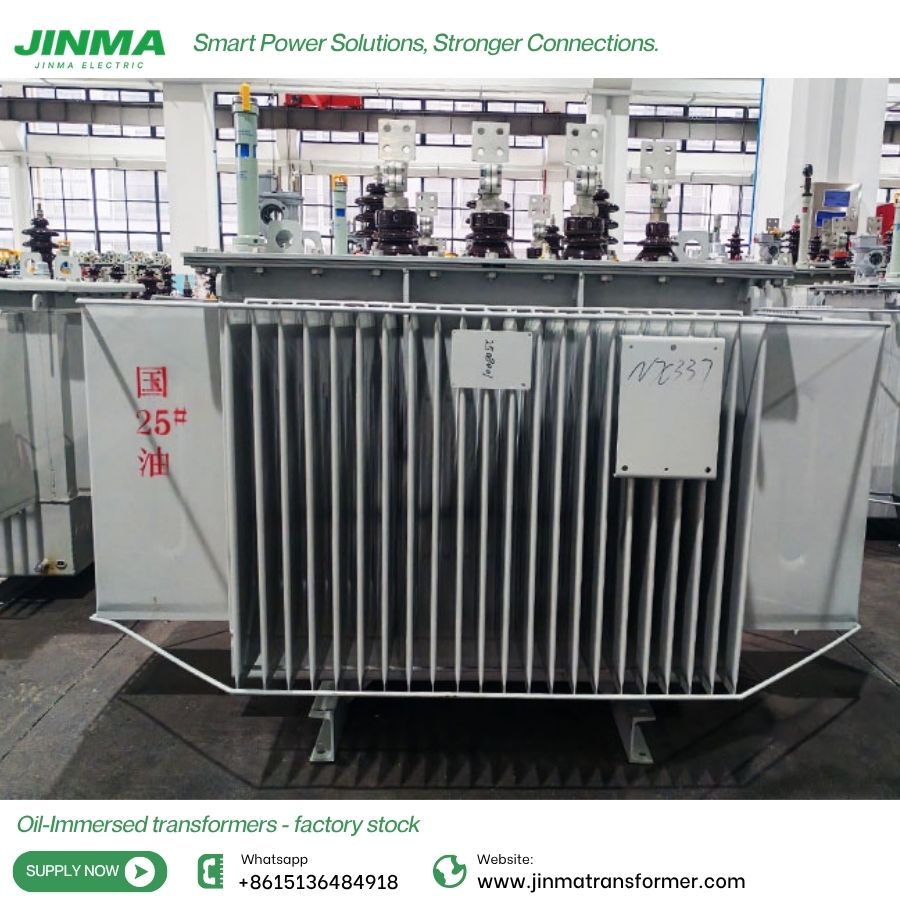
Factor 8: Assessment of transformer manufacturing standards
Design process of oil-immersed transformer
The design of the core iron core and winding is the key to quality.Manufacturers of high-quality oil-immersed transformers use high-permeability, low-loss oriented silicon steel sheets with stepped lap lamination technology to effectively reduce no-load loss and operating noise. The winding is made of high-purity copper material, with a reasonable winding structure and cooling air duct.
High-quality oil-immersed transformers need to have qualified short-circuit tolerance. Through precise structural reinforcement and winding support design, it can resist the huge electric power generated by the short circuit of the system, avoid deformation, displacement, and damage of the winding, and ensure the safety of the equipment under the condition of failure.
Oil-immersed transformer manufacturing standards
All transformer manufacturers must strictly follow IEC 60076 and IEEE C57 series international standards, as well as corresponding special standards for oil products, bushings, and tap switches.Parameter design, testing and testing, and production technology must all meet the standards.
Regular manufacturers need to have a complete production quality control system, including precision iron core processing, dust-free winding, vacuum drying, oil injection sealing, tank welding and other complete processes.Passed the ISO9001 quality system certification to ensure product consistency and stability.Factory inspection is the core of quality verification. Each equipment must complete routine tests, and representative models must pass type tests.Including loss test, withstand voltage test, temperature rise test, short circuit test, local discharge test, etc., all data must meet the guaranteed value of the transformer factory.
Factor 9: Evaluate the cost of oil-immersed transformers
The life of oil-immersed transformers is as long as 30-40 years. Procurement is only a one–time investment. Operation and maintenance, energy consumption, maintenance, and failure losses are the long-term core costs.The selection must evaluate the economy from the perspective of the whole life cycle.
The difficulty of operation and maintenance of equipment of different structures varies significantly. ONAN’s natural cooling structure has no moving parts, simple operation and maintenance, few failures, and lowest maintenance costs. Equipment with OLTC on-load voltage regulation and forced cooling has a complex structure and requires regular maintenance of fans, oil pumps, and tap switches.Many low-cost equipment has low initial investment, but has high losses, many failures, and frequent operation and maintenance. After converting the full cycle cost of 30 years, the total cost is much higher than that of high-quality and efficient equipment.
Factor 10: Choose a reliable oil-immersed transformer manufacturer
The strength of immersion transformer manufacturers is the ultimate guarantee of equipment quality and long-term service.No matter how perfect the selection plan is, if there is no reliable transformer manufacturer on the ground, there will be problems such as inconsistent parameters, shrinking technology, and missing after-sales service.
Have technical design capabilities. High-quality immersion transformer manufacturers have independent electromagnetic simulation, thermal simulation, and short-circuit verification design capabilities, and have a large number of landing cases of equipment of the same voltage level and capacity, which can be adapted to conventional and special customized working conditions.
Strictly verify the strength of production and quality control. It has a standardized production workshop, a full set of processing and testing equipment, and a perfect quality control system. It can provide complete type test reports and routine test data to support factory acceptance and verification.
Improve project performance and market reputation.Give priority to brands with long experience, rich project cases, low failure rate, and good market reputation to avoid problems such as OEM, OEM, and unstable technology in small factories.
Provide after-sales guarantee services.The high-quality immersion transformer factory can provide a full set of technical information, installation guidance, commissioning services, long-term spare parts supply, and rapid fault response to ensure the stable operation of the equipment throughout the life cycle.
Conclusion
The selection of oil-immersed transformers is a set of systematic and standardized professional work, which is by no means a simple parameter matching and price comparison. Jinma Electric provides customized oil-immersed transformer solutions according to your voltage level, capacity, operating environment and application needs.Our experienced team will support your project throughout the process, covering all aspects from design to delivery.
Frequently asked questions
Q1: Is it better to choose the capacity of the oil-immersed transformer to be larger?
It’s not that the bigger the better.Moderately reserved 10%-25% expansion margin can be adapted to future load growth, but excessive size can easily lead to long-term light-load operation of equipment, reduced operating efficiency, continuous waste of no-load loss, and extremely poor long-term economy.
Q2: How to choose the cooling methods of ONAN and ONAF?
ONAN is preferred for small and medium-sized conventional power distribution, low load rate, and noise-sensitive scenarios; for medium and large-capacity, high peak load, high load rate, and site-restricted scenarios, the ONAF cooling method that can switch overload is preferred.
Q3: What are the advantages of ester insulating oils over mineral oils?
Ester oils are flame-retardant, fire-retardant, biodegradable, environmentally friendly and pollution-free. They are suitable for high-demand scenarios such as indoor, densely populated, and surrounding water sources. They can greatly reduce the risk of fire and environmental protection. The only shortcoming is that the procurement cost is higher than that of mineral oils.
Q4: What is the most overlooked problem in transformer selection?
Most choices easily ignore hidden factors such as altitude capacity reduction, high temperature heat dissipation correction, future load growth, harmonic capacity reduction, and full-cycle energy consumption costs, resulting in mismatched parameters and uneconomical operation after the equipment is put into operation.