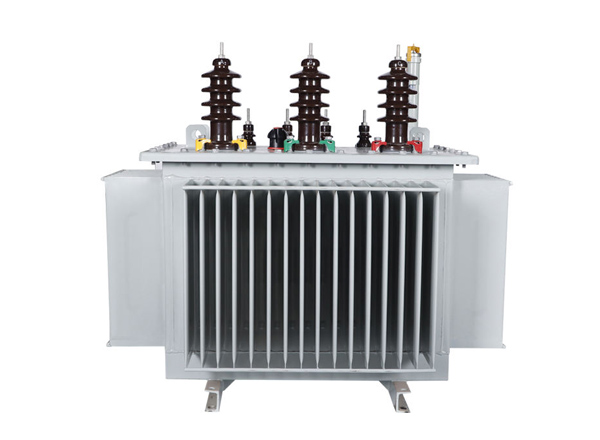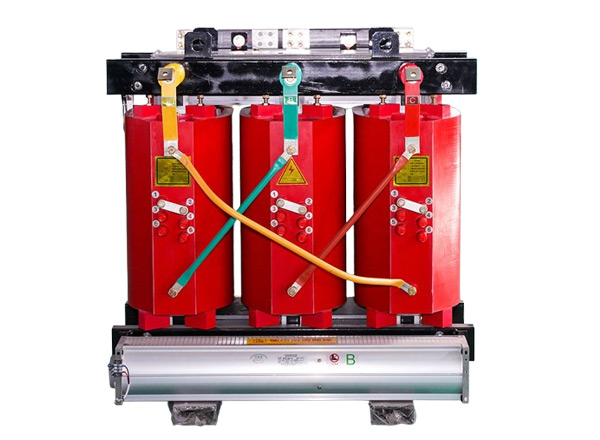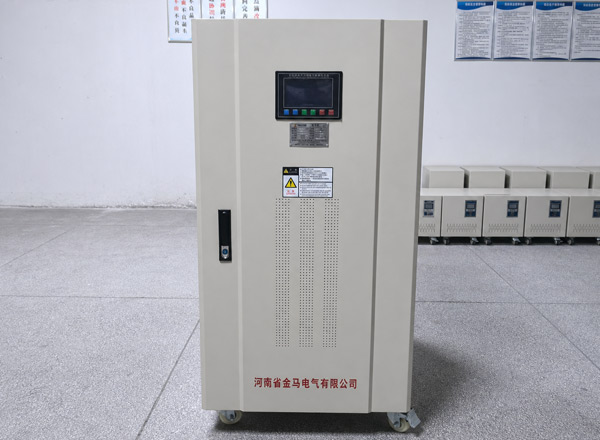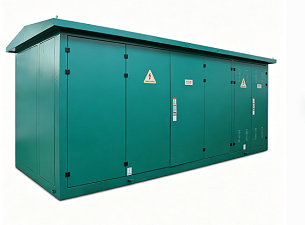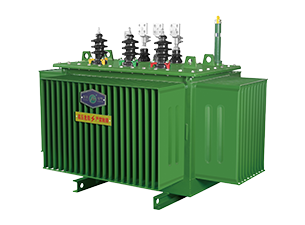


Transformer capacity (kVA) selection is the core link of power engineering design, capacity selection is too large or too small, will bring long-term hidden danger to the project. Small capacity easily lead to equipment overload overheating, frequent tripping, shorten the service life; large capacity will cause the initial investment waste, no-load loss increase, reduce operating efficiency. Combined with industry standards and practical experience, this article explains in detail the transformer kVA capacity of a full set of selection methods to help engineers accurate selection, taking into account the safety of equipment, operational efficiency and long-term economy.
Transformer kVA rating and load calculation basis
kVA is the core rating parameter of the transformer, different from the commonly used power unit kW, mainly used to measure the apparent power of the equipment, but also the core basis for transformer heat dissipation and load adaptation. Transformer rated capacity is not a fixed value, affected by the primary voltage, secondary voltage, phase wiring, common delta, star, zigzag wiring, corresponding to different capacity adaptation standards. At the same time, according to ANSI, IEC industry standards, transformer voltage is allowed to exist ± 5% of the standard tolerance, selection calculations need to be reserved for the corresponding error space.
Load calculation is the basis for selection, the core is to count the total power consumption of all electrical equipment in the project, covering all electrical equipment such as motor, lighting, HVAC, control cabinet, etc., combined with the operating characteristics of the equipment to account for the real load, to provide data support for the accurate selection of kVA.
kVA selection core elements: load type and peak demand
Load rate is a key indicator for judging the reasonableness of selection, and different load characteristics correspond to completely different selection logic. High load rate (more than 80%) represents stable load, all-weather operation, commonly found in data centers, cold chain warehouses, 24-hour lighting garages and other scenes, such scenes are stable power supply, can be adapted to the precise capacity, but also enjoy the preferential tariffs of the power grid. However, the high load rate in office buildings and schools, the probability is that the equipment is not shut down on time, which is an abnormal signal of energy consumption.
Low load rate (below 20%) represents large load fluctuations, high instantaneous peaks, and short running times, typical scenes are sports field lighting, irrigation pumps, rainwater sewage pumps, etc. It is worth noting that commercial and office scenarios with low load rates are mostly anomalies, and the probability is that the equipment selection is too large, metering failures, and may also generate peak electricity late fees, increasing operating costs.
Steps and methods for accurate kVA capacity calculation
Accurate calculations need to follow a standardized process, which starts with checking all nameplate parameters of the power-using equipment and recording core data such as voltage, current, and number of phases. According to NEC specifications, continuous operation of more than 3 hours of equipment, need to be accounted for 125% of the rated current, offset motor start-up inrush and the risk of overheating equipment, no labeling of the equipment power factor can be uniformly estimated at 0.8.
Secondly, complete the unit conversion, the core formula: kVA = kW / power factor. Multi-device scenarios need to be sub-calculated and then summarize the total capacity, while reserving 10% -25% of the expansion margin, and finally unified upward matching the national standard capacity. For example, the total capacity of multi-device accounting for 176.94kVA, you need to choose 200kVA standard transformer, to eliminate the problem of insufficient capacity.
Matching kVA capacity with application scenarios and environment
Transformer nameplate rated capacity for the standard working condition values, the actual available capacity will be greatly affected by the installation environment. Ambient temperature, ventilation conditions, equipment spacing, surrounding heat sources, altitude, will change the equipment cooling efficiency. High temperature, confined space, poorly ventilated installation environment, will exacerbate the transformer temperature rise, reduce the actual load capacity.
In addition, high altitude air thin, heat dissipation effect is greatly reduced, dry-type transformers need to be targeted to amend the capacity parameters, can not directly follow the plains selection criteria. Indoor and outdoor installation, protection level, environmental temperature difference and other factors, all need to be considered in the selection, to protect the long-term stable operation of the equipment.
Common Selection Mistakes: Overload and Oversize Capacity Issues
The two most common misconceptions in practice for insufficient capacity and excessive selection. Small capacity will lead to long-term overloaded transformer operation, temperature rise exceeds the standard, the protection of frequent action, accelerate the aging of the insulation, directly shorten the service life of the equipment, and even lead to failure and shutdown.
And blind selection of large-capacity transformer drawbacks are equally significant, not only will increase the initial cost of equipment procurement, installation, but also produces sustained no-load loss, resulting in waste of energy, reduced operating efficiency, while large-scale equipment takes up more installation space, increasing the difficulty of operation and maintenance, long-term operating costs far more than the initial savings in the budget.
Transformer capacity finalization and long-term optimization
Before determining the capacity, it is necessary to verify the parameters according to the industry standard and distinguish between continuous load and discontinuous load. Industrial production lines, ventilation systems and other continuous loads, must strictly follow the safety factor specification; elevators, temporary equipment and other short-term non-continuous loads, can be flexibly adapted to the parameters. At the same time, motor equipment needs to take into account the start-up instantaneous high current, to avoid peak loads leading to equipment overload.
In order to protect the long-term value of use, selection needs to reserve space for capacity expansion, combined with the project long-term planning to predict the incremental power consumption, priority selection of modular, strong compatibility of transformer products. At the same time to do a good job of equipment installation protection, to avoid extreme weather, illegal occupation and other issues, while adapting to the current load, to meet the future demand for upgrading, to realize the whole life cycle of efficient, low-cost operation.