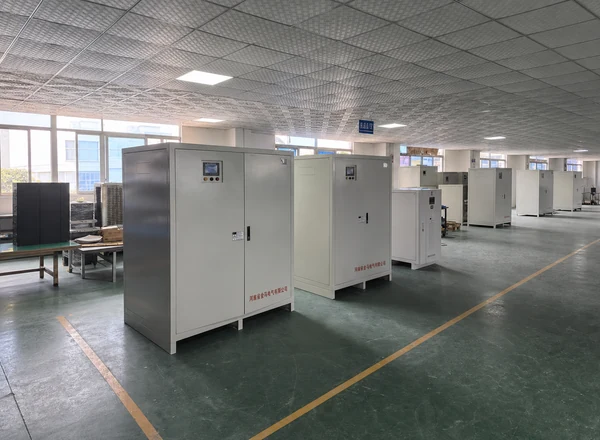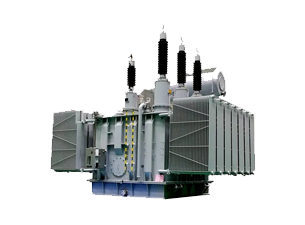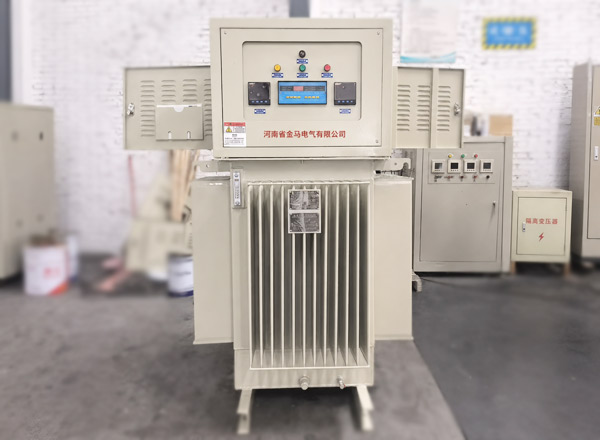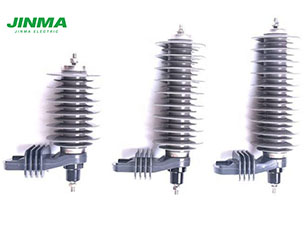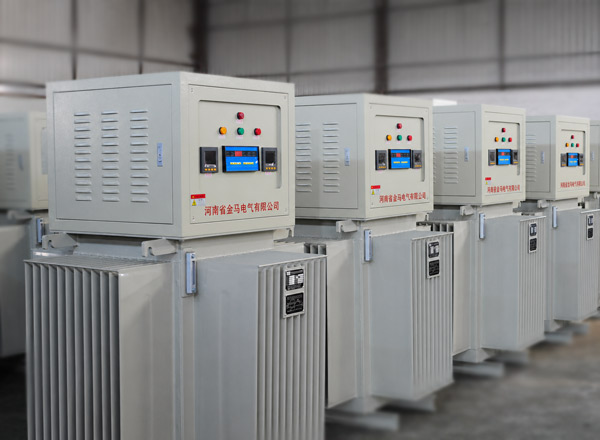


Power transformers and distribution transformers are two core pieces of equipment that are indispensable in the transmission and distribution of electricity. There are many differences in characteristics and applications. Jinma Electric helps you quickly select a transformer for your project to ensure the efficient and safe operation of the power system.
What is a power transformer?
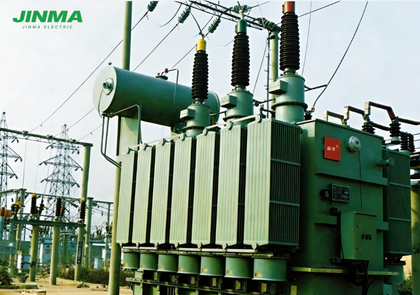
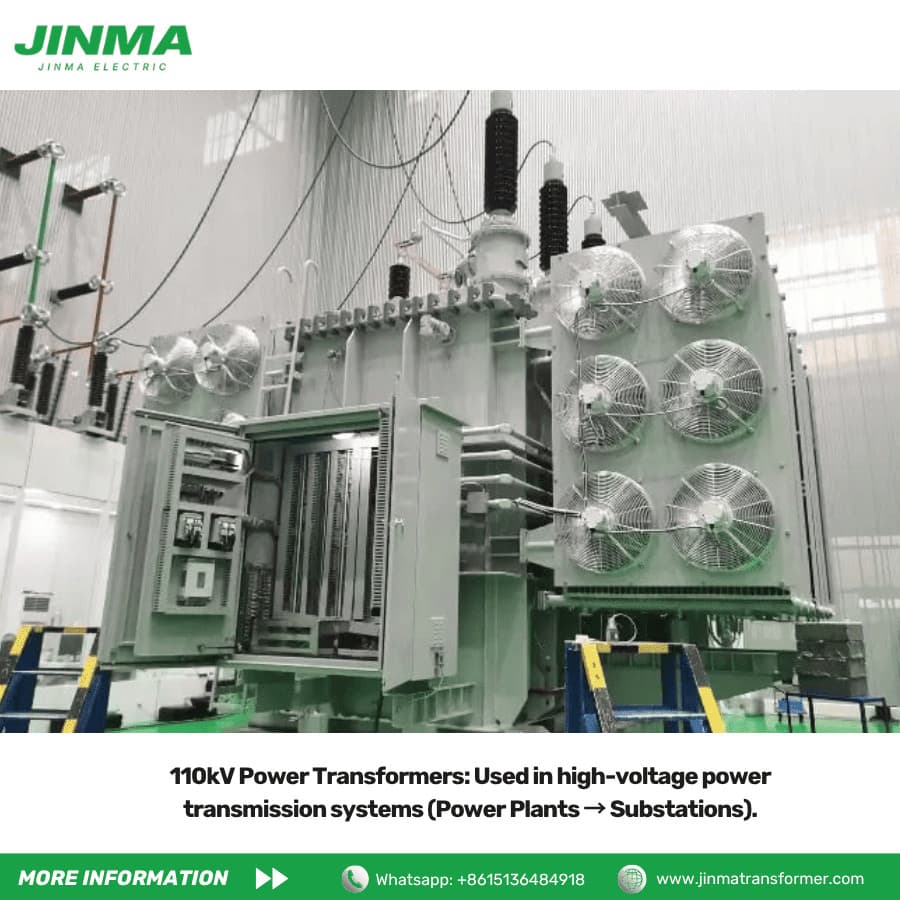
Power transformer is the core equipment of the power transmission network, mainly used between the power station and the substation, the core function is to realize the high voltage step-up or step-down, the power is efficiently transmitted from the power station to the substation around the world.
Key features
- Voltage range: high voltage operation is the main, usually power transformer operating voltage is higher than 33kV, to meet the high voltage demand of long distance transmission.
- Installation location: power transformers are mainly used in power stations and large-scale transmission substations, far away from end-users, focusing on the core link of power transmission.
- Efficiency design: power transformers are mostly under full load in daily operation, and the full load efficiency directly determines the transmission loss.
- Size and use: power transformers are bulky and consume a large amount of material, the core role of Lian Li transformer is to reduce the energy loss in the process of long-distance power transmission by boosting the voltage.
What is a distribution transformer
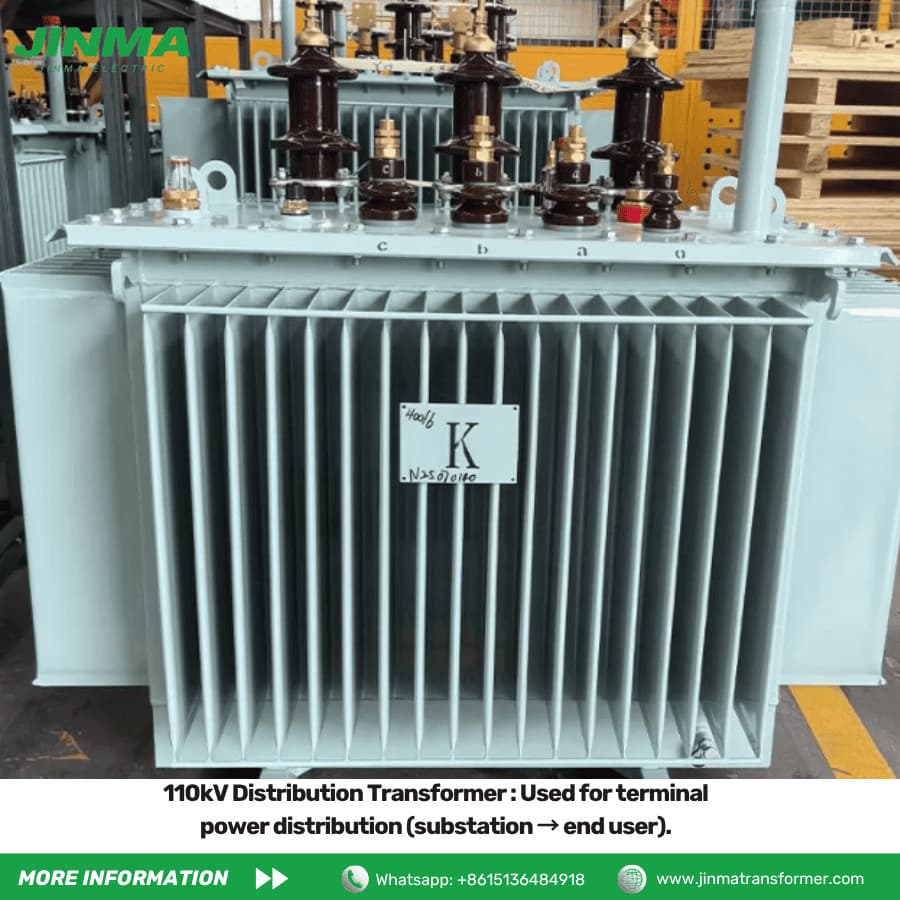
Distribution transformer is the terminal equipment of the power distribution system, in the final link of power transmission, the core function is to transform the substation to deliver high-voltage power, down to the voltage level suitable for residential, commercial and industrial users, to realize the final distribution of power.
Key features
- Voltage range: mainly operating at low voltage, usually below 33kV, the final output voltage is adapted to the end-users’ needs, such as 220V for residential use, 380V for industrial use, and so on.
- Installation location: distribution transformers are installed near residential communities, commercial complexes, factories, and some small distribution transformers can be directly installed on outdoor poles to facilitate proximity power supply.
- Efficiency design: optimize the operating efficiency under partial load conditions, because the end-user electricity load fluctuation is large, the daytime electricity peak, the nighttime electricity trough load difference is obvious, need to adapt to different load scenarios of efficient operation.
- Size and use: compact size, relatively simple structure, the core role of the distribution transformer is to provide stable power supply for end-users, to realize the power from the substation to the user’s “last mile” delivery.
Key Comparison: Power Transformer vs Distribution Transformer
The differences between power transformers and distribution transformers run through the use, scenarios, performance, cost and other dimensions, clear these differences, is the core premise of accurate selection, the following detailed comparison from 8 key dimensions.
Use difference: transmission vs distribution
The function of power transformer is power transmission, mainly used between power station and substation, to facilitate long-distance transmission. The function of distribution transformer is power distribution, which reduces the high voltage power delivered by substation to low voltage power that can be directly used by users, and distributes it to various power consumption scenarios, such as residential, commercial, industrial and so on.
Application scenarios: centralized vs decentralized
The application of power transformer is centralized, mainly distributed in the power station, large transmission substation, serving the whole region’s power transmission needs.
Distribution transformer application scenes are relatively decentralized, covering residential communities, commercial complexes, factories, office buildings, outdoor temporary power (such as construction sites) and so on.
High capacity vs. medium-low capacity
As power transformers undertake high-voltage, long-distance transmission tasks, the rated value and power are at a high level. Usually the rated value is higher than 200MVA, and the power rating is more than 300MVA, which can meet the demand of large-capacity power transmission.
Distribution transformers mainly serve end-users, the rating and power are relatively low, usually rated below 200MVA, the power is suitable for end-users of small and medium power needs, without the need to bear the pressure of large-capacity transmission.
Full load vs variable load
Power transformer in daily operation is basically in full load state, load fluctuation is small, the core assessment index is commercial efficiency or maximum efficiency, to ensure the stability of long distance transmission.
Distribution transformers are mostly under light load in daily operation, and the load fluctuation is obvious – the peak load rises during the day, and the trough load falls at night.
Overall low vs overall high
Power transformer overall efficiency is slightly lower, the standard model efficiency of about 80%, mainly because of its large size, large current, energy loss is relatively high; however, the efficiency of high-end power transformers can reach 97% -99%, can effectively reduce transmission losses.
Distribution transformer overall efficiency is higher, usually up to 90% or more, because of its small size, load adaptability, energy loss is lower, more suitable for end-user variable load operation scenario.
High loss vs low loss
Power transformer loss mainly from the core of the eddy current loss and hysteresis loss, due to its large size, core dosage, and running current, loss is relatively higher, these losses are mainly in the form of heat loss, the need for supporting cooling system.
Distribution transformer has no core related parts, only a small amount of hysteresis loss, and because of its small size, running current is small, the overall loss is much lower than the power transformer, without complex cooling system, operation and maintenance cost is lower.
Cost difference: high cost vs low cost
The cost of power transformer is relatively high, on the one hand, its large size, large amount of consumables, need more metal materials and insulation materials, research and development and manufacture of power transformers cost more.
Distribution transformers are relatively low-cost, with a simple structure, compact size and a low amount of consumables.
| Equipment Type | Core Characteristics (Voltage/Rating/Efficiency/Loss) | Typical Application Scenarios | Cost Levels |
| Power Transformer | voltage >33kV, rated value >200MVA, efficiency 80%-99%, higher loss | power stations, transmission substations, long-distance power transmission lines | high |
| Distribution Transformer | voltage <33kV, rated value <200MVA, efficiency ≥90%, lower loss | residential communities, commercial complexes, factories, outdoor poles | lower |
How to Quickly Recognize Transformers?
In the actual scene, without the help of professional instruments, through three simple methods, you can quickly distinguish between the power transformer and distribution transformer, convenient for on-site troubleshooting, selection and verification.
Recognition from the size: look at the size
Power transformer volume is huge, especially for power station boosting model, usually need a special room or outdoor site separate installation.
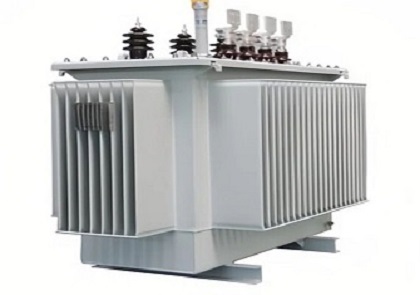
Distribution transformers are compact, small distribution transformers can be installed directly on outdoor poles, large distribution transformers can be accommodated in a small engine room, the overall size is much smaller than the power transformer.
Installation location
Power transformers are mostly installed in areas far away from end-users, mainly concentrated in power stations, large substations.
Distribution transformers are installed in residential communities, factories, factories, commercial buildings nearby, to reduce low-voltage transmission losses.
Voltage marking: look at the nameplate parameters
Any transformer nameplate will be marked on the operating voltage, which is the most accurate basis for identification. Nameplate labeling voltage higher than 33kV, can be basically determined as a power transformer; labeling voltage lower than 33kV, mostly distribution transformers.
At the same time, the rating on the nameplate (MVA) can also assist in recognizing the rated value is higher than 200MVA, the probability of power transformers.
How to choose the right transformer for your project?
Step 1: Assess the total connected load. Clarify the total electrical load (in kVA) of the project, and also confirm the power factor of the equipment, which is the basic basis for selection, to avoid mismatch between load and transformer power.
Step 2: Adjust peak demand. Analyze the load fluctuation, apply the diversity factor, and account for the peak load line.
Step 3: Match size and voltage. Select a standard transformer size that is higher than the calculated load and ensure that the transformer voltage matches the project power system voltage.
Step 4: Increase safety margin. Allow a safety margin for unexpected peak loads.
Step 5: Plan for future growth. Allow for load growth to avoid costly upgrades at a later stage due to increased load.
Jinma Electric is a leading transformer manufacturer in China. We provide technical advice on selection and optimization of transformer solutions in conjunction with projects for customers in different regions.
Case Study: Power Transformers in Industrial Scenarios
In December 2025, a large-scale Mexican Nissan automobile assembly plant placed a bulk order for power transformers with Jinma Electric.
The automotive production line requires a very high level of stability and efficiency in power supply, and any voltage instability could lead to production line downtime, resulting in huge economic losses.
We recommended a 33kV power transformer from Jinma Electric, taking into account the plant’s production characteristics (high load fluctuations, continuous operation, and high-voltage power supply requirements).
Application results
After the transformer was installed and put into use, the plant achieved significant results: first, the unplanned downtime due to voltage instability was greatly reduced; second, the power loss and operating costs were effectively reduced; third, the reliable thermal performance of the power transformer prolonged the maintenance cycle and reduced the operation and maintenance costs.
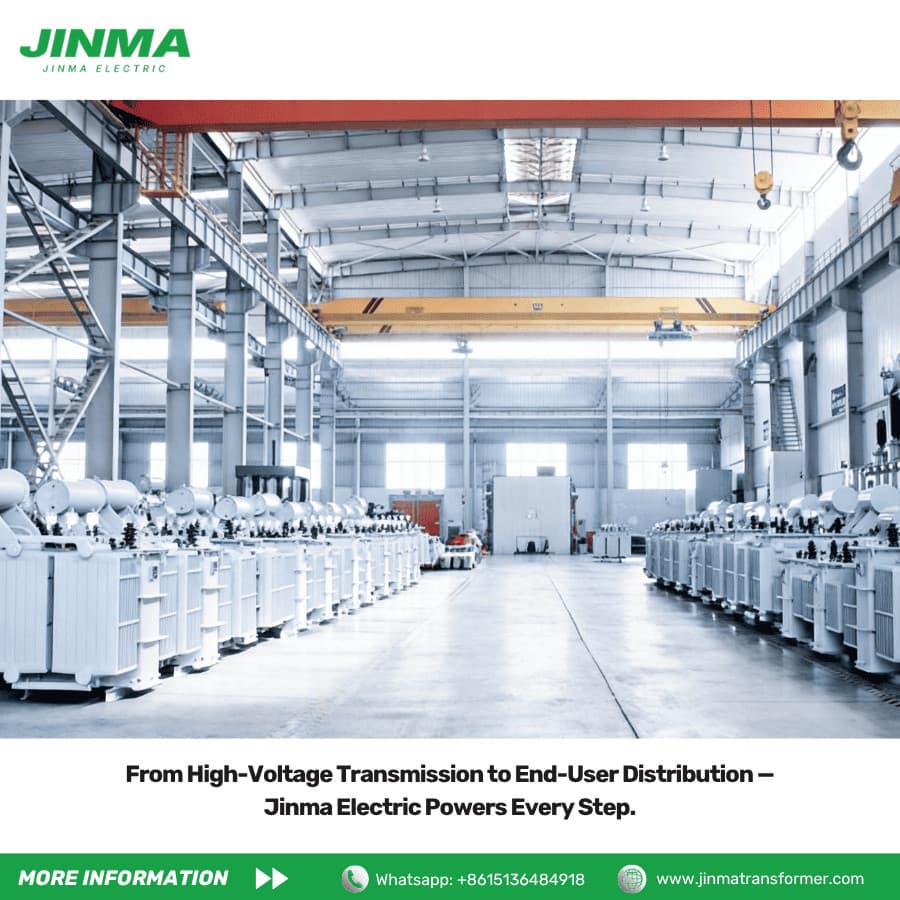
Expert Solution: Jinma Electric Transformer OEM Service
Jinma Electric specializes in the research, development and production of high-quality transformers, and its products are widely recognized by OEMs and industrial professionals, with rich industry experience and mature production technology.
Services
We provide customized and standardized dual solutions, and can customize exclusive transformer products according to the project’s load, voltage, and scenario requirements; we also provide professional technical support and rapid response service services.
Whether you are designing a new power system or upgrading existing equipment, if you need advice on transformer selection, customized solutions or quotations, you can contact Jinma Electric to provide customized transformer solutions for all types of projects.
More read: Power Transformers vs. Distribution Transformers: Key Differences and Applications
FAQs about Transformers
Q1: Can a power transformer be used as a distribution transformer?
No, it is not. If a power transformer is used as a distribution transformer, it will not only cause cost wastage, but also increase power loss due to mismatch in efficiency, and even cause safety hazards, which will affect the safety of end-users.
Q2: What kind of transformers are used in the transmission system?
Power Transformer is used in the transmission system, which boosts the low-voltage power generated by the power station to high voltage for efficient transmission over long distances; after reaching the substation, it is then stepped down to adapt to the subsequent power distribution needs of the substation.
Q3: Why should distribution transformers be installed near customers?
There are two core reasons: 1. Safety, distribution transformers need to reduce high voltage power to low voltage power that can be used by users, and installing them close to users can avoid the safety hazards of long-distance low voltage transmission of high voltage power; 2. Energy saving.
Q4:Can Jinma Electric transformers be installed outdoors?
Yes. Jinma Electric transformers are manufactured with sturdy structural design and advanced insulation technology, and can be directly installed outdoors, which can effectively withstand the effects of wind, rain, high temperature, low temperature and other weather, and at the same time, can prevent electrical failures and guarantee the stability and safety of outdoor operation.
Q5:What is the efficiency difference between power transformer and distribution transformer?
The efficiency difference between the two is mainly reflected in: power transformer focuses on full load efficiency, the standard model efficiency is about 80%, high-end models can reach 97% -99%, but the loss is higher; distribution transformer focuses on part-load efficiency, the efficiency is usually more than 90%, the loss is lower.