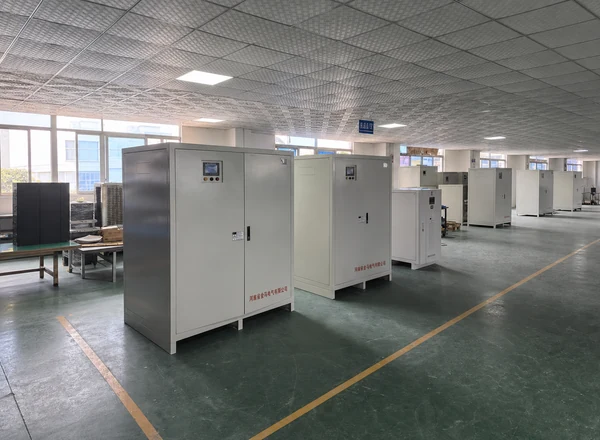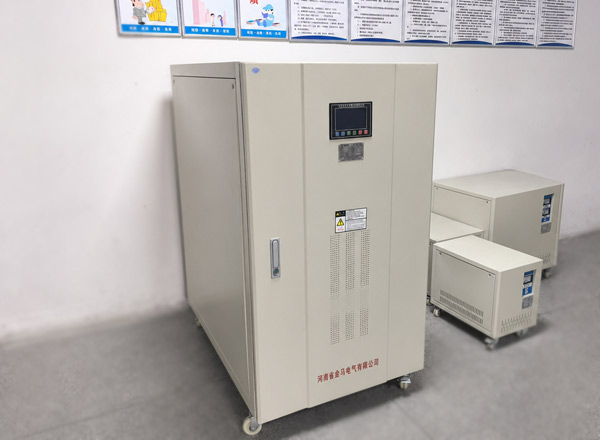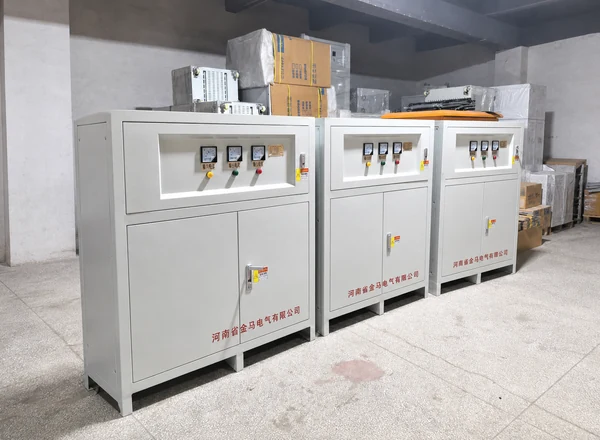


As the core equipment of the power distribution system, the choice of transformer installation form is crucial. Box-type and pole-type transformer as the most widely used two types, in the applicable scene, technical characteristics and cost investment there are obvious differences in its selection is reasonable, directly related to the project’s construction costs, the later operation and maintenance efficiency and safety of electricity. In this paper, we will compare the advantages and disadvantages of the two adaptive scene, the core idea is: combined with the actual project scene, budget planning and safety standards, select the most suitable transformer type.
What is a Pad-Mounted Transformer?
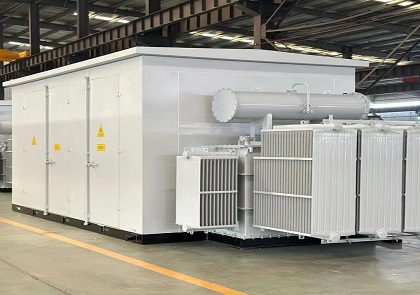
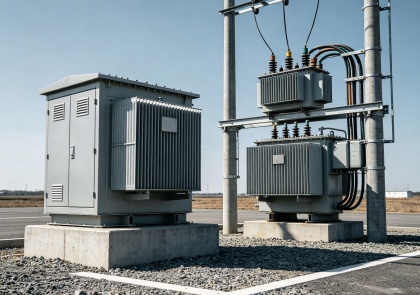
Pad-Mounted Transformer (box-type transformer) is a ground-mounted power distribution equipment, the core of which is to put the transformer body into a locking steel cabinet, fixed to a concrete base to form a fully enclosed installation. All electrically connected parts are sealed by the grounded metal enclosure, without additional protective fencing, can be flexibly installed in space-constrained areas, both space-saving and high safety protection. The box-type transformer is used for underground distribution lines, and its core function is to convert from high voltage to low voltage to meet the needs of large buildings or multiple residential users; it has a rated power of 15 to 5000 kVA, integrated fuses and switches, and elbow connectors for high voltage cables to support live operation, simplify operation and maintenance, and reduce outage losses, and it is suitable for use in areas where safety and aesthetics are important.
What is a Pole-Mounted Transformer?
Pole-Mounted Transformer (Pole-Mounted Transformer) refers only to its hanging on the pole installation, is not an independent transformer category, essentially still belongs to the category of distribution transformers. The main function of this kind of transformer is to realize the voltage step-down, which can transform the high-voltage power into safe and usable low-voltage power, and at the same time, it can also complete the boosting operation according to the actual demand for electricity, in order to adapt to the use of special scenarios; its conventional rated capacity is not more than 250kVA, mainly used for carrying small power loads, according to the product type can be divided into oil-immersed, dry-type and so on, which can satisfy the basic power supply demand in different scenarios. The biggest advantage of pole-type transformer is that The biggest advantage of pole-type transformer is easy to install, without the need to carry out complex ground reconstruction works, can be directly connected to the existing overhead lines, the initial installation cost is more economical, is a small load power supply and power supply in remote areas of the ideal choice.
Key Technical Differences
Installation, box-type transformer need to lay concrete base fixed to the ground, suitable for underground distribution lines, space saving and do not damage the landscape, low construction difficulty; pole-type transformer hanging in the poles, suitable for overhead lines, without ground transformation, installation and fast, rural, light suburban priority to choose the pole-type, dense urban areas priority to choose the box-type.
Design, box-type fully enclosed with locking steel shell, divided into high and low voltage compartments, can be matched with American prefabricated substations, suitable for large-scale commercial and industrial scenarios; pole-type design simplicity, mostly oil-immersed, exposed components, relying on a high degree of protection, suitable for remote areas.
Capacity and expandability, box-type capacity of 15-5000kVA, support for high and low voltage, flexible expansion, suitable for large loads; pole-type capacity of up to 250kVA, suitable for small loads, poor expansion.
In terms of safety, box-type fully enclosed design, suitable for public dense area, convenient ground operation and maintenance, low risk; pole-type relies on a high degree of protection, exposed components, susceptible to weather, operation and maintenance difficulty and risk is higher.
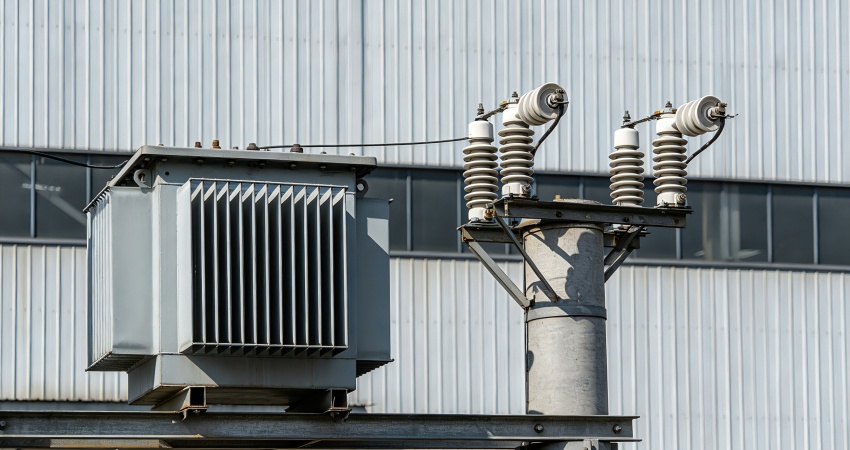
Choosing the Right Transformer for Your Project
Transformer selection without blind pursuit of “high-end” or “low-cost”, the core is combined with the actual needs of the project, from the five dimensions of comprehensive judgment:
Infrastructure: underground line priority box type, overhead line priority pole type, adapt to the existing grid to reduce costs.
Aesthetic requirements: strict landscape areas choose box-type, remote low requirement areas choose pole-type;
Security accessibility: box-type for densely populated areas (fully enclosed, convenient operation and maintenance), and pole-type for remote and less populated areas (low cost);
Cost budget: pole-type for short-term small loads and limited budgets, and box-type for long-term large loads (cost-effective for the whole life cycle);
Environmental conditions: flood-prone areas are prioritized for pole-type, and box-type needs to be elevated for waterproof protection.
Application Cases
The following are typical applications of the two transformers, which can be visualized to assist in the selection:
Box-type transformers are mainly used in suburban residential development zones, shopping centers and office complexes, airports and large campuses, underground wiring of industrial parks, suitable for densely populated, underground wiring coverage, high requirements for safety and aesthetics and power supply stability of the scene, to meet the large-scale loads, long-term power supply and capacity expansion needs.
Pole-type transformers are mainly used in rural distribution networks, small towns and villages, remote industrial or agricultural facilities, construction sites for temporary power supply, suitable for dispersed population, overhead line coverage, small loads, budgetary constraints of the short-term or remote scenarios, easy to install, low cost.
Summarize
In summary, the core difference between box-type and pole-type transformer stems from the installation form, extending to the capacity, safety, cost and scene adaptation, no absolute advantages and disadvantages, the key in the adaptability. As a professional transformer manufacturers, we know the importance of selection, such as the need for specific project parameters to obtain customized selection program, you can contact the technical team to obtain one-on-one professional support.