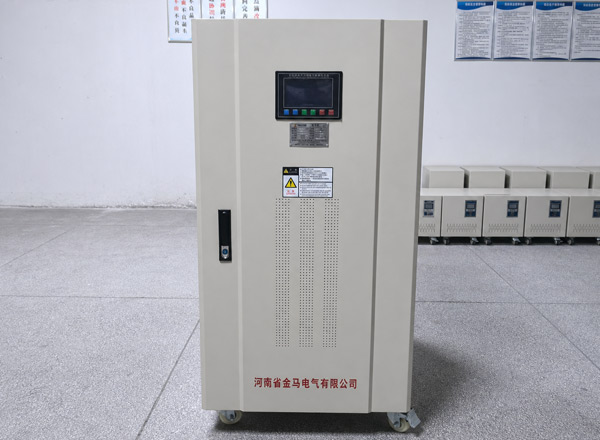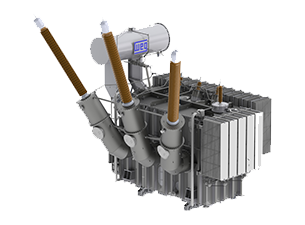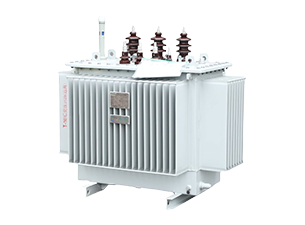


Switchgear is behind electrical failures in industrial plants and sudden power outages in residential areas. As a core component of the power system, switchgear works in conjunction with the transformer to perform the key functions of regulation, protection and isolation. This article will answer the question “What is switchgear? Why is it so important in a power system?” This article will answer the central question “What is switchgear and why is it important in a power system?” and help readers quickly understand its core value.
What is Switchgear?
Definition of switchgear
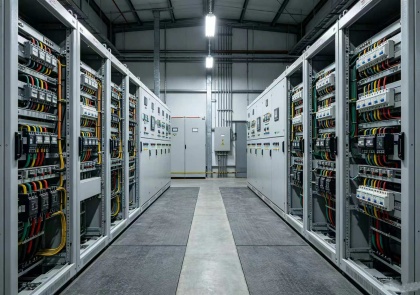
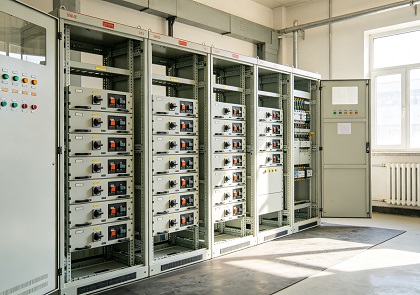
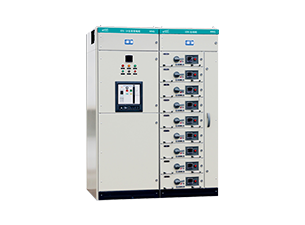
Switchgear is a metal-enclosed system that integrates circuit breakers, fuses, switches, power conductors and other control devices, the core of which is used to regulate, protect and isolate the power system, and is the key supporting equipment for the power system and transformer to work together. Among them, the circuit breaker is the most commonly used core components, its and fuses, disconnect switches, etc. with each other to form a complete protection link, close linkage transformer protection work, to ensure stable operation of the power system.
Core function of switchgear
The core function of the switchgear is mainly reflected in three aspects: one is the protection function, when the power system has a short circuit, overload and other faults, it can cut off the current in time, limit the expansion of the fault range, and effectively protect the transformer and other power equipment from being damaged; the second is the regulating function, which can reasonably control the flow of power, optimize the power distribution, and transformer synergism to enhance the energy efficiency of the entire power system; the third is the isolation function, which can realize the safety of the equipment power failure. The third is isolation function, which can realize the safe power outage of the equipment and provide a safe environment for the maintenance and repair of the transformer and other power equipment.
Daily cognition of switchgear
In the daily cognition, the figure of switchgear is all over all kinds of electric power scenes, whether it is the distribution room of residential buildings or the control room of large power plants, you can see its existence. Choosing the right switchgear can effectively avoid the selection errors in electrical design and avoid the hidden trouble caused by mismatched components, which is also the basis for guaranteeing the stable operation of the power system.
Types of switchgear (voltage class classification)
Voltage Classification Overview
According to the division of voltage carrying capacity, switchgear is mainly divided into three major types: low-voltage, medium-voltage and high-voltage. Different types correspond to different voltage levels and are used in conjunction with the corresponding specifications of transformers to match different application scenarios and to meet the operational requirements of various power systems.
Low-voltage switchgear
Low-voltage switchgear, with a voltage range of up to 1kV, is often used on the low-voltage side of distribution transformers, and is widely used in the low-voltage power supply of residential buildings, small commercial premises and industrial plants. Its core components include low-voltage main switchboards, distribution panels, circuit breakers and disconnect switches, of which low-voltage main switchboards can be adapted to 400V distribution transformers with a capacity of up to 4MVA. The low-voltage switchgear is easy to install and maintain, cost-effective for low-voltage scenarios, and safe for non-professionals to operate, and is suitable for low-voltage monitoring needs in intelligent power distribution scenarios such as the Xiongan New Area. In practical applications, many factories in China have paired Astronergy LV switchgear with distribution transformers to create cost-effective LV power distribution solutions that ensure stable power supply and reduce later operation and maintenance costs.
Medium Voltage Switchgear
Medium-voltage switchgear, with a voltage range of 1kV to 35kV, is mainly used in power transmission and distribution lines, generator sets, and large-scale industrial plants, and is a key connecting device between transformers and high-voltage power grids. Its core components include circuit breakers with high-current breaking capacity, disconnecting switches, protective relays, and gas-insulated switchgear, which can be adapted to meet the needs of 110kV and other medium-voltage substation renovation. Medium-voltage switchgear is the most widely used type of switchgear due to its outstanding cost performance, balanced performance, and adaptability to various scenarios in the industrial and electric power industries.
High-voltage switchgear
High-voltage switchgear has a voltage range of more than 35kV, and is mainly used in power generation, transmission systems, substations, power plants, and with high-voltage transformers for extra-high-voltage and large-capacity power transmission scenarios. Its core components include high-reliability circuit breakers, GIS equipment, and arc protection devices, and the voltage level of some products can cover 72.5 to 1100 kV. High-voltage circuit breakers are mainly classified into oil less circuit breakers, air circuit breakers, and sulfur hexafluoride circuit breakers, of which sulfur hexafluoride circuit breakers can be technologically modified to achieve environmental protection and emission reduction. High-voltage switchgear can safely control large-scale power systems, withstand high voltage and high energy, and guarantee the stable operation of high-voltage transformers and transmission networks, and some products can realize intelligent transformation.
Types of Switchgear (Classification of Insulating Media)
Overview of insulation medium classification
According to the classification of insulation medium, switchgear is mainly divided into air-insulated switchgear and gas-insulated switchgear. This classification mainly focuses on the high-voltage field, combined with the protection needs of the high-voltage side of the transformer, and the two types have their own characteristics, which are suitable for different installation environments and operational requirements.
Air-insulated switchgear
Air-insulated switchgear uses ambient air as the insulating medium, is mostly installed outdoors, covers a large area, is easy to inspect and maintain, and is often used for transformer protection in outdoor high-voltage substations. Its advantages are low initial investment cost, simple design, convenient maintenance, and suitable for outdoor high-voltage scenarios with sufficient space; the disadvantage is that it is susceptible to environmental factors, such as dust, humidity, pollution, etc., which affects its operational stability and requires more frequent maintenance, and it is not suitable for harsh environments or space-constrained scenarios.
Gas-insulated switchgear
Gas-insulated switchgear uses sulfur hexafluoride gas as the insulating medium, which can be replaced by gas mixing technology or clean air insulation for environmental protection. Its core feature is that it adopts metal enclosed shell, compact structure, and can be used in indoor, outdoor and other space-constrained scenarios. It is suitable for urban substations, underground facilities, and offshore platforms, and can realize the intelligent transformation of primary and secondary integration. Sulfur hexafluoride-nitrogen mixed gas GIS equipment has been successfully applied in the 220kV substation in Pinglin, Xiangyang, Hubei, which is expected to reduce the use of sulfur hexafluoride by about 5,000 kilograms after commissioning, significantly reducing the environmental impact while ensuring safe operation. Gas-insulated switchgear has high reliability, low maintenance costs, is not affected by the external environment, has a long service life, and a single intelligent control module can integrate control, acquisition, and analysis functions, reducing the use of cables and components; its disadvantage is the high initial investment cost, and the use and recycling of Sulfur Hexafluoride gas needs to comply with the environmental protection standards, and the recycling rate can be improved by modifying the recycling device to reduce emissions.
Importance of Switchgear in Power Systems
Overview of core values
Switchgear is an indispensable core component of the power system, and its synergy with the transformer directly determines the safe, stable and efficient operation of the power system, and has an irreplaceable role in the normal operation of various power scenarios.
Safeguard the safety of power system
Safety and security is the most core value of switchgear, which can effectively prevent electrical safety hazards, protect power equipment, especially transformers and operators from faults and overloads, and reduce the risk of power accidents. In the electrical design, the reasonable selection and correct use of switchgear can effectively avoid the hidden danger of failure caused by improper selection, and avoid equipment damage and safety accidents caused by component matching problems.
Maintaining power system stability
System stability is an important function of switchgear. When a power system failure occurs, switchgear can quickly isolate the fault area to avoid paralyzing the entire power system, thus guaranteeing the continuity of power supply and reducing transformer losses due to fault shutdown. Whether it is industrial production or residential life, a stable power supply is essential, and the existence of switchgear provides a strong guarantee for the continuity of power supply.
Improving the energy efficiency of the power system
Improving energy efficiency is an important role of switchgear, which can reasonably regulate power flow, optimize power distribution, reduce energy waste, and work with the transformer to improve the energy efficiency of the entire power system.
Adapting to power system development
Flexibility and adaptability are the outstanding advantages of switchgear. Its modular design allows it to be flexibly adapted to the expansion and modification needs of the power system, thus responding to the development trend of urbanization and new energy grid integration. As the power infrastructure continues to be upgraded, the flexibility of switchgear can better meet the needs of various emerging power scenarios.
Synergy with transformers
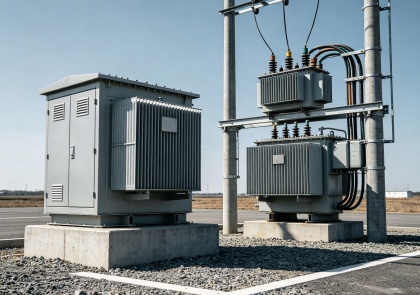
The stable operation of a power system hinges on the effective coordination between switchgear and transformers. Transformers serve as the core voltage regulation equipment, stepping up voltage for long-distance power transmission and stepping down voltage for regional distribution. Switchgear, on the other hand, acts as the critical safety guardian. Its primary role is to protect transformers and the power grid by rapidly isolating fault currents during abnormal conditions, thereby preventing potential damage to transformers caused by faults.
Through rational configuration of the operating logic of switchgear, orderly tripping can be achieved during a fault. This strategy prioritizes the isolation of the faulty section, effectively minimizing the scope and duration of outages for both the power system and transformers. A practical example illustrates this synergy: a foreign-invested factory has implemented a solution pairing a 480V to 380V transformer with Chint switchgear. The transformer’s overload characteristics are precisely matched with the thermal-magnetic tripping curve of the Chint switch. In the event of a short circuit or severe overload, the switch can disconnect the power within milliseconds, providing effective protection for the transformer and all connected downstream equipment.
Practical application scenarios for switchgear
Overview of application scenarios
Switchgear has a particularly wide range of applications, covering industrial production, the power industry, residential and commercial areas, special environments, and many other areas. Regardless of whether it is a traditional power scenario or an emerging power scenario, switchgear is an essential part of the equation, and in all of these scenarios it works in tandem with the transformer to safeguard the reliability and stability of the power supply.
Industrial applications
The industrial sector is one of the main application areas for switchgear. In factories and manufacturing plants, switchgear is used to protect critical production equipment, work with transformers to achieve efficient power distribution in the plant, and ensure the safety of equipment maintenance operations. To minimize the risk of improper selection and wiring errors, many industrial facilities prioritize the use of highly reliable switchgear in their electrical design to ensure the stable operation of production lines.
Power industry applications
The electric power industry is the core application field of switchgear, in substations, power plants and huge transmission and distribution networks, switchgear plays a key role in control and protection, it and transformers work together to promote the efficient transmission and distribution of power, but also to adapt to the development needs of the intelligent substation upgrading, regardless of high-voltage transmission system or low-voltage distribution network, switchgear in the electric power control and protection of the system play an indispensable role in ensuring the overall stability of the power system. Switchgear plays an indispensable role in power regulation and system protection, and can guarantee the overall stability of the power system.
Residential and commercial building applications
In residential and commercial buildings, low-voltage switchgear is mainly used. It cooperates with distribution transformers to realize indoor low-voltage power supply control, covering scenarios such as residential districts, office buildings and shopping centers. The stable supply of daily electricity to residents and the smooth running of commercial activities cannot be separated from the protection and regulation of low-voltage switchgear. This equipment can effectively prevent power outages caused by overload or short circuit, and ensure the normal operation of daily production and commercial activities.
Special environment application
For special environments, the selection of switchgear must be closely integrated with specific environmental characteristics. For urban substations, underground facilities, offshore platforms and other space-constrained or harsh environments, gas-insulated switchgear (GIS) is preferred because of its good adaptability. For example, offshore wind turbine towers equipped with GIS can maintain stable operation even in complex and harsh marine environments, ensuring continuous and reliable power supply.
Emerging Application Scenarios
In large-scale photovoltaic and wind power generation projects connected to the grid, as well as Xiong’an New Area intelligent power distribution project and other smart grid upgrading projects in these emerging application scenarios, switchgear will be closely coordinated with the transformer, to achieve efficient access and transmission of new energy power, and with the rapid development of the new energy industry, switchgear application scenarios are also expanding, to provide strong technical support for the new energy grid connection and comprehensive utilization.
Factors in Switchgear Selection
Core principles of selection
Choosing the right switchgear can effectively ensure the stable operation of the power system and reduce the risk of failure and operation and maintenance costs. When selecting switchgear, you need to take into account the actual needs and focus on the following key factors to ensure that the switchgear is compatible with the transformer and the entire power system.
Component reliability
Component reliability is the core factor of selection, and manufacturers with good brand reputation should be selected, such as Chint Electric, Xikai Electric, Chint International, etc., in order to guarantee the quality of components and ensure the adaptability with the transformer and long-term stable operation. Many of the hidden dangers of electrical design failures stem from poor quality or improper selection of components, the selection of reliable components can avoid the risk from the source.
Voltage level and application scenario suitability
Matching voltage and application scenarios is the basis of selection. According to the actual voltage demand, installation space and application scenarios, switchgear with matching voltage levels should be selected to avoid improper selection affecting system operation. In electrical design, only focusing on nominal parameters and ignoring the actual working condition matching, or selecting low-specification products for cost control, this kind of improper selection is a common “invisible trap”, which will lead to frequent failures in the later stage. Therefore, the matching of voltage and application scenarios is crucial.
Environmental considerations
Environmental protection is an important consideration in the current selection process. Priority should be given to the selection of equipment with environmentally friendly features, such as sulfur hexafluoride gas recovery devices, mixed gas-insulated switchgear (GIS), and clean air-insulated GIS, in order to comply with the requirements of low-carbon emission reduction and reduce the impact on the environment. The mixed gas GIS technology used in Pinglin substation in Xiangyang, Hubei is a typical example of environmentally friendly selection, which not only guarantees the performance of the equipment, but also reduces the emission of greenhouse gases.
Seismic performance requirements
Seismic performance should be determined in conjunction with the geological conditions of the installation area. In earthquake-prone areas, switchgear with seismic resistance must be selected to ensure the safe operation of the power system and transformers under extreme working conditions, and to avoid damage to the switchgear caused by earthquakes, which may lead to the paralysis of the power system.
Future trends in switchgear technology
Development trend overview
With the upgrading of power infrastructure, new energy grid connection and the development of intelligent technology, switchgear technology is developing in the direction of high efficiency, environmental protection and intelligence, with huge future market potential, while facing new development opportunities and challenges.
Market Scale Forecast
Market forecast shows that the switchgear market will maintain a compound annual growth rate of 6.5% in the next ten years, with the main driving force coming from the demand for power infrastructure upgrading, new energy grid connection and intelligent transformation. With the continuous development of the global power industry, the market demand for switchgear will continue to grow, providing strong support for the development of the industry.
Emerging Market Opportunities
Emerging markets have become the new growth point of the switchgear market, Africa, Latin America, Southeast Asia and other regions to increase investment in electric power infrastructure, driven by the demand for matching switchgear transformers. The power infrastructure in these regions is relatively weak, and with the increase in investment, the application scenarios of switchgear will continue to expand, providing manufacturers with a broad market space.
Core technology innovation
Technological innovation is the core driving force for the development of switchgear. Artificial intelligence-based condition monitoring, self-healing grid technology, intelligent transformation of main and auxiliary integration, and sulfur hexafluoride environmental protection substitution technology continue to improve the efficiency and safety of switchgear, and collaborate with transformers to promote the level of intelligence. Among them, Sulphur Hexafluoride environmentally friendly alternative technologies (such as gas mixing technology and clean air insulation technology) have been successfully applied in a number of substations, which has become an important trend in the development of the industry.
Business Opportunities
In terms of business opportunities, for manufacturers and service providers, we can expand value-added services such as predictive maintenance and energy management solutions, and provide integrated services in conjunction with transformer O&M needs. With the increasing level of power system intelligence and the growing demand for O&M services, expanding value-added services has become a brand new direction for the industry.
Conclusion
Summary of key points
Switchgear is a metal-enclosed power control equipment, internal integration of a variety of control components, as the core of the power system to assume the regulation, protection, isolation functions, and work with the transformer, is the indispensable core of the power system supporting equipment. Whether it is low-voltage, medium-voltage or high-voltage scenarios, whether it is in the field of traditional electric power or emerging new energy fields, switchgear plays an irreplaceable role.
Development significance and suggestions
As a basic component of power infrastructure, the quality and selection of switchgear directly determines the safe, efficient and flexible operation of the power system, and its synergistic work with transformers is the key to guaranteeing the continuity of power supply and reducing the risk of power accidents. Reasonable selection, proper component matching and environmental upgrading can effectively improve the operating efficiency of the power system, reduce operation and maintenance costs, and help the power industry realize low-carbon and intelligent development.
Follow-up Guide
If you want to know more about switchgear selection technology, consult with industry experts, or explore switchgear products (including transformer matching solutions) suitable for your needs, please keep following the relevant industry information and obtain professional solutions, so that switchgear can better serve the power system and help all kinds of power scenarios realize stable and efficient operation.