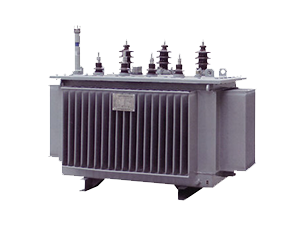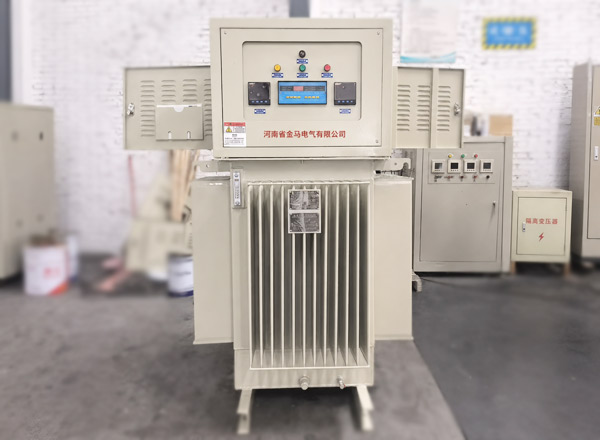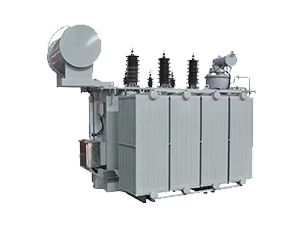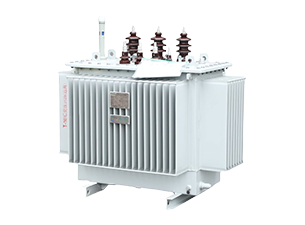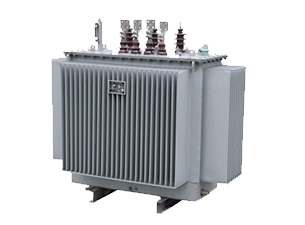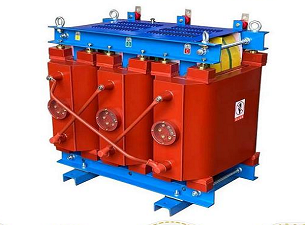


Transformer is the core equipment of the power system, distribution transformers and power transformers belong to the same category, but in the functional positioning, design parameters, application scenarios on the significant differences, directly affecting the stability of the power system, the efficiency and cost of electricity enterprises. In this paper, we will dismantle the difference between the two from the core definition, parameter differences, selection impact and industry trends, etc., to provide professional reference for relevant practitioners.
Core definition and positioning
Power transformer: the core hub of the power transmission network
A power transformer is a static electrical device that realizes the transmission of electrical energy between circuits through electromagnetic induction, and maintains a constant frequency during operation. Its core function is to raise and lower the voltage of high-voltage transmission lines. It can either step up the low-voltage power generated by a power station to a high-voltage level of 33kV to 700kV, providing support for long-distance power transmission and reducing energy loss during transmission, or step down the high-voltage power at the end of the transmission to provide the appropriate base voltage for the distribution system.
The equipment does not generate electricity, but is only responsible for efficient power transmission, designed to focus on the pursuit of extreme efficiency under full-load conditions, with an efficiency of up to 99.5% or so, the core application of power generation stations, high-voltage transmission substations and other power transmission and distribution of the core links, is the key hub connecting energy production and regional power distribution.
Distribution transformer: the “last kilometer” carrier of end-use electricity
Distribution transformers are mainly responsible for delivering grid power to end-users such as households, enterprises, and commercial buildings, and are the core carriers connecting the grid to end-users. Common installation scenarios include poles in residential areas, the outside of densely populated buildings, and some underground areas with limited space.
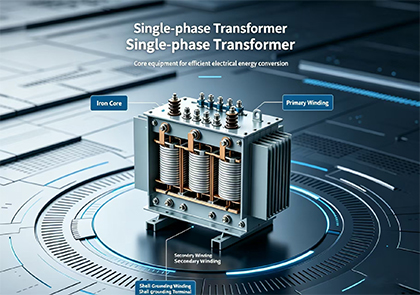
As a typical step-down transformer, it reduces the high voltage of the transmission line to a low voltage of 230V to 33kV, ensuring the safe use of end-use electrical equipment. The internal structure of the equipment consists of copper coils and iron cores, through which energy is transmitted without destroying the voltage structure; unlike distribution feeders, it only connects a single building or a group of buildings without integrating multiple facilities, and is similar in structure to an autotransformer, but with a special way of connecting the windings to realize the power supply on both sides of the load, and it is mainly suited to the scenarios of residential, commercial, and small-scale industrial power consumption, where the load changes frequently due to the fluctuation of end-usage demand.It is mainly suitable for residential, commercial and small-scale industrial power consumption scenarios.
12 core parameter differences
Grid type: Power transformers are suitable for high-voltage transmission networks, while distribution transformers are suitable for low-voltage distribution networks.
Equipment size: Power transformers are much larger than distribution transformers due to complex design specifications.
Design efficiency: The efficiency of power transformers at full load is about 99.5%, while the efficiency of distribution transformers is only 50%-70%.
Voltage level: Power transformer voltage level covers 33kV-700kV, distribution transformer is 230V-33kV.
Efficiency Calculation: Power transformers calculate efficiency based on the ratio of output power to input power, while distribution transformers are measured in terms of the ratio of output to input kilowatt hours (kWh) over a 24-hour period.
Core application scenarios: Power transformers are used in power stations and transmission substations, while distribution transformers are used in end-use scenarios such as homes, businesses and commercial buildings.
Maximum use capacity: the maximum use capacity of power transformers ≥200MVA, distribution transformers <200MVA.
Operating conditions: power transformers always run at full load, distribution transformers run below full load.
Magnetic flux density: power transformer magnetic flux density is higher, distribution transformer is relatively lower.
Load fluctuation: power transformer load fluctuation is very little, distribution transformer due to the end-use characteristics of electricity fluctuation is frequent.
Functional use: power transformer can realize two-way voltage rise and fall, distribution transformer can only unidirectional step-down power supply.
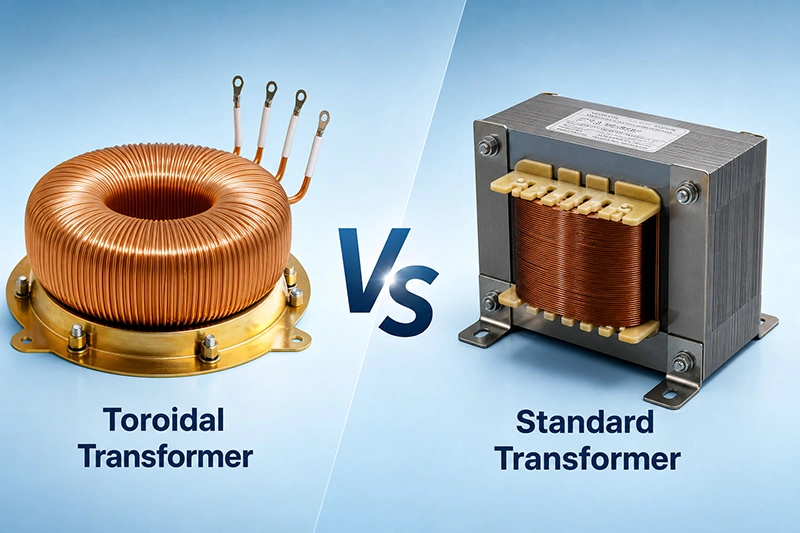
Core design: power transformer core design pursuit of high magnetic flux density, close to the saturation point of the B-H curve to reduce the core quality, distribution transformers are more E-type core structure.
Impact of selection
The wrong choice of transformer can have a number of negative impacts, which are particularly critical for businesses. In the manufacturing industry, for example, power interruptions can cost up to $5 million per hour of downtime, and transformer reliability is the foundation of a stable power supply.
Choosing the right transformer is the core of an organization’s efforts to improve power efficiency and reduce long-term operating costs. Initially only the pursuit of procurement cost savings is not the optimal choice, high quality, suitable for the scene of the transformer can effectively reduce power loss, reduce the probability of equipment failure, and thus reduce maintenance expenditures. On the contrary, improper selection will lead to increased power loss, frequent equipment failure, directly erode the profitability of enterprises.
Selection Guide
Define the voltage demand
If you need to realize the voltage rise and fall of high-voltage transmission lines, choose power transformers; if you need to reduce the high-voltage power to the end-usable low-voltage, choose distribution transformers; residential scenarios prioritize the use of single-phase transformers, and industrial scenarios need to be combined with the actual needs of the load to match.
Matching power capacity
If the industrial site is equipped with heavy machinery, choose a high-capacity power transformer or three-phase distribution transformer; for general commercial and residential scenes, choose a small-capacity distribution transformer to ensure that the capacity is appropriate to the load demand.
Suitable for installation environment
Outdoor overhead line scenarios choose pole-type distribution transformers; indoor narrow space preferred dry-type distribution transformers; large power transmission scenarios need to reserve enough space to install large power transformers.
Weighing the operating costs
Distribution transformer overall maintenance needs are low, but outdoor installation of transformers need to increase the frequency of inspection; power transformers due to long-term full-load operation, need to focus on operation and maintenance to reduce the risk of failure.
Industry trends
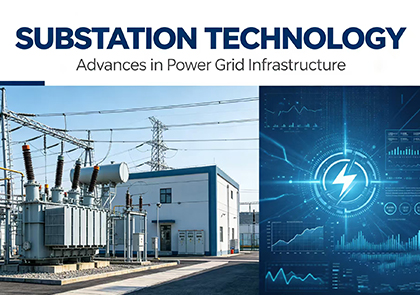
The current core trend in the transformer industry is the deep integration of smart transformers and digital substations, which is the key to the digitalization and intelligent upgrading of power systems. Smart transformer equipped with advanced electronic and communication technology, can independently monitor the voltage, current, temperature and other parameters and dynamic adjustment, breaking through the traditional passive mode of operation, to protect the stability of the power grid, but also with the grid system linkage, improve network efficiency, reliability and reduce energy consumption.
The value of the integration of the two is highlighted through standard communication protocols to achieve equipment synergy, support the central control center for remote regulation and control, with the help of data analysis to complete the fault prediction and grid optimization, providing the basis for infrastructure upgrades.
The trend can be adapted to distributed energy, electric vehicles and other new types of loads, help transform the energy structure, enhance the resilience of the power grid, provide support for the construction of the smart grid, and promote the development of the power industry towards digitalization, intelligence and sustainability.
Summarize
Power transformer as the core hub of high-voltage power transmission and distribution, distribution transformer is the key bridge connecting the power grid and end-use electricity, the two in the positioning, parameters and application scenarios on the significant differences, the selection needs to be closely combined with the actual scenarios, voltage levels, power capacity and operation and maintenance needs, to achieve accurate matching of equipment.