

The power we use every day, from the power plant all the way to the residents’ homes, industrial plants, can not be separated from a key hub – substation. It is like the “transfer station” of the power system, silently completing the voltage adjustment, power distribution and other important work, to ensure that the power is safe and efficiently delivered to each power terminal. In this article, we will answer in detail what is a substation, as well as its working principle, so that we can read and understand the core facilities of the power system.
What is a substation?
Core Definition
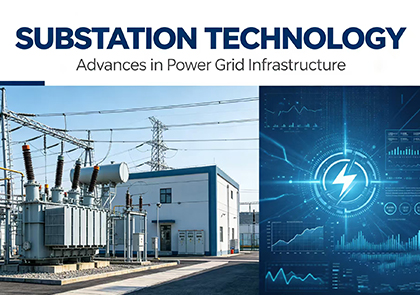
Substation is used in the power system to adjust the voltage, control the flow of electricity, protection of power equipment, key facilities, the core role of the power plant transmission of high-voltage power step-down or step-up, so that it is adapted to the end-user demand for electricity, connecting the transmission and distribution of electricity, is an indispensable “bridge” of the electric power system, and transformers, switchgear, and jointly constitute the core system of power transmission. It is an indispensable “bridge” of electric power system, and together with transformer and switchgear, it constitutes the core system of electric power transmission.
Basic Characteristics
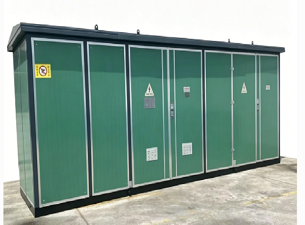
The scale of substation varies greatly, according to the different service objects, it can be divided into small substations serving residents, large substations serving industry, hospitals, schools and other organizations are often equipped with exclusive substations. It is widely distributed in urban and suburban areas, and some of them are even located within the user’s land area, which is an important node of the power network.
Safety regulations
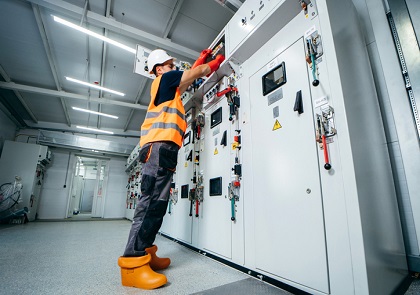
For safety reasons, substations are usually fenced or housed in dedicated buildings, and access is restricted to trained personnel only. Entrances are marked with yellow and black “High Voltage Danger, Death” signs, and each substation is assigned a unique number for easy location and management.
How does a substation work?
Workflow Overview
The core of the work of a substation is “cooperative linkage”, which realizes the safe and seamless transmission of power through the four major links of voltage adjustment, switching protection, monitoring and control, and power distribution. The whole process relies on the cooperation of various core components, among which the voltage conversion function of transformers is the most crucial.
Core working link
Voltage adjustment is the core link, the transformer through the principle of electromagnetic induction, the transmission line from the high-voltage power step-down or step-up, step-up for long-distance transmission, step-down for local distribution. In the switching and protection link, circuit breakers and disconnect switches control the flow of electricity and cut off the line in time to avoid equipment damage in case of failure. Monitoring and control relies on sensors and SCADA systems to monitor voltage, current and other parameters in real time to ensure system stability. Finally, the power is accurately distributed to various types of end-users through busbars and feeders.
The core components of the substation
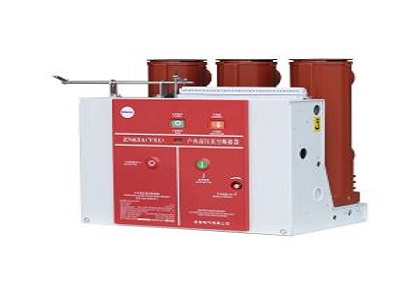
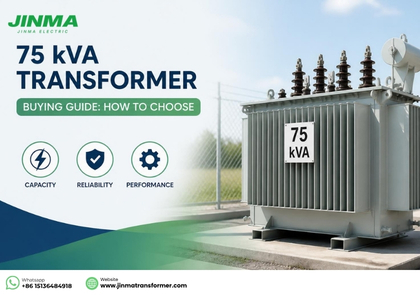
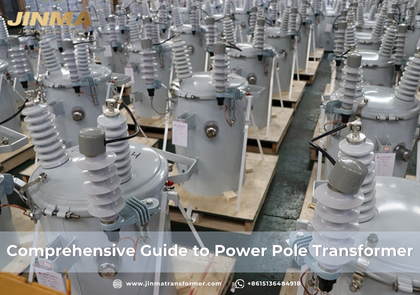
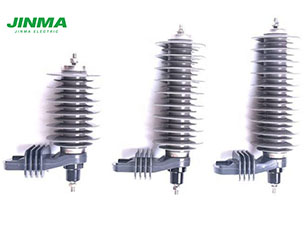
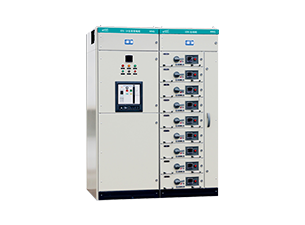
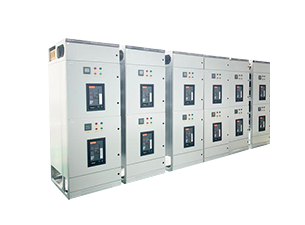
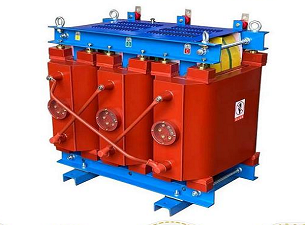
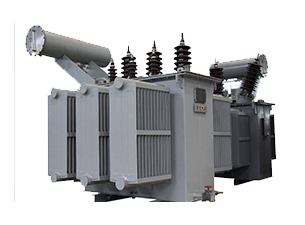
The normal operation of the substation relies on a variety of components, each component has its own role. Among them, the transformer is the core, responsible for voltage conversion; circuit breakers respond to faults and cut off the current; switchgear control and isolation of electrical equipment; busbar as a distribution node, pooling and distribution of power; in addition to protective relays, lightning arrester, capacitor bank, etc., together constitute a stable power distribution infrastructure.
The main types of substations
Divided by function, substations are mainly divided into three categories. Transmission substations are the largest and most complex, divided into boosting and bucking two kinds, respectively responsible for long-distance transmission of boosting and distribution network bucking. Distribution substations are responsible for the distribution of power within the grid and further step-down to suit end users, with distribution transformers as their key component. Collector substations are smaller in size and are mainly used to collect power from power plants and transmit it to the distribution network.
The importance of substations and development trend
Substation is the “central nervous system” of the power system, which can guarantee the reliability of power supply, protect the safety of equipment, improve the efficiency of distribution, cope with the peak of power consumption, and avoid the collapse of the system. Nowadays, digital substation has become the trend of development, the market scale continues to grow, new energy grid, policy to promote the main driving force, the future will be digital, automation, standardization direction, to better adapt to the needs of the smart grid.
Conclusion
As a key hub for power transmission and distribution, the core role of the substation is to adjust the voltage and ensure safety, relying on various types of components to work together to support the daily use of electricity and industrial production. Understanding the definition, working principle and types of substations can help us better recognize the power system and also feel the technical support behind power transmission.