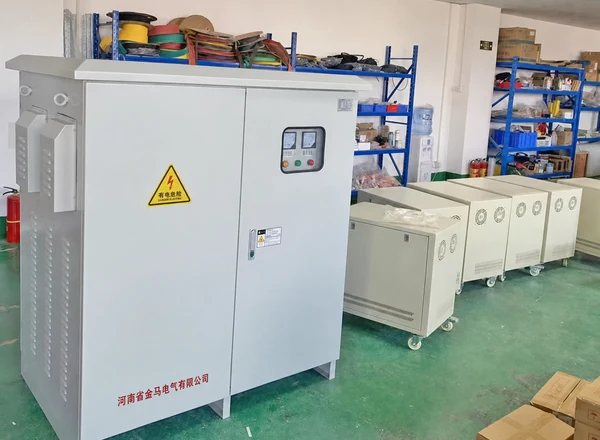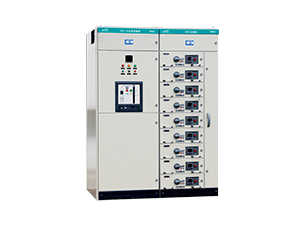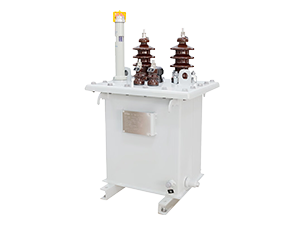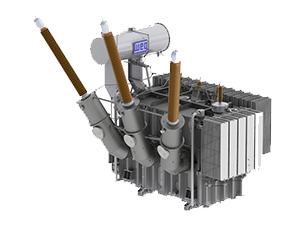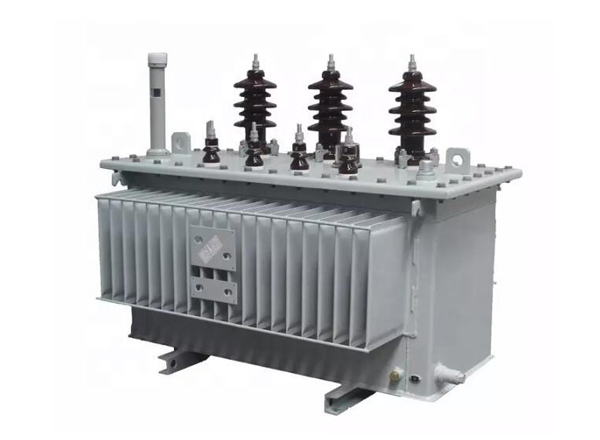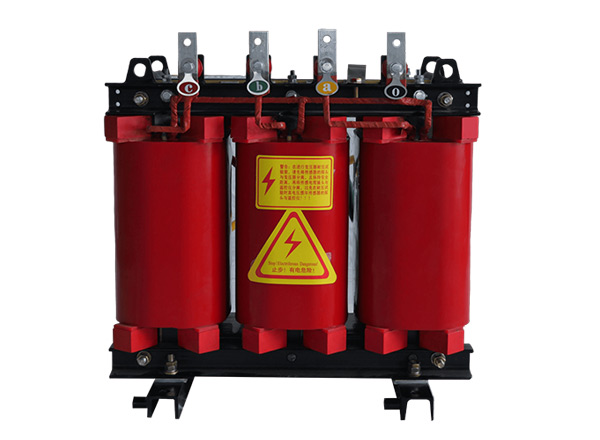


In commercial power distribution, industrial production, agricultural irrigation and small and medium-sized data center scenarios, 75kVA transformers are the most widely used medium-sized power distribution equipment. It can stably complete voltage rise and fall, electrical isolation and power distribution, and adapt to the power supply load requirements of most small and medium-sized projects. Choosing a 75 kVA transformer requires more than matching the rated capacity to your load. Primary and secondary voltage, phase, load characteristics, installation environment, efficiency, impedance, and applicable standards all affect the final selection.
Why Choosing the Right 75 kVA Transformer Matters
75kVA transformer belongs to small and medium-sized general distribution transformer, which covers a wide range of adaptation scenarios and is one of the specifications with the highest utilization rate in engineering projects. In commercial buildings, 75kVA electrical transformers mainly provide stable low voltage power supply for lighting systems, central air conditioners, and office weak current equipment. In industrial plants, it can be equipped with mechanical equipment, motors, automation control systems to ensure the continuous operation of production equipment. In agricultural scenarios, 75kVA is often used for farmland irrigation pumps, grain drying equipment, and farm supporting buildings. Small and medium-sized data centers rely on 75kVA electrical transformers to complete the power distribution of servers and cooling systems to ensure the stability of power supply in the computer room. At the same time, it can also be used as a local voltage reduction and isolation device to optimize the regional distribution network.
The model selection based solely on 75kVA capacity cannot adapt to complex field conditions. Voltage, phase number, cooling method, installation environment, load type any one does not match, will bury the potential safety hazard. It will not only reduce the operating efficiency of the equipment, increase the energy consumption and loss, but also greatly shorten the service life of the transformer and increase the operation and maintenance cost in the later period. Therefore, it is very important to select the appropriate 75kVA transformer.
75kVA Transformer: What Does kVA Capacity Mean?
Many purchasers are easy to confuse the concept of kVA and kW, which is one of the core reasons for the selection error. Simply put, kVA is the apparent power of the transformer, which is the core standard for measuring the power supply capability of the transformer; and kW is the active power of the actual work of the equipment.
During the operation of transformer, it needs to carry active power and reactive power at the same time. Motor, inductance equipment will produce reactive power when working, forming magnetic field loss. The heating degree of transformer windings is determined by the overall current size and has nothing to do with the power factor, so the industry adopts kVA as the rated capacity unit instead of kW.
75kVA represents that this transformer can stably output 75000 VA apparent power for a long time, which is the safe upper limit for continuous operation of the equipment. Combined with the conventional load power factor of 0.8 – 0.9. A 75 kVA transformer is rated for 75 kVA of apparent power. The corresponding real power depends on the load power factor. For example, at a power factor of 0.8, 75 kVA corresponds to approximately 60 kW of real power..
For the convenience of engineering selection reference, here are the full-load current standards corresponding to common voltages of 75kVA three-phase transformers. The full-load current is about 208A at 208 V, about 180A at 240V, and about 90A at 480 V. When selecting type, the basic adaptability can be quickly judged according to the rated current of the equipment.
75 kVA Transformer Specifications You Need to Check
75kVA is only the basic capacity parameter, which really determines the adaptability, safety and service life of the equipment, and is a complete set of nameplate parameters and design parameters. Before purchasing 75kVA transformer, the following five categories of indicators must be checked one by one.
Basic electrical specifications of 75kVA transformer
Primary voltage and secondary voltage is the first core element of selection, and it is absolutely impossible to default standard values based on experience. The primary side voltage needs to fully match the incoming line supply voltage on site. Common specifications include 480V, 600V, 4.16kV, 13.8kV, etc.
The secondary side voltage needs to strictly match the working voltage of the back-end load equipment, and the common specifications are 208/120V, 240V, 480V, 480/277V, etc. There is no fixed standard for the combination of primary and secondary voltages. Multiple voltage schemes can be customized for the same 75kVA transformer. The wrong selection will directly lead to the equipment not being used.
The phase number is divided into single-phase and three-phase, which needs to be strictly matched with the field power supply system. 75kVA single-phase transformers are mostly used for small commercial and rural civilian lighting loads. 75kVA three-phase transformer has stronger load bearing capacity and more balanced power supply, which is the mainstream choice for industrial plants, large commercial and data centers.
The frequencies are 50Hz and 60Hz, which are required to fully comply with regional grid standards. Frequency mismatch will lead to abnormal heating of transformer core, capacity attenuation, long-term operation will accelerate insulation aging, causing equipment failure.
Operational and performance parameters
The wiring group directly affects the phase offset and grounding adaptability of three-phase power supply. The common groups of 75kVA distribution transformer are Dyn11, Yyn0 and Dd0. Among them, Dyn11 is widely used in distribution applications, but the appropriate vector group should be selected according to the system grounding arrangement, phase displacement requirements, and local utility specifications.
Transformer impedance depends on the voltage class, design, manufacturer specifications, and applicable standards. The selected impedance should be coordinated with the expected short-circuit current and voltage regulation requirements. The impedance value directly affects the short-circuit current and voltage regulation rate. If the impedance is too low, short-circuit impact will occur easily. If the impedance is too high, the voltage drop will be too large, affecting the stable operation of the equipment.
Tap changer is mostly used to adapt to the voltage fluctuation of power grid, and the conventional configuration is ±2×2.5% no-load voltage regulation tap. It can adjust the input voltage of transformer when the voltage deviation of power grid, ensure the stability of output voltage, and adapt to the voltage fluctuation requirements of most working conditions.
Basic Impulse Insulation Level (BIL) determines the transformer’s ability to withstand lightning strikes and grid surges. For outdoor installation and thunderstorm prone areas, high BIL grade models must be selected to avoid instantaneous high voltage breakdown insulation and ensure lightning protection safety of equipment.
Energy efficiency and thermal performance parameters
Transformer loss is divided into no-load loss and load loss, which is the key to determine the long-term operation cost. The no-load loss is the fixed loss of the iron core, which is generated when the equipment is energized; the load loss is the winding loss, which is synchronously increased with the increase of the load.
High quality 75kVA electrical transformer adopts high permeability silicon steel sheet and precision winding technology, which can control the comprehensive loss at a very low level. Although the purchase price of equipment is slightly higher, the electricity cost saved in long-term operation can be recovered within 2 – 3 years.
Temperature rise and insulation grade determine the upper limit of equipment heat resistance, common insulation grade is F class, H class, conventional temperature rise standard is 80℃, 115℃, 150℃. The higher the insulation level, the stronger the high temperature resistance, the better the aging resistance and overload resistance of the equipment, and the longer the service life.
Cooling methods include natural air cooling AN, forced air cooling AF, oil-immersed natural cooling ONAN, etc. Indoor dry-type transformers are mostly cooled by AN, outdoor oil-immersed transformers are usually cooled by ONAN, and AF forced air cooling can be selected under high load conditions to improve heat dissipation efficiency.
Environmental and structural parameters
High altitude and high temperature environment will affect the heat dissipation effect of transformer, so it is necessary to reduce the capacity or customize the model. For scenarios where the altitude exceeds 1000 meters and the ambient temperature is higher than 40℃ for a long time, the manufacturer must be informed of the customization adjustment in advance before purchase.
Noise parameter is the key assessment index of commercial buildings, hospitals, schools and data centers. 75kVA transformer with low noise design can avoid equipment operation noise disturbing office and working environment and meet noise reduction standards in public places.
Compliance Certification Standards
The international common scenario shall comply with IEC 60076 international transformer standard to ensure the universality and compliance of equipment.
At the same time, it has UL and CB safety certification. Special scenarios have special certification requirements, earthquake-prone areas need to meet seismic standards, harmonic load scenarios need to meet nonlinear load adaptation standards, and power grid supporting projects need to meet local power company access specifications. Compliance models can successfully pass engineering acceptance and annual inspection.
Choose the Right Type of 75 kVA Transformer
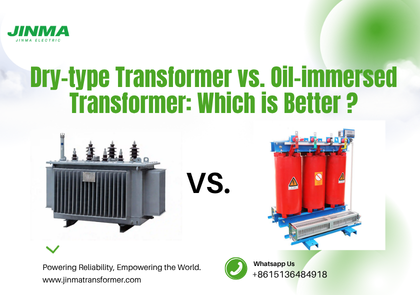
75kVA Oil–immersed transformer vs. dry-type transformer
Oil-immersed transformer uses mineral oil and ester environmental protection oil as insulation and heat dissipation medium, excellent heat dissipation performance, strong overload capacity, and is a classic model for outdoor power distribution scenarios. Compact overall structure, cost-effective advantages are obvious.
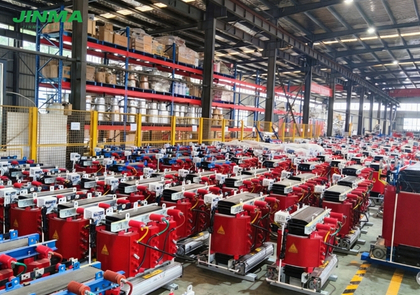
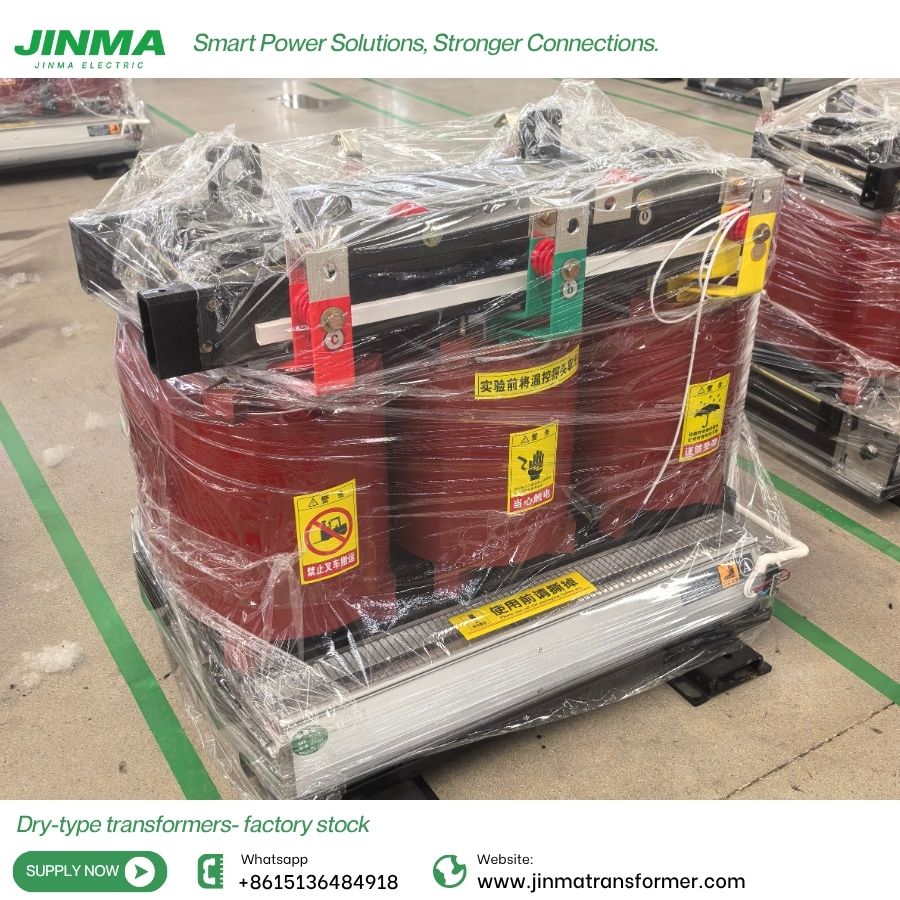
75kVA dry-type transformer is the mainstream preferred equipment for indoor power distribution scenarios. It relies on natural air heat dissipation and solid insulation structure to realize power conversion. There is no combustible liquid insulation medium in the whole process, so as to eliminate potential safety hazards such as oil leakage, fire and explosion from the root cause. Compared with oil-immersed models, it has a higher safety level and is suitable for closed, densely populated installation scenarios with strict fire rating requirements.
| Factor | Dry Type | Oil Immersed |
|---|---|---|
| Installation | Mainly indoor | Mainly outdoor |
| Fire risk | Lower | Requires oil/fire considerations |
| Cooling | Air | Oil |
| Maintenance | Generally lower | Oil-related maintenance |
| Overload capability | Application dependent | Generally strong thermal performance |
| Cost | Generally higher | Generally lower |
| Typical use | Commercial/industrial buildings | Utility/outdoor distribution |
Single phase and three phase transformer selection
75kVA single-phase transformer structure is simple, lower price, mostly used for small commercial, rural lighting, single-phase small equipment power supply, only suitable for single-phase power supply system, high power load adaptability is poor, low energy efficiency.
75kVA three-phase transformer power supply balance, higher energy efficiency, strong load bearing capacity, can adapt to the vast majority of industrial, commercial, room high-power equipment, is the mainstream selection of engineering projects. For large-scale load and multi-equipment centralized power supply scenarios, three-phase models are preferred.
If 75kVA Capacity is Right for Your Project?
Many users will have the problem of large selection waste cost and small selection overload trip. For accurate selection, it is necessary to judge whether 75kVA fully meets the project requirements through standardized load accounting methods and combined with safety margin calculation.
- The total power of all electrical equipment of the statistical project shall be converted into kW unit uniformly. It is necessary to comprehensively count the resident operating equipment, while taking into account the standby equipment that is occasionally started, so as to avoid the shortage of capacity caused by missing load.
- Complete power conversion. Convert kW active power into kVAelectrical transformer apparent power. The general calculation formula is: kVA = total kW † power factor. The power factor of conventional mixed load is 0.8 – 0.9, and the inductive load of motor is recommended to be 0.8 and below.
- Reserve safety margin for expansion. The general standard for project selection is to increase the margin by 20%-25%, covering equipment start-up shock, new equipment in the future, temporary overload conditions, and avoid long-term full-load and overload operation of transformers.
Practical operation case: the total load of the project is 50kW, the power factor is 0.85, and the power after conversion is about 59kVA. After adding 25% safety margin, the total demand is about 74kVA, and the 75kVA transformer can be perfectly adapted to meet the long-term stable operation requirements.
Transformer Load Type and Installation Environment
How to select transformers with different loads?
- Resistive load is mainly heating equipment and incandescent lamp lighting, the power factor is close to 1.0, the running current is stable, and the influence on transformer loss and heat generation is very small. The standard ordinary 75kVA electricaltransformer can meet the demand.
- Inductive load includes water pump, fan, motor, compressor and other equipment, low power factor, large starting impulse current. It is recommended to reserve 25%-30% margin when selecting, and give priority to low impedance transformer to alleviate the problem of starting voltage drop.
Continuous load equipment long-term full-load operation, will accelerate the aging of transformer insulation, it is recommended to choose high insulation grade, low loss models. Intermittent start-stop load conditions are relatively loose, and standard models can meet long-term operation requirements.
Indoor and outdoor installation
75kVA dry-type transformer is preferred for indoor installation, which is fireproof, safe, pollution-free, noise controllable, and suitable for closed residential environment such as buildings, computer rooms and hospitals. Sufficient ventilation space shall be reserved during installation to ensure smooth heat dissipation and comply with building fire protection standards.
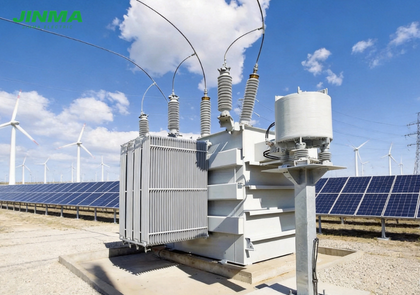
For outdoor installation, oil-immersed or outdoor 75kVA pad-mounted transformer(dry-type) is preferred, equipped with waterproof and dustproof enclosure. The equipment shall be well equipped with anti-leakage, anti-corrosion and lightning protection measures to adapt to complex outdoor weather such as wind and rain, high temperature and low temperature.
75kVA transformer market price and cost
The price of 75kVA transformer has no fixed standard, which is greatly affected by the model structure, configuration parameters, materials, certification and brand.
The core factors affecting the price include the winding material, and the all-copper winding is more expensive and more stable than the aluminum winding. Customized configurations such as non-standard voltage, special protection, seismic noise reduction, special certification, etc. will increase the equipment cost additionally. At the same time, first-line brand, import and export qualification, after-sales warranty service, will also make equipment prices significantly different.
For an accurate quotation, transformer buyers should provide the primary voltage, secondary voltage, phase, frequency, transformer type, installation location, and applicable standards.
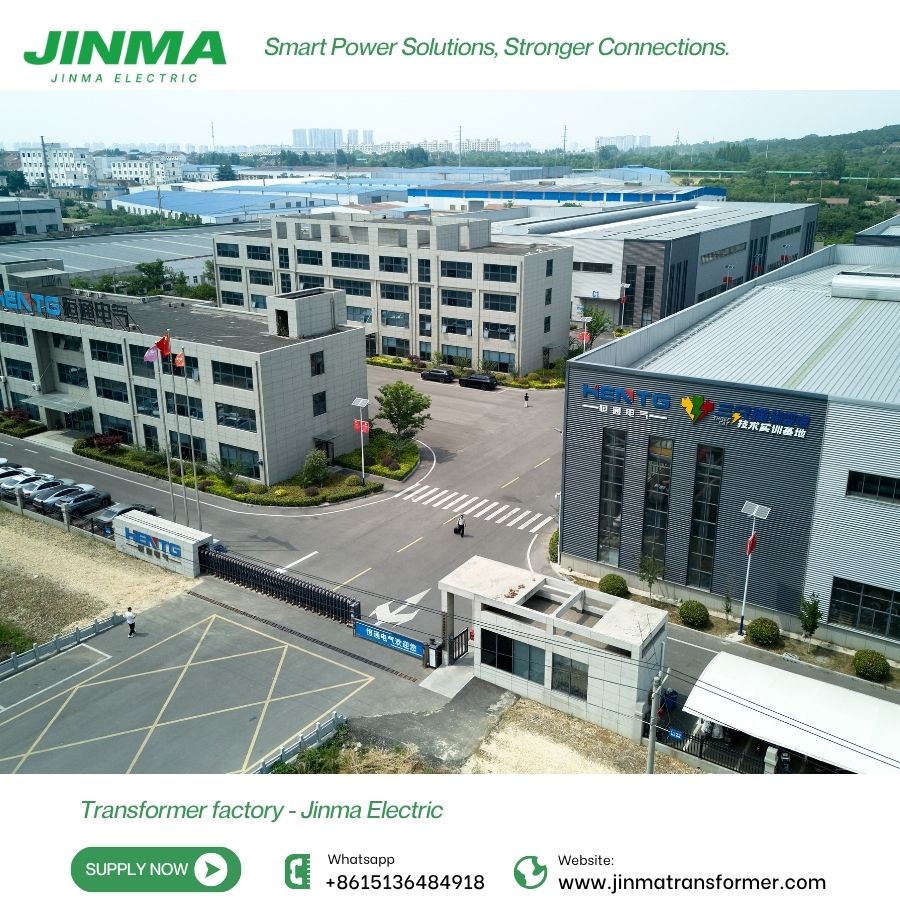
How to Select Reliable 75kVA Transformer Manufacturers?
Parameter selection is only the basis, high-quality transformer manufacturers production technology, quality control, after-sales, is the long-term stable operation of the equipment guarantee. Low-priced three-no products are prone to problems such as false parameters, excessive loss, substandard insulation, etc., laying potential safety hazards.
- Verification of manufacturer industry experience.Preference is given to manufacturers with more than 10 years of transformer production experience and long-term mass production of 75kVA and similar equipment. Ask for examples of projects in the same industry to confirm that the transformer manufacturer adapts to your engineering scenario.
- Verification of full compliance certification.Normal transformer manufacturing factory needs to have ISO9001 quality system certification, UL/CSA safety certification, IEC 60076 international transformer standards, can provide complete type test report, factory inspection report.
- Pay attention to production materials and processes.Inquire transformer factory core material, winding material, insulation system, curing process. High quality manufacturers use high magnetic conductivity silicon steel sheet, pure copper winding, with vacuum impregnation, resin casting and other precision technology, each equipment can provide a full set of factory inspection data.
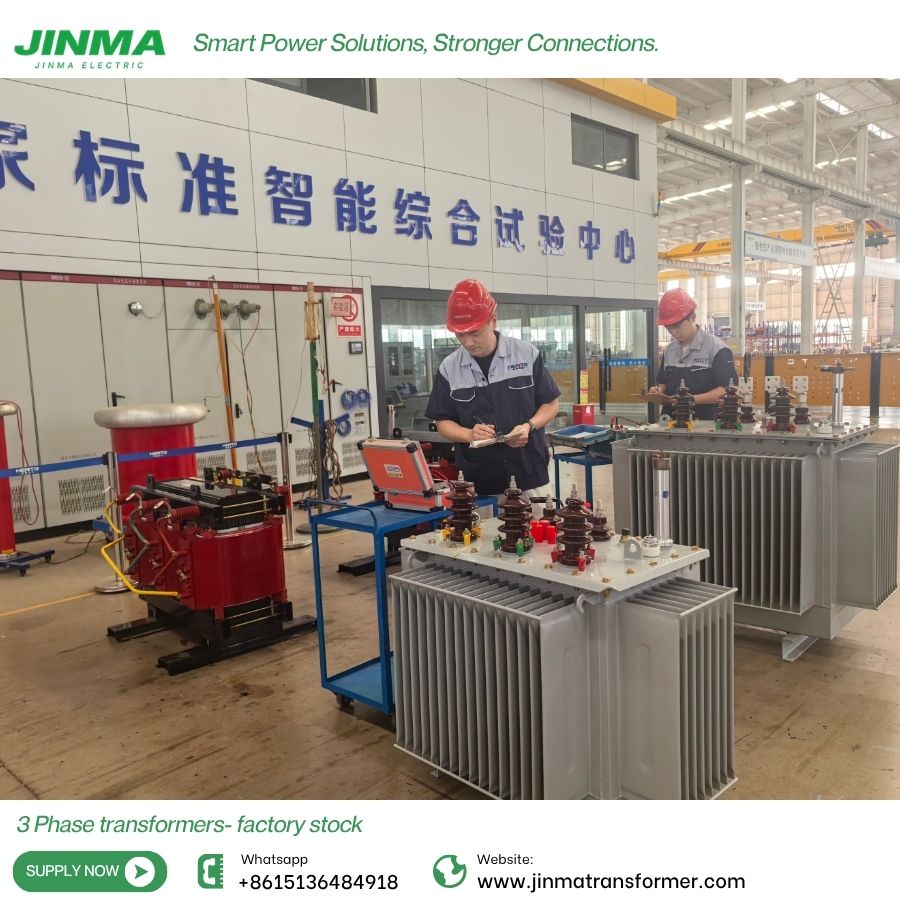
- Inspect the manufacturer’s detection ability.Regular manufacturers have complete transformation ratio, impedance, loss, insulation, voltage test equipment, can comprehensively detect equipment performance, eliminate unqualified products from the factory, ensure that each equipment parameters accurate, stable performance.
- After-sales support is a key assessment point.Transformer manufacturers with 1 – 5 year warranty and lifetime technical support are preferred. Confirm that the manufacturer can provide on-site commissioning guidance, fault rapid response, spare parts supply and other services to avoid unmanned operation and maintenance and long-term shutdown after equipment failure.
Pay attention to avoiding the trap of low price of transformer. For equipment far lower than the average market price, there are problems such as aluminum replacing copper, parameter false standard, simplified process and no certification. Preference is given to regular transformer manufacturers with transparent quotation, complete information and professional communication, taking into account quality and cost performance.
Frequently Asked Questions About 75kVA Electrical Transformer
Q1: What is the maximum load that a 75kVA electrical transformer can carry?
It can carry an apparent power of 75kVA in standard operation, corresponding to 60kW active power at 0.8 power factor. It is recommended to reserve about 20% safety margin for engineering use, and control the long-term operation load within 60kVA, with the best stability.
Q2: What is the full load current of a 75kVA transformer?
Standard current reference for 3-phase models: 208V ~ 208A, 240V ~ 180A, 480V ~ 90A. The specific value can be adjusted according to the manufacturer’s nameplate parameters and the actual voltage.
Q3: Does the 75kVA electrical transformer have a fixed voltage?
There is no fixed voltage. 75kVA represents capacity only. The primary and secondary voltages can be customized according to the site power supply and load requirements. The voltage parameters must be clearly marked when purchasing, and the default general specification is not allowed.
Q4: Is the 75kVA transformer suitable for home use?
Ordinary dwellings are not applicable. The capacity is too large, only large farms, single super large apartment, rural high-power civil scene may be used, conventional residential without this specification transformer.
Q5: How to choose between dry–type and 75kVA oil-immersed transformer?
Dry type is selected for indoor, residential and fire protection scenes; oil-immersed type is selected for outdoor, low-cost and heavy-load scenes. No special outdoor needs, priority to ensure safety of the project, dry model adaptability is stronger.
Q6: Can the 75kVA transformer be customized?
Yes. Professional transformer manufacturers can customize non-standard voltage, special tap, K anti-harmonic, low noise, high protection, earthquake and other configurations, to adapt to various special conditions and industry special needs.
Conclusion
The selection of 75kVA electrical transformer is not a simple confirmation of capacity specifications, but a complete set of parameter matching, scenario adaptation, energy efficiency optimization and manufacturer screening process. Accurate selection can effectively avoid various engineering problems such as equipment failure, energy consumption waste, and acceptance failure. Jinma Electric is a transformer manufacturer specializing in power and distribution transformers for commercial, industrial and utility applications. Based on project requirements, our engineering team can support customers with transformer capacity selection, voltage configuration, cooling method, enclosure and applicable standards.