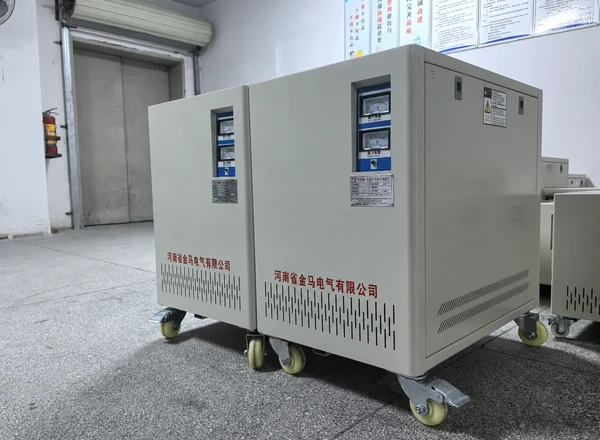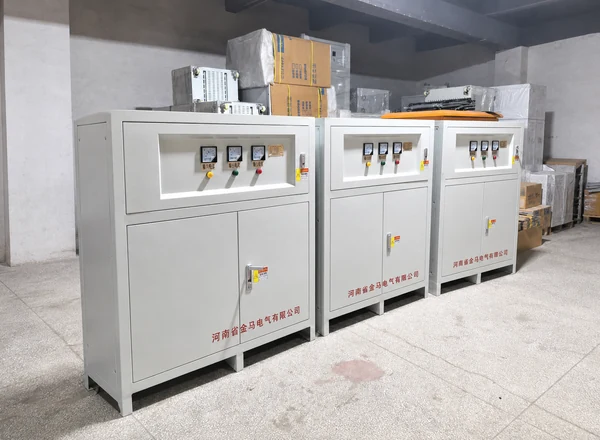


Commercial building substation is the core hub of the power distribution system of commercial buildings, complexes and industrial parks, directly assuming the key role of voltage conversion, power distribution, fault protection and grid voltage stabilization. Unlike industrial substations, commercial building substations have complex loads, diverse equipment types, and dense pedestrian flow, which require higher requirements for safety, stability, space utilization, and ease of operation and maintenance. Reasonable substation design can not only meet the needs of daily office, commercial operation and new energy equipment, but also effectively avoid the hidden dangers of electricity consumption and reduce the whole life cycle operation and maintenance costs.
Core definition and functional value of commercial building substation design
Modern commercial substation is no longer a simple voltage conversion equipment, but an intelligent power distribution hub integrating power regulation, fault isolation, reactive power compensation and grid voltage stabilization. Relying on digital technologies such as IEC 61850 communication standard, consolidation unit, process bus, etc., traditional substations are gradually upgraded to digital substations, which can convert analog data into digital signals and realize real-time monitoring and remote control.
In the overall power distribution system, the commercial substation is the key interface between the power grid and the terminal equipment of the building, capable of accurately regulating the distribution of tidal currents, quickly isolating line faults, optimizing power quality, guaranteeing the stable operation of the entire building’s power system, and adapting to the intelligent and electrified power consumption needs of modern commercial buildings.
Load Calculation and Demand Assessment for Commercial Buildings
Load calculation, as a core part of the substation design, should strictly follow the NEC electrical code and accurately differentiate between continuous and non-continuous loads. Continuous loads refer to equipment loads that run continuously for more than 3 hours, including ventilation systems, long-lasting lighting, new energy charging piles, etc. According to the code, a safety margin of 125% should be reserved to avoid overheating and overloading in long-term operation.
With the upgrading of commercial building electrification, heat pumps, induction cookers, electric vehicle charging piles and other equipment have become popular, and it is very easy for multiple equipment to run at the same time, and loads are superimposed on the peak exceeding the standard. The traditional standardized load calculation formula is easy to underestimate the actual power load, the design needs to be combined with the real power scenarios, abandon the solid formula, take into account the norms and standards and the actual load characteristics, to avoid the problem of insufficient power distribution capacity.
Voltage level selection and distribution system planning program
Reasonable selection of voltage level is the key to guarantee the efficiency and voltage stability of power distribution. Low-voltage loads such as conventional lighting, HVAC, and small equipment in commercial buildings are matched with voltage systems below 1000V; large motors and high-power specialized equipment need to be matched with medium- and high-voltage voltage levels of 4160V, 7200V, and 13800V.
For long-distance power distribution scenarios, overhead lines have higher impedance and are prone to voltage fluctuations, voltage drop exceeding the standard and other problems. The design stage should focus on optimizing the voltage regulation scheme, do a good job of transient and steady state voltage regulation, especially to avoid the voltage dips caused by motor startup and transient high loads, and to ensure the stable operation of the long-distance power distribution system.
Substation core equipment configuration and system architecture design
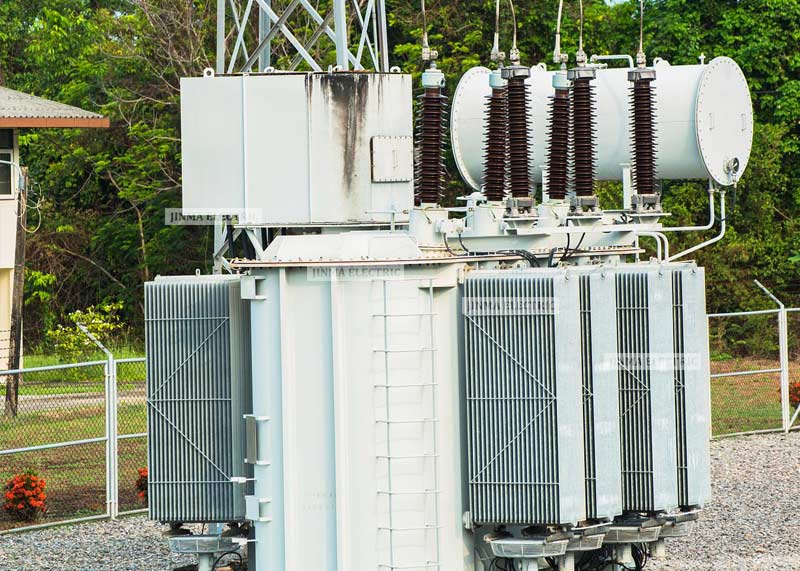
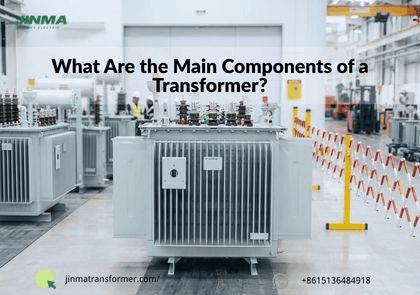
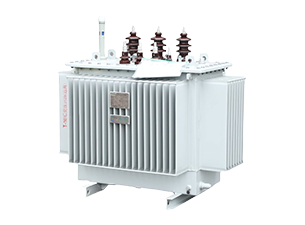
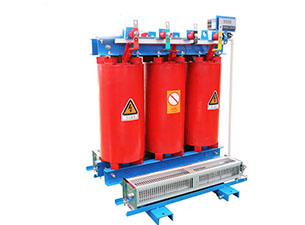
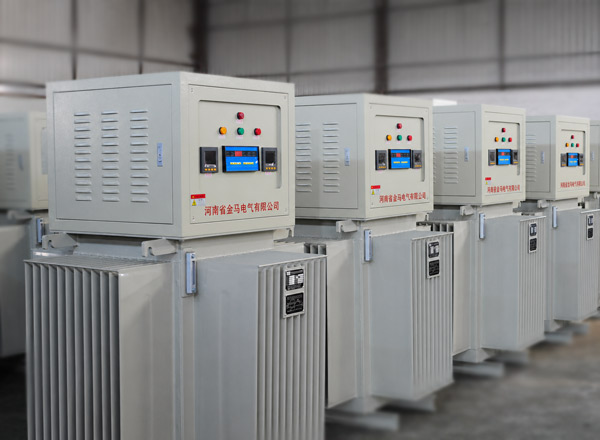
Commercial substation equipment is divided into two modules: primary equipment and secondary control system. The primary equipment takes the power transformer as the core, with circuit breakers, disconnect switches, mutual transformers, surge arresters and other devices. Modern transformers are equipped with voltage regulation and intelligent monitoring system, which can monitor oil temperature, oil quality and gas status in real time; circuit breakers adopt vacuum and SF6-free environmental protection technology, which greatly improves durability and safety.
The secondary system relies on digital relay protection devices and SCADA monitoring system to realize fault interlocking, arc protection, remote monitoring and data transmission. With fiber-optic redundant communication and network security protection design, it can effectively resist external interference and realize substation automation operation and maintenance and intelligent scheduling.
Indoor and outdoor substation layout differences and space optimization design
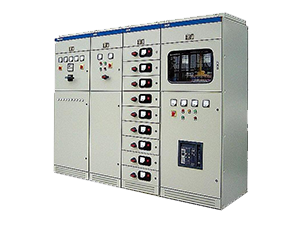
Commercial substations are categorized into indoor and outdoor layouts, suitable for different architectural scenarios. The indoor substation adopts a closed cabinet structure, which is not affected by dust, humidity and ultraviolet rays, has a controllable environment and a small footprint, and is suitable for urban core business districts and high-density commercial buildings. Outdoor substations rely on open site layout, need to be equipped with fencing, grounding system and safety clearance, the overall footprint is larger, mostly used in suburban business parks, large-scale ancillary sites.
Layout design should focus on insulation spacing, ventilation and heat dissipation and environmental protection. Indoor equipment has a compact structure and smaller insulation gaps; outdoor equipment relies on air insulation and needs to reserve sufficient safety distances between phases, and at the same time adopts anticorrosive, waterproof, and weather-resistant structures, which are suitable for complex outdoor environments.
Substation Safety Design and Life Cycle Optimization Strategy
Safety design is the top priority for commercial substations, and it needs to fully implement the normative requirements of grounding system, fire protection, electrocution prevention, short circuit prevention, etc., so as to be suitable for crowded commercial scenarios. The operation and maintenance phase adopts the state maintenance mode, and through infrared temperature measurement, local discharge monitoring, oil analysis and other technologies, the hidden dangers of the equipment can be detected in advance to prevent sudden failures.
At the same time, the digital twin and asset control system are combined to integrate operation and maintenance data to optimize equipment replacement and system upgrades. The design stage balances the initial construction cost with the later energy consumption, operation and maintenance cost, and realizes the safe, efficient, economic and long-term operation of the substation through the whole life cycle cost control.