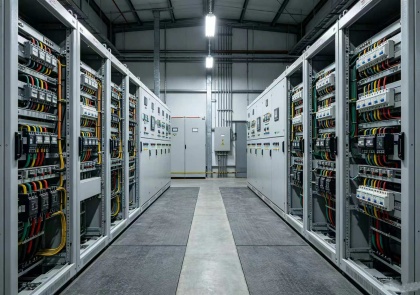


With the scale of solar power generation, the efficiency and stability of the power distribution link has become the key to constrain the development of the project, solar panels output power can not directly meet the end-use of electricity and grid requirements, and the transformer as the core equipment for power conversion and transmission, plays an irreplaceable role. This paper combines the relevant core points for the photovoltaic industry practitioners to provide professional transformer selection guidelines to help solar energy projects efficiently and smoothly landing.
The Role of Transformers in Solar Power Systems
In the solar power generation system, the transformer assumes the role of connecting the power generation side, distribution network and the end-user side, and its core value is mainly reflected in three aspects: First, it realizes the conversion of electric energy, and transforms the low-voltage electric energy produced by solar panels into the voltage that meets the requirements of use and grid connection, and guarantees the smooth connection of “power generation – transmission – power consumption”; second, it controls the transmission loss, and reduces energy waste in the long-distance transmission process through boosting treatment, and helps large-scale photovoltaic power stations reduce operating costs; third, it guarantees the quality of power supply by balancing the load and stabilizing the voltage. Secondly, it controls transmission loss, reduces energy waste during long-distance transmission through voltage boosting, and helps large-scale photovoltaic power stations to reduce operating costs; thirdly, it guarantees power supply quality, alleviates voltage fluctuation brought about by intermittent solar power generation by balancing loads and stabilizing voltage, protects related equipments and the grid, and ensures the system’s continuous and stable operation.
Main Types of Transformers Used in Solar Projects
Solar project application scenarios are varied, the requirements of the transformer varies greatly, the selection needs to be adapted to the needs of the project. Specifically as follows:
Box-type transformer
Box-type transformer structure is compact, easy to install, high security, preferred for distributed solar energy projects, ground installation, no fence, suitable for residential, commercial areas and other areas, convenient operation and maintenance.
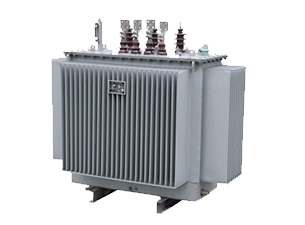
Oil-immersed transformer
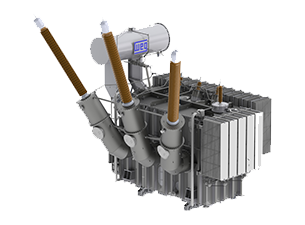
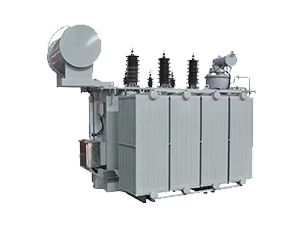
Oil-immersed transformer to cooling fluid heat dissipation, high efficiency, strong load, long life, is the mainstream of large-scale solar energy projects, suitable for large-scale centralized photovoltaic power station, to meet the demand for high power transmission.
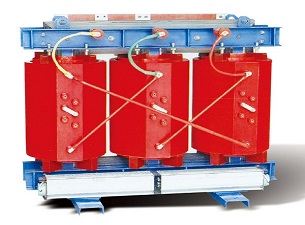
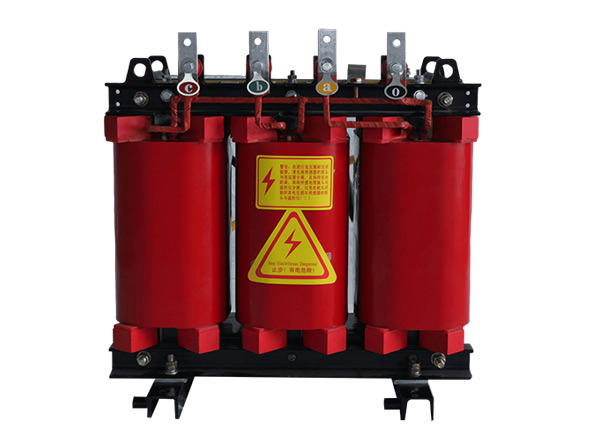
Dry-type transformer
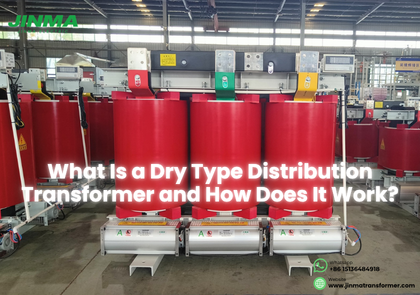
Dry-type transformer with air cooling, no safety hazards, low maintenance costs, suitable for indoor, environmentally sensitive areas and environmental protection needs of high distributed systems.
Autotransformer
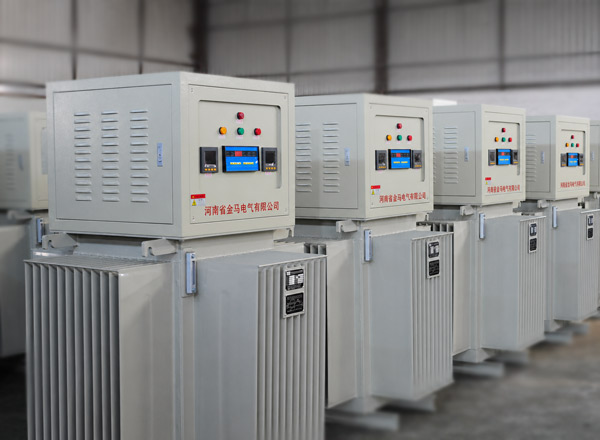
Autotransformer structure is simple, low cost, high efficiency, suitable for small-scale voltage regulation, but no electrical isolation, limited application, mostly as solar energy project auxiliary equipment.
Double winding transformer
Double winding transformer isolation is good, accurate voltage regulation, strong anti-interference, suitable for high security needs, mostly used in large power station core power distribution and sensitive equipment protection scenarios.
Key Factors to Consider When Selecting a Solar Transformer
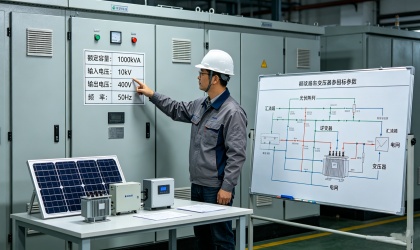
Solar transformer selection needs to synthesize the project demand, environmental conditions and grid standards, the core control of 12 key factors, as follows:
Rated power: match the peak power of the inverter, reserve space for capacity expansion, and eliminate overload;
Primary and secondary voltages: to match the inverter output and grid standards, and to comply with local regulations;
Impedance: limit fault current, stabilize voltage, and adapt to multiple parallel operation;
Vector group: commonly used Dyn or Ynd type, fit for grid neutral and grounding requirements;
Loss and efficiency: prioritize low-loss and high-efficiency products to reduce the whole life cycle cost;
Cooling and insulation: outdoor priority ONAN/ONAF cooling, special scenarios choose dry or environmentally friendly ester fluid cooling;
Thermal rating and environment: suitable for the grid neutral and grounding requirements;
Heat level and environment: adapt to local temperature, consider altitude reduction, and add forced air cooling if necessary;
DC withstand and harmonics: clear tolerance and K-factor limits, to cope with high-frequency ripple;
Tap changer: conventional off-line type, when the voltage fluctuation is large choose on-load tap changer;
Environment and corrosion protection: corrosive environments need to be equipped with anti-corrosion coatings and protective devices, in line with the IP rating;
Monitoring and protection: configure the oil level and temperature monitoring function to facilitate operation and maintenance troubleshooting;
Standards and testing: follow IEC/IEEE standards, request test reports, and type test core equipment.
How to Match Transformers with Different Solar Projects
Large-scale photovoltaic power plant
Large-scale photovoltaic power plants require high power, high stability and grid adaptability, prioritizing the use of oil-immersed and double-winding transformers, and focusing on the selection of rated power, grid adaptability and other core parameters.
Residential solar energy system
Residential solar energy system is small in scale, prioritize the use of box-type and dry-type transformers, taking into account the space, domestic adaptability and ease of operation and maintenance.
Solar Inverter and Smart Grid
Solar inverter and smart grid integration scenarios require transformer support for real-time monitoring, dynamic voltage regulation, recommended autotransformer and dual-winding transformer, selection focus on voltage regulation accuracy, low loss and smart compatibility.
Solar Transformer Installation Considerations
Standardized installation is the key to the stable operation of the transformer, solar energy project transformer installation needs to be combined with the site, equipment characteristics and safety norms, focusing on five core aspects:
Pre-installation planning: site selection taking into account ventilation, operation and maintenance, environmental protection and load distance, check the parameters match, review the manufacturer’s information.
Foundation and grounding: the foundation needs to be stable and load-bearing, with a concrete base for outdoor use and a steel frame/reinforced ground for indoor use; metal parts are grounded according to specifications to prevent safety hazards.
Handling and Positioning: Lifting with specified lugs/bottom grooves, strictly prohibit lifting of fragile parts; load matching of handling equipment, positioning and reserving space for ventilation and operation and maintenance, and keeping away from flammable materials.
Connection Processing: Wiring according to specifications, ensuring firm insulation, checking the polarity of phase sequence, and installing protective devices to prevent failures.
Testing and commissioning: complete the relevant tests and verify the protection settings before closing the gate; test run under low load after passing the test, monitor abnormalities and troubleshooting.
Conclusion
Transformer is the core of solar energy project power conversion and transmission, its selection, matching and installation quality directly determines the project benefits and stability, selection of the core for the “matching on demand”, combined with the actual choice of the project to match the product, photovoltaic practitioners need to be accurate selection, standardize the operation and maintenance of the transformer in the future will be highly efficient, environmentally friendly, intelligent development, we will continue to provide targeted solutions to help clean energy transition and the landing of the solar project. We will continue to provide targeted solutions to help clean energy transition and solar energy project landing.