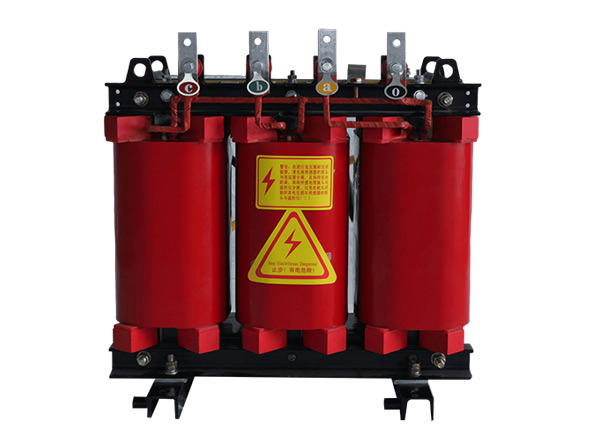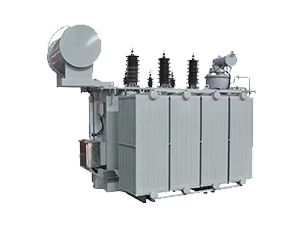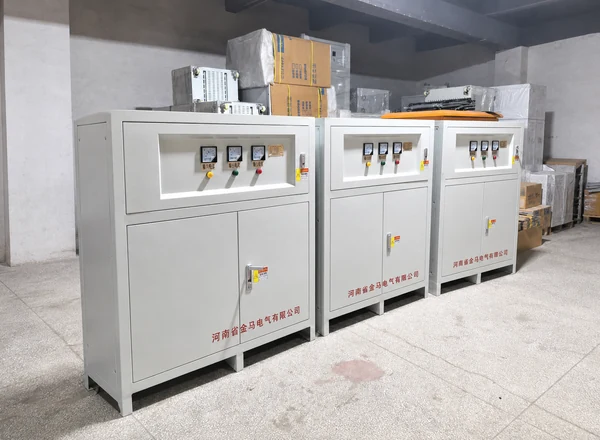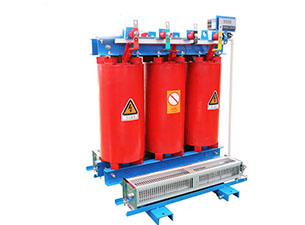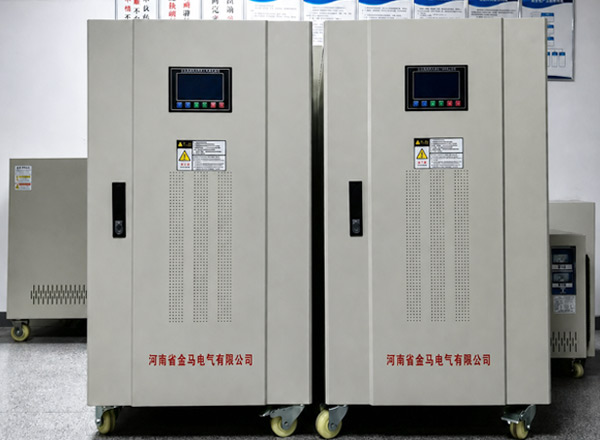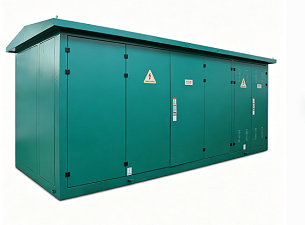


Transformer is the core hub of the power system, and its operation state directly determines the stability, safety and energy efficiency of the power system, which is the basis for the orderly development of industrial production, urban power supply and other scenarios. Pre-installation performance testing is the key to avoid operational risks and ensure the long-term stability of the equipment, which can be used to detect hidden dangers in advance and lay the foundation for subsequent installation, operation and maintenance. This article will provide industry practitioners with a comprehensive and practical test guide to help avoid misunderstandings and control the quality of equipment.
The importance of pre-installation testing
Some practitioners have cognitive misunderstanding, that the transformer factory has been tested can be directly installed, in fact, pre-installation performance testing is indispensable, the importance of which is mainly reflected in the four core aspects, directly related to the life of the equipment, operation and maintenance costs and power supply safety:
Guarantee the integrity of the equipment: check the winding, core and other core components hidden problems, to avoid loose bolts, sealing broken and other minor problems caused by equipment damage, safety accidents.
Make up for transportation loopholes: investigate hidden problems such as shifting parts and dampness of insulating oil that may occur during transportation and handling, so as to avoid insulation breakdown and short circuit of windings during operation.
Reducing operation and maintenance costs: checking hidden problems in advance to reduce rework losses, confirming that the parameters are up to standard to ensure that the equipment is rated for operation and prolonging its service life.
Ensure system stability: Confirm that the ratio, impedance and other parameters match with the power system to avoid voltage fluctuations and frequency abnormalities and ensure power supply safety.
Core transformer performance parameters to be evaluated
Transformer performance needs to be judged by testing the core parameters, these parameters directly reflect the equipment design, manufacturing quality and operational reliability, the core test parameters a total of 7 items, as follows:
Winding resistance test: apply DC voltage to measure the resistance, verify the integrity of the conductor, joint connection and winding uniformity, compared with the manufacturer’s standards to detect broken strands, joint oxidation and other issues.
Ratio and polarity test: Verify that the voltage ratio and phase are consistent with the design, to ensure system compatibility and parallel operation safety, and avoid voltage deviation and system short circuit.
Insulation resistance test: Apply high-voltage DC measurement of resistance, verify the dryness and quality of insulation materials, and compare with the standard to detect moisture, aging and other hidden problems.
Voltage Withstand Test : Apply high voltage AC to test the insulation withstand ability, check the weak parts and avoid short circuit caused by over-voltage.
Induced voltage test: Apply high voltage at twice the rated frequency to assess the insulation between turns and layers to avoid short circuit.
No-load and load loss test: Measurement of core magnetic loss and winding conductor loss, which should be in line with the relevant energy-efficiency standards to avoid excessive energy consumption and overheating of equipment.
Impedance and Voltage Regulation Rate Test: Determine the voltage drop and impedance percentage under rated load, to ensure fault calculation and parallel operation stability.
The core test program must be done before installation
Pre-installation transformer testing for a complete system, including type, routine, special three types of tests, each focusing on, and synergistic protection of equipment quality.
Type test
Carried out for the prototype, the core to verify the rationality of the design and performance to meet the standards, only in the design finalization, major modifications, covering the frequency dielectric, ratio, winding resistance and other tests, to provide a basis for mass production.
Routine test
Each factory transformer must be done, the core to confirm the performance of a single piece of equipment to meet the standard, checking production defects, the test content is comprehensive, including dielectric, impulse voltage, oil testing, etc., is the first line of defense of equipment quality.
Special test
Customized according to the need to adapt to special working conditions, commonly including noise, zero sequence impedance, harmonic distortion measurement, etc., to ensure that the transformer fits the specific use of the scene.
Tools and equipment required for testing
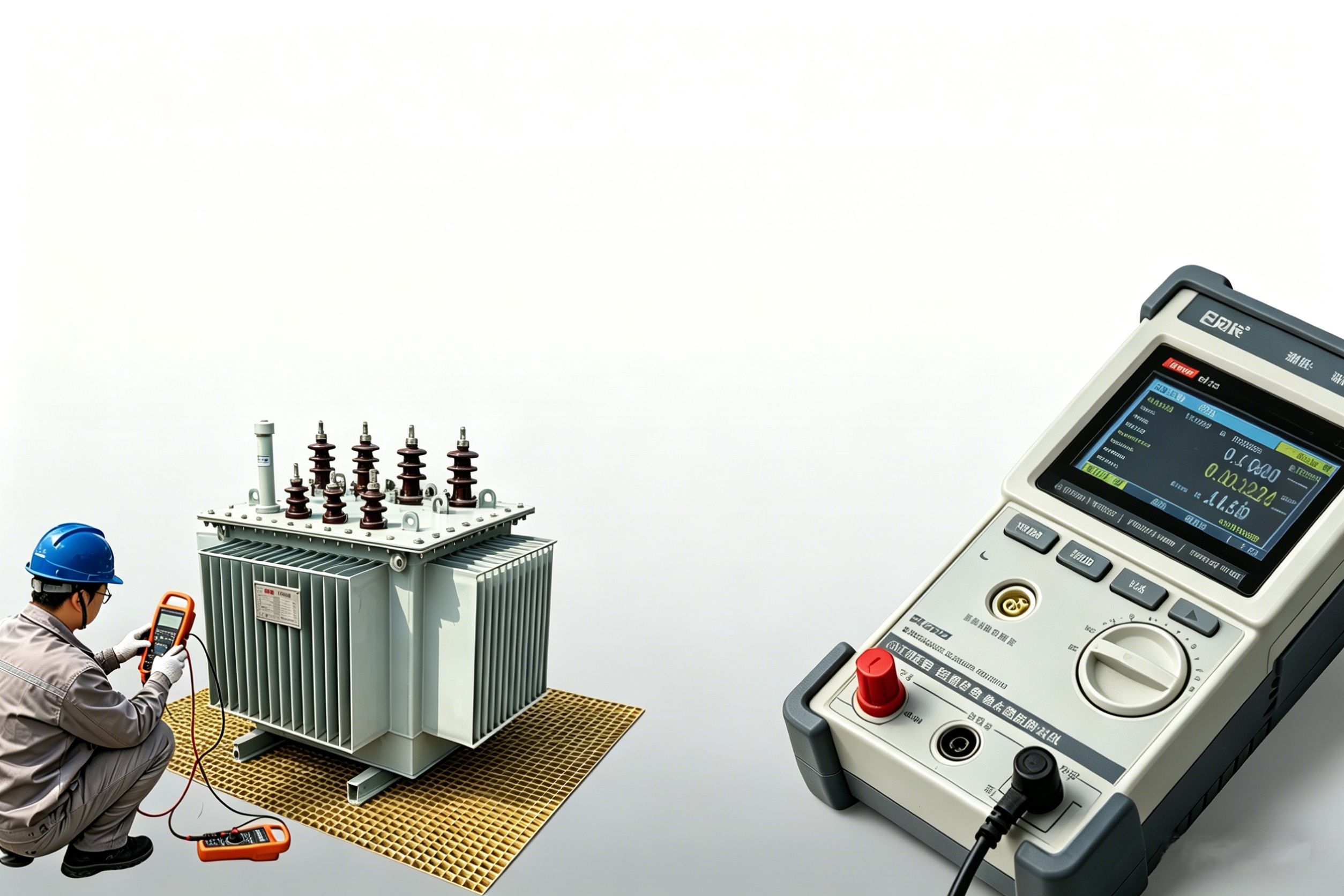
TypeTransformer testing of tools and equipment for high precision requirements, the need to choose and test the demand for matching equipment, the following are commonly used four types of core testing tools and their core use:
First, the multimeter, as a basic test tool, its operation is simple, can accurately measure the voltage, current, resistance, mainly used for transformer basic testing work, according to the specification to check the equipment disconnection, short circuit and other basic hidden danger.
Second is a special transformer tester, the device has comprehensive functions, high measurement accuracy, can synchronize the completion of multi-parameter measurement, with automated testing and fault diagnosis functions, is the core equipment for transformer testing, suitable for a variety of specifications of the transformer.
Third, the voltage withstand tester, designed for voltage withstand test, can accurately regulate the high-voltage output, can efficiently investigate the weak parts of the transformer insulation, from the source to prevent the insulation breakdown hidden danger.
Fourth, large transformer special test equipment, mainly suitable for large transformers, can carry out all kinds of complex test projects, accurate detection of the core performance of the equipment, checking the internal potential hazards, to provide protection for the stable operation of large-scale power systems.
Common failure problems in the test
Pre-installation testing process, the common faults are mainly divided into electrical, mechanical, environmental three categories, clear specific performance of various types of faults and triggering causes, can greatly enhance the efficiency of hidden troubleshooting, specifically as follows:
Insulation faults: as the most common and harmful faults, mainly caused by overheating, moisture intrusion, natural aging of insulating materials and other factors, which will cause the insulation performance decline, and then lead to equipment failure.
Oil failure: mainly including oil leakage and oil degradation. Leakage is mostly caused by wear and tear of seals, which can easily lead to insufficient cooling of the equipment and increase the risk of fire; deterioration is mostly caused by high temperature, which can corrode the components of the equipment and accelerate the aging of the insulation.
Short-circuit and overload faults: short-circuits are often caused by lightning strikes and internal insulation failures, while overloads are caused by long-term overcapacity operation of the equipment, both of which cause irreversible damage to the equipment, and in severe cases can lead to equipment obsolescence.
Tap changer faults: Frequent operation of the tap changer can cause wear and tear of the tap changer, which in turn can lead to arcs, mechanical stalls and other problems, and ultimately lead to unstable equipment voltage.
Overheating faults: mostly caused by cooling system failure or long-term overload operation, which will accelerate the aging and degradation of equipment components and shorten the service life of the equipment.
Best Practices for Accurate Testing
In order to ensure the accuracy of the test data and the thoroughness of the hidden danger investigation, the pre-installation test of the transformer needs to strictly follow the following core specifications:
Regularly calibrate and maintain the testing instruments to ensure the precision of the instruments and guarantee the accuracy and reliability of the test data.
Strictly abide by the safety operation norms, disconnect the power supply before testing, do a good job of personal protection, to prevent safety accidents;
standardize and improve the test records and archives, for subsequent equipment operation and maintenance, fault troubleshooting to provide a clear basis;
Combine the industry standards and the actual situation on site, scientifically interpret the test data to avoid misjudgment of hidden dangers;
Rectify the hidden dangers found in the test in a timely manner, combined with daily operation and maintenance, to ensure the long-term stable operation of the equipment.
Conclusion
Transformer pre-installation performance testing is the key to ensure the safety and stability of the power system, can avoid equipment failure, reduce operation and maintenance costs, prolong the life of the equipment, the scientific process, adaptive tools and standardized operation is the core of effective testing. Practitioners need to pay attention to and standardize the implementation of the test, troubleshooting, play equipment performance, its future will become a necessary part of the application of transformers, for the stability of the power system escort.