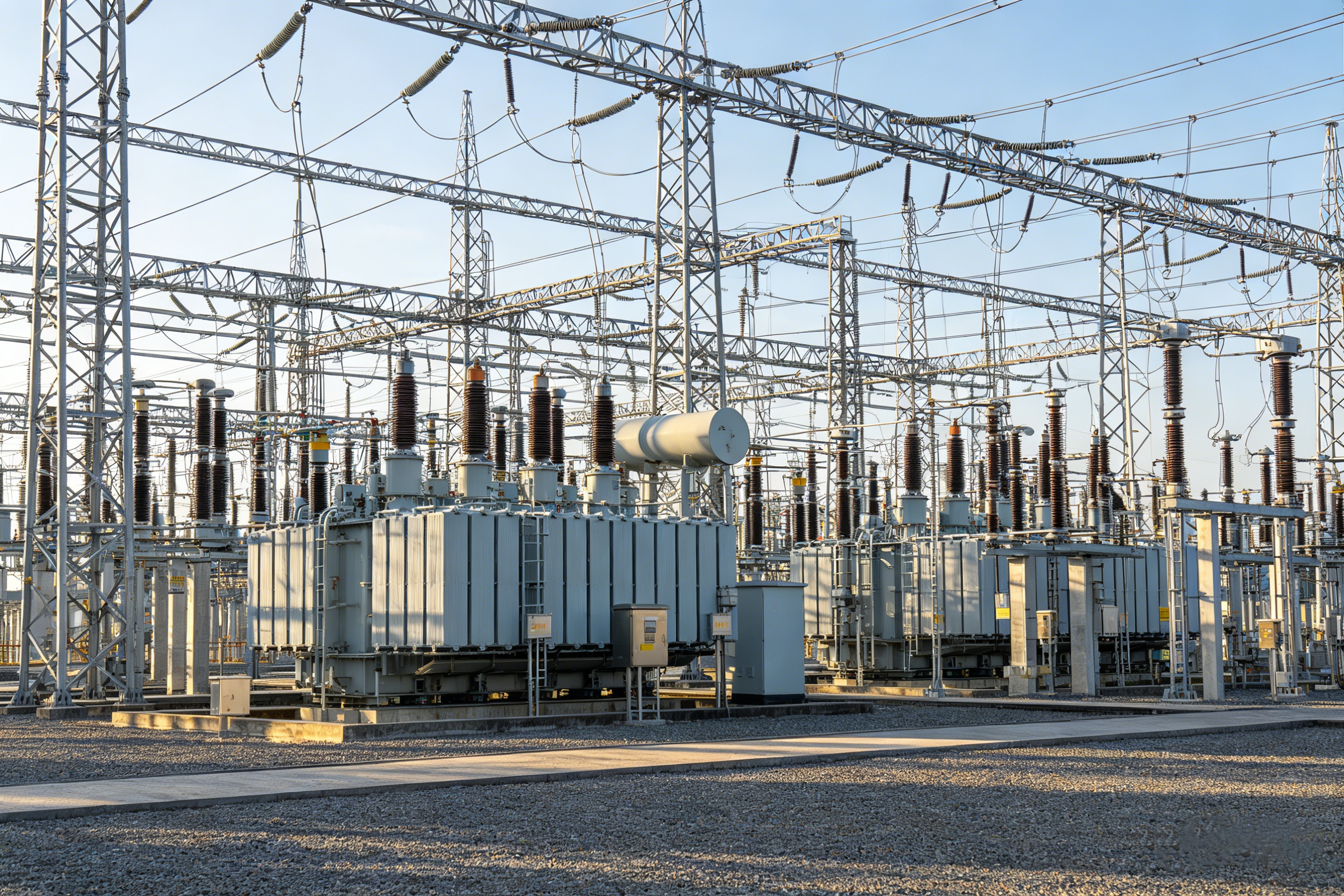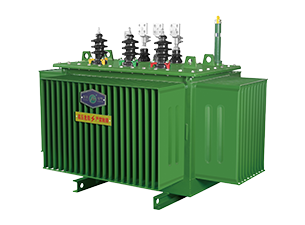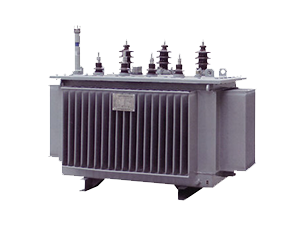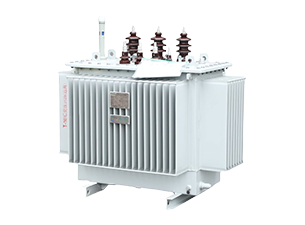


Power transformer as the core hub of the power system, bears the key mission of voltage conversion, energy transmission, its operational stability directly determines the safety and efficiency of power supply. The design service life of high-quality transformers can be up to several decades, but the lack of standardized routine maintenance will lead to accelerated aging of components, frequent failures, not only to increase the maintenance costs, but also may lead to large-scale power outages and other serious consequences. Therefore, mastering scientific maintenance methods is to extend the service life of the transformer, to ensure its long-term stable operation of the key.
Daily inspection and operation condition monitoring
Routine inspection and operation condition monitoring is the basis of transformer maintenance, but also the key means of early detection of hidden problems.
Routine inspection points: routine inspection needs to take into account the visual, temperature, noise three core dimensions. Visual inspection, to carefully check the transformer appearance whether there is wear and tear, corrosion, loose parts and other issues, timely cleaning of external debris, to ensure that all connections are solid, to avoid external hazards erosion of the equipment; temperature monitoring is particularly important, the transformer will run due to the loss of windings and cores to generate heat, if the temperature is too high will accelerate the aging of the insulation, the need for real-time monitoring of the operating temperature to ensure that it does not exceed the safety thresholds; at the same time, be At the same time, we should pay attention to the noise of the equipment operation, abnormal sound or vibration is often the signal of internal parts loosening, failure, and need to be promptly investigated and dealt with to prevent the escalation of small problems.
Daily special inspection: daily special inspection needs to focus on the monitoring of transformer oil, because the insulating oil is the “lifeline” of the transformer, assuming the important role of insulation, cooling and corrosion prevention. Daily need to check whether the oil level is in line with the manufacturer’s standards, if there is a sudden drop in oil level, you need to immediately investigate the hidden dangers of oil leakage; in a fixed period of time, the same load conditions to monitor the oil temperature, if there is an abnormal spike in the oil temperature and no increase in the load, it may be the internal hot spots, cooling channel blockage and other issues, you need to shut down the machine in time to check. In addition, we should focus on checking the sealing place and pipeline interface to eliminate oil leakage and avoid oil loss affecting the normal operation of the equipment.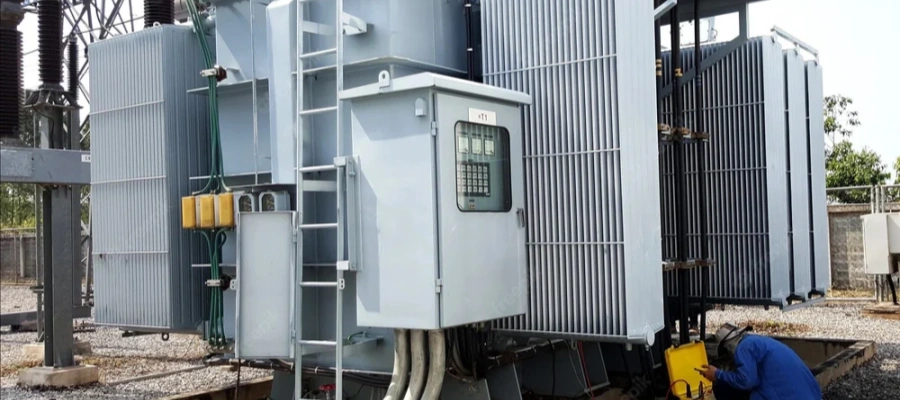
Load control and early fault detection
Load control and early fault detection are the core measures to prevent transformer overheating and reduce the risk of failure, which can effectively avoid the problem of shortening the service life of the equipment due to long-term overload operation or hidden faults not dealt with in time.
Overload protection: do a good job of overload protection, the deployment of fuses, circuit breakers, load monitoring systems and other protective devices, strict control of the transformer operating load, to eliminate overload operation, to prevent overheating problems caused by high load.
Cooling and environmental control: optimize the cooling system, regularly check the fan, oil pump, heat exchanger and other cooling components, to ensure that the heat dissipation is normal, improve the cooling efficiency, to avoid the accumulation of heat; at the same time, the installation environment of the transformer needs to be strictly controlled, it should be placed in the well-ventilated area, avoid high temperature, humidity and other harsh environments, to reduce the environment on the loss of equipment.
Insulation maintenance: strengthen insulation maintenance, insulation performance through regular testing to prevent insulation aging caused by overheating and short-circuit, for the safe operation of the transformer to build a solid line of defense.
Oil detection and insulation maintenance
Oil testing and insulation maintenance is the key support to ensure the reliability of the transformer, which directly determines the operating life and safety performance of the equipment.
Oil testing: transformer oil performance directly affects the safety of equipment, need to carry out regular oil testing, including dissolved gas analysis (DGA) is the core method, through the key gas method, Rogers ratio method, Duval triangle method, etc., to accurately identify the internal failure and severity; at the same time, we should strictly control the oil moisture content, to prevent moisture triggered partial discharge, insulation damage.
Insulation resistance test: insulation resistance test is also an important means, the test needs to be short-circuited phase and neutral conductor, applying the specified DC voltage, measuring the leakage current and converted to resistance value, combined with the industry standard to identify the weak points of the insulation, and slow down the thermal aging of the insulation.
Cooling system and key components maintenance
Specialized maintenance of cooling system and key components can further ensure stable operation of the transformer, reduce mechanical loss and extend the service life of the equipment.
Cooling system maintenance: The oil-based cooling system has a high heat dissipation efficiency and requires a maintenance list classified by component, which can be digitally managed in conjunction with SAP PM, osapiens HUB and other systems. The cooling components are inspected on a regular basis to optimize the heat dissipation efficiency and equalize the temperature distribution.
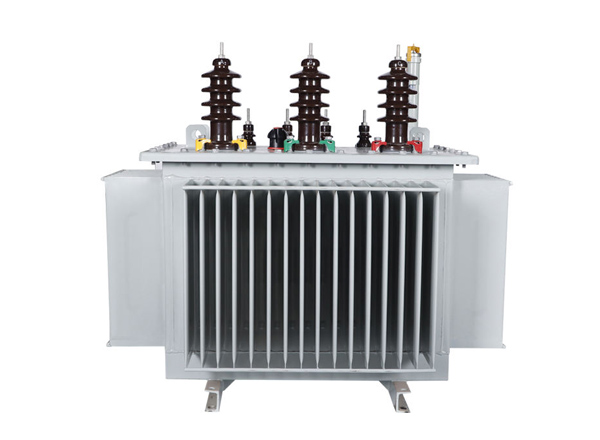
Maintenance of key components: Among the key components, the on-load tap-changer, as the only current-carrying component with moving parts, is susceptible to problems such as carbonization of the arc and wear of contacts, so it needs to be inspected and maintained in a focused manner, with the carbide cleaned up in a timely manner and the worn parts replaced to avoid expansion of the fault; at the same time, regular inspections of casing insulation are carried out, and sealing hazards are investigated to prevent equipment faults caused by insulation failures.
In summary, the long-term maintenance of the transformer needs to run through the daily operation of the whole process, through the standardized inspection, scientific load control, meticulous oil and insulation management, as well as key components of the special maintenance, in order to effectively slow down the aging of the equipment, reduce the risk of failure, to ensure that the transformer is stable and efficient long-term operation, and give full play to its core role.