

Conductivity and efficiency of electricity
Conductivity is the most central indicator of a winding. The conductivity of copper is the industry standard 100% IACS, while aluminum is only about 61%. If you want aluminum wire to pass as much current as copper wire, the cross-sectional area of the wire must be about 1.6 times that of the copper wire.
This directly affects operating efficiency. The same capacity, the same design of the transformer, aluminum winding than copper winding efficiency 1.5% -2% lower. Don’t underestimate this little difference, long-term operation is very amazing. A 50kW transformer, a year running 4000 hours, aluminum windings will consume thousands of kilowatt hours of electricity per year, saving the purchase price difference, often 2 to 5 years will be eaten up by the electricity bill.
Mechanical strength, heat resistance and short-circuit resistance
Copper has higher mechanical strength, good toughness, vibration resistance, shock resistance, and is not easily deformed when encountering sudden short circuits. In addition, the coefficient of thermal expansion of copper is smaller, the long-term operation of the structure is more stable and more reliable. Aluminum material is soft, thermal expansion is more obvious, in the long-term heat and cold cycle, the joints are more likely to loosen, there is a certain safety risk.
In terms of heat generation, copper has lower resistance, less heat generation and lower temperature rise during operation, making heat dissipation easier. Aluminum has greater resistance and generates more heat under the same load, which requires higher heat dissipation and structural design. For heavy loads and long periods of full load operation, the advantages of copper windings are obvious.
The difference in reliability at the connection point is even greater. Copper oxidation can still conduct electricity, the impact on the contact is very small; aluminum oxidation will generate a layer of non-conductive oxide film, which will make the contact resistance becomes larger, the joints are hot, and even overheating, corrosion and other failures will occur over time.
Cost, weight and installation: cheap has its price
The biggest advantage of aluminum windings is their low initial cost. For transformers of the same size, aluminum cores are 30%-50% cheaper than copper cores as a whole, and the difference in material costs is even more pronounced. And aluminum is lighter, transportation, lifting, installation are more trouble-free.
But the aluminum installation requirements are higher, must use special terminals, but also coated with antioxidant paste, and later to regularly check the fastening. Copper winding basically do not have to worry about these, installed after the stability and durability, maintenance is particularly worry-free.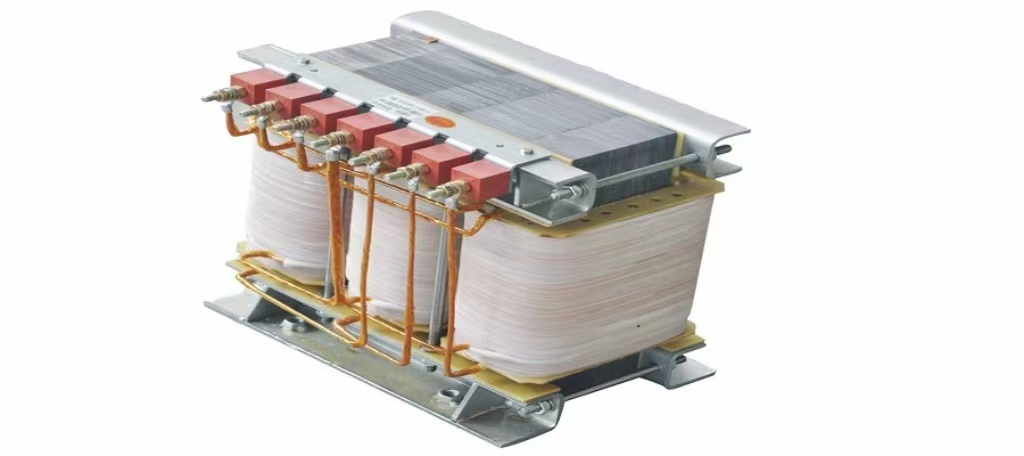
Maintenance, Durability and Service Life
Copper is chemically stable, corrosion-resistant, oxidation-resistant, and can be used for more than 30 years with little or no maintenance.
Aluminum in the humidity, salt spray, dusty environment is more likely to oxidize, although now the process will do tin-plated, copper-plated treatment, but still need to be more frequent inspections than copper. As long as the maintenance is in place, aluminum windings can also be used enough years, but the stability and the degree of savings is not as good as copper.
What scenario picks copper? What scenario selects aluminum?
Preferred scenarios for copper windings
- Data centers, hospitals, factories and other highly reliable places
- Long-term full load, continuous operation, and high efficiency requirements.
- Poor environment, inconvenient maintenance, hope to have fewer failures.
- Emphasize the long-term cost of electricity, do not want to spend more money on electricity year after year.
Preference for aluminum windings
- Projects with limited budgets such as small area power distribution, commercial buildings, photovoltaic wind power, etc.
- Projects with light loads and intermittent operation
- Weight-sensitive projects requiring lightweight installation
- Initial investment is tight, and there are fixed operation and maintenance personnel on site
Summarize
Copper and aluminum are not absolutely good or bad, only suitable or not. If you value efficiency, stability, longevity and less maintenance, choose copper windings. For low cost, light weight, and control of initial investment, choose aluminum windings.
Choose the right material, not only can save upfront cost, but also in the use of more than ten years cycle, reduce failure, reduce electricity costs, improve the reliability of power supply, this is the real cost-effective selection of ideas.