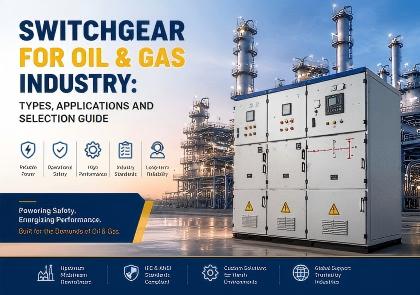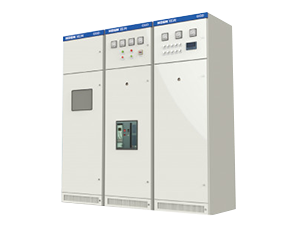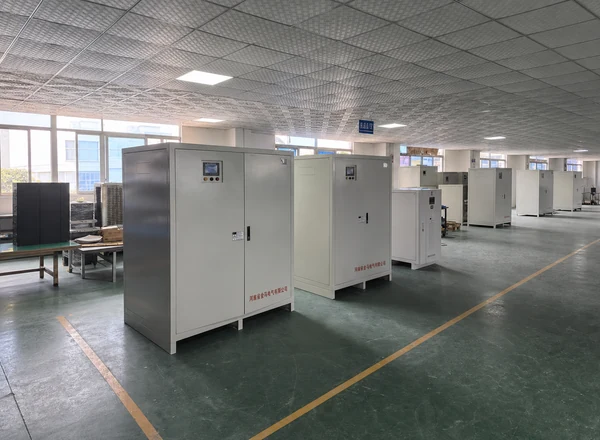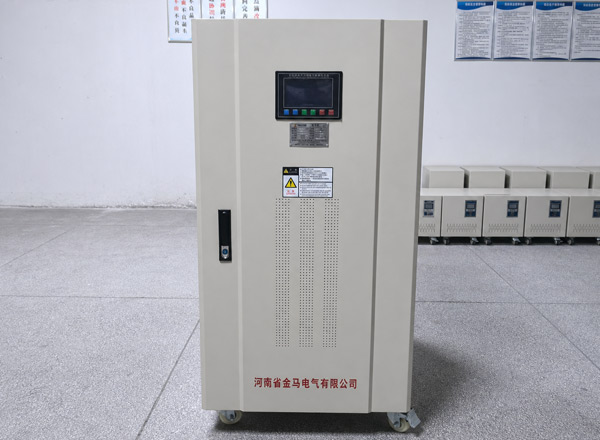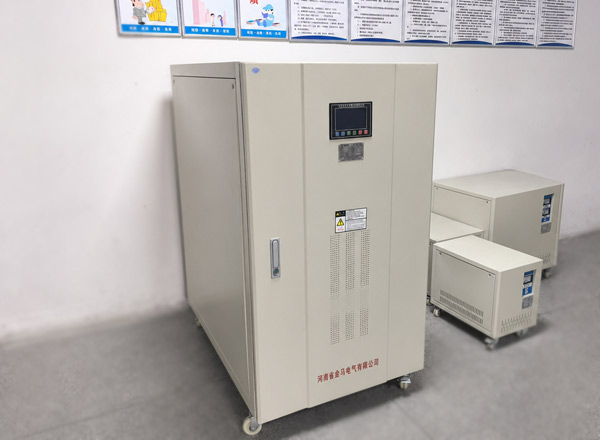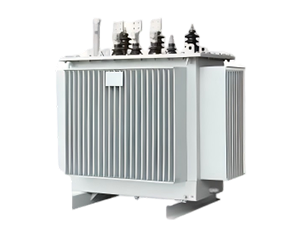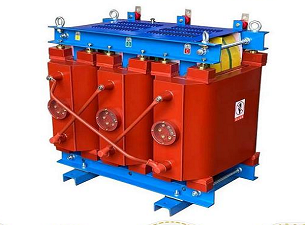


As the core hub of power transmission and distribution, the choice of substation installation (indoor or outdoor) directly determines the stability of the power system, investment costs and operation and maintenance efficiency. This paper will systematically analyze the definition, characteristics, advantages and disadvantages of the two types of substations, and combined with practical scenarios to give selection advice, to provide professional reference for relevant practitioners, while taking into account the practical orientation of transformer product marketing.
What Is an Indoor Substation?
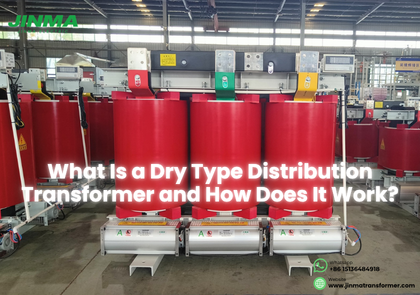
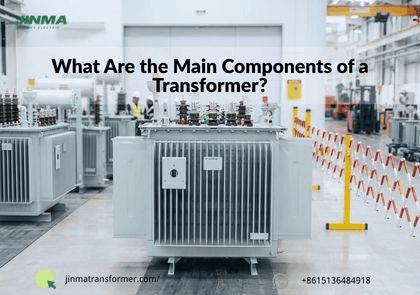
Indoor substation is a kind of electric power device that concentrates all electric power equipment in a special closed building, mainly undertaking the core tasks of voltage conversion and power distribution. This type of substation is usually applied to the voltage level of 11kV and below, and can also be applied to 33kV and 66kV scenarios if there are pollution problems in the environment, with the help of the protection of the closed building to isolate the external pollutants. In terms of equipment configuration, only oil circuit breakers are used on the power supply side, and the high-voltage power supply is connected to the primary side of the transformer through the oil circuit breakers, and the busbar extends out to a number of feeders, each of which is equipped with the corresponding control and measurement equipment; in order to ensure the safe operation of the equipment, the feeders are protected by inverse power relays, and the oil-immersed transformer with an oil storage cabinet is equipped with a gas relay, which provides all-around protection against equipment failures.
What Is an Outdoor Substation?
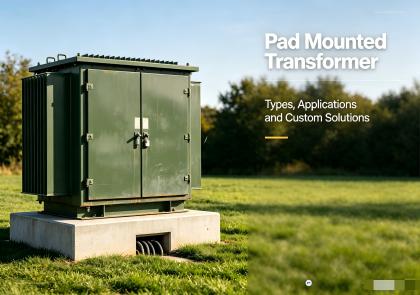
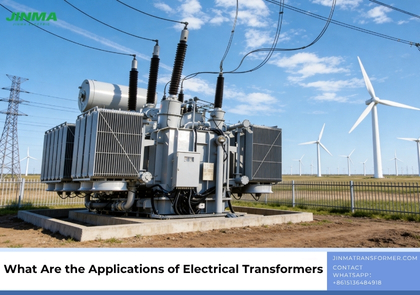
Outdoor substations are mainly conventional and compact types, whose most significant feature is that all power equipment is exposed outdoors, without the need to build a special closed building, which is well adapted to the complex outdoor natural environment and high-voltage power transmission needs. In order to adapt to the changing outdoor environment, the equipment of this type of substation are treated with special technology, which can effectively withstand the impact of rain, snow, wind, atmospheric pollution and other types of severe weather. In terms of insulation performance, the insulators are designed with a large umbrella skirt structure, which ensures stable insulation strength; the equipment is mostly installed on steel or concrete supports, and although the footprint is relatively large, the spacing between the equipment is set up in a scientific and reasonable manner, which provides sufficient operating space for subsequent maintenance operations and capacity expansion.
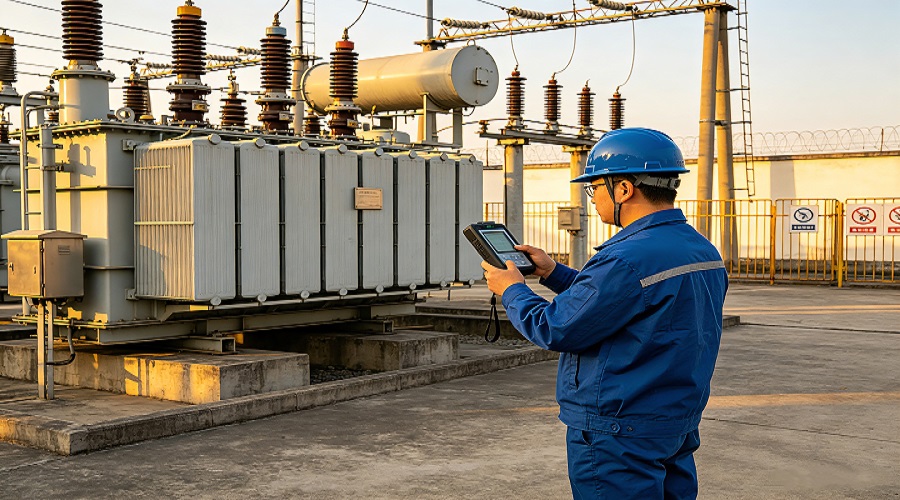
Pros and Cons of Indoor Substations
Pros
Safety and security in place: with the closed building structure, it can effectively block the entry of unrelated personnel and animals, significantly reducing all kinds of security risks.
Strong environmental adaptability: can effectively isolate external pollutants, temperature and humidity fluctuations, the transformer and other core power equipment to form a good protection, thereby extending the service life of the equipment.
Better cost and loss: no need to install additional lightning protection facilities, and the length of the control cable is shorter, which not only saves investment in the construction phase, but also reduces the loss in the process of power transmission.
Convenience of operation and maintenance: operation and maintenance operations are not affected by outdoor weather changes, the operation process is smoother and more efficient, reducing the difficulty of operation and maintenance personnel.
Cons
High construction cost: the need to support the construction of special buildings, civil construction workload, construction costs are much higher than outdoor substations.
Difficulty in capacity expansion and transformation: the building space is fixed, and it is difficult to expand the capacity of the subsequent equipment and overall transformation.
Inconvenient troubleshooting: the closed layout of the equipment makes it difficult to quickly locate the point of failure, and the convenience of troubleshooting and overhaul is insufficient.
Pros and Cons of Outdoor Substations
Pros
Initial investment economy: no need to build a special closed building, less consumption of building materials, civil construction workload is greatly reduced, more suitable for power projects with limited budget.
Convenient and efficient inspection and maintenance: all power equipment is exposed, fault points can be directly observed and quickly localized, easy inspection and maintenance operations, and can effectively avoid the spread of faults.
Convenient expansion and remodeling: Relying on the sufficient floor space, it is less difficult to carry out subsequent equipment expansion and system remodeling, and has strong operational flexibility.
Shorter construction cycle: the construction process is relatively simplified, without the need to invest a lot of time in the construction of closed buildings, the construction can be quickly completed and put into normal use
Cons
Higher site requirements: compared with indoor substations, outdoor substations have higher requirements for site area, subject to land resource constraints, it is difficult to land in the urban core area, densely populated areas.
Increased investment in preliminary protection: the lack of closed building shelter protection, the need for additional configuration of lightning protection, protective fences, monitoring and other related facilities, which in turn increases the construction of the preliminary investment.
Difficulty and high cost of operation and maintenance: operation and maintenance work needs to be carried out in the open air environment, vulnerable to rain, snow, wind and other inclement weather, which not only enhances the difficulty of operation and maintenance operations, but also increases the cost of long-term operation and maintenance.
Key Factors to Consider When Choosing
The selection of indoor and outdoor substations needs to be combined with the actual scene, demand and budget comprehensive judgment, the core can be summarized into three major aspects, taking into account the practicality and economy:
First, the site and environmental conditions, land resources, urban core areas, business districts and serious pollution, extreme weather scenarios, give priority to indoor substations; while sufficient space, low land costs in remote areas and environmental stability without obvious pollution scenarios, outdoor substations can be selected.
Second, the cost and operation and maintenance needs, limited budget, can afford high-frequency operation and maintenance costs of the project, suitable for the choice of outdoor substations; if the pursuit of long-term operation and maintenance of convenient, reduce the later investment, and noise control requirements (such as residential areas, commercial districts and other noise-sensitive areas), then prioritize the choice of indoor substations.
Third, safety and capacity expansion considerations, personnel, animal-intensive areas need to prioritize the choice of indoor substations to ensure safety; remote areas can make up for the safety shortcomings of outdoor substations by adding protective facilities, while there is a clear expansion plan for the project, give priority to the choice of outdoor substations, no expansion needs can be combined with other factors for flexible choice.
Indoor vs Outdoor Substations: Quick Comparison
Environment: indoor equipment is closed, suitable for low and medium pressure and polluted environment; outdoor equipment is exposed, suitable for high pressure and outdoor bad weather.
Construction complexity: indoor need to build a special building, civil construction workload; outdoor no need to cover the building, civil construction is simple.
Voltage Adaptation: Indoor conventional ≤11kV, special up to 66kV; outdoor mainly adapted to 66kV and above high voltage.
Footprint: indoor footprint is compact and suitable for urban core areas; outdoor footprint is vast and requires open space.
Visibility of equipment: indoor equipment is closed and inconvenient to view; outdoor equipment is exposed and can be directly observed.
Expansion Flexibility: Indoors is restricted by the building, so it is difficult to expand; outdoors has enough space, so it is convenient to expand.
Overall cost: high initial investment indoors, low operation and maintenance cost later; low initial investment outdoors, high long-term operation and maintenance cost and difficulty.
Troubleshooting: indoor trouble spots are difficult to locate; outdoor troubleshooting is convenient and efficient.
Difficulty of operation and maintenance: indoor operation and maintenance is not affected by the weather; outdoor operation and maintenance is subject to weather constraints, which is more difficult.
Equipment maintenance: indoor operation space is limited, maintenance is inconvenient; outdoor operation space is sufficient, maintenance is convenient.
Additional protection: no additional lightning and dust protection facilities indoors; outdoor lightning protection devices need to be installed, and the equipment needs to have antifouling and anticorrosion properties.
Conclusion
Indoor and outdoor substations have no absolute advantages and disadvantages, the core of the selection is to adapt to the actual scene: indoor substations are suitable for urban core areas, densely populated and other land constraints, harsh environments or noise-sensitive scenarios, the advantage of safety, reliability, convenient operation and maintenance, the shortcomings of the construction cost is higher; outdoor substations are suitable for remote and open, budgetary constraints, and the expansion of the demand for the scene, the initial investment is low, but the long-term operation and maintenance of the difficulty. In addition, the quality and standardized operation and maintenance of core equipment (such as transformers and circuit breakers) directly affects the operational efficiency and service life of the substation, so it is necessary to choose the appropriate specifications in combination with the scene.