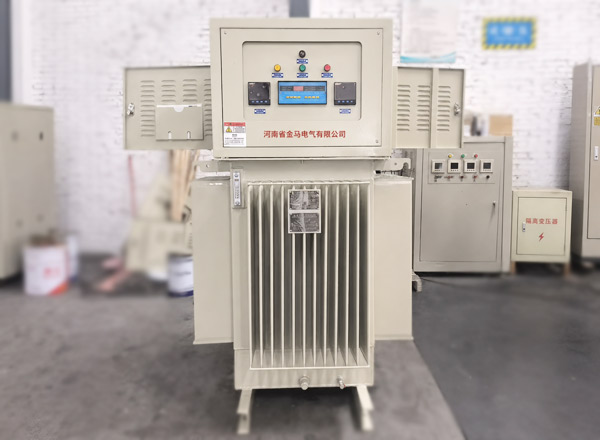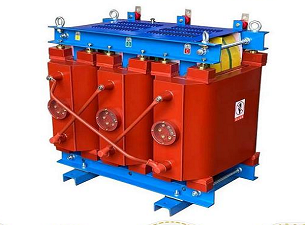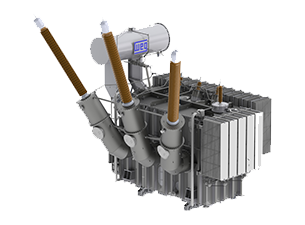


In the power system, oil-immersed transformer is the key equipment for the stable operation of the power grid, transformer oil, also called insulating oil, is the core medium of the transformer, which directly affects the safety and service life of the equipment. It not only has the role of insulation, but also bear cooling, arc extinguishing, moisture, oxidation and other key functions.
In this paper, we will disassemble the core function of transformer oil, additional value, aging hazards, testing and maintenance methods, as well as selection techniques, to help electric power practitioners, equipment operation and maintenance personnel to quickly penetrate the logic of the application of transformer oil, for the stable operation of the transformer, scientific maintenance, accurate selection to provide professional reference.
Understanding Transformer Oil
Transformer oil is a special fluid developed for oil-immersed power transformers, while adapting to high-voltage capacitors, circuit breakers, high-voltage switches and other power equipment, high-voltage electrical equipment is an indispensable supporting medium. Different from ordinary lubricants, transformer oil to insulation, heat dissipation, arc extinguishing as the core design objectives, with strong electrical stability and chemical stability.
At present, more than 85% of the transformer oil on the market is refined mineral oil, purified from crude oil, with various functional additives, suitable for most of the conventional working conditions. For high safety, environmental protection scenarios, natural esters, synthetic esters, silicone oil and other new insulating oil applications are also continuing to popularize.
The industry has formulated strict implementation standards for transformer oil, mainstream international standards, including IEC 60296 general standard, ASTM D3487 U.S. industry standards, strictly regulate the electrical, physical and chemical performance indicators of transformer oil, is the core basis for equipment selection and quality testing.
Primary Function:Electrical Insulation
Electrical insulation is the most core function of transformer oil, is an important guarantee for the safe and stable operation of high-voltage transformers. Transformer internal windings, core and tank shell in high-voltage conditions, there is a large potential difference between the components, very easy to cause arc, corona, partial discharge and electrical breakdown and other faults.
Dielectric Medium and Gap Filling
Transformer oil can completely fill the gap between the windings, iron core, insulation cardboard, replacement of insulation performance is very poor air, to eliminate the air voids within the equipment. At the same time, the oil can penetrate and infiltrate the porous cellulose paper insulation material, forming an oil-paper composite insulation system, whose insulating strength is 20%-25% higher than that of a single oil and a single paper insulation, realizing a synergistic enhancement of insulating performance.
Excellent Electrical Performance Index
High-quality transformer oil has very high electrical stability: the breakdown voltage of new mineral oil can reach 28-70kV, which can withstand strong electric field without breakdown; the relative dielectric constant is stable at 2.1-2.3, which can uniformly disperse the internal electric field of the equipment; the dielectric loss factor is lower than 0.01, and the energy loss is very low under the AC condition; the electrical resistivity is higher than 10¹²Ω-m, which can maximize the elimination of the leakage phenomenon.
Suppression of High-voltage Breakdown
Under high-voltage conditions, moisture and impurities are easy to form conductive paths in the insulation gap, inducing electrical breakdown. Clean transformer oil can effectively block this conductive “bridge” effect, inhibit corona, flow injection and other partial discharge potential hazards, from the source to avoid high-voltage short-circuit, equipment burned and other serious failures, to protect the transformer stable operation for 30-50 years.
Cooling the Transformer
Cooling is the second core function of transformer oil. Transformer operation process, the core of the hysteresis, eddy current loss, winding resistance loss will continue to generate a lot of heat, if the heat can not be dissipated in a timely manner, will lead to overheating of the equipment, accelerated aging of the insulation, the load capacity decline, and even lead to equipment scrap.
Transformer oil through heat conduction and natural convection to achieve efficient heat dissipation, effective control of equipment temperature rise. When the transformer is running, the iron core and windings continue to heat up, and the surrounding oil absorbs heat and warms up and lowers the density and then flows upward, transporting the core heat to the oil tank and radiator to distribute.
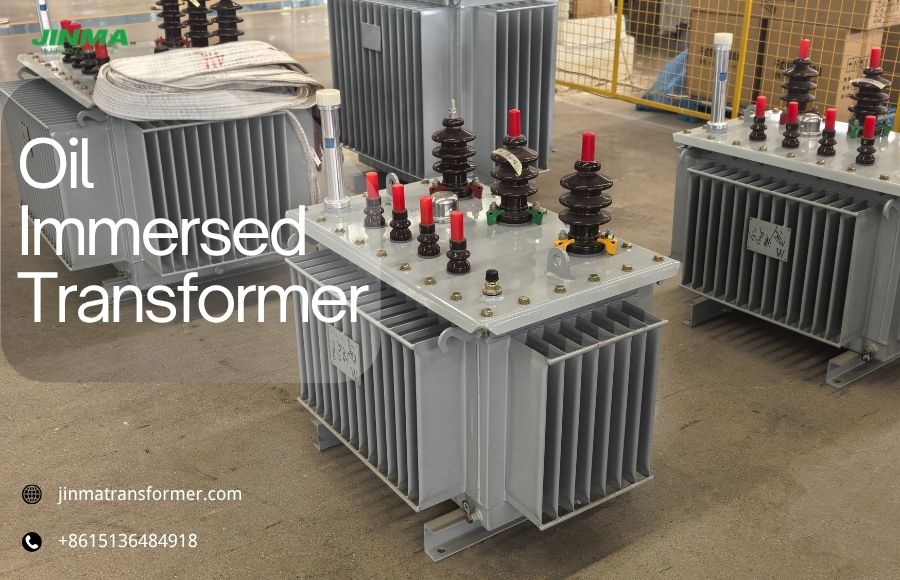
After cooling down the density of the oil back up, sinking back to the flow, the formation of a stable heat siphon cycle, continuous discharge equipment heat. At the same time, infiltration of paper insulation oil can channel the residual heat in the dead space, to avoid local overheating aging insulation, to protect the transformer in the rated and overload conditions under stable temperature.
Arc Quenching and Discharge Suppression
In the transformer tap changer switching, internal short-circuit fault, high-voltage switch action process, will instantly produce high temperature arc, if not quickly extinguished, will burn insulation materials, damage equipment structure, and even cause an explosion. Transformer oil has excellent arc extinguishing and discharge suppression ability, is the safety barrier of high-voltage equipment.
The high temperature of the arc will decompose the surrounding transformer oil, producing hydrogen, acetylene and other gases and rapidly expand to form a high-pressure bubble wrapped arc. Hydrogen quickly cools down and extinguishes the arc, and at the same time the bubbles push the new oil to fill the fault channel, restore the insulation, and quickly cut off the arc.
Transformer oil can completely fill the tiny cavities inside the equipment, eliminating the low insulation strength of the air medium, while the aromatic hydrocarbon components in the oil can capture the charge, inhibit the spread of flow discharge, greatly enhance the starting voltage of partial discharge, eliminating long-term micro-discharge on the insulation system of chronic damage.
In addition, the gas generated by the decomposition of oil faults can be accurately detected by dissolved gas analysis (DGA), which becomes the core basis for judging the arc and overheating faults inside the transformer.
Moisture Protection
Moisture is the number one killer of the transformer insulation system, will significantly reduce the insulation strength, accelerate the aging of paper insulation, induced partial discharge and thermal runaway fault. Transformer oil through multiple mechanisms to realize moisture protection insulation, is the core medium of equipment moisture.
Transformer oil fully moistened paper insulation, sealing pores, blocking external moisture infiltration, forming a reliable moisture barrier. At the same time the oil and insulating paper to form a dynamic water balance, running temperature when the water into the oil, cooling down will not gather in the equipment hot spots, effectively avoiding the problem of localized moisture.
At the same time, the mineral oil itself is very low water solubility, room temperature can only accommodate 50-60ppm water, can strictly limit the moisture content in the system, as long as the oil is maintained clean and dry, can continue to protect the cellulose insulating structure, and slow down the aging of the equipment.
Protection Against Oxidation and Contamination
Transformer long-term operation, oxygen, high temperature, metal catalytic, impurity pollution will destroy the insulation system stability, and transformer oil comes with antioxidant, anti-pollution protection ability, effectively extend the service life of the equipment.
Refined transformer oil has excellent chemical stability, with antioxidant can inhibit oil oxidation, eliminate acid, sludge and other harmful products generated. With equipment sealing structure and metal passivator, can effectively avoid metal catalytic oxidation, prevent oil deterioration, insulation performance degradation.
At the same time, the transformer oil can isolate the internal impurities, and through the circulation flow with the filtration system to remove the pollutants, to avoid impurities conductive to cause failure. Combined with dry breathing device and sealed tank design, can effectively block the outside moisture, impurities invasion, continue to maintain the equipment internal clean and stable.
Additional Benefits of Transformer Oil
In addition to the five core functions, transformer oil also has a number of additional values, which become the key to improve the reliability of transformers and reduce operation and maintenance costs:
- l Equipment health diagnostic carrier: transformer oil is known as the equipment’s “medical report”, through the DGA dissolved gas analysis, moisture detection, acidity detection, furan detection and other items, can accurately determine the equipment internal overheating, arcing, insulation aging and other latent faults, to achieve pre-emptive maintenance, to avoid unplanned shutdowns. Avoid unplanned downtime.
- l Strengthening the mechanical stability of insulation: the paper insulation layer after oil infiltration has a tighter structure and a more uniform electric field distribution, which not only improves the insulating properties, but also strengthens the mechanical stability of the insulation structure to resist vibration shocks in the operation of the equipment.
- l Anti-corrosion lubrication and noise reduction: The oil isolates oxygen and water vapor, protects the metal parts of the equipment from corrosion; lubricates the moving structure, reduces wear and tear, and at the same time reduces vibration and noise, which is suitable for quiet scenes in residential areas and urban areas.
- l Safety and environmental protection and overload adaptability: ester oil products with high ignition point, flame retardant safety, biodegradable, green and non-polluting, suitable for ecologically sensitive areas; can support transformer overload operation of more than 20% to enhance equipment load adaptability and power supply stability.
What Happens When Transformer Oil Degrades?
Transformer oil in the long-term thermal stress, electrical stress, chemical corrosion, external pollution will occur under the action of irreversible aging degradation, the direct loss of the core functions, endangering the safety of equipment.
Aging Core Causes
Transformer oil aging causes are complex and mostly superimposed, the core causes are mainly divided into four categories:
- equipment sealing laxity leads to oxygen intrusion, will continue to induce oil oxidation deterioration; transformer long-term overload, poor heat dissipation of high temperature, will accelerate the thermal decomposition of oil molecules, destroy the basic physical and chemical properties;
- partial discharge in the operation of equipment, arc faults will produce high-energy shock, causing electrical damage, accelerate oil degradation;
- the residual water in the system, suspended impurities will form a catalytic effect, greatly accelerating the rate of aging.
- In addition, natural ester, synthetic ester insulating oil by the material characteristics of the impact, but also the exclusive hydrolysis of aging problems, further affecting the stability of the oil.
Typical Problems after Aging
- l Mineral oil aging will continue to precipitate acidic substances and gelatinous sludge, sludge will be firmly attached to the winding, radiator and other key components on the surface, blocking the heat dissipation of oil and ventilation channels, directly resulting in poor heat dissipation equipment, the temperature rises abnormally.
- l At the same time, oil acidity continues to rise, will gradually corrode metal components, erosion of paper insulation materials, resulting in irreversible damage to the insulation structure.
- l The key performance indicators of the oil will also deteriorate significantly: breakdown voltage, interfacial tension is significantly reduced, dielectric loss and viscosity continue to rise, ultimately leading to insulation, heat dissipation of the two core functions of complete failure.
- l Compared with mineral oil, ester oil aging almost does not produce precipitation sludge, but there will be a rapid increase in acidity, viscosity problems, will also weaken the efficiency of heat dissipation, damage the stability of insulation, affecting the safe operation of the transformer.
Intuitive Detection Signal
When the oil color from bright yellowish gradually deepen, turn to dark brown or even black, at the same time, the equipment oil temperature abnormally rise, operation noise increase and other phenomena, and the DGA test shows fault gas exceeds the standard, are the typical warning signals of oil aging, need to carry out timely operation and maintenance maintenance, to avoid the risk of equipment failure.
How Transformer Oil Is Tested and Maintained
Scientific testing and maintenance is to slow down the aging of the oil, extend the service life of the transformer 30-50 years of the core means, the industry follows the IEC 60422, IEEE C57 series of standards to carry out operation and maintenance work.
Standardized Sampling Specification
Sampling work should strictly follow the IEC 60475 industry standards, using clean and dry special syringes and sampling containers. Before sampling, the pipeline should be thoroughly emptied of stagnant oil to minimize the contact between oil and air, and the equipment load, oil temperature and environmental parameters should be accurately recorded to effectively avoid sampling errors and ensure that the subsequent testing data are true and accurate.
Core Testing Program
As the basic screening method of transformer oil operation and maintenance, routine testing includes four core indexes: appearance, breakdown voltage, moisture content and total acidity, which can quickly determine the oil quality and equipment operation status.
Among them, appearance visual judgment oil deterioration, breakdown voltage measure insulation ability, moisture content reflect moisture hidden danger, total acidity characterize oil aging degree, can provide effective basis for daily operation and maintenance rectification.
In-depth diagnostic testing is centered on DGA dissolved gas analysis, together with interfacial tension, dielectric loss factor, furan content and inhibitor content testing, to accurately detect latent faults.
Field Tests
Core high-voltage transformers are tested every 6-12 months, ordinary distribution transformers are tested every 1-3 years, and encrypted testing is required after equipment overload and failure. Daily operation and maintenance through dehydration, filtration, regeneration treatment to remove moisture, impurities, acidic substances, supplement antioxidant additives; serious aging oil needs to be replaced in time with new oil, to completely restore the performance of the equipment.
Choosing the Right Transformer Oil
Transformer oil selection needs to be combined with application scenarios, safety requirements, environmental conditions, operation and maintenance costs for comprehensive consideration, the different oils suitable for the scenarios vary significantly, the core selection comparison is as follows:
Main Types of Transformer Oil
- l Mineral oil: the lowest cost, small viscosity, excellent heat dissipation performance, mature technology, is the first choice for outdoor conventional transformer, suitable for low temperature environment, the disadvantage is higher flammability, poor biodegradability.
- l Natural ester oil: excellent flame retardant, more than 95% biodegradable, moisture protection insulation ability, can extend the life of paper insulation 3-12 times, to support high load operation, suitable for indoor, urban areas, ecologically sensitive areas, the disadvantage of high viscosity, the initial purchase cost is higher.
- l Synthetic ester, silicone oil: high temperature resistance, good stability, excellent overall performance, can be adapted to extreme working conditions and core key equipment; but the cost is higher, suitable for high-end, special important scenes.
Key Decision Factors
For different operating environments and equipment levels, it is necessary to follow the principles of scene adaptation, safety priority, and affordable and accurate selection:
- l For outdoor conventional power distribution equipment, limited budget scenarios and cold and low-temperature areas, priority should be given to the use of antioxidant naphthenic mineral oils, which have good low-temperature fluidity, heat dissipation stability, low operation and maintenance costs, and take into account the adaptability and economy.
- l Indoor substations, urban residential areas, densely populated business districts and other scenarios, where personnel and equipment are concentrated and fire safety requirements are stringent, need to use natural ester oils with excellent flame retardant properties, whose high ignition characteristics can significantly reduce the risk of equipment fire and spread, eliminate safety accidents, and safeguard the safety of regional power consumption.
- l Water source protection zones, natural ecological control areas, farmland and other environmentally sensitive areas, give priority to the use of fully biodegradable environmental protection ester oils, even if the oil leakage will not cause soil and water pollution, in line with the construction of green power, ecological protection requirements.
- l High temperature and high load operation of the hub core equipment, high reliability requirements of the key power facilities, it is appropriate to use synthetic ester or special silicone oil, its high temperature resistance, anti-aging, insulation stability, can be adapted to the extreme working conditions, to protect the equipment to continue stable operation.
On the whole, mineral oil is an economical and universal choice, and ester oil is the optimal solution for long-lasting safety and environmental protection scenarios, which can be selected according to the total life-cycle cost (TCO) without simply pursuing low prices.
Conclusion
Transformer oil is by no means a simple filling medium, but a set of electrical insulation, circulation and heat dissipation, arc quenching, moisture protection, anti-oxidation and anti-pollution five core functions in one multi-functional medium, at the same time, with equipment diagnostics, noise reduction and anti-corrosion, environmental protection and safety and other added value, is the core of oil-immersed transformer safe and stable operation of security and protection.
Oil aging, improper maintenance is the main cause of transformer failure, relying on standardized testing, normalized operation and maintenance, scientific selection, can maximize the delay equipment aging, reduce operation and maintenance costs, to protect the long-term stable operation of the power system.