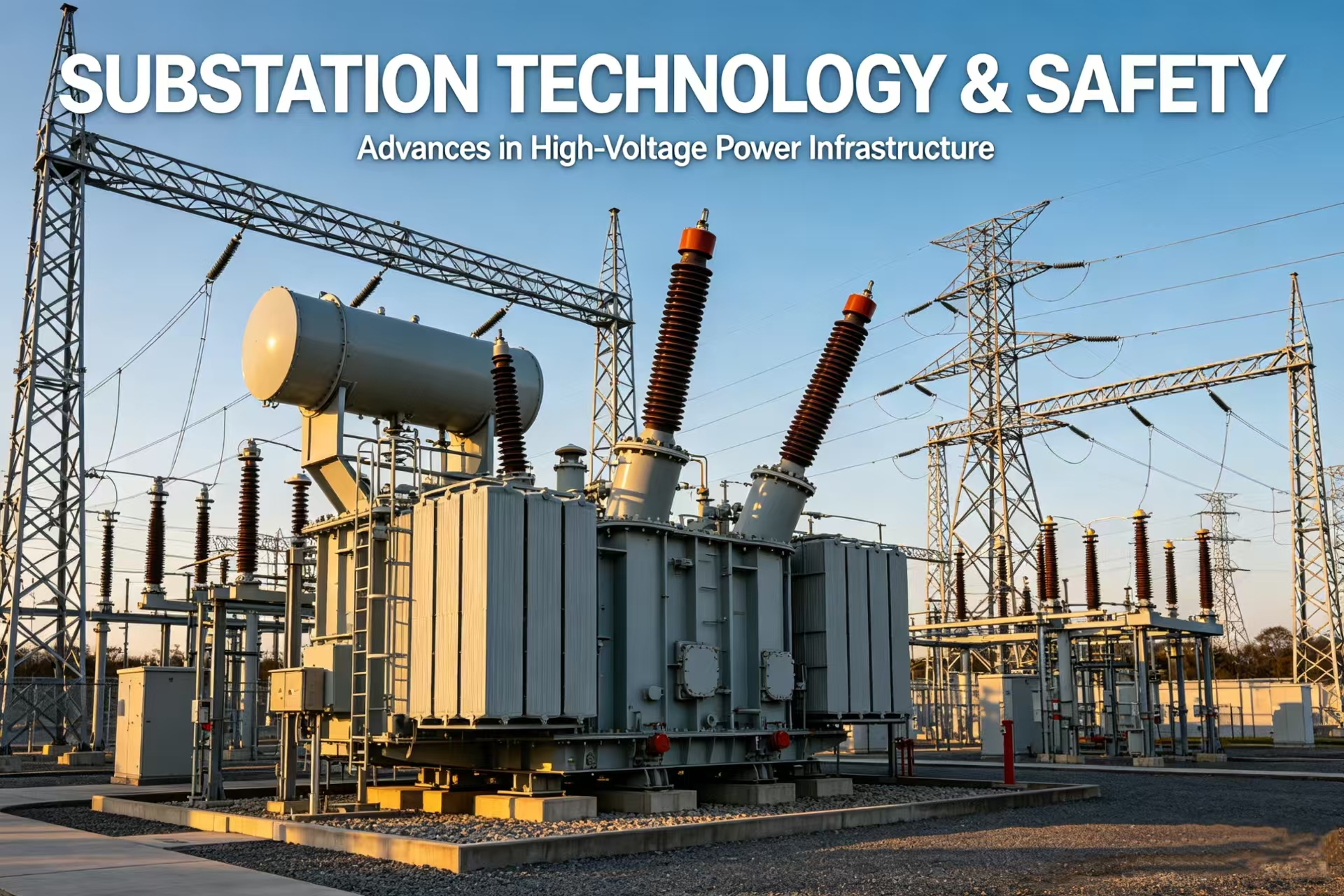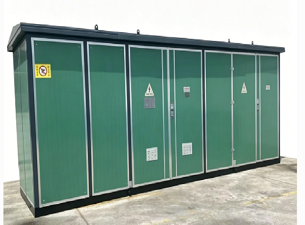


In power engineering construction, substation is the core hub of the entire power system, bearing the key functions of power conversion, transmission, control, protection and scheduling. Whether it is a traditional thermal power, hydropower projects, or photovoltaic, wind power new energy grid project, or industrial plants, urban distribution network construction, substation equipment selection directly determines the reliability of the grid operation, operational security, power quality and total life cycle cost.
Many power projects have frequent tripping, premature aging of equipment, line loss is too high, fault expansion, acceptance of substandard problems, the root cause is mostly not in the construction process, but in the early stage of equipment selection is unreasonable. Blind reference to common parameters, ignoring the site environment, focusing only on the initial procurement costs, the lack of long-term expansion planning, will give the power grid operation buried long-term hidden dangers. This paper will systematically explain the core logic of substation equipment selection, pre-survey standards, core equipment selection points, scene adaptation program and cost operation and maintenance planning, for all kinds of power engineering projects to provide guidance on selection can be landed.
the core value and function of substation equipment in power engineering
Substation is the key hub of the power system, connecting power generation, transmission and end-use electricity, the core function is divided into five:
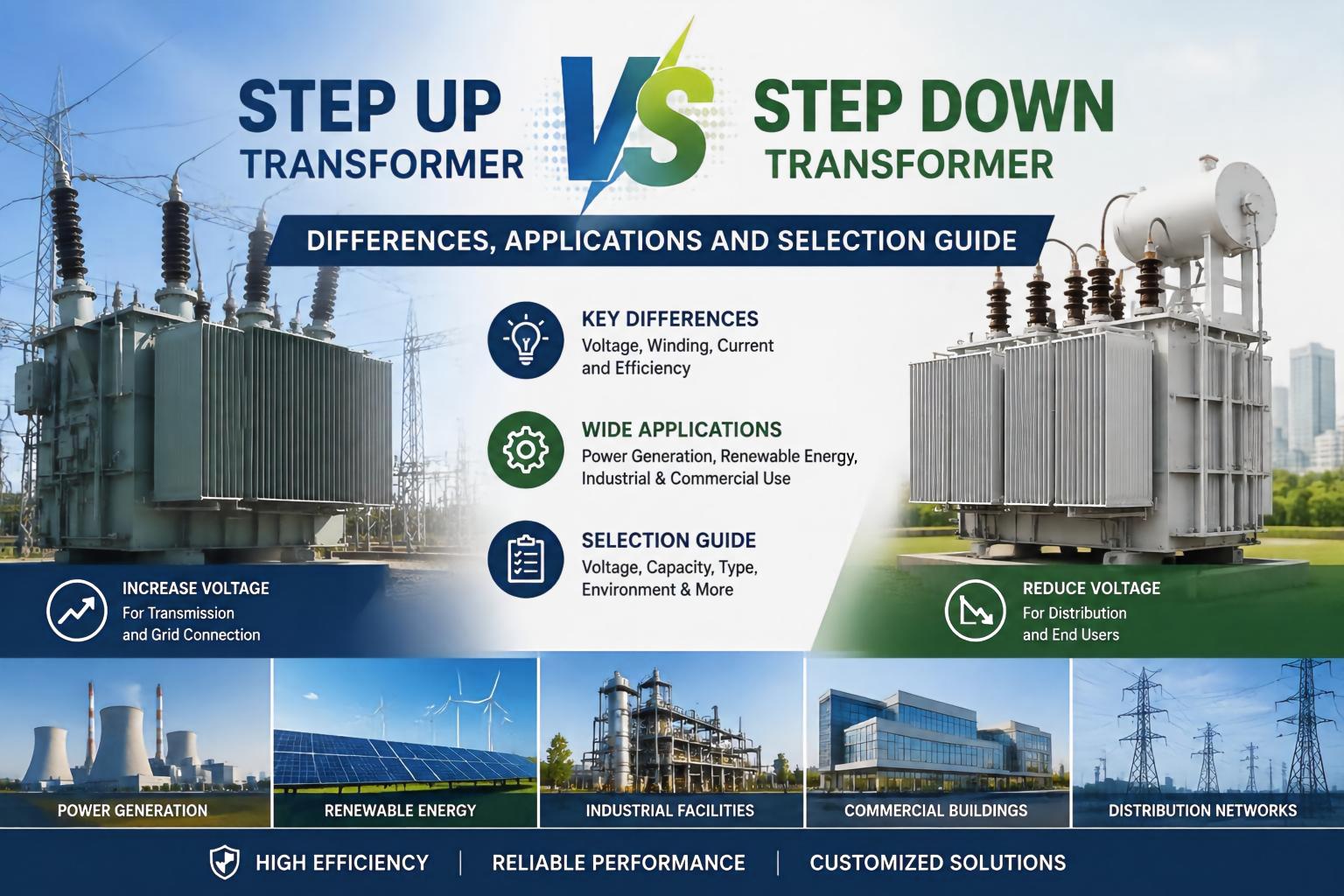
Voltage rise and fall transformation: 11~25kV voltage on generator side is boosted to 132kV/220kV/400kV ultra-high voltage, which reduces the loss of power transmission on long lines; load side is step by step voltage reduction, which is suitable for terminal power distribution equipment.
Trend regulation and line segmentation: Flexible deployment of power transmission paths, isolation of lines during grid maintenance, avoidance of total line blackout, and optimization of scheduling efficiency.
Rapid fault protection and isolation: with the help of circuit breakers, transformers and protection devices, it can quickly identify short-circuit, lightning strike and overload faults, isolate the fault section and curb the spread of accidents.
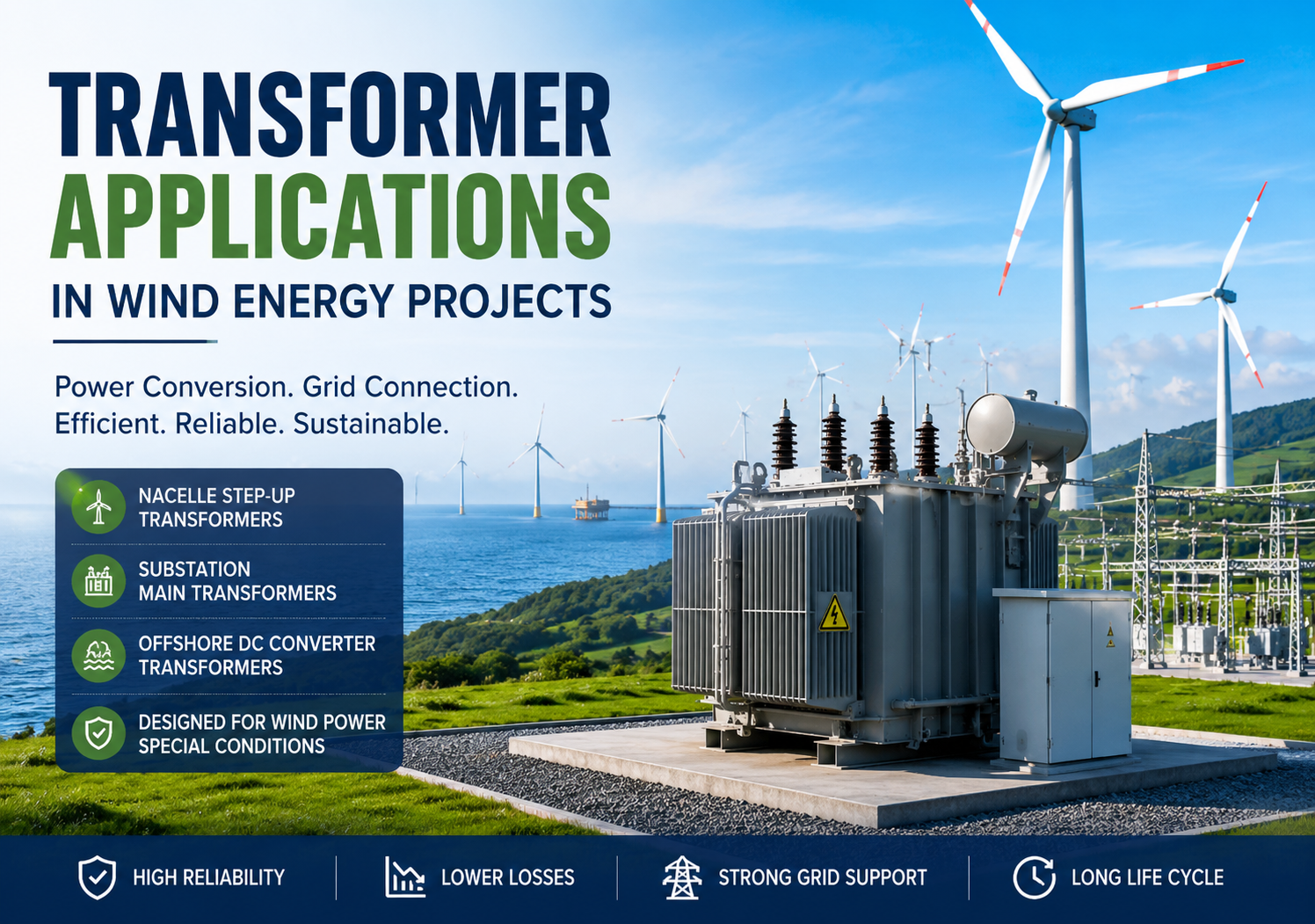
Grid-connection and consumption of new energy: smooth access to fluctuating power sources such as photovoltaic, wind power and energy storage, suppressing power fluctuations and ensuring stable operation of the main grid.
Grid interconnection and intercommunication: realizing interconnection of power stations in the area, supporting cross-regional and cross-country DC transmission projects, and optimizing the overall deployment of power resources.
The Decisive Impact of Equipment Selection on Grid Reliability and Safety
Equipment selection is the core part of substation design, the accuracy of selection directly determines the reliability of grid operation, the safety of personnel operations and the project’s full life-cycle benefits, and minor selection deviations may trigger systematic risks.
Impact of improper selection on system reliability
Parameter matching imbalance is the most common selection problem. If the voltage, current and short-circuit withstand parameters of core equipment such as circuit breakers and transformers are lower than the actual working conditions of the system, they will not be able to effectively cut off the fault current, which will easily lead to chain failures of the power grid; on the contrary, over-enlarging the parameters of the equipment and blindly overmatching the equipment will significantly increase the initial investment of the project, but will not be able to bring about the corresponding reliability enhancement, which will result in a waste of resources.
The lack of site environmental adaptation will accelerate equipment aging. Coastal high salt spray, high humidity, industrial pollution, high altitude, earthquake-prone areas, if not targeted selection of adaptive equipment, will lead to insulator flashover, equipment corrosion, insulation performance degradation and other issues, significantly shorten the service life of the equipment, enhance the probability of failure.
Misalignment of the protection system selection will lead to operational disorders. Current transformer, voltage transformer, protection relay selection mismatch, there will be false tripping, fault refusal, poor protection selectivity and other problems, either resulting in unnecessary power outages, or failures can not be disposed of in a timely manner, expanding the scope of the accident.
Safety Risks of Improper Selection
Substation high-voltage equipment operating conditions are complex, selection errors are very likely to cause major safety accidents. Circuit breaker arc extinguishing capacity is insufficient, short circuit fault can not effectively extinguish the arc, will cause equipment explosion, fire, release of toxic gases and high pressure energy, threatening equipment and personnel safety. Insulation configuration is not up to standard, lightning arrester selection deviation, can not withstand lightning strikes and operational overvoltage, will cause insulation breakdown, flashover fire.
At the same time, not configured arc protection equipment, does not meet the arc protection level of switchgear, will greatly enhance the operation and maintenance personnel operation risk; earthquake-prone areas of the equipment does not meet the standard seismic selection, prone to equipment collapse, line breaks; grounding system selection is unreasonable, will lead to faults step voltage, contact voltage exceeds the standard, triggering electrocution accidents. The oil-filled equipment fire, leakage prevention configuration is missing, but also bring fire, oil leakage and other environmental and safety hazards.
Engineering practical consequences of selection errors
From the project landing and operation point of view, improper selection of equipment will cause a series of chain problems: light equipment failure, operation and maintenance costs soar, power supply stability is not enough; heavy triggered by large-scale power outages, equipment explosion fire and other safety accidents, resulting in huge economic losses. At the same time, equipment parameters do not meet the IEC, IEEE and local power grid specifications, which will lead to unqualified acceptance of the project, can not be connected to the grid operation, triggering delays in the construction period, contract defaults and other issues, which seriously affects the return on project investment.
General optimal principle of equipment selection
In order to avoid all kinds of risks, power engineering equipment selection needs to follow standardized guidelines: carry out simulation calculations of tidal current, short-circuit, and transient stability in advance; make special assessments in combination with the site climate, geology, and environmental conditions; give priority to equipment that has passed authoritative type tests and complies with the industry standards; focus on the whole-life cycle cost instead of purely comparing the initial offer; give priority to intelligent equipment adapted to the IEC 61850 digital standard, and take into account the future expansion of the capacity. Intelligent equipment to meet the IEC 61850 digital standard, taking into account the future expansion; joint professional design team and regular equipment manufacturers on the ground selection; synchronized planning of spare parts and later operation and maintenance programs.
Transmission and distribution substation functional differences and selection focus
Substation is divided into transmission substation and distribution substation two types, the two in the grid positioning is different, the function focus and equipment selection criteria there are obvious differences, need to target differentiated selection.
The core of transmission substation undertakes long-distance and large-capacity power transmission task, mainly realizes voltage boosting at the generating end and voltage bucking at the receiving end, and the voltage level is mostly 132kV and above, focusing on the interconnection of power grids, power scheduling, and system stability control, which requires high requirements on the short-circuit tolerance ability of the equipments, the protection response speed, and the redundancy of the system, and needs to configure high-precision, high-reliable protection and regulation equipments.
Distribution substation for end-user power supply, mainly the transmission of high-voltage down to 11kV, 22kV medium-voltage and 400V low-voltage level, the core function of the load distribution, feeder control, power quality assurance, selection of more focus on the protection of selective, to ensure that a single feeder failure only isolate the local area, does not affect the overall power grid operation.
Preliminary Survey: Load Analysis and Voltage Level Selection
Accurate load measurement and voltage level selection is the prerequisite for all equipment selection. Deviation in the preliminary analysis will directly lead to subsequent errors in the selection of transformers, switchgear, cables and other full-category equipment.
Accurate analysis of load demand
Load forecasting needs to be combined with historical electricity data, regional load growth rate, predicting the next 5-20 years of electricity demand, taking into account the peak load and average load, the annual growth rate of load in industrial areas can reach 10% -15%, much higher than the average civil area. At the same time, it is necessary to distinguish between load types: civil loads with large peak-to-valley differences and low load factors; industrial loads with continuous operation and high load factors; new energy and energy storage loads with bidirectional currents and large fluctuations; and data centers, rail transportation, heavy equipment belonging to shock, high harmonic special loads, which need to be individually targeted accounting.
Load calculation needs to be combined with the simultaneous coefficient, load factor, taking into account 20%-30% of redundant capacity, to cope with load growth and equipment maintenance conditions. At the same time must carry out system short circuit capacity assessment, clear substation bus maximum fault current, for circuit breakers, transformers, bus equipment, short circuit withstand parameters to provide the core basis for selection.
Core basis for voltage level selection
The selection of voltage level depends on the transmission capacity, transmission distance, grid status and long-term planning. Short-distance transmission (within 50km) is suitable for 33-132kV; medium-distance transmission (50-200km) is suitable for 132-220kV; long-distance large-capacity transmission needs to use 400kV and above ultra-high-voltage level.
At the same time, it should be adapted to the regional power grid standards. In Singapore and Southeast Asia, for example, the mainstream voltage levels include 22kV, 66kV, 230kV and 400kV, and large-scale loads of more than 25MW are usually connected to 66kV or 230kV high-voltage grids. When selecting the model, it is necessary to reserve space for long-term capacity expansion. If the regional load growth is fast, a higher voltage level can be directly selected to avoid later transformation and upgrading.
Differentiated selection for industrial and utility scenarios
Utility power projects focus on large-capacity, long-distance transmission and grid stability, and prioritize the selection of 132kV, 230kV and 400kV high-voltage grades, with highly redundant and highly reliable equipment. Small and medium-sized industrial projects (within 20MW) commonly use 11kV, 22kV medium voltage power supply; large-scale petrochemical plants, data centers (20-100MW or more) are suitable for 66kV, 132kV grade; continuous production of ultra-large industrial plants can be directly connected to the 230kV high-voltage power grid, and configured with an exclusive substation to ensure the stability of power supply.
Core primary equipment special refined selection guide
Power transformer selection
Transformer is the core equipment of substation with the highest cost ratio and the greatest influence, and the selection needs to synthesize multiple indexes such as voltage ratio, rated capacity, short-circuit impedance, loss parameter, cooling method, environmental suitability, etc. The capacity should be selected in accordance with 120% to 120% of the peak load, allowing for load growth and overload space. The capacity should be selected according to 120%-150% of the peak load, reserving space for load growth and overload, and configured with on-load voltage regulator (OLTC) to realize ±10%~±20% voltage regulation and adapt to the voltage fluctuation of the power grid.
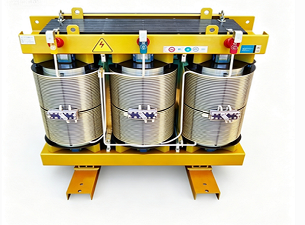
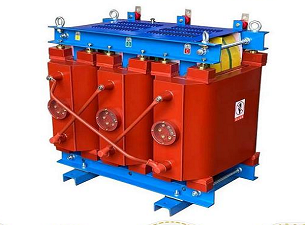
Scenario-based selection is the key: oil-immersed transformers have good heat dissipation performance, high capacity limit, low life cycle cost, suitable for outdoor large-scale public substations, heavy industrial plants; dry-type transformers without fuel, no fire and explosion risk, simple operation and maintenance, suitable for indoor substations, urban core areas, data centers, hospitals, superstores and other fire-sensitive, space-restricted scenarios, and the mainstream selection of urban projects in Singapore.
High and low voltage switchgear and protection equipment selection
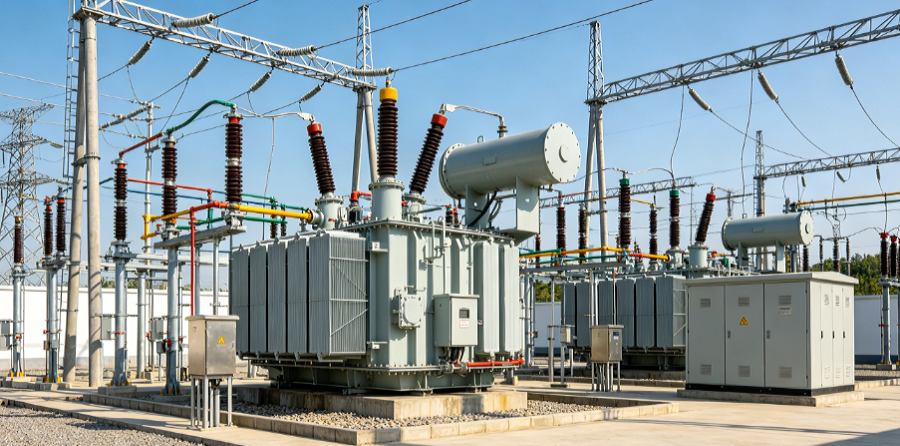
Switchgear is divided into two categories: AIS air-insulated and GIS gas-insulated: AIS equipment, low cost, convenient operation and maintenance, but covers a large area, suitable for suburban open space; GIS equipment, compact, protective, high reliability, can save more than 70% of the area, suitable for Singapore and other land scarcity, complex environment of the urban areas, 66kV, 230kV high-voltage urban substation of choice.
The selection of core components needs to be strictly matched to the parameters: medium-voltage systems prioritize the use of vacuum circuit breakers, high-voltage systems mainstream SF6 circuit breakers and environmentally friendly SF6-free equipment, the rated current is reserved for 20%-30% redundancy, the short-circuit breaking current covers the system’s maximum fault level. Current and voltage transformers need to distinguish between metering and protection accuracy level, to meet the needs of accurate measurement and rapid fault response.
Busbar, cable and connection system selection
Busbar as a station power collection and distribution core, can choose copper or aluminum material, according to the system’s maximum load current and short-circuit thermal stability, mechanical stress standard selection, according to the project’s reliability needs to choose a single busbar, double busbar, 1.5 circuit breakers, and other topologies, adapted to the different voltage levels and power supply reliability requirements.
Power cable mainstream XLPE insulation material, with low loss, good heat resistance, long life advantages, according to the laying method, ambient temperature, the number of laying capacity reduction calibration, strict control of line voltage deviation, medium-voltage line voltage drop control within 5%, sensitive loads need to further tighten the standards. High-voltage cables are prioritized to use single-core shielded structure, which is suitable for underground tunnel laying scenarios and meets the needs of urban substation construction.
Cable terminals, intermediate joints, connecting fittings need to be fully matched with the cable voltage level and insulation type, and high-quality fittings of anti-aging, anti-local discharge and corrosion-resistant are selected to eliminate hidden faults such as overheating and partial discharge of joints and to ensure the long-term and stable operation of connecting systems.
Total Life Cycle Cost Optimization and Long-Term Operation and Maintenance Planning
Total Life Cycle Cost (TCO) control
Substation equipment selection should not only focus on the initial procurement, construction of fixed assets investment, but also need to account for the operation and maintenance costs, power loss, failure and downtime loss, equipment replacement costs during the 30-40 years of operation cycle. Part of the initial cost of equipment is low, but the long-term loss of large, frequent failures, full-cycle cost is much higher than high-quality equipment. Through scientific TCO accounting, balancing the initial investment and long-term operation and maintenance costs is the core economic criterion for equipment selection.
Select Substation Equipment for Power Projects
Scientific operation and maintenance system construction
Combine the characteristics of the equipment to build a preventive and predictive operation and maintenance system: carry out regular inspection, infrared temperature measurement, relay calibration and insulation testing; rely on digital technology to carry out oil chromatography, partial discharge monitoring, vibration monitoring and other state operation and maintenance, so as to pre-empt the aging of the equipment and the potential danger of failure. It formulates standardized operation and maintenance cycles, reasonably reserves spare parts, and adopts vendor hosting and condition maintenance modes to reduce operation and maintenance costs and prolong the service life of equipment.
Selection of best practices
The project must complete a full set of simulation calculations such as trend calculation, short-circuit analysis, and protection value calibration in advance; collaborate with engineering, operation and maintenance, and costing teams to select models; prioritize the reliability of the core equipment, and reasonably optimize the cost of non-core equipment; comprehensively meet the needs of digitalization and intelligent transformation, and reserve interfaces for intelligent monitoring and remote control; and actively select SF6-free environmental protection equipment and low-loss energy-saving equipment, taking into account the requirements of engineering efficiency and green and low-carbon development.
The project will take into account the benefits and requirements of green and low-carbon development.
Summary
Substation equipment selection is a systematic project that takes into account safety, reliability, economy and foresight, and runs through the whole life cycle of project survey, design, procurement, operation and maintenance. The core selection logic is always: load calculation and voltage level planning as the basis, scene adaptation as the premise, accurate matching of parameters as the core, and optimal cost throughout the life cycle and long-term stable operation as the goal.
Whether it is a public power transmission and distribution project, a new energy grid connection project, or the construction of an industrial substation, only by abandoning sloppy selection thinking, following the standardization, refinement and digital selection guidelines, and strictly adhering to the industry norms and site conditions, can we avoid the root causes of equipment failures, unstable power supply, and safety hazards, and build a modern substation that is highly reliable, cost-effective, expandable, and easy to maintain and provide a solid guarantee of the safe and stable operation of the electric power system. The system provides a solid guarantee for the safe and stable operation of the electric power system.