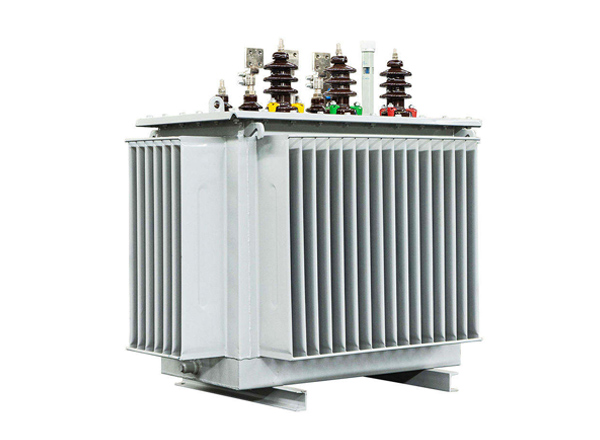


Transformer is the core power equipment of power engineering, industrial production, commercial buildings and new energy projects, mainly responsible for power transmission and voltage conversion.Most projects have problems such as equipment overheating, line failure, fire hazard, high energy consumption, unqualified acceptance, etc. The core reason is unreasonable transformer selection.
Scientific selection can effectively ensure power safety, improve equipment energy efficiency, meet industry standards, and reduce equipment life cycle costs.This article will explain the 8-step standardized transformer selection process in detail, with common error analysis, to help engineers accurately select, avoid risks and control project costs.
What Is a Transformer and Why Is Selection Important?
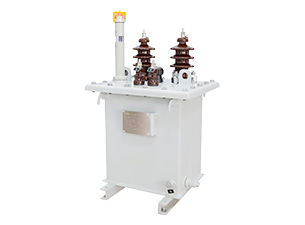
Transformer is a static power equipment based on the principle of electromagnetic induction, without mechanical moving parts. Its core function is to boost or buck AC power. On the basis of keeping the frequency constant, it realizes safe and efficient transmission and distribution of electric energy. It is only applicable to AC circuits and cannot be used in DC power supply scenarios.
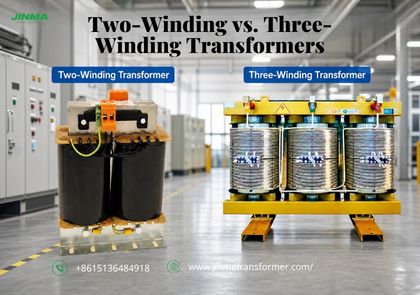
A standard transformer consists of four core components, each of which performs its own duties and works together:
- Primary winding: input unit of transformer, connected to front-end power supply and generating alternating magnetic field, starting electromagnetic energy conversion.Its wire diameter, turns and insulation grade determine the input carrying capacity and operation stability of the equipment.
- Secondary winding: relying on electromagnetic induction and turns ratio, to achieve boost or buck, output adaptive voltage, stable power supply for all types of electrical equipment at the back end, to ensure reliable operation of terminal loads.
- Magnetic core: laminated with high magnetic permeability materials, regular magnetic field circuit, reduce magnetic leakage, inhibit eddy current and hysteresis loss, reduce heat generation and no-load energy consumption, improve transformer transmission efficiency.
- Insulation system: composed of special insulation materials, to achieve internal electrical isolation of equipment, to eliminate short circuit, leakage, high voltage breakdown and other faults, to withstand temperature rise and voltage shock, to ensure safe and long-term operation of equipment.
Industry Core Application Value of Pressure Regulator
Transformers are indispensable core equipment in the power system. They run through the entire process of power generation, transmission, distribution, and electricity consumption. Their core functions are mainly divided into three categories:
- Long-distance power transmission: boost transmission voltage with step-up transformer, reduce transmission current, greatly reduce line resistance energy consumption, and realize long-distance, low-loss and efficient transmission of electric energy.
- Terminal power distribution: convert high-voltage power grid into standard low-voltage power suitable for civil and industrial equipment through step-down transformer, meet the safety requirements of building power distribution, industrial production and civil electrical appliances, and ensure the stability of terminal power consumption.
- Special scene adaptation: It can realize electrical isolation, voltage stabilization and harmonic suppression, effectively purify power quality, adapt to precision instruments, medical equipment, photovoltaic wind power new energy, industrial automation and other high standard power consumption scenarios.
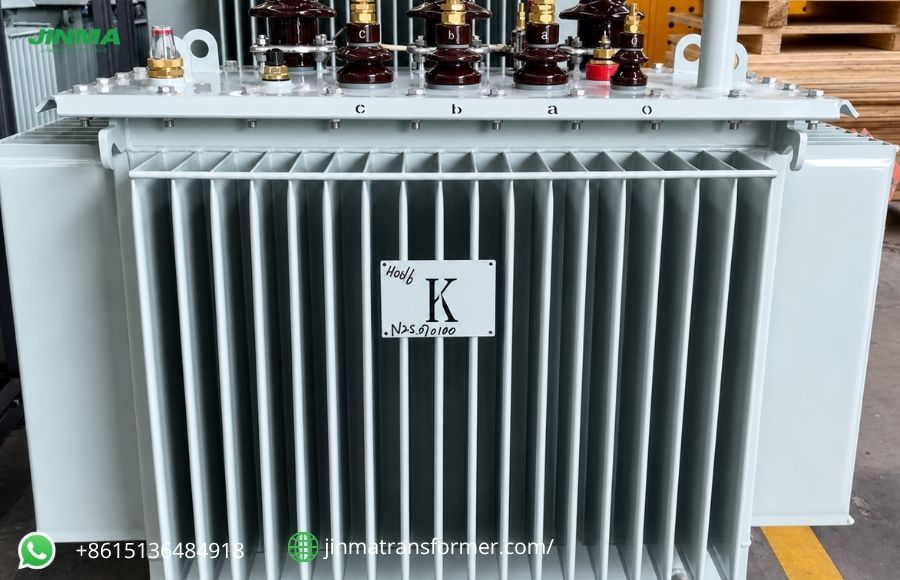
Step 1: Define Your Application Requirements
The core premise of type selection is to accurately sort out all the power consumption and installation requirements of the project, so as to avoid the error of type selection caused by parameter omission, which needs to be comprehensively sorted out from six dimensions.
Confirm Application Scenario and Installation Site
First of all, the purpose and installation environment of the transformer are clear. The equipment types suitable for different scenarios are completely different:
- Application scenario classification: applicable to municipal power distribution, industrial machine tools, UPS uninterrupted power supply, medical precision equipment, photovoltaic wind power new energy generation, electrical signal isolation voltage stabilization and other mainstream power scenarios;
- Site environment classification: Excellent equipment environment adaptability, can meet the needs of indoor and outdoor routine operations, while withstanding high dust, high humidity, temperature fluctuation and other harsh conditions, stable operation in coastal salt fog, chemical high risk and other complex and harsh sites.
Combing Voltage and Phase Sequence Parameters
Voltage parameters are the core basis of transformer adaptation, and three key information needs to be accurately confirmed:
- Input primary voltage: actual power supply voltage level of front-end power grid and distribution room of the project, which is the core basic parameter of selection.Actual data such as field measurement and equipment nameplate shall prevail, and empirical estimation is prohibited to avoid equipment failure and burn risk caused by voltage mismatch.
- Output secondary voltage: refers to the rated working voltage of all loads such as back-end power distribution equipment, production machinery, precision instruments, etc.The type selection shall strictly match the rated voltage of the equipment, control the voltage error accuracy, avoid the breakdown of the equipment caused by abnormal voltage, inefficient operation, start-stop failure and other problems, and ensure the stability of terminal power consumption.
- Phase sequence requirements: matching power supply mode according to power consumption scenarios, single-phase power supply for civil low power loads, and three-phase power supply for industrial and commercial high power loads.At the same time, combined with the power grid operating conditions and equipment requirements, multi-gear voltage regulation and multi-channel output functions are selected as required to improve the adaptability and flexibility of power supply.
Analysis of Load Power and Operating Conditions
Load characteristics directly determine the transformer capacity selection and adaptation type, detailed statistics are required:
- Load power parameters: statistics of total power consumption at the rear end, distinguish between continuous load and peak impact load.The former determines the basic rated capacity of transformer, while the latter affects the short-term overload performance of equipment, which is the key to accurate selection and prevention of overload failure.
- Load type: project load is divided into resistive, motor inductive, electronic nonlinear three categories.Resistive load operates stably; inductive load has large starting current and high reactive power loss; nonlinear load is easy to breed harmonics, resulting in equipment heating and efficiency degradation, so it is necessary to match the model as required.
- Operation mode: divided into 24 hours continuous, intermittent short-term, seasonal start-stop three operating modes.Continuous operation focuses on energy efficiency and durability of equipment, intermittent and seasonal operation can appropriately reduce power margin, giving consideration to safety and economic cost.
Installation and Performance Limitations of Statistical Equipment
- Physical limitation: on-site survey is required for type selection, installation space size and upper limit of site load shall be checked, and suitable installation methods such as landing, wall hanging and pole installation shall be matched in combination with construction scheme to ensure normal mobilization and stable installation of equipment.
- Environmental restrictions: For residential areas, commercial areas, campuses and other noise sensitive areas, low-noise transformers should be selected to reduce operating noise through silent structure design, meet site noise reduction specifications, and avoid noise exceeding standards and unqualified acceptance.
- Performance limitation: It is necessary to clarify the allowable voltage drop range and power supply voltage stabilization accuracy of the load. For high-end power consumption scenarios such as precision equipment and automated production lines, match high-precision voltage stabilization models to eliminate abnormal voltage problems under load conditions and ensure stable operation of the equipment.
Step 2: Determine the Required Voltage Ratings
Input voltage shall be subject to actual power supply parameters on site. It is strictly prohibited to estimate based on experience. Accurate acquisition channels include: parameters of mains power distribution room, equipment nameplate marks, parameters of superior power supply equipment.Common voltage levels are divided into three categories:
- Civil/light commercial scenarios: suitable for 120V, 240V, 208V and other common low voltage levels;
- General industrial scenarios: adapt to 480V, 600V and other industrial general voltage levels;
- Municipal power transmission and distribution scenarios: adapt to 2.4kV, 4.16kV, 11kV, 13.8kV, 33kV and other high voltage classes.
Matching Secondary Output Voltage
The secondary output voltage of transformer shall be strictly aligned with the nameplate rated voltage of various electrical equipment at the rear end, and the voltage error shall be accurately controlled within the allowable range of industry specifications.Common output voltages in the industry include standard levels such as 208V, 120V and 24 V control voltages. Accurate matching of rated voltage parameters of equipment is the key to ensure long-term stable and reliable operation of terminal loads.
Step 3: Calculate the Required Transformer Capacity (kVA)
The transformer capacity is in kVA (kilovolt-ampere), which represents the apparent power continuously carried by the equipment and is the core parameter of the selection.Capacity is too small overload burn, capacity is too big cause energy consumption waste, cost is too high, need accurate calculation.
Standard Capacity Calculation Formula
- Single-phase transformer calculation formula: rated capacity kVA =(output voltage V × load current A) ÷ 1000
- Calculation formula of three-phase transformer: rated capacity kVA =(line voltage V × line current A × 1.732) ÷ 1000, where 1.732 is the approximate value of root 3 (√3).
Standardized Capacity Calculation Process
- Make comprehensive statistics on rated operating condition parameters of all electrical equipment at the back end, accurately calculate and summarize the total load power of the project, and eliminate parameter omission and miscalculation;
- According to the actual power factor corresponding to various loads, the active power (kW) of the equipment is accurately converted into the apparent power (kVA) dedicated to transformer selection, providing accurate basis for capacity calculation;
- Superimposed safe operation margin: multiply the normal continuous operation load by 1.25 times the safety factor, and reserve 5~7 times the starting current margin separately for motor impact loads to avoid the risk of instantaneous overload;
- Reserve capacity expansion redundancy: combined with the long-term expansion and working condition upgrading planning of the project, reserve 20%~50% load redundancy space to fully meet the use requirements of equipment capacity expansion, load expansion and working condition iterative upgrading in the later period;
- Operating mode cost optimization: For load equipment with short-term start-up and intermittent operation, redundant power margin can be reasonably reduced, and equipment procurement investment can be effectively reduced on the premise of completely ensuring the safety and stability of equipment operation, and the overall cost of the project can be optimized.
Step 4: Choose the Right Transformer Type
Transformer adaptation scenarios with different structures, heat dissipation methods and functions vary greatly, and accurate selection is required according to load characteristics and installation environment.
Selecting Models Based on Heat Dissipation and Insulation Design
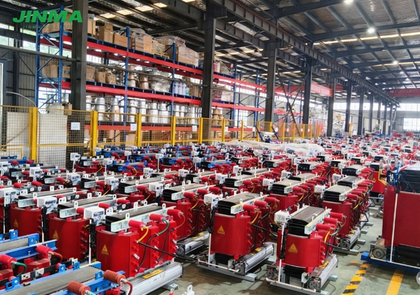
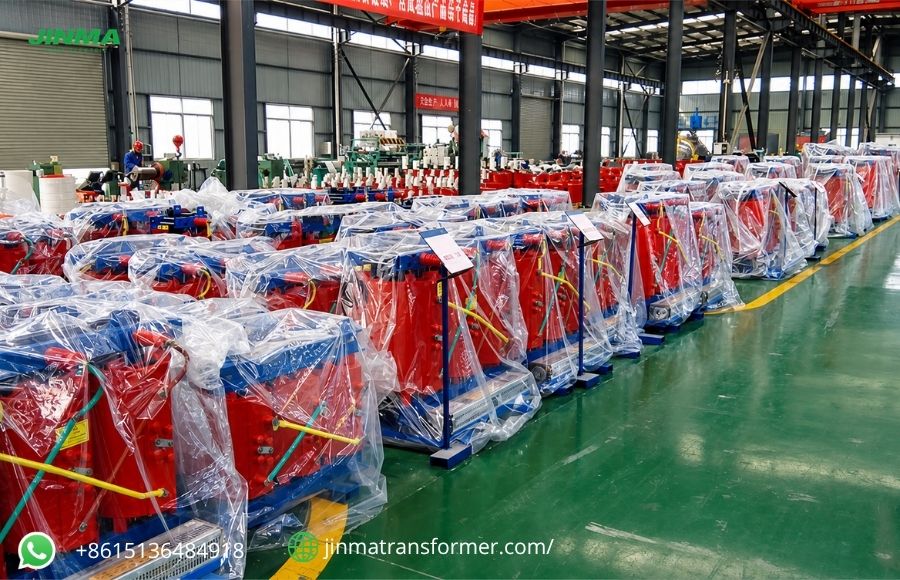
- Adaptation scenarios: Widely applicable to indoor buildings, commercial office buildings, hospitals, data centers, commercial complexes and other densely populated, closed operation and maintenance scenarios, adapting to fire prevention, environmental protection, strict safety level of electricity environment.
- Core advantages: the equipment has no combustible insulating medium, has the characteristics of fire and explosion prevention, safety and pollution-free, green and environmental protection, and does not need daily operation and maintenance. The installation is flexible and convenient, and it is suitable for indoor long-term stable operation conditions.
- Limitations: The overall volume and floor space of large-capacity models are relatively large, and the noise of equipment operation is relatively high compared with oil-immersed transformers.
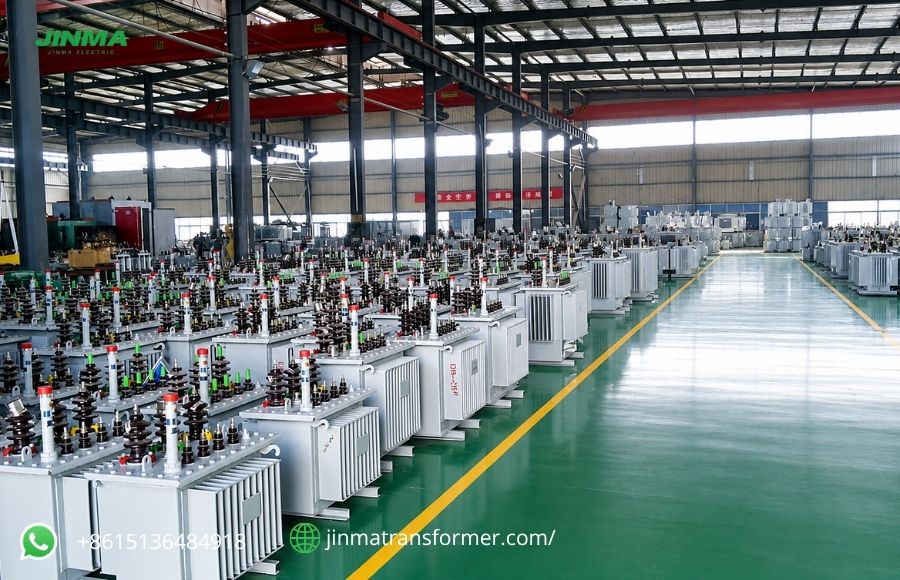
- Adaptation scenarios: suitable for outdoor substations, large industrial plants, large-capacity centralized distribution and other scenarios, suitable for outdoor open-air, high-load continuous operation conditions.
- Core advantages: excellent heat dissipation performance, strong short-term overload tolerance, outstanding cost performance of large-capacity models, low operating loss, high operating stability, and adaptation to long-term high-load continuous operation.
- Limitations:It is necessary to regularly carry out oil inspection, leakage prevention and other operation and maintenance work, and there are certain fire safety hazards. It is not recommended to use it in indoor closed and densely populated scenes.
Special Transformer Selection and Adaptation
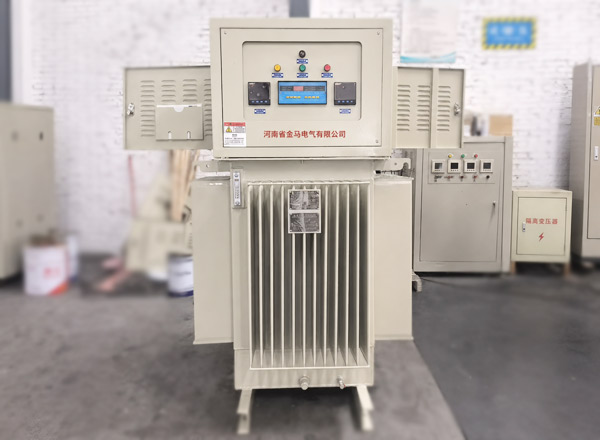
- Autotransformer: suitable for small voltage fine adjustment conditions, mainly suitable for voltage stabilization scenarios with small grid voltage deviation, simple structure, high transmission efficiency, mostly used for conventional voltage compensation.
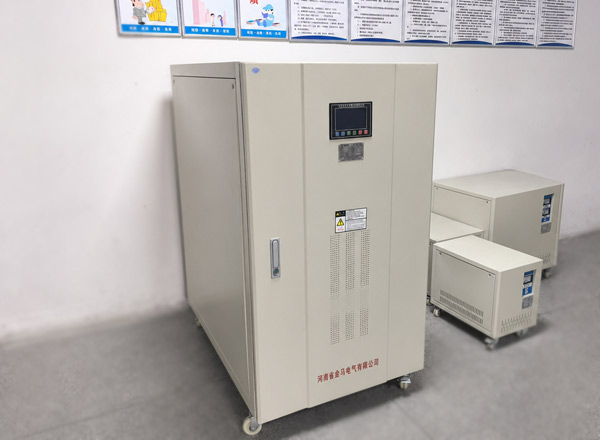
- Isolation transformer: Designed for medical equipment, precision electronics, weak current control systems and noise sensitive scenarios, it can achieve complete electrical isolation, effectively suppress grid clutter and leakage interference, and ensure power safety and stable operation of equipment.
- K coefficient transformer: suitable for inverter, UPS power supply, LED lighting, server room and other nonlinear harmonic load scenarios, can effectively resist harmonic impact, avoid equipment core overheating, insulation aging, performance loss and other problems.
- Special transformer for step-up and step-down: adapt to the working conditions of transmission and distribution system, accurately complete the voltage conversion work of high-voltage transmission step-up and terminal distribution step-down, and adapt to various high-voltage and low-voltage power transmission scenarios.
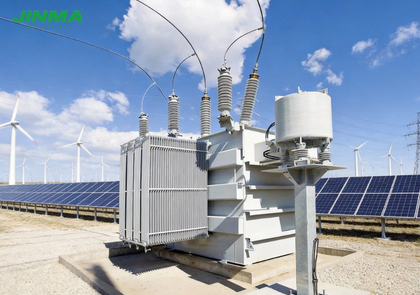
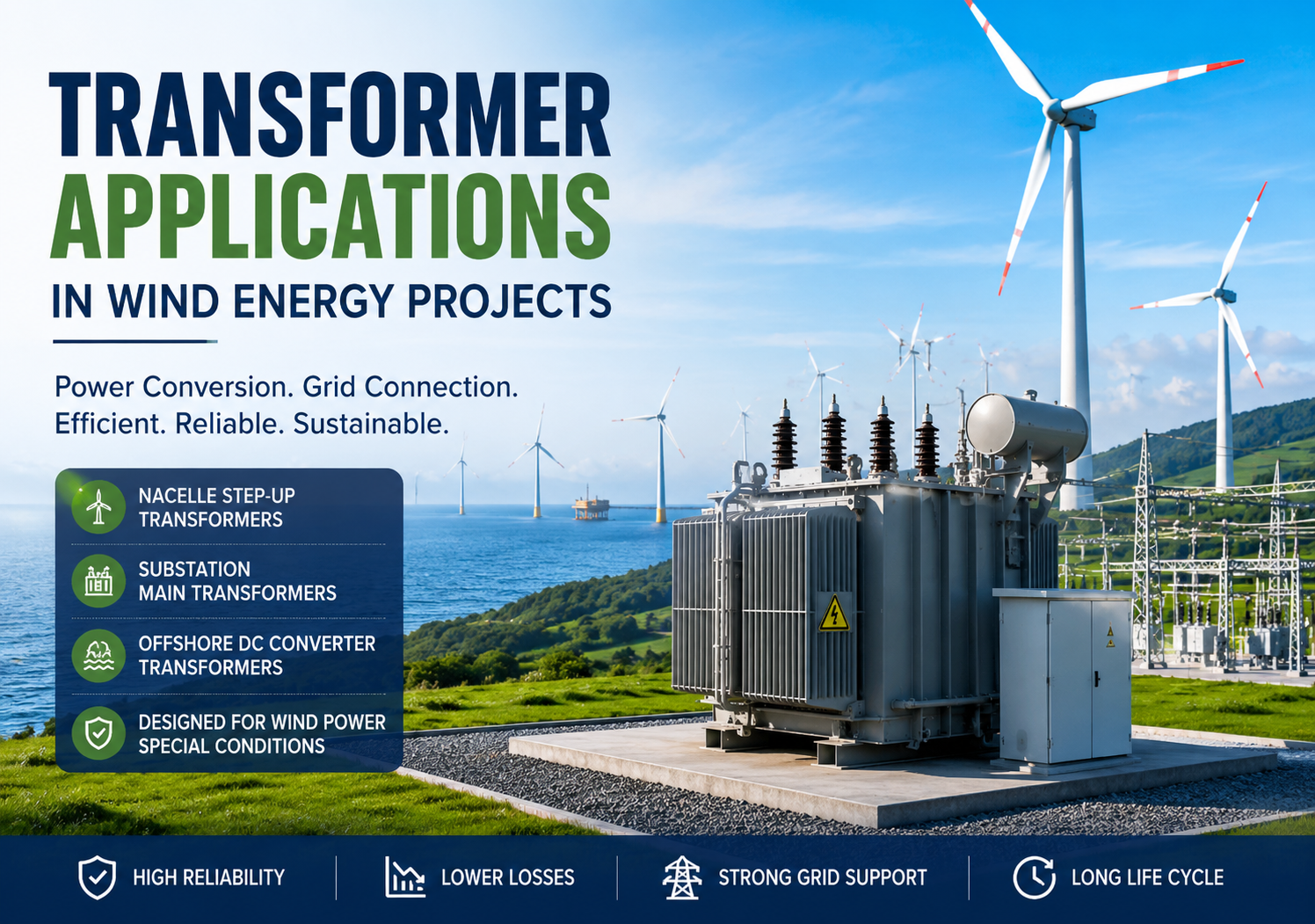
- Inverter special transformer: adapt to photovoltaic, wind power and other new energy generation systems, perfectly match the special output characteristics of inverter equipment, adapt to the special conditions of new energy power conversion and grid-connected transmission.
Classification and Selection by Phase Sequence
- Single-phase transformer: designed for civil low-voltage power distribution system, suitable for household lighting, small household appliances and light-load electrical equipment, stable operation, controllable energy consumption, fully meet the daily civil power supply needs.
- Three-phase transformer: suitable for industrial production, commercial complex, municipal power supply, new energy engineering and other high-power heavy-duty scenarios, long-term continuous stable operation, strong bearing capacity, high power supply reliability, meet all kinds of high-intensity industrial power standards.
Step 5: Consider Installation Environment
The installation environment directly determines the protection level, heat dissipation mode and structural material of the transformer. Ignoring environmental factors will greatly shorten the service life of the equipment and cause hidden troubles.
Indoor and outdoor installation selection differences
- Indoor installation: priority is given to the use of dry-type transformers, adequate ventilation and heat dissipation space is reserved during installation, and the operating noise is effectively controlled. It can be well adapted to the harsh use environment of indoor constant temperature, dust prevention and low noise.
- Outdoor installation: select outdoor special transformers with waterproof, ultraviolet resistance, high and low temperature resistance, preferably equipped with oil-immersed or outdoor dry models, which can effectively resist the impact of outdoor complex weather such as rain, snow, sand, day and night temperature difference, and ensure long-term stable operation.
Protection class (NEMA/IP) Selection standard
The protection level determines the dustproof, waterproof and anti-corrosion capabilities of the equipment. The mainstream level adaptation scenarios are as follows:
- NEMA 1/IP20: Suitable for indoor general environment, with basic dust protection capability, meeting the requirements of standard indoor working conditions.
- NEMA 3R/IP54: Rain and snow resistant, suitable for outdoor general outdoor scenes, resistant to natural weather.
- NEMA 4/4X/IP65: It has strong waterproof, corrosion resistance and salt spray resistance. It is specially designed for high corrosion and severe working conditions such as coastal port and chemical industry.
- NEMA 12: mainly indoor dust, anti-oil protection, suitable for all kinds of industrial production workshops, effectively avoid dust, oil damage to equipment.
Step 6: Evaluate Energy Efficiency
Transformers are mostly operated 24 hours a day, no-load loss and load loss are the core sources of long-term energy consumption costs, and the pursuit of low prices alone will lead to long-term electricity charges far exceeding equipment price differences. Energy efficiency and full life cycle cost (TCO) must be comprehensively evaluated.
Core energy Loss
- Iron core no-load loss: fixed energy consumption generated when the transformer is energized and no-load operation. It exists all day long. The loss value is not affected by the load size and belongs to the inherent basic loss of the equipment.
- Winding load loss: It is the variable energy consumption generated when the transformer is running with load. The loss changes synchronously with the load power. The higher the load, the more significant the winding heating loss. It is the main source of dynamic energy consumption during equipment operation.
Major Energy Efficiency Standards in China and Abroad
- S. standards: comply with DOE 2016 minimum energy efficiency mandatory specifications, NEMA Premium high-end energy efficiency rating standards, adapt to North American stringent energy efficiency access requirements.
- International standards: comply with IEC 60076 power transformer energy efficiency specifications and EU ecological design standards, to meet international project compliance requirements.
- Energy efficiency test benchmark: The industry unified energy efficiency parameters under 35% and 50% typical load rates as the core evaluation basis, accurately fitting the actual operating conditions of the transformer, and the test data is true and reliable.
Under the same capacity, the energy efficiency of large-capacity oil-immersed transformer is slightly better than that of dry-type transformer; the transformer with amorphous alloy core has much lower no-load loss than the traditional silicon steel core model, and the energy-saving effect is remarkable, which is suitable for 24-hour continuous operation.
Step 7: Check Safety Standards and Certifications
Compliance certification is the key to safe operation of equipment, project acceptance and avoidance of safety responsibilities. The corresponding qualifications and technical parameters must be strictly checked for type selection.
General Electrical Performance Standards
- North American standard: strictly comply with UL 1561/UL 1562 dry-type transformer standard, Canadian CSA C22.2 standard and IEEE C57 series power transformer specification to meet the industry access requirements in North America;
- International common standards: designed and manufactured strictly according to IEC 60076 series international standards for power transformers, adapting to the engineering design, equipment acceptance and grid-connected use requirements of most countries and regions in the world.
Energy Efficiency Compliance Certification
The equipment has a number of authoritative energy efficiency qualifications such as DOE 2016, NEMA Premium, EU ecological design, etc., strictly in line with the mandatory energy efficiency access standards of various countries, which can effectively reduce operating energy consumption and improve energy saving benefits, and fully comply with international green and low carbon electricity regulations and overseas project construction requirements.
Special certification
- General safety certification: holds UL, cUL third-party authoritative safety certification, fully guarantees the safety and compliance of equipment operation;
- Fire safety certification: FM fire safety certification, meet high standards of fire retardant and safety protection requirements;
- Explosion-proof compliance certification: equipped with ATEX, IECEx double explosion-proof certification, suitable for all kinds of flammable and explosive high-risk operation scenarios;
- Seismic performance certification: through IBC seismic certification, can adapt to earthquake-prone areas, ensure stable operation of equipment;
- Medical special certification: with low leakage current isolation special certification, adapt to medical precision equipment power supply scenarios, higher safety and stability;
- EU compliance certification: equipped with CE compliance mark, fully compliant with European market access and use standards.
Selection needs to focus on verification: insulation temperature rise level, short-term short-circuit tolerance, lightning impulse protection level (BIL), leakage protection parameters, all-round guarantee of equipment operation safety.
Step 8: Consider Special Features
According to the load characteristics, operation and maintenance requirements and site conditions of the project, customized functions and accessories are selected to improve the stability, safety and intelligent level of the transformer.
- Cooling upgrade configuration: optional automatic temperature control forced air cooling fan, forced oil circulation cooling system, effectively strengthen the equipment overload tolerance, easily adapt to high temperature environment, high load continuous operation conditions.
- Fault protection and intelligent monitoring: standard winding and oil temperature sensor, oil-immersed special gas relay, pressure release device and gas detection interface, support IoT, SCADA remote intelligent monitoring, can realize real-time fault protection, early warning, greatly reduce the risk of equipment failure.
- Power quality optimization: equipped with K-factor anti-harmonic winding, meander phase shift winding structure, can effectively suppress harmonic interference of power grid, adapt to nonlinear load scenarios such as frequency conversion equipment and data center, and continuously stabilize power supply quality.
- Voltage regulation: manual tap changer and on-load automatic voltage regulator are supported, which can effectively deal with frequent fluctuation of grid voltage and ensure stable and reliable output voltage.
- Surge protection: upgrade the basic lightning impulse tolerance level (BIL), built-in special surge protection devices, can effectively resist lightning strikes, power grid transient high voltage impact, all-round protection of the back-end electrical equipment safety.
- A full set of installation accessories: Optional grounding terminals, lifting bases, maintenance jacks, waterproof and dustproof shields, bird prevention devices and low-noise structural accessories are available to fully adapt to on-site installation conditions and meet the long-term stable operation and maintenance needs of the equipment.
Conclusion
Transformer selection is a systematic work that takes into account power demand, load characteristics, installation environment, energy efficiency cost and safety compliance.The eight-step standardized selection process in this paper can completely cover the core links of selection, effectively avoid selection errors, ensure stable operation of equipment, and reduce the cost of the whole life cycle of the project.
For high-standard and high-requirement project scenarios such as large-scale industrial engineering, high-risk operation environment and new energy power station, it is suggested that professional electrical engineers should review the parameters and verify the scheme after completing the selection scheme, so as to ensure the accuracy, reliability and compliance of the selection scheme in an all-round way.