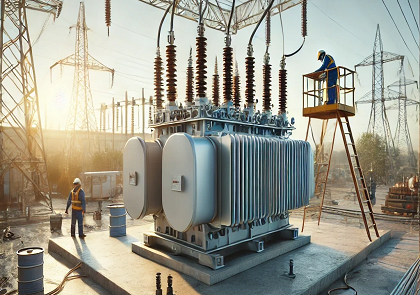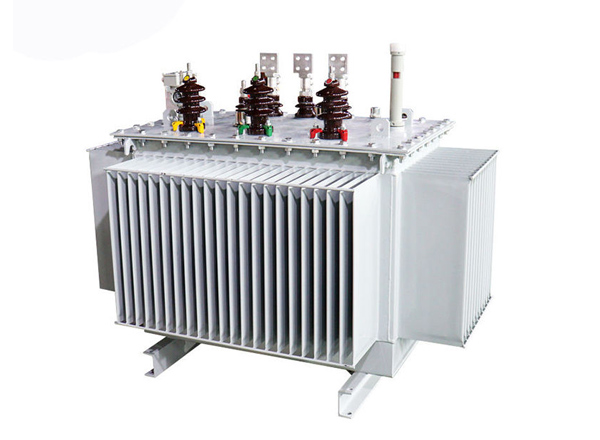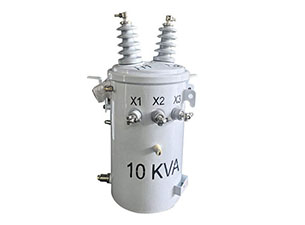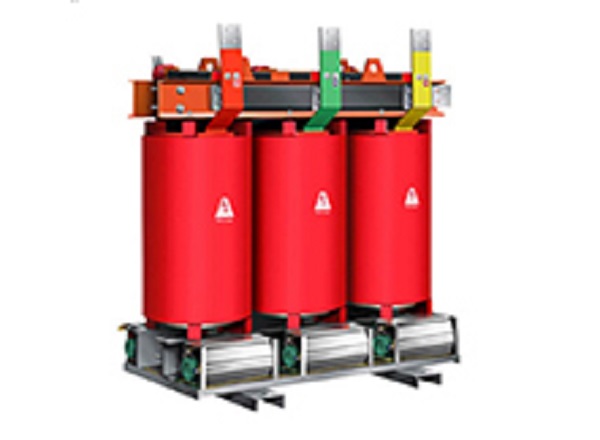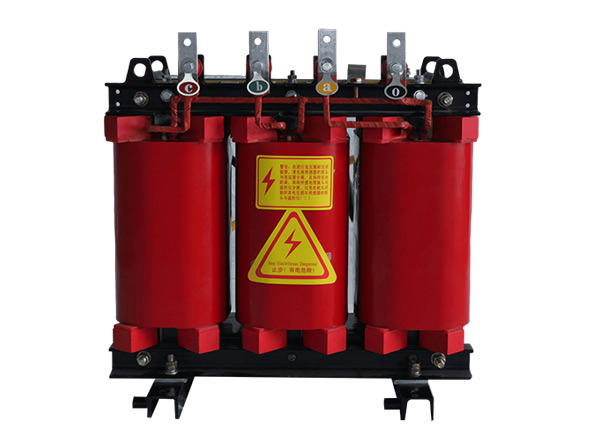


In traditional power construction, double-winding transformers are the most commonly used transformer equipment, capable of converting only two voltage levels. This basic equipment is simple in structure and low cost, adapting to the early single, stable grid power supply scenario. With the core advantage of multi-purpose, three-winding transformers have become the core solution for complex power systems.
Want to fully understand the three winding transformer? This article explains the working principle of three winding transformer, core structure, subdivided type, industry application scenarios.
What is a three winding transformer?
Three winding transformer, also often called three winding transformer, is in the same core winding three independent windings of the power transformer. Different from the conventional double-winding transformer with one inlet and one outlet structure, it contains primary winding, secondary winding and tertiary winding (tertiary winding) three core structures.
Among them, the primary and secondary windings continue the traditional transformer’s basic transformer function, while the exclusive tertiary winding is the core key to realize the multi-functional expansion of the three-winding transformer, but also the core reason for its adaptability to complex power scenarios.
Each group of windings has a clear functional positioning, each in its own way to ensure the stable operation of the power system, there is no overlap of functions, maximizing the efficiency of equipment operation.
Primary winding (high-voltage input): as the power input port, directly connected to the superior high-voltage power grid, is the power input of the transformer, and assumes the core role of the main power supply of the system access.
Secondary winding (main output): the core power supply port of the equipment, mainly delivering power to the downstream main load equipment and distribution network, undertaking the task of system main power supply.
Third winding (auxiliary function end): this is the characteristic structure of three-winding transformer, not undertaking the main power supply task, mainly used for load balancing, voltage stabilization, third harmonic suppression, reactive power compensation, and at the same time, it can independently supply power to auxiliary equipments in the station.
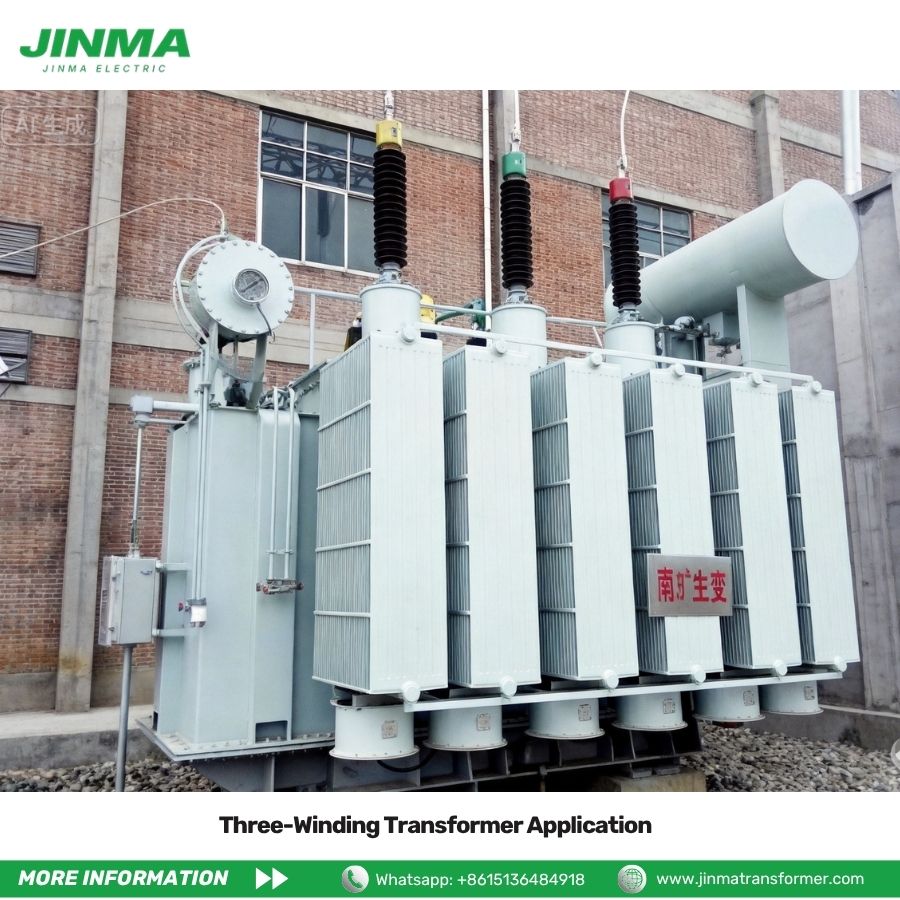
Core working principle
The core working principle of the three-winding transformer is the same as that of the conventional double-winding transformer, relying on the operation of the law of electromagnetic induction, the core difference is that it integrates three independent windings on the same magnetically conductive core, which can simultaneously complete three-way voltage energy conversion and multifunctional regulation, and is suitable to meet the operational requirements of complex power systems.
When the equipment is in operation, the primary winding on the high voltage side is connected to the AC voltage, and the alternating current generates continuously changing alternating magnetic flux inside the silicon steel sheet iron core. The iron core has low reluctance characteristics, which can provide a stable conduction path for the magnetic field, so that the alternating magnetic flux is coupled to the primary, secondary and tertiary windings at the same time, realizing the mutual conversion of electric energy and magnetic energy.
According to Faraday’s law of electromagnetic induction, the changing magnetic flux will induce a corresponding voltage in the two sets of secondary windings, and the size of the voltage strictly follows the law of turns ratio of the windings. The output voltages of the secondary and tertiary windings are proportional to their own turns ratio and that of the primary winding, thus realizing precise boost or buck regulation, with only minor voltage losses due to winding resistance and leakage flux during operation.
In the power transmission process, the device follows the principle of magnetic potential balance, ignoring the small excitation current, the total number of turns of the primary winding can accurately balance the sum of the turns of the secondary and tertiary windings. This allows the power to be transmitted from the primary side to the two secondary windings synchronously through the shared magnetic field. Unlike ordinary transformers with only a single power supply circuit, the three windings of a three-winding transformer can be independently loaded for power supply, and can also be used to suppress harmonics and complete reactive power compensation by means of a circulating current, which is also the core technical principle of its multifunctionality and high adaptability.
Component of three-winding transformer
Three windings transformer belongs to precision heavy-duty power equipment, the overall structure is complex, the core by the iron core, winding, insulation system, cooling system, protection device is composed of five major components, the components work together to protect the equipment for long-term stable operation.
Transformer core
Iron core is the core carrier of the magnetic energy conversion of electrical energy, the industry unified use of stacked silicon steel sheet material. This material has high permeability and low magnetic loss, which can effectively reduce eddy current loss and hysteresis loss.
Stacked structure can avoid the whole core operation of the heat problem, greatly improve the operating efficiency of the equipment, is to ensure that the transformer low loss, high stability operation of the basis.
Winding conductor
Winding is the core component of power transmission, voltage conversion, the mainstream material is divided into copper, aluminum two kinds. Copper winding conductivity, low loss, high temperature resistance, long service life, suitable for high-power, long-term operation of the core project.
Aluminum winding cost is lower, lighter weight, cost-effective advantage is obvious, suitable for limited budget, load is relatively stable common industrial scenarios. Enterprises can choose flexibly according to the project budget and operation requirements.
High-voltage insulation system
High-voltage electric field exists when the power transformer is running, and the insulation system is the key barrier for the safe operation of the equipment. The equipment adopts high-end composite insulation material, wrapping and isolating all windings.
Insulation system can effectively isolate high-voltage current, to avoid winding breakdown, short circuit, leakage and other faults, and at the same time withstand long-term high temperature, high pressure aging conditions, to protect the safety of equipment operation and service life.
Heat dissipation cooling system
Transformer with load operation will continue to generate heat, poor heat dissipation will lead to equipment overheating, insulation aging, efficiency decline. At present, the mainstream is divided into oil-immersed, dry type cooling type.
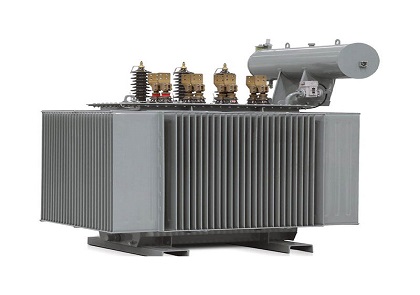
Oil-immersed contains ONAN natural oil-cooled, ONAF forced air-cooled and other modes, good heat dissipation, suitable for high-power equipment, mostly used in outdoor substations, large-scale industrial scenes. Dry-type transformer without oil, fire and explosion-proof, suitable for indoor, residential areas, precision factories and other security requirements of the scene.
Safety protection device
Equipment supporting circuit breakers, fuses, surge protectors and other multiple protection devices, real-time monitoring of equipment operating status. When encountering overload, short circuit, lightning surge, abnormal voltage and other faults, the circuit can be quickly cut off.
All-round avoidance of equipment burnout, grid fault proliferation and other risks, significantly improve the safety and stability of power system operation.
Why choose three winding transformer?
In the complex power engineering, three winding transformer gradually replace the traditional double winding combination equipment, the core from its function, cost, space, power quality and other multi-dimensional advantages, specifically can be divided into five core highlights.
Multi-level voltage flexible control
A single device can simultaneously output two different voltage levels of power, support for boost, buck two-way conversion. It can perfectly match the scenarios of industrial plants, new energy power stations, substations and other scenarios that require multi-level power distribution, without the need to match multiple transformers for combined use.
Stabilizes grid voltage
In large power systems, load imbalance is very likely to cause voltage shift, equipment overload and other problems. The three windings of the three-winding transformer can adjust the load distribution of the system in real time, and equalize the power supply pressure of each branch.
At the same time, it can effectively inhibit the fluctuation of grid voltage, ensure the stability of output voltage, and accurately adapt to precision equipment, automated production lines, data centers and other loads that require high voltage stability.
Optimize power quality
The third harmonic in the power grid is one of the main hidden dangers affecting power quality and damaging power equipment. The third winding of a three-winding transformer often adopts triangular wiring, which can form a harmonic circulating current loop.
This structure can effectively consume and isolate the third harmonic, avoid harmonic backflow to the main grid, greatly reduce the probability of equipment heating, insulation aging, equipment failure, and comprehensively purify the power supply environment.
Saving space and investment
Traditional multi-level power distribution requires multiple double winding transformers running in parallel, high equipment procurement costs, and need to reserve a large number of installation sites. Three-winding transformer can be used for multiple purposes, and can directly replace multiple conventional equipment.
Not only significantly reduce the substation, distribution room footprint, reduce equipment procurement, infrastructure investment, while simplifying the equipment structure, reduce the later inspection, maintenance, fault repair operation and maintenance pressure.
Stronger grid adaptability
Three-winding transformer can realize the interconnection of three different voltage level power grid, can complete the integration of high-voltage transmission, medium-voltage power distribution, low-voltage auxiliary supply.
Both for the traditional transmission and distribution network upgrading, but also perfectly adapted to wind power, photovoltaic and other new energy grid complex grid architecture, system expansion is very strong.
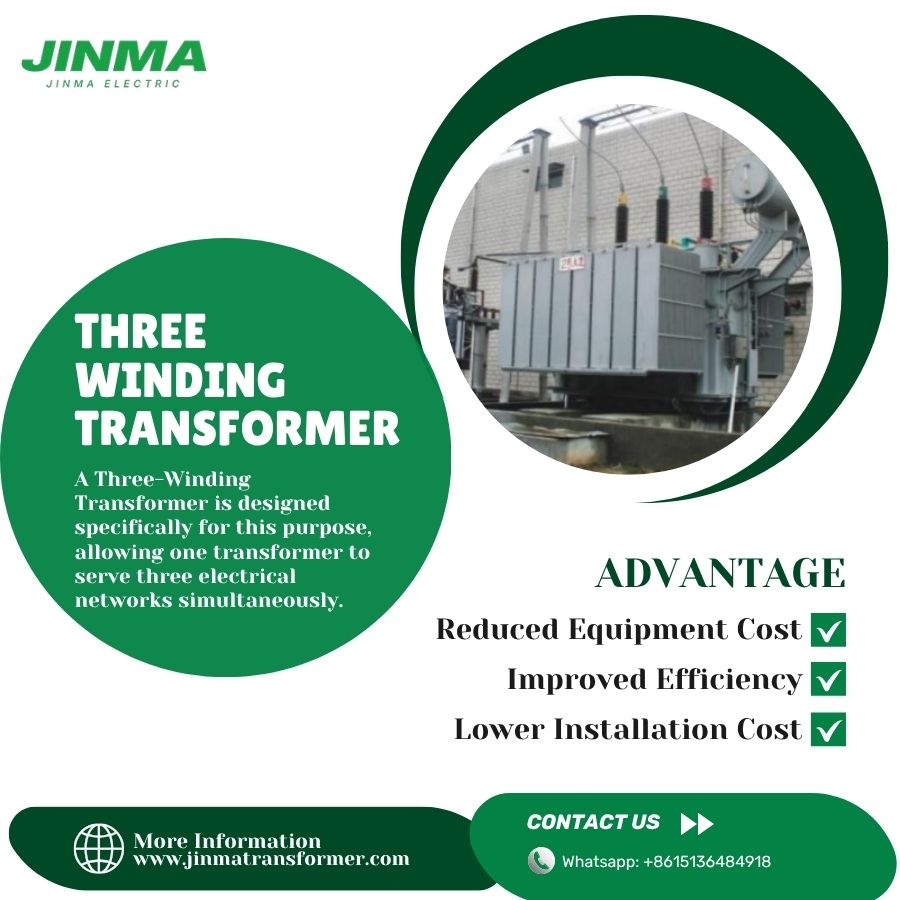
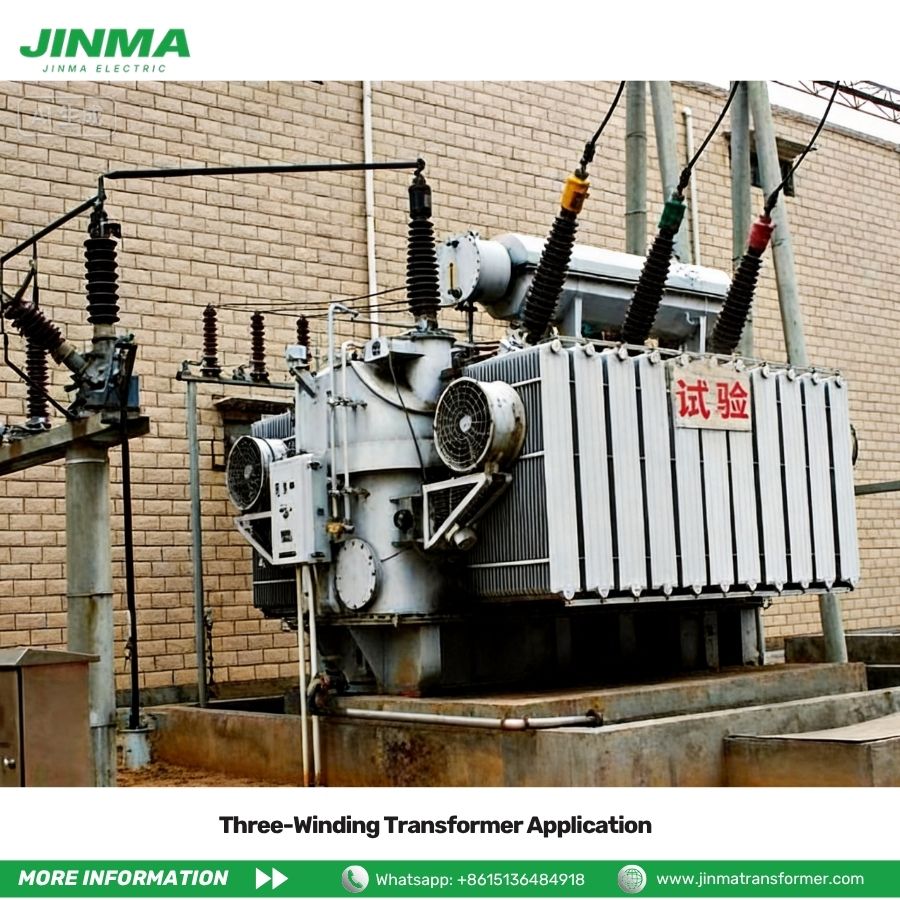
Application of three-winding transformer
With multi-functional, high adaptability, low cost advantages, three winding transformer has been comprehensively covered power grid, industry, new energy, rail transportation and other core areas, the following are the industry mainstream landing scene and engineering examples.
Grid substation scene
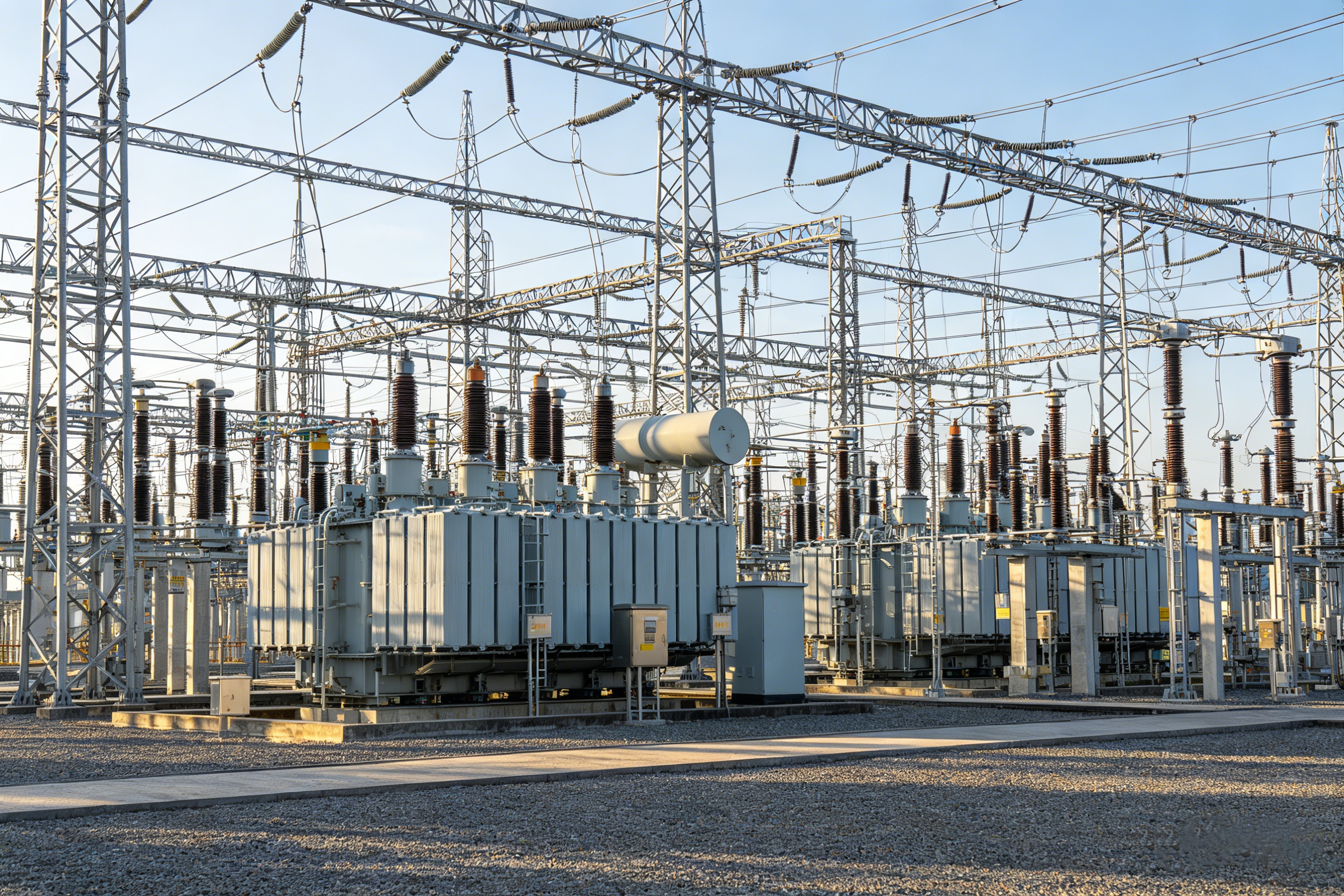
Substation is the most core application of three winding transformer, mainly to realize the high-voltage transmission network and low voltage distribution network connection, complete multi-level voltage distribution.
Common configurations include 400kV/110kV/33kV, 230kV/66kV/11kV and other specifications, which can simultaneously meet the needs of regional backbone power supply and branch line power distribution. At the same time, it can be integrated with 415V auxiliary power supply in the station, eliminating the need for additional auxiliary transformers and greatly simplifying the substation equipment layout.
Scene of large industrial plants
Iron and steel, chemical industry, manufacturing and other large industrial parks have multi-level loads such as high-voltage smelting equipment, medium-voltage production equipment, low-voltage auxiliary equipment, etc., and the power supply structure is complex.
Taking the iron and steel plant as an example, a 132kV/33kV/6.6kV three-winding transformer is adopted, which can simultaneously supply power to high-voltage electric arc furnaces, medium-voltage steel rolling equipment, and low-voltage auxiliary equipment, and a single machine can satisfy the demand for multi-level power consumption of the whole plant.
In chemical parks and other high-load, continuous production scenarios, the equipment can stably balance the load, avoiding local overload shutdowns, and ensuring the continuous and stable operation of industrial production.
Rail transportation power supply scene
The power supply system of high-speed rail and intercity rail transportation is divided into two modules: traction power supply and signal control power supply, which requires high stability and safety of power supply.
Industry commonly used 132kV/25kV/2kV specifications of three-winding transformer, 25kV winding for train traction system power supply, 2kV winding for rail signal, monitoring system power supply, mutual non-interference, to protect the safety of traffic.
New Energy Power Station Grid Connection Scenario
Wind power, photovoltaic power station exists in low voltage generation, high grid voltage, the need for supporting station auxiliary power characteristics, three-winding transformer is a new energy grid-connected core equipment.
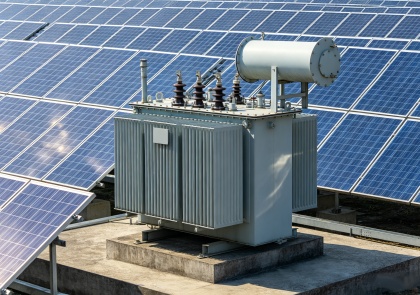
Onshore and offshore wind farms commonly used 33kV/132kV/415V configuration, to realize the wind turbine voltage step-up and grid-connected, and at the same time to supply the station operation and maintenance equipment power. Large-scale photovoltaic power station using 0.4kV/33kV/415V specifications, can reduce more than 25% of the substation footprint, cost reduction and efficiency effect is significant.
How to choose a three-winding transformer?
Three-winding transformer belongs to a high degree of customization of power equipment, selection directly affects the stability of the system, investment costs and operation and maintenance difficulties. The following standardized, can be landing eight-step selection process, suitable for all kinds of engineering scenarios.
Define the system requirements and core purposes
First confirm the three-level voltage level required by the project, the core purpose of the equipment, distinguish between multi-level power distribution, harmonic management, reactive power compensation or auxiliary power supply. At the same time, sort out the type of load, determine whether it is a continuous load, cyclic load or peak fluctuation load, and reserve space for capacity expansion later.
Precise Approval of Capacity Parameters
According to the actual load of the secondary and tertiary windings, calculate the required MVA/kVA capacity. The primary winding capacity needs to cover the total load of the two sets of secondary windings, and the conventional capacity of the tertiary winding is 1/3 to 1/2 of that of the primary winding.
Priority is given to industry-standard capacity specifications, while appropriately enlarging the capacity of the first stage to allow for safety margins, and combining with the cooling method to adapt to short-term overload requirements.
Preferred winding wiring and vector grouping
The vector group is selected according to the grid grounding method and phase matching requirements, and commonly used models are Yy0d11 and Dy1y11. Harmonic control scenarios prioritize the use of delta-type cubic windings, and the grounding system strictly matches the neutral point grounding or suspension design.
Precise configuration impedance parameters
Three winding transformer needs to be approved between two two windings impedance parameters, including the original vice impedance, original three impedance, vice three impedance. There is a core trade-off relationship between impedance parameters: the lower the impedance, the higher the voltage regulation accuracy, but the higher the fault current; the higher the impedance, the higher the fault current can be limited, but will produce a slight voltage drop.
It is necessary to combine the system short-circuit current and voltage accuracy requirements to balance the parameter configuration and avoid hidden problems in later operation.
Calibration of short-circuit withstand and protection matching ability
Confirm that the equipment can withstand the maximum short-circuit current of the system, and the withstand time meets the industry standard of 2-3 seconds. At the same time, match the upstream and downstream circuit breakers and relay protection devices to ensure that the equipment can be quickly linked to power failure and avoid the risk of equipment damage.
Frequently Asked Questions
Q1:What is the core role of the third winding in a three-winding transformer?
The third winding is the core featured structure of three-winding transformer, which does not undertake the main power supply task, and is mainly used for suppressing the third harmonic, balancing the system load, stabilizing the grid voltage, and at the same time, it can be used as an independent auxiliary power supply for the low-voltage equipments in the station to optimize the overall power quality.
Q2:What is the core difference between three-winding transformer and double-winding transformer?
Double winding transformer only realizes two kinds of voltage conversion, single function, adapting to simple scenes. Three windings transformer add three windings, can output three levels of voltage, both harmonic management, load balancing, auxiliary power supply function, one machine multi-purpose, adapt to complex power systems, can replace multiple double winding equipment.
Q3:How should the impedance of three-winding transformer be reasonably selected?
Need to balance the voltage regulation accuracy and fault current limiting demand, the impedance between high voltage and low voltage winding is routinely controlled at 10%-15%, and the impedance between low voltage winding is increased to 15%-35%, which can accurately limit the fault current between busbars, and at the same time guarantee the voltage stability.
Q4:Is a three-winding transformer suitable for photovoltaic and wind power new energy projects?
Very suitable. New energy power stations are characterized by low generation voltage, high grid-connected voltage, high harmonic interference and the need for station auxiliary power. Triple-winding transformers can simultaneously realize voltage boosting and grid connection, harmonic control and auxiliary power supply, reduce the site area and equipment costs, and are the preferred equipment for new energy grid connection.
Q5:What are the core advantages of triangular three windings?
The triangular wiring of the third winding can form a closed loop current circuit, effectively consume the third harmonic in the grid, prevent harmonics from entering the main grid, purify the power quality, and at the same time, optimize the distribution of zero sequence current in the system, improve the stability of grid operation.
Conclusion
As the core equipment of modern complex power system, three-winding transformer breaks through the functional limitations of traditional double-winding transformer, with multi-level voltage conversion, harmonic management, load balancing, multi-purpose core advantages, perfectly adapted to the grid transmission and distribution, large-scale industry, new energy grid, rail transportation and other complex scenarios.
If you need customized three-winding transformer solution consulting, feel free to contact Jinma Electric, to provide one-on-one professional power equipment solutions and technical support with extensive industry experience.