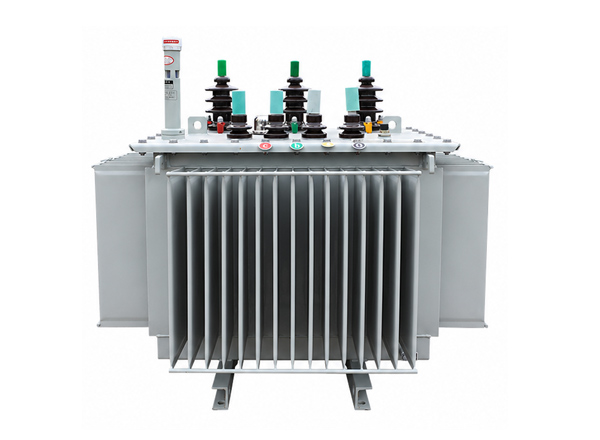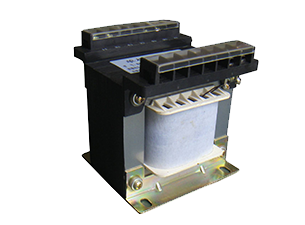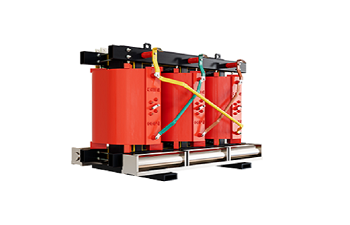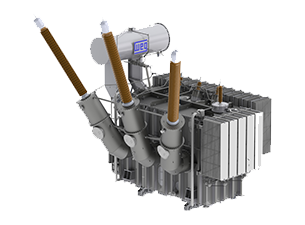


Transformer surge current (also known as excitation inrush current), similar to the transient roar of a large engine startup, is its initial energization of a huge short-lived current, usually lasts a few cycles to a few seconds, the amplitude can be up to 6-8 times the rated current, and some of them can be up to 15 times, and need to pay attention to its caused by the fluctuations in the power grid, the protection device malfunction and other issues.
This article will systematically dismantle the core knowledge of the transformer surge current, from the basic concepts, causes, potential impact, to practical testing methods, protective measures and testing best practices, a full range of explanations, to help you quickly grasp the relevant points, to better cope with the practical application of various issues.
What Exactly is Transformer Surge Current and Why Does it Matter?
From a professional point of view, transformer surge current (also known as excitation inrush current) is a transient excitation current generated in the primary winding of the transformer at full-voltage switching and initial energization. This current is not triggered by equipment failure, is essentially a short-lived and very high amplitude current peaks, is the transformer from the power outage static state to the normal operation of the transition of the inevitable electromagnetic phenomenon.
Specifically, when the transformer is first connected to the grid, full voltage closing moment, the grid voltage will rapidly act on the primary winding, drive the core to start magnetization, and the core in the initial magnetization stage of the permeability is very high, very low impedance, resulting in instantaneous drawing of a large number of windings, the formation of inrush current, the process of its generation and the core of the magnetic flux transient changes are closely related to the start of the power equipment is typical of the transient response, not the The equipment itself has an abnormal fault.
In order to understand it more intuitively, we can recognize it from the following simplified core characteristics:
- Magnitude: the peak value of the inrush current is usually 5-10 times the rated full load current of the transformer, under special circumstances it can reach 15 times, and in regular scenarios it is mostly maintained at 6-8 times, and its magnitude varies with the capacity and design specifications of the transformer.
- Duration: belongs to the transient current, the duration is short, generally a few power cycles to a few seconds. Among them, the inrush current of large-capacity transformer attenuation is slower, the duration of about 5-10 seconds; small-capacity transformer attenuation is faster, the duration of only about 0.2 seconds, the overall exponential decay trend.
- Waveform: different from normal sinusoidal current, the waveform of inrush current is highly asymmetric, non-sinusoidal, and rich in second harmonic components, which is one of the key features to distinguish inrush current from fault current.
- Components: Inrush current contains both alternating current (AC) and direct current (DC) components, as well as high harmonics, of which the second and third harmonics are the most prominent.
A common misunderstanding needs to be clarified here: many people will mistake inrush current for a signal of equipment failure, which it is not. Inrush current is a transformer energized instantaneous normal transient phenomenon, and short-circuit, overload and other permanent faults in the current is fundamentally different, the former will attenuate on its own, the latter will continue to exist and cause serious damage.
Main Causes of Transformer Surge Current
transformer surge current, the core of the transformer core flux transient changes and external conditions of the joint role, can be divided into the following five main reasons, of which the core saturation is the most fundamental cause.
Core Saturation
When the transformer is initially energized, the voltage applied to the primary winding will instantly generate a large amount of magnetic flux, these transient flux will far exceed the core’s normal operating flux range, resulting in the core quickly into a saturated state.
Iron core saturation, its permeability will drop dramatically, and then the transformer impedance is greatly reduced, the primary winding will draw a large amount of current from the grid, the formation of surge current. Simply put, the core of the “carrying capacity” is limited, the instantaneous influx of magnetic flux beyond its tolerance, will trigger a surge in current.
Transformer Design
Differences in the transformer’s own design can also affect the magnitude of the inrush current. In particular, large-capacity transformers (especially those with toroidal cores) are more likely to generate larger inrush currents due to their lower impedance and the use of high permeability materials in the core, while small-capacity transformers with low permeability cores have relatively small inrush currents.

Low Source Impedance
The impedance of the power supply system will also indirectly affect the inrush current. If the power system impedance is low (i.e., “strong power” system), when the transformer generates an inrush current, the grid voltage will not drop significantly, and can continue to provide the transformer with a large transient current, thus making the amplitude of the inrush current is higher; on the contrary, a high impedance power supply system will inhibit the amplitude of the inrush current.
Effects of Excessive Transformer Surge Current
Although the inrush current is a transient phenomenon, but if its amplitude is too large, appearing too often, will be on the transformer and the entire power system caused by a variety of unfavorable effects, and in serious cases will even lead to equipment damage, system shutdown.
Protective Device Tripping
The high amplitude of inrush current, easily triggered circuit breakers, fuses, differential relays and other protective devices inaccurate operation, resulting in the transformer tripped for no reason, the fuse is blown.
This “false tripping” will cause equipment downtime, affecting the continuity of production and power supply, and bringing unnecessary downtime.
Mechanical Stress and Winding Damage
Inrush current generated by the huge electric force, the transformer windings will produce a strong impact and vibration, may lead to winding loosening, deformation or even displacement, weakening the structural integrity of the transformer. For transformers that have been in operation for a long time and have aged winding insulation, this shock is even more fatal, accelerating the aging of the equipment and leading to premature failure.
Insulation Degradation
Surge current of instantaneous high current impact will quickly generate a large amount of heat, the heat directly on the insulation of the transformer windings, accelerating the aging of the insulation layer and embrittlement, and when serious, it will also cause local damage. Once the insulation layer is damaged, it will significantly reduce the insulation performance of the transformer, which will not only increase the risk of short-circuit, leakage and other safety failures, but also significantly shorten the overall service life of the transformer.
Power quality problems
Inrush current will trigger a brief voltage dip in the power grid (i.e., voltage depression), this sudden voltage fluctuations will directly affect the normal operation of various types of sensitive equipment in the same power grid, for example, leading to precision instrument malfunction, motor start abnormalities, electronic equipment crash, etc., and in serious cases, it will also destroy the voltage stability of the entire power system, affecting the quality of power supply.
Power Quality and Voltage Instability
Inrush current can cause a short voltage dip (i.e. voltage depression) in the power grid, and this voltage fluctuation will affect the normal operation of other sensitive equipment in the same power grid, for example, causing precision instruments to operate incorrectly, motor start-up difficulties, electronic equipment crash, etc. In serious cases, it will also affect the voltage stability of the entire power system.
Other Harmful Effects
In addition to the above effects, excessive inrush current will also disturb the magnetic properties of the iron core, resulting in an increase in the magnetization loss of the iron core, reducing the operating efficiency of the transformer and increasing energy consumption; at the same time, severe and frequent inrush current may also trigger the phenomenon of electric arc, the arc will damage the transformer’s switches, terminals and other components, resulting in poor contact, short-circuiting of the equipment and other problems.
How Can You Measure Transformer Surge Current Using Simple Methods?
Measurement of transformer surge current, the core is to capture the peak value of its current, attenuation patterns and waveform characteristics, so as to determine whether the inrush current is in a reasonable range, providing a basis for equipment protection. Many people think that the test requires specialized high-end equipment, in fact, there are a variety of simple and easy to operate methods, suitable for different budgets and scenarios, the following is a detailed introduction.
The core objective of the test is to accurately capture the peak value of the inrush current, record its decay time, and at the same time obtain the waveform and harmonic information as much as possible to determine whether the inrush current is abnormal.
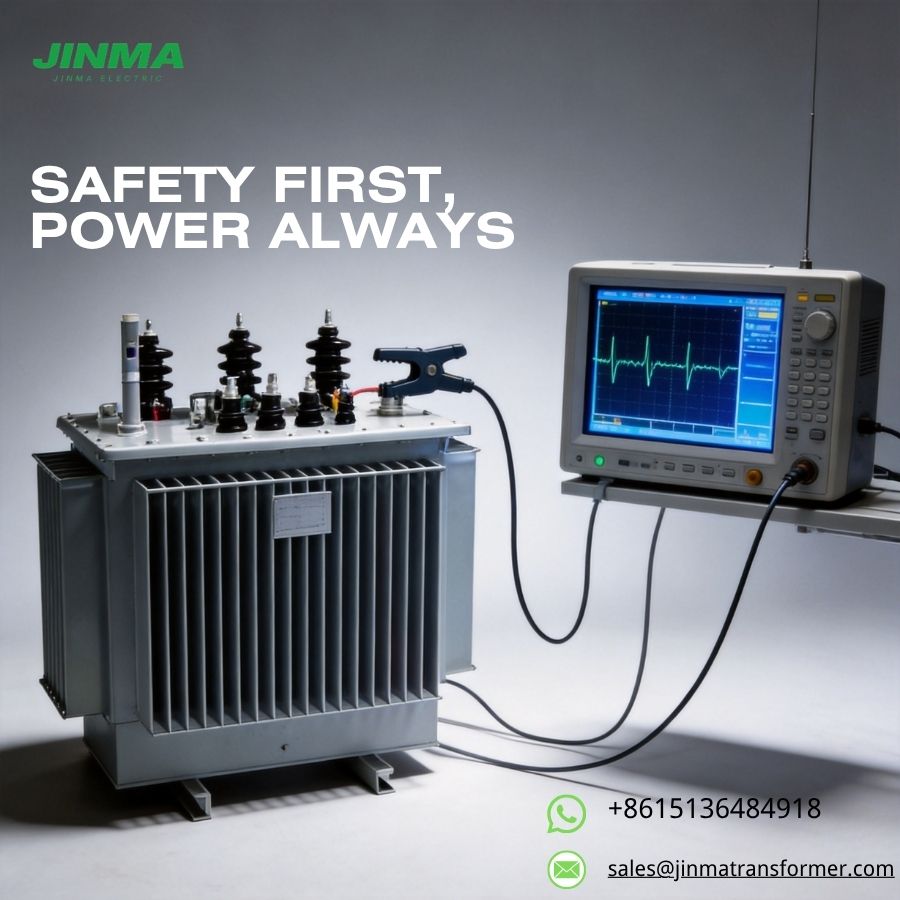
Oscilloscope Method
This is the most commonly used test method with the highest accuracy, capable of capturing the complete waveform of inrush current and suitable for scenarios that require in-depth analysis. The operation steps are as follows:
First, use the current transformer (CT) to proportionally step down the high current of the transformer to avoid damage to the oscilloscope; then, connect the output of the current transformer to the oscilloscope; finally, set the trigger mode of the oscilloscope to use the transformer closing and energizing the transformer as the trigger signal to capture the instantaneous waveform, peak and decay process of the inrush current.
Advantages: high testing accuracy, can completely capture the waveform, harmonic components and attenuation pattern of the inrush current, in order to provide reliable data support for in-depth analysis of the core characteristics of the inrush current and determine whether it is abnormal.
Disadvantages: The method is moderately difficult to operate, requiring operators to master the basic use of oscilloscopes, and the acquisition cost of related test equipment is relatively high, the test budget has certain requirements.
Power Quality Analyzer Method
Most of the modern power quality analyzers have built-in inrush current test function, which is simple to operate, without complex settings, suitable for non-professionals.
Operation steps: the analyzer will be connected to the power supply circuit of the transformer, open the inrush current test function, and then close the gate to start the transformer, the analyzer will automatically capture the peak value of the inrush current, waveforms, harmonics and other data, and generate a detailed analysis report.
Advantages: convenient and easy to understand operation, no need for complex debugging process, high testing accuracy, can provide a comprehensive and detailed analysis of inrush current data, can quickly determine whether the inrush current is abnormal to provide a reliable basis;
Disadvantages: equipment acquisition cost is relatively high, more suitable for budgetary adequacy, test data comprehensiveness has higher requirements of the application of the scene.
Peak Current Meter Method
This is the easiest and lowest cost test method, suitable for only need to understand the peak inrush current scenarios, without the need to capture the waveform.
Operation steps: the peak ammeter is connected in series in the primary power supply circuit of the transformer, close the gate to start the transformer, the ammeter will automatically record the maximum peak value of the inrush current, and read the data directly after the completion of the test.
Advantages: extremely easy to operate, no need for operators to have professional technical skills, low cost of equipment acquisition, suitable for rapid testing of bulk transformers, can efficiently complete the initial screening of the peak inrush current.
Disadvantages: the testing accuracy is at a medium level, only the peak inrush current data can be obtained, unable to capture the current waveform, attenuation patterns and harmonic components and other key information, it is difficult to comprehensively analyze the overall characteristics of the inrush current.
Protection Relay Event Recording Method
If the transformer has been installed digital protective relay, you can use the event recording function of the relay to test the inrush current, without additional equipment. Operation steps: consult the manual of the protective relay, turn on the inrush current recording function,
and then close the gate to start the transformer, the relay will automatically record the peak value of the inrush current, the time of occurrence and other information, the test is completed through the relay’s display or connect to the computer to read the data can be.
Advantages: easy to operate, no additional investment in equipment acquisition costs, only need to use the installed digital protection relay can carry out testing (provided that the relay has the inrush current recording function); Disadvantages: testing accuracy is medium, limited information recorded, unable to capture the complete waveform.
Disadvantages: medium level of testing accuracy, limited inrush current recording information, unable to capture the complete current waveform, difficult to comprehensively study the overall characteristics of the inrush current.
Comparison of Four Test Methods
Practical experience sharing: in the actual project, we have encountered the need for a large number of distribution transformer surge current testing scenarios budgetary constraints, can not be equipped with high-end testing equipment for each unit for this reason we adopted a “hybrid testing method”: select some representative transformers, with high-end power quality analyzers to carry out a detailed test, to obtain the characteristics of the inrush current The inrush current characteristic data is obtained by detailed testing with a high-end power quality analyzer;
For the rest of the transformers, the peak current meter is used to carry out rapid, focusing on whether the peak inrush current exceeds the method not only to ensure the comprehensiveness of the test, but also effectively control the cost, the scene.
Test precautions and safety regulations:
- Before the test need to confirm the rated parameters of the test equipment to ensure that it can withstand the peak inrush current to avoid equipment damage;
- If using current transformer (CT), need to pay attention to the ratio and load of the CT to ensure the accuracy of the test data;
- Inrush current test is a high-current operation, the test process needs to strictly comply with safety regulations, insulation protection, grounding to avoid electric shock or equipment short circuit;
- due to the inrush current by the closing phase, residual magnetic flux and other factors, a single test results may have deviations, it is recommended to carry out a number of closing test, to capture the worst case of inrush current peak.
How to Protect Transformer from Damages of Surge Current?
For the characteristics and potential hazards of inrush current, we can take a variety of protective measures to suppress the amplitude of inrush current from the source, or to reduce its impact on the equipment, to extend the service life of the transformer, to protect the stable operation of the power system. The following are six commonly used and effective protection methods:
Wave Closing
This is one of the most effective protection methods, through a dedicated controller to control the closing moment of the circuit breaker, the closing time is accurately controlled in the peak position of the voltage sine wave (usually 90 ° phase).
At this time, the voltage corresponds to the minimum flux demand, which can effectively reduce the magnetic flux offset of the iron core and suppress the generation of inrush current from the root, which can reduce the inrush current amplitude by more than 60%.
Pre-insertion Resistor
Pre-insertion resistance is temporarily connected in series in the circuit breaker, when the transformer is closed and energized in the initial cycles, the resistance will be connected to the circuit, increasing the total impedance of the circuit, thus limiting the amplitude of the inrush current;
when the magnetic flux of the transformer core is stabilized, the resistance will be automatically bypassed, not affecting the normal operation of the transformer. This method is suitable for large-capacity transformers with stable protection.
NTC Thermistor
This method is suitable for small-capacity transformers (such as household, small industrial transformers), the negative temperature coefficient (NTC) thermistor is connected in series in the primary winding circuit of the transformer.
Thermistor at room temperature (not energized) state, the resistance value is high, can effectively limit the inrush current at the time of closing; energized, the current through the thermistor generates heat, so that its resistance value is rapidly reduced, tends to conductive state, does not affect the transformer’s normal operating current.
Soft Starter/Voltage Ramp Start
With a soft-start device, the voltage applied to the primary winding of the transformer can be climbed slowly instead of instantaneously applying the full voltage.
This gentle voltage rise can make the core flux increase gradually, effectively avoiding the core saturation problem caused by instantaneous overloading of the flux, and then smoothly inhibit the generation of inrush currents, especially suitable for more sensitive application scenarios of voltage fluctuations, which can minimize the impact of surges on equipment.
Sequential Closing
For systems with multiple transformers running in parallel, if all transformers are closed at the same time, a superimposed inrush current will be generated, which may lead to a sudden drop in grid voltage and tripping of protective devices. Sequential closing, closing multiple transformers one by one with a certain time interval (usually a few seconds to ten seconds) can avoid the superposition of inrush current and reduce the impact on the power grid and equipment.
Additional protection
Fuse: In the transformer of high-voltage (H.V) and low-voltage (L.V) side are connected in series with the fuse, can effectively protect the slow inrush and overload current, when the inrush current or overload current reaches the rated value of the fuse, the fuse will fuse, cut off the circuit, protect the transformer from damage.
Spark gap: mainly used for protection against strong transient surges generated by lightning strikes. Lightning will produce very high surge voltage in the primary or secondary of the transformer, ordinary electromagnetic protection device reaction speed is too slow to protect in time.
Spark gap is installed between the primary and secondary of the transformer, which is set at less than two-thirds of the rated surge voltage of the transformer, when there is a lightning surge, the spark gap will conduct instantly, and the surge voltage will be released to avoid the transformer windings from being pierced. The spark gap can be of an open design, or if the environment is dusty, it can be of a hermetically sealed design, and the replacement cost is much lower than replacing the transformer.
Best Practices for Transformer Surge Current Testing
In order to ensure the accuracy, safety and effectiveness of inrush current testing, combined with many years of field testing experience, the following 8 best practices are summarized, especially suitable for engineering field testing, and at the same time comply with the requirements of IEEE C57 standard.
Use Proper Measurement Equipment
The amplitude of inrush current is affected by various factors such as closing phase, residual magnetic flux of the iron core, etc. The results of a single test have limitations, and it is difficult to fully reflect the inrush situation under the worst working conditions.
Therefore, it is necessary to conduct several closing operations during the test, and it is recommended to complete at least 3-5 closing tests, record the peak value of inrush current generated each time, and ultimately select the peak maximum value as the core reference data to ensure that the test results have sufficient reliability and representativeness, and to provide an accurate basis for the development of subsequent protective measures.
Consider Residual Magnetism
Residual magnetic flux is one of the key factors affecting the amplitude of inrush current. When the residual magnetic flux of the iron core is in the same direction as the new magnetic flux generated when the gate is closed, it will cause the inrush current to reach its maximum value.
The residual flux can be controlled by reasonable shutdown methods (such as gradual voltage reduction shutdown) before the test, and the approximate situation of the residual flux needs to be recorded during the test, so as to facilitate the analysis of the test results.
Verify Equipment Ratings
Before the test, the rated parameters of circuit breakers, cables, test instruments and other related equipment should be comprehensively verified to ensure that they can withstand the instantaneous peak of inrush current (usually 12-14 times or more than the rated current of the transformer), to prevent safety accidents caused by overloading and damage of the equipment during the test and to ensure the safety of the test work.
Simulate Real Conditions
Tests should try to simulate the actual operating conditions of the transformer, such as in the grid voltage is in the steady state high value of the closing operation, or in the transformer with a certain load state to carry out the test, to ensure that the test results can truly reflect the characteristics of the transformer in the actual operation of the inrush current for the subsequent development of the scientific development of protective measures to provide an accurate and reliable basis for reference.
Safety Precautions
Surge current test is a high current, high voltage operation, safety protection is the first prerequisite. The test site needs to be fully insulated, wrapped equipment terminals and connection parts; ensure that the test equipment and transformer body grounding is reliable, forming a complete grounding protection circuit.
Testers must wear a full set of insulating protective equipment, prohibit unprotected contact with the equipment; at the same time, fix the test instruments and connecting wires, placed in a smooth and dry area to prevent the equipment from shifting, fall off, all-round protection of personal and equipment safety.
Inspect Before Testing
Before the test, the transformer should be fully inspected, focusing on verifying whether the grounding is reliable and the insulation of the windings is intact (which can be verified through the insulation resistance test), to avoid the faults of the transformer itself, resulting in deviation of the test results, which may lead to damage of the equipment in the test process, and to ensure the safe and orderly conduct of the test work.
Compliance with Relevant Standards
The whole process of testing and the analysis and interpretation of test results should strictly follow the IEEE C57 and other relevant industry standards to ensure that the testing method is scientific and standardized, the interpretation of data is accurate and error-free, to effectively avoid judgmental bias due to irregularities in the testing operation, to ensure the effectiveness of the implementation of protective measures, and to provide reliable support for the safe and stable operation of the transformer.
Conclusion
transformer surge current is a normal transient phenomenon when the transformer is first energized, the core of which is triggered by iron core saturation, voltage phase angle, residual magnetic flux and other factors; although it lasts for a short period of time, excessive inrush will endanger the transformer, protection devices and the power grid, and requires effective protection.
Various protective measures can effectively inhibit the surge current. There is no need to pursue high-end equipment, but simple testing methods can also provide a valuable reference. Through active testing and scientific protection, transformer life can be extended, downtime can be reduced, and the stable operation of the power system can be guaranteed.