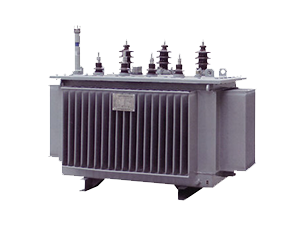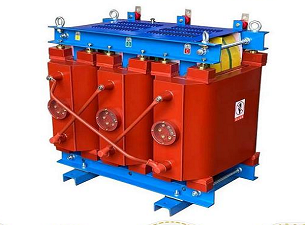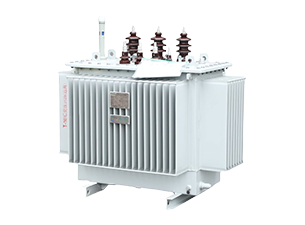


Definition of amorphous alloy transformer
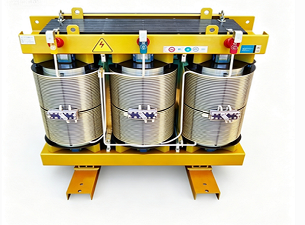
Amorphous alloy transformer is a kind of iron-based amorphous alloy as the core material, the main low-loss, high-efficiency power transformer. Compared with the traditional silicon steel core transformer, its core difference lies in the different core materials.
What is amorphous alloy?
Many people are unfamiliar with the concept of “amorphous”, in fact, a simple analogy can be used to understand: the traditional silicon steel sheet atomic arrangement is like a neat and orderly queue, while the amorphous alloy atomic arrangement is like a disorganized crowd.
When the current through the transformer generates a magnetic field, the atoms need to follow the direction of the magnetic field to “turn” (i.e., magnetization and demagnetization). Neatly lined up atoms need to coordinate with each other when steering, resistance is greater, will consume more energy; while the chaotic arrangement of the atoms steering more flexible, less resistance, energy loss is naturally reduced.
Amorphous alloy vs silicon steel core
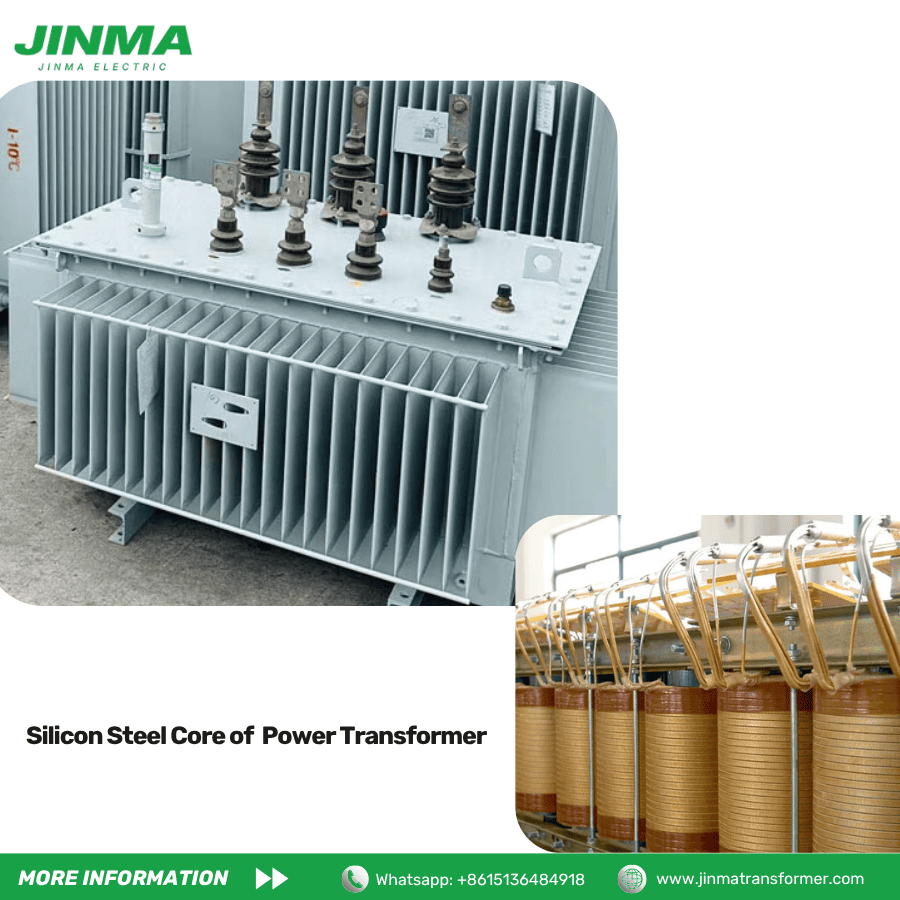
The core of a traditional transformer is mainly made of silicon steel, which is an alloy made of iron with a certain percentage of silicon added:
Silicon steel is the most widely used transformer core material, and its silicon content is usually between 3% and 6.5%. The main purpose of adding silicon is to increase the resistivity of the material and reduce eddy current losses, thus lowering the transformer’s no-load losses.
Silicon steel has the advantage of lower cost, less processing difficulty, and is suitable for mass production, so it has long been the preferred core material for traditional transformers.
Why choose amorphous alloy transformers?
The reason why amorphous alloy transformer can become the new choice of energy saving in the power industry, the core lies in its multiple advantages of traditional transformers, which can be divided into the following six aspects:
Ultra-low loss
Amorphous alloy transformer no-load loss is 70%-80% lower than the traditional silicon steel core transformer. This advantage is especially obvious in long-term operation, especially for 24-hour uninterrupted operation of the distribution transformer, can save a lot of power every day.
For example, the world’s first 110kV amorphous alloy three-dimensional coiled-core transformer, which was connected to the grid and put into operation in Shantou, China, saves about 120,000 kWh of electricity per year, equivalent to reducing 72 tons of carbon dioxide emissions, and the energy-saving level reaches the international leading level.
Green and environmental protection
The ultra-low loss of amorphous alloy transformer directly reduces the demand for electric power generation, which in turn reduces the emission of greenhouse gases and pollutants such as carbon dioxide and sulfur dioxide in the process of thermal power generation.
Low operating temperature
Due to the low loss, amorphous alloy transformers generate far less heat during operation than traditional transformers, and run at a lower temperature. The lower the temperature, the slower the insulation aging, the longer the service life of the transformer. The service life of amorphous alloy transformer can reach more than 30 years, which is 5-10 years longer than the traditional silicon steel core transformer.
Strong overload capacity
Amorphous alloy core has good mechanical properties, resistance to pressure, impact resistance is stronger, can withstand higher overload current. In scenarios with large power load fluctuations (such as industrial production and commercial complexes), amorphous alloy transformers can operate stably and are not prone to failure.
Fast investment recovery
Although the initial purchase cost of amorphous alloy transformer is high, but with its ultra-low loss brought about by the electricity bill savings, the payback cycle is usually only 3-5 years. For large-scale power projects, the energy-saving benefits of long-term operation are much higher than the initial cost premium.
Amorphous alloy transformer production key
The excellent performance of amorphous alloy transformers depends not only on the material itself, but is also closely related to the manufacturing process. Jima Electric, a specialized transformer manufacturer, suggests focusing on the following 4 key issues:
Cutting of amorphous alloy strips
Amorphous alloy strips are extremely hard, 2-3 times harder than ordinary silicon steel sheets. Traditional cutting tools (such as scissors and grinding wheels) are difficult to cut them accurately, and the cutting process is prone to burrs and deformation, which affects the magnetic properties of the core.
Low filling factor of iron core
Amorphous alloy strip thickness is extremely thin (usually 0.02-0.03 mm), and the surface of the material is not flat enough, resulting in a low filling factor of the core (the ratio of the effective area of the core to the total volume of the core), only about 0.8, lower than the traditional silicon steel core of more than 0.9. To make up for this deficiency, a special stacking process is used in the production process to optimize the stacking density of the core to ensure that the magnetic properties of the core are not affected.
Sensitive to mechanical stress
Amorphous alloy is very sensitive to mechanical stress, slight extrusion, collision or deformation, will lead to a decline in its magnetic properties, increase core loss. Transformer production process, will use a special fixed device to reduce the mechanical stress on the iron core, to avoid deformation of the iron core, to ensure the energy-saving performance of the equipment.
Annealing treatment
Amorphous alloy strip in the production process will produce a certain amount of internal stress, affecting its magnetic properties. Therefore, when making the iron core, the amorphous alloy chip must be annealed – through high-temperature heating (usually 400-500 ℃), to eliminate the internal stresses within the material, to restore its excellent magnetic properties, and to ensure the low-loss characteristics of the transformer.
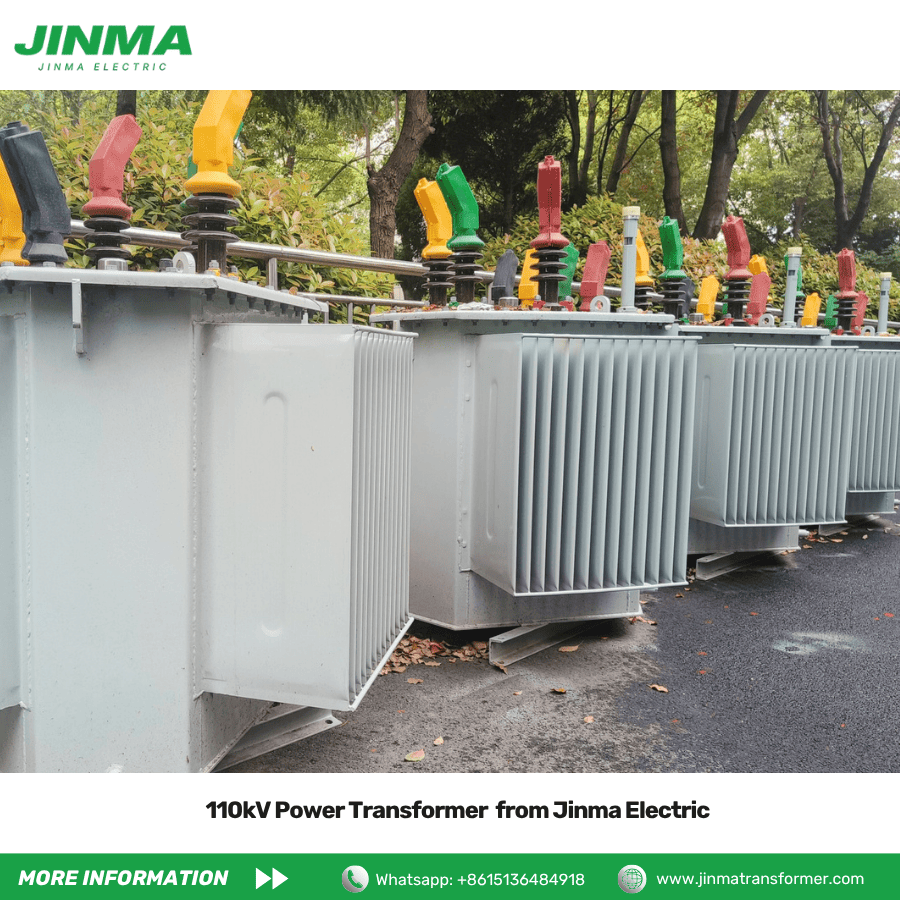
Application of amorphous alloy transformers
Amorphous alloy transformers have been widely used in many fields, covering industry, commerce, new energy, residential power distribution, etc. They are especially suitable for scenarios with high requirements on energy consumption and stability:
Industrial production scene
Manufacturing factories, chemical plants, metallurgical plants and other industrial places, need 24 hours uninterrupted power supply, and power load fluctuations. Amorphous alloy transformer’s high overload capacity and low loss characteristics, can adapt to the complex working conditions of industrial production, reduce power waste, reduce production costs.
Commercial and public building scene
Large shopping malls, office buildings, hotels, hospitals and other commercial and public buildings, the power load is concentrated, and the stability of the power supply requires high. Amorphous alloy transformer’s low noise, low loss characteristics, not only can reduce electricity expenses, but also to avoid the noise of equipment operation affects the environment.
New energy grid-connected scene
Photovoltaic, wind power and other new energy power generation is characterized by fluctuation and intermittency, which requires high efficiency and stability of power conversion and distribution equipment. Amorphous alloy transformers can efficiently convert new energy power generation into power that meets grid standards, reduce energy loss, and ensure smooth grid connection of new energy power.
Smart Grid Distribution Scenario
Smart grid pursuit of efficient, energy-saving, intelligent power distribution, in the smart distribution network, amorphous alloy transformer can real-time adapt to changes in power load, optimize energy distribution, reduce power waste.
Reasons for the high price of amorphous alloy transformer
Compared with traditional silicon steel core transformers, the initial price of amorphous alloy transformers is 15-20% higher for two main reasons:
High material cost
Amorphous alloy strip is the core factor that determines the cost of amorphous alloy transformer, and its cost accounts for about 40% of the total cost of the transformer. Although the popularity of domestic amorphous strip material in recent years has led to a significant drop in price, from about 78,000 ¥/ton in 2019 to 52,000 ¥/ton in 2023, a drop of 33.3%, its price is still at a high level compared to silicon steel materials.
Complex manufacturing process
Amorphous alloy cutting, stacking, annealing and other process requirements are high, requiring specialized production equipment and technology, production efficiency is relatively low, further increasing the manufacturing cost of equipment.
Future trends: amorphous alloy transformer development direction
With the promotion of global energy-saving policies, the development of new energy industry and the advancement of materials technology, amorphous alloy transformer market demand will continue to grow, the future will be towards the material upgrading, process optimization, application expansion and other directions:
Amorphous alloy materials continue to upgrade
At present, the industry is continuing to carry out research and development of amorphous alloy materials, to improve the magnetic properties of the material, thermal stability and processability. In the future, new amorphous alloy materials with higher permeability, lower loss and better cost will appear.
Continuous optimization of manufacturing process
With the progress of production technology, amorphous alloy cutting, stacking, annealing and other processes will continue to be optimized, the production efficiency will be greatly improved, the manufacturing cost will be further reduced.
Continuous expansion of application scenarios
In the future, with the continuous development of the new energy industry and the comprehensive construction of the smart grid, amorphous alloy transformer will be more widely used in photovoltaic, wind power, energy storage, data centers and other fields.
Conclusion: amorphous alloy transformer
In summary, amorphous alloy transformer as a kind of low loss, high energy efficiency, green power equipment. If you need customized amorphous alloy transformer solution, please feel free to contact Jinma Electric.