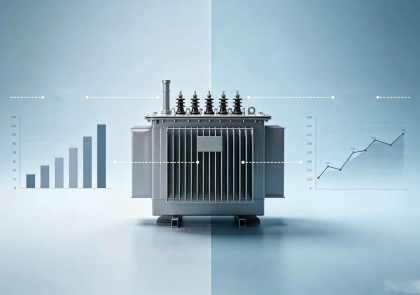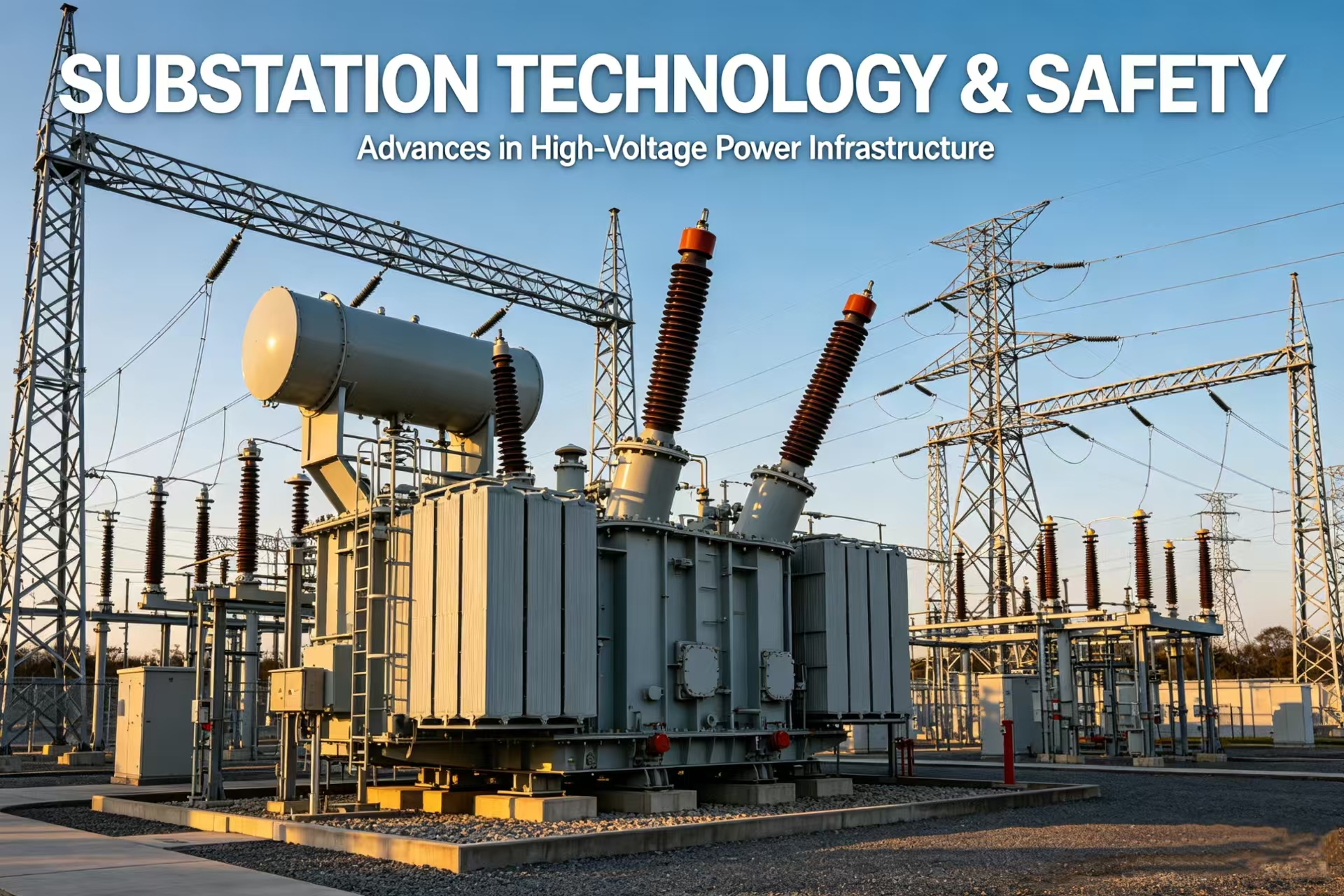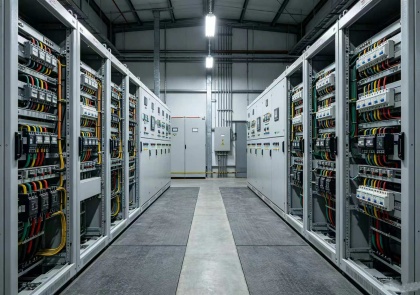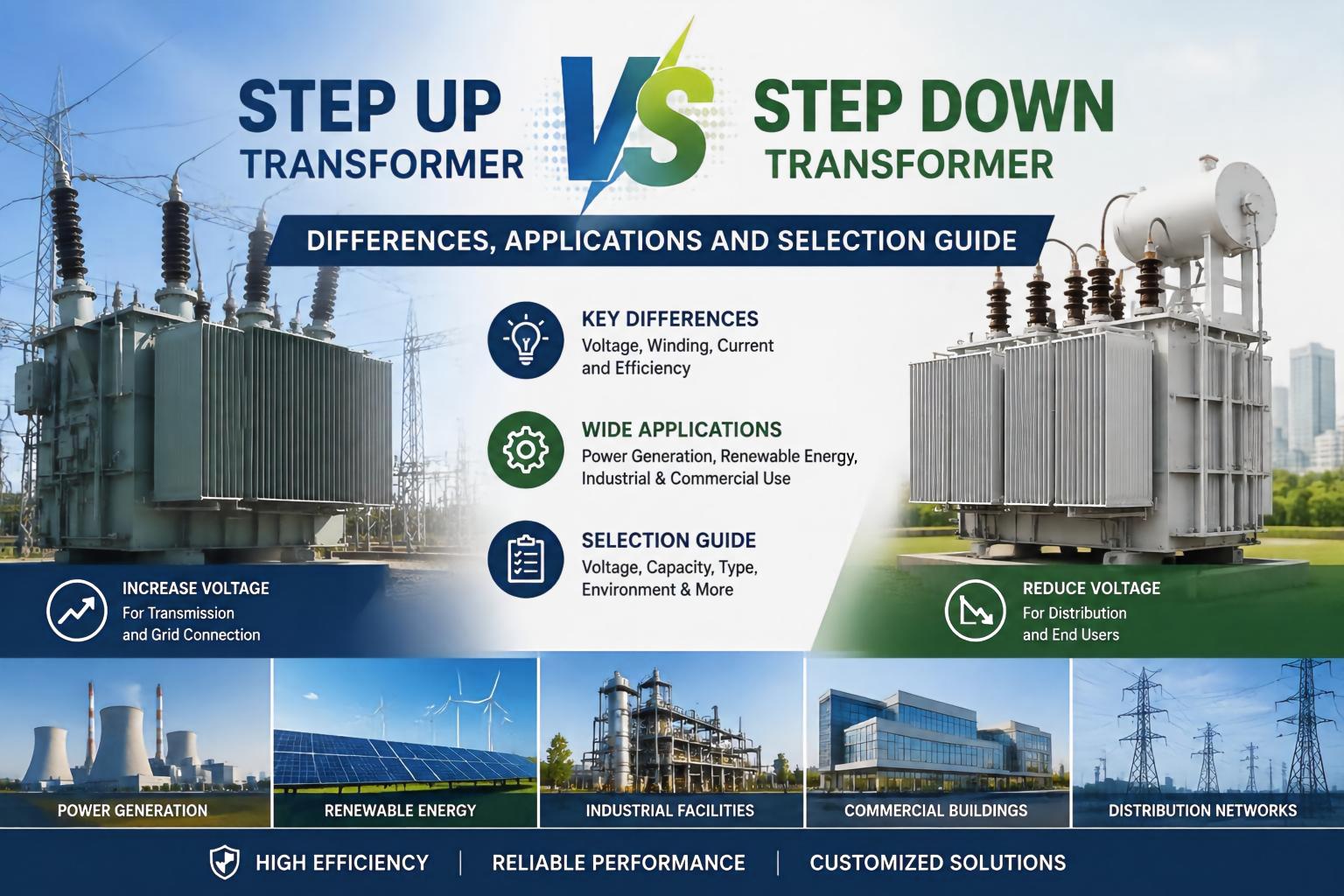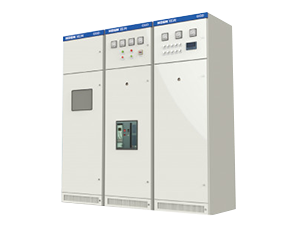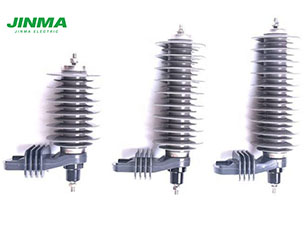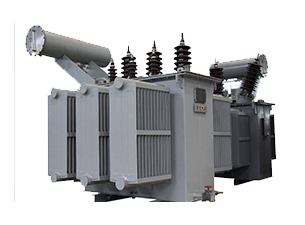


Transformer is the core equipment of the power system, running through the whole link of power generation, transmission, distribution and use, widely used in civil, commercial, industrial and new energy grid-connected scenarios. It reduces transmission losses by raising and lowering the voltage, and ensures the stability of the power grid and the safety of electricity consumption.
This article explains the working principle, characteristics, advantages and disadvantages of the top ten commonly used transformers and applicable scenarios, and attached to the category comparison and selection of key points to help practitioners quickly and accurately selected.
What Is a Transformer?
Transformer is a static electrical equipment, without any moving parts, relying on the law of electromagnetic induction work. Equipment mainly consists of iron core, primary side winding, secondary side winding, insulation system and cooling structure, the core role is not to change the frequency of alternating current under the premise of realizing the voltage conversion of electric energy, current regulation and electrical isolation, to complete the efficient transmission of electric energy from one circuit to another.
Transformers operate based on Faraday’s law of electromagnetic induction:
After the alternating current is passed into the primary winding, alternating flux will be generated in the iron core, so that the secondary winding induces a voltage. The voltage transformation ratio is determined by the turns ratio of the windings, following the formula: secondary voltage/primary voltage = number of secondary turns/primary turns. Ideally, power is conserved and voltage is inversely proportional to current, which is the core principle of low-loss power transmission in transformers.
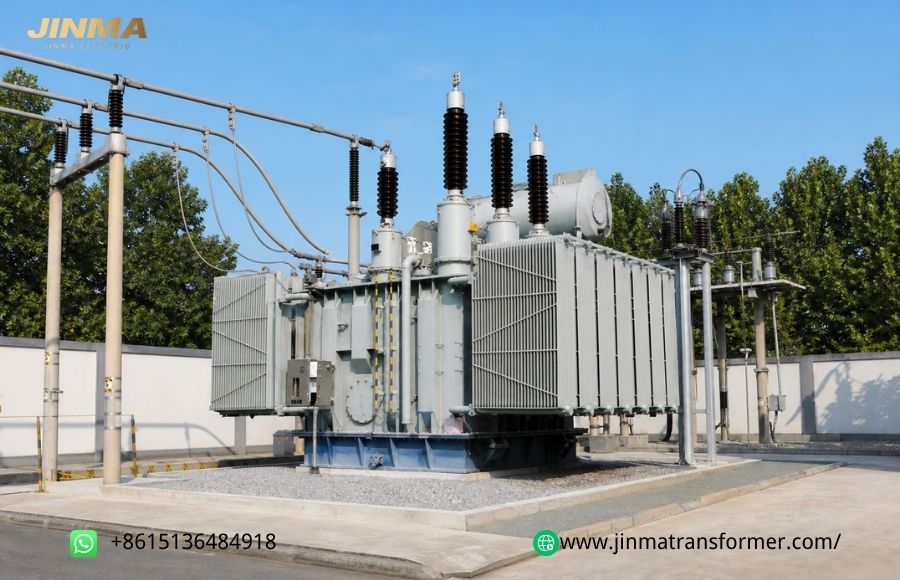
Power Transformer
Power transformer is the core of the main power system equipment, belongs to the large-capacity fixed transformer, mainly used in the grid backbone line of high-volume power transmission and voltage level conversion, is connected to the power generation side and the transmission network of the key equipment. Its rated capacity is extremely large, covering from 5MVA to over 1000MVA, and is widely used in high-voltage and ultra-high-voltage power scenarios.
Application Scenario
As the core equipment of power grid backbone, power transformer is mainly used in large-capacity power collection, voltage regulation and long-distance transmission scenarios, and the specific landing scenarios can be divided into four categories:
- Traditional power station step-up and grid connection: widely used in thermal power, hydropower, nuclear power and other traditional power generation projects, step-up station, generator output of low-voltage power to ultra-high-voltage transmission level, is the generating unit safely into the backbone grid, the core of the key equipment to realize the transmission of power.
- New Energy Centralized Grid Integration: It is widely used in onshore and offshore large-scale wind farms and centralized photovoltaic power stations, and is responsible for the boosting, integration and unified grid transmission of new energy power, which can be adapted to the intermittent and fluctuating power generation characteristics of new energy sources, and can effectively guarantee the quality of grid-connected power and the stability of power grid operation.
- Regional Grid Hub Transmission: deployed in regional UHV substations and core grid hub nodes, it undertakes cross-regional, large-capacity power dispatch and long-distance transmission tasks, significantly reduces line transmission losses, equalizes the load of the entire regional grid, and improves the overall transmission efficiency of the grid.
- Large-scale industrial voltage stabilized power supply: supporting large-scale industrial parks, heavy industry enterprises exclusive power supply terminus, providing stable and reliable high-voltage power protection for large-capacity, continuous industrial loads to fully meet the harsh power supply requirements of continuous production and high-load operation of heavy industry.
Distribution Transformer
Distribution transformer belongs to the sub-category of power transformer, which is the “last kilometer” core equipment responsible for the end distribution in the electric power supply system. It is adjacent to the load terminal, mainly to the grid transmission of high-voltage electrical energy step by step step down to civil, industrial safety can be used for standard low-voltage electrical energy.
The equipment can precisely step down the 11kV, 22kV and 33kV medium voltage distribution voltage to 400V/230V standard voltage for civil and industrial use. The equipment is optimized for end-variable loads that fluctuate during the day and night, and can achieve optimal operating efficiency in the 50%-70% regular load range.
Application Scenarios
As the core equipment for power supply at the end of the power supply, the distribution transformer covers a wide range of terminal scenarios such as civil, commercial, light industry, agriculture and small-scale new energy, etc. The specific applications are categorized as follows:
- Civil and public buildings power supply: comprehensive coverage of urban residential districts, office buildings, large shopping malls, schools, hospitals and other densely populated places, for building lighting, central air-conditioning, elevators, office equipment and medical precision facilities to provide stable, safe low-voltage power, to protect the normal operation of public areas and residents of the daily use of electricity.
- Power supply for small and medium-sized light industry: It is suitable for the power consumption needs of various small and medium-sized factories, processing workshops and light industrial production lines, providing reliable terminal power distribution support for regular production equipment, auxiliary machinery and workshop supporting systems, and meeting the needs of small and medium-sized industries for continuous production.
- Rural and Agricultural Electrification: Deeply applied in rural power grid upgrading and transformation projects, providing stable power for rural residents’ living electricity, farmland irrigation pumps, agricultural machinery and equipment, and breeding supporting facilities, and assisting in the modernization of agriculture and the construction of rural electrification.
- Municipal Public Infrastructure: Undertake urban public supporting power supply tasks, continuously provide long-term stable power for municipal road lighting, traffic signals, monitoring equipment, public security facilities, and ensure the orderly operation of urban public systems.
- Small distributed new energy grid connection: suitable for household photovoltaic, factory distributed photovoltaic, small wind power and other decentralized new energy projects, can be new energy inverter output voltage step-down stabilization, to achieve safe grid connection and local consumption, suitable for new distributed power construction needs.
Step-Up Transformer
Step-up transformer is a special step-up equipment for power transmission, the core structural feature is that the number of turns of the secondary winding is much larger than the number of turns of the primary winding, which is a special power equipment for realizing the voltage rise of the grid and the long-distance transmission of electric energy.
Relying on the principle of electromagnetic induction, the equipment can reduce the transmission current year-on-year while raising the transmission voltage, fundamentally reducing the I²R heat loss of the line, effectively solving the industry pain point of short distance and high loss in low-voltage transmission, and it is the core equipment necessary for realizing the transmission of electricity over long distances and with high efficiency.
Main Application Scenarios
As the core boosting equipment for long-distance transmission of electric energy, step-up transformer is mainly used in various types of power generation boosting, grid first-end voltage regulation and special high-voltage power supply scenarios, covering traditional energy, new energy, grid infrastructure and industrial experimental fields, the specific application breakdown is as follows:
- Traditional energy power station unit boosting: applicable to thermal power, hydropower, nuclear power and other traditional power generation bases, the unit will be upgraded from low-voltage power to high-voltage level, solving the problem that low-voltage power can not be transported over long distances, and providing the basic support for large-scale power transmission and inter-area scheduling.
- Centralized grid-connected voltage boosting for new energy power stations: adapting to onshore and offshore wind power and centralized photovoltaic power station grid-connected demand, centralized voltage boosting to gather new energy power, adapting to new energy power generation fluctuation and intermittent characteristics, stabilizing grid-connected voltage, and guaranteeing large-scale new energy securely integrated into the backbone power grid.
- Hubvoltage regulator at the first end of the power grid: arranged in the substation at the first end of the transmission line, it is the core front-end equipment of ultra-high voltage transmission, which reduces the long-distance transmission loss by boosting and lowering the current, and provides voltage support for the high-voltage and low-voltage long-distance transmission, and improves the transmission capacity of the grid and its operation efficiency.
- Industrial and scientific research high-voltage power supply: It is suitable for high-voltage laboratories, high-voltage test equipment, special industrial high-voltage devices and other niche high-voltage scenarios, and provides compliant and stable high-voltage power supply for all kinds of experimental and industrial equipment requiring high-voltage input to meet the power supply needs of scientific research tests and special industrial production.
Step-Down Transformer
Step-down transformer is the most widely used basic transformer equipment in the power system, the function and step-up transformer is just the opposite. The number of turns of the secondary winding is less than that of the primary winding, and it can step down the power grid high voltage and medium voltage electric energy, and convert it into the standard low voltage electric energy which can be used safely by industrial equipment and civil terminals, and it is the indispensable core equipment in the multi-stage power distribution system of the power grid.
The voltage conversion ratio is less than 1, and the output current can be increased at the same time of voltage reduction; it is suitable for part of the load fluctuation working conditions, with stable operation and high fault tolerance; the specifications cover a wide range, and it can be adapted to the high-voltage substation, terminal power distribution and other multilevel scenarios.
Application Scenarios
Power grid multi-level substation voltage regulation: deployed in distribution substations at all levels, it can complete step-down voltage conversion for multiple voltage levels such as 220kV, 110kV, 33kV, 11kV, etc., and build a standardized distribution voltage system with clear hierarchy, stable operation and orderly dispatching.
- Urban terminal livelihood power supply: Focusing on core scenarios such as urban residential areas, commercial complexes and commercial office buildings, the company provides high-quality and stable low-voltage power distribution to fully meet the safe, continuous and reliable power demand of people’s livelihood and commercial operations.
- Small and medium-sized industrial power supply: It is adapted to the operating conditions of automated production lines and industrial processing equipment in various small and medium-sized factories, and provides compliant, smooth and efficient, quality-controlled power support for industrialized production operations.
- Public infrastructure power supply: widely adapted to rail transit, new energy charging piles and other urban public infrastructure, for the normalization of public infrastructure, standardization, normative operation to provide safe and stable power protection.
Isolation Transformer
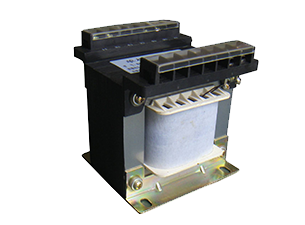
Isolation transformer is a special special transformer equipment with the core function of electrical isolation and safety protection, and the function positioning is fundamentally different from the conventional transformer focusing on voltage transformation.
Equipment, the secondary side of the winding more than 1:1 turns ratio, input and output voltages are the same, do not change the supply voltage, the core of the realization of the complete electrical isolation of high and low voltage. Its built-in electrostatic shielding structure, can effectively block the grid harmonics, electromagnetic interference and transient surge voltage, purify the power supply quality, precision equipment and high-risk operation scene necessary safety power supply equipment.
Application Scenarios
- Medical precision equipment power supply: adapted to the operating room, intensive care equipment, precision diagnostic and therapeutic instruments and other medical core scenarios, the continuous output of stable and pure power, to eliminate power supply fluctuations hidden danger, all-round protection of medical operations in a safe and orderly manner.
- Industrial control and data room: customized power supply solutions for data centers, server clusters, and industrial PLC automation systems, providing high-purity isolated power supply, effectively resisting grid interference, avoiding equipment downtime, failures and other problems, and guaranteeing stable operation of the system 24 hours a day, 7 days a week.
- Laboratory and audio-visual equipment: Adapted to various types of high-precision experimental instruments, professional audio broadcasting and audio-visual equipment operation needs, effectively eliminating power supply harmonics and noise interference, to protect the equipment testing accuracy, audio-visual output stability.
- Special mobile electrical system: adapted to ships, vehicles and other mobile special electrical equipment, can adapt to bumps, temperature differences, complex outdoor and other harsh conditions, to meet the needs of safety, stability and continuous power supply in special scenarios.
- High-risk and explosion-proof operation scenarios: For chemical production, explosion-proof operation and other high-risk special environments, it provides professional electrical isolation and safety protection for on-site electrical equipment, effectively avoids hidden dangers of electricity, and significantly reduces the risk of operational accidents.
Instrument Transformer
Instrument transformer is a high-precision special transformer equipment suitable for power system operation, the core for real-time monitoring of power grid conditions and relay protection control, focusing on signal acquisition and feedback, does not undertake the task of high-power power transmission.
The core role of the equipment is to convert the high voltage and high current signals, which are difficult to be measured directly by the power grid, into 110V, 1A/5A standardized low-voltage and small current signals accurately, providing accurate and safe data sources for all kinds of measuring instruments, protection relays, intelligent monitoring devices, and the categories are mainly divided into two major categories: current transformer (CT) and voltage transformer (PT).
Application Scenarios
- Power metering and accounting: Widely used in substations and high- and low-voltage switchgear, it can realize accurate power collection and metering statistics, ensure that the power data is true and reliable, and support the standardized power operation and maintenance work such as electricity accounting and power statistics.
- Power Grid Relay Protection: It can provide accurate signal support for power grid fault monitoring and automatic trip protection devices, quickly respond to abnormal working conditions of the power grid, timely isolate fault locations, effectively avoid large-scale faults in the power grid, and ensure the safe and stable operation of the power grid.
- Intelligent monitoring of power grid: Adapted to SCADA grid monitoring system and generator set grid synchronization detection scenarios, real-time collection of grid operation data, monitoring of grid status, helping the grid to realize automation, refinement, intelligent operation and maintenance management.
- Industrial and mining new energy monitoring: adapt to the new energy power station, industrial and mining enterprises power distribution system operation scenarios, real-time monitoring of power equipment operating conditions and power operation status, timely investigation of operation hazards, to ensure the smooth and efficient operation of industrial and mining and new energy distribution system.
Auto Transformer
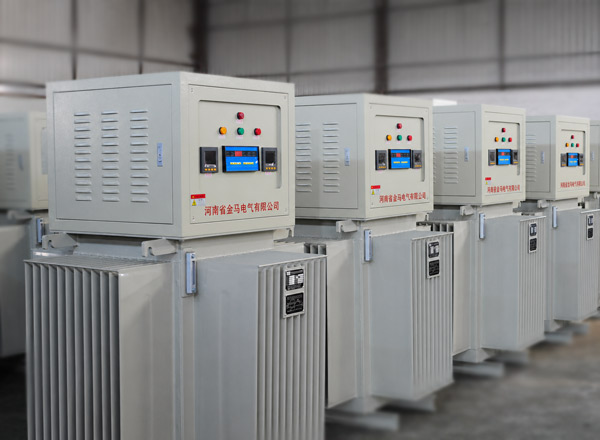
Autotransformer is a special non-isolated special transformer with special structure, which is very different from the traditional independent double-winding transformer structure. The equipment is only set up a set of continuous winding, the first and second side share part of the winding circuit, there is a direct electrical connection, does not have complete electrical isolation performance.
The equipment is mainly adapted to the transformer ratio close to 1:1 small voltage regulation conditions, according to the function can be divided into step-up type, step-down type and adjustable (Variac regulator) three categories, mostly used for small voltage stabilization, voltage regulation scenarios.
Application Scenarios
- Industrial motor startup: applied to large industrial motor buck startup scenarios, effectively weakening the motor startup transient impact current, alleviate grid load fluctuations, all-round protection of power equipment and transmission grid security and stability. Grid small-scale voltage regulation: suitable for step-down voltage regulator, voltage regulator and adjustable (Variac) regulator.
- Power grid small-scale voltage regulation: It is suitable for daily fine voltage regulation operation and maintenance scenarios of power grids, and can realize accurate voltage matching and interconnection and docking of the same-level and near-level power grids, and ensure smooth operation and balanced voltage conditions of power grids.
- Laboratory regulated power supply: It can provide continuously adjustable and highly stable regulated power supply for production workshops and various experimental equipments, fully adapting to the diversified and high-precision experimental testing power needs.
- Special power supply: adapted to rail transportation traction power supply, small new energy grid connection and other special power scenarios, accurately complete the voltage level matching and power adaptation, to ensure the reliable operation of the special power supply system.
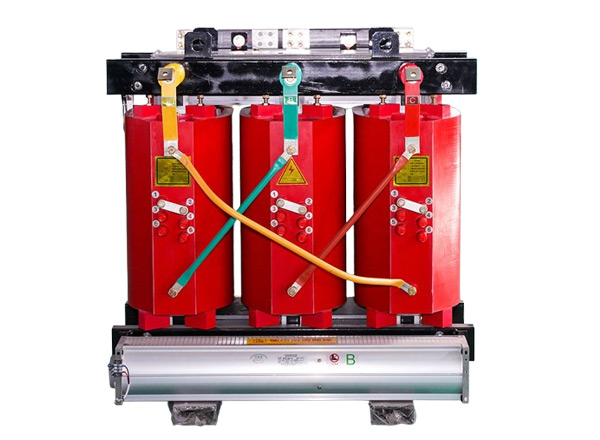
Dry-Type Transformer
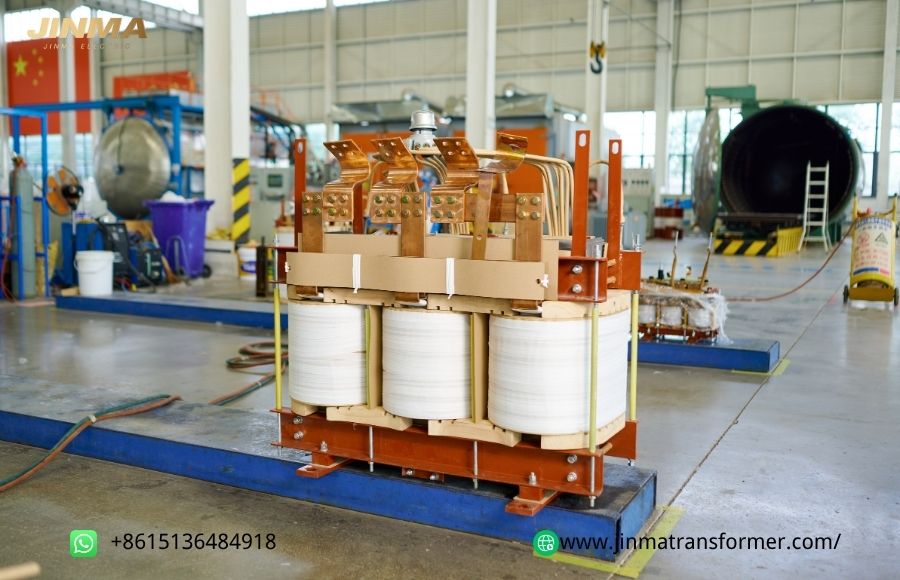
Dry-type transformer belongs to the oil-free transformer equipment, the whole process using air or inert gas as insulation and heat dissipation medium, abandon the traditional insulating oil structure, relying on the natural air-cooled or forced air-cooled way to complete the heat exchange and heat dissipation, with a clean and leak-free, safe and flame-retardant core features.
Its mainstream products are categorized into two types: epoxy resin casting type (CRT) and vacuum pressure impregnation type (VPI). With the outstanding advantages of safety and flame retardancy and no risk of ignition and explosion, it is the preferred power distribution equipment for indoor confined environments and high-risk fire prevention scenarios.
Application Scenario
- Urban indoor power distribution: It is suitable for various indoor power distribution scenarios such as urban high-rise buildings, commercial office buildings, large commercial complexes, etc. It is suitable for civil and commercial diversified power loads, and it can provide continuous, stable and safe power distribution guarantee to meet the normalized power demand of urban buildings.
- Fire-sensitive areas: Applicable to hospitals, campuses, large data centers, government server rooms and other key places with extremely high fire safety requirements, with excellent safety and fire performance, which can avoid electricity safety hazards from the source, and ensure safe and stable power supply in all-weather scenarios. Power supply in confined spaces: Perfectly adapted to metro power distribution scenarios, such as large commercial complexes and other indoor power distribution scenarios.
- Power supply in confined spaces: Perfectly adapted to special installation environments such as subway tunnels, underground corridors, underground garages, and other confined, poorly ventilated and small spaces, with stable equipment operation and no security risks, and adapted to the long-term operational needs of special underground working conditions.
- Environmental protection and explosion-proof industry: It can meet the power consumption standards of pharmaceutical processing, food production, fine chemicals and other special industries with strict requirements for environmental protection, explosion-proof and safety, and is suitable for special working conditions in the industry, effectively avoiding the risk of flammable and explosive, and ensuring the safe and compliant operation of industrial production.
- New Energy Indoor Grid Integration: Suitable for distributed photovoltaic, small wind power and other new energy projects indoor grid-connected distribution scenarios, can stabilize power quality, standardize the grid-connected process, resist grid-connected fluctuations, and all-around protection of new energy power safely and efficiently integrated into the distribution system.
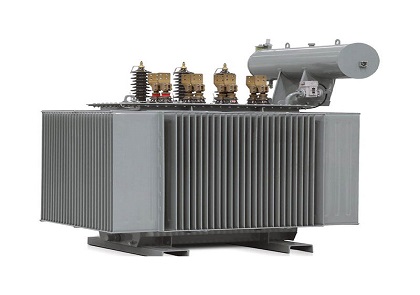
Oil-Immersed Transformer
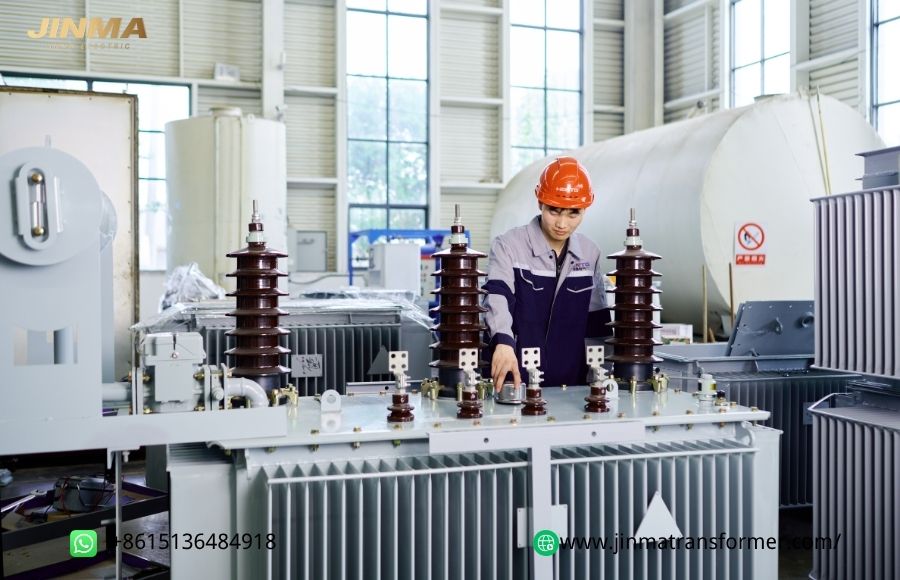
Oil-immersed transformer is the most mature technology in the field of electric power, and the most widely used mainstream transformer equipment in the market. Equipment to mineral oil or synthetic ester oil as insulation and heat dissipation medium, the core, winding core components completely immersed in insulating oil, relying on the oil circuit to continue to complete the heat exchange and cooling.
The mainstream cooling methods include natural oil cooling, natural air cooling (ONA) and forced air cooling (ONAF). With excellent load adaptability, the equipment can meet the demands of large capacity and high load conditions, and is suitable for outdoor all-weather and long-term stable operation.
Application Scenarios
- Outdoor power grid distribution: widely used in outdoor substations, rural agricultural networks and urban outer ring distribution networks, adapted to the complex outdoor operating environment, is the core equipment to support the stable operation of the outdoor distribution system in the whole region.
- Large energy power station: as the core main transformer equipment, it can be used to support thermal power, hydropower and large-scale new energy centralized power stations to meet the demand for large-capacity power boosting, convergence and transmission of energy bases, and to ensure the stable grid-connected power generation of power stations.
- Heavy industry power supply: deeply adapted to industrial and mining, metallurgy, chemical industry and other heavy industry scenarios, can withstand high power, high load, continuous industrial power loads, adapted to harsh production conditions, to provide reliable power support for stable industrial production.
- High-voltage backbone transmission: It is suitable for high-voltage and ultra-high-voltage long-distance transmission system, effectively reduces long-distance transmission loss, improves the transmission capacity and transmission efficiency of the power grid, and provides a solid guarantee for the inter-regional dispatch of large-capacity power and long-distance transmission.
Furnace Transformer
Furnace transformer is a heavy-duty special step-down transformer suitable for metallurgical high-temperature smelting conditions, specially designed for electric arc furnace, induction furnace and other smelting core equipment supporting design, is an indispensable special power supply equipment for metallurgical industry.
The equipment has typical low-voltage high-current output characteristics, can withstand frequent overloads, instantaneous short circuits, sudden changes in load and other extreme impact conditions in the metallurgical production process, and has a strong ability to resist disturbances and adapt to the conditions, which makes it an indispensable core power supply equipment for iron and steel smelting, alloy processing, special metallurgy and other industrial fields.
Application Scenarios
- Iron and steel metallurgy smelting: It is specially designed to provide exclusive voltage stabilized power supply for core smelting equipments such as electric arc furnace and metal induction melting furnace in iron and steel mills, stabilizing the voltage of smelting working conditions and guaranteeing continuous smooth and efficient steel smelting production.
- Power supply for refining furnaces: accurately adapting to the high standard power demand of refined smelting equipment such as ladle refining furnaces and vacuum electric arc furnaces, accurately stabilizing and regulating the voltage to meet the strict power supply standards of the refining process of high-quality steel.
- Special alloy smelting: widely adapted to high-temperature smelting scenarios of various types of special alloys, such as ferroalloys and carbide materials, and can be adapted to high-temperature, high-load smelting conditions to provide reliable electric power support for the industrialized production of special alloys.
- Industrial high-temperature heating: adapted to special high-temperature processing scenarios such as glass melting and industrial high-temperature heat treatment, which can withstand continuous high-load power consumption conditions and ensure stable and compliant operation of various industrial high-temperature heating processes.
Conclusion
In the actual power engineering landing scene, there is no universal transformer suitable for all working conditions, combined with on-site power demand, operating environment and load characteristics of accurate selection, is the core key to ensure the efficient operation of the power system.
Fully grasp the working principle, performance advantages and disadvantages of various types of transformers and applicable boundaries, from the source of equipment selection to build a firm foundation for the safe and stable operation of the power grid, effectively reduce the system energy consumption and the full cycle of operation and maintenance costs, to realize the power system security, high efficiency, economic operation.