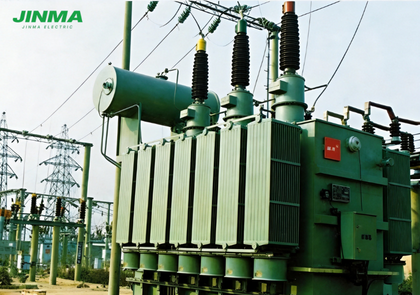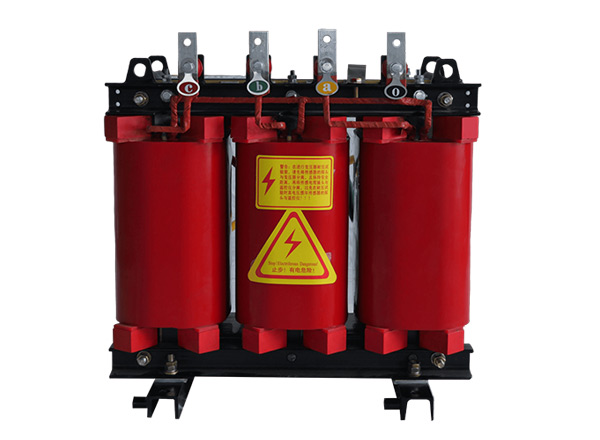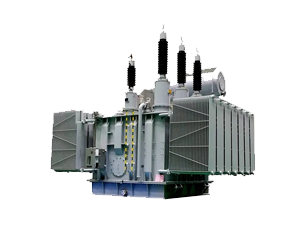


Transformer oil is the core medium of oil-immersed transformers, which has both insulation and heat dissipation functions. Changes in the appearance of the oil can visually reflect the internal state of the equipment.The blackening of the oil during the inspection is a high-level early warning, which indicates the deep deterioration, pollution or internal failure of the oil product.
If it is not dealt with in time, it can easily cause equipment accidents.This article will introduce the identification and operation and maintenance control points of transformer oil blackening from the aspects of oil color classification, causes, hazards, detection, disposal and prevention.
What Does Black Transformer Oil Mean?
The blackening of transformer oil (dark brown to black) is a serious early warning signal: it means that the oil has been deeply degraded, contaminated, or there is a failure inside the transformer, and the insulation and cooling performance are probably damaged. It needs to be investigated and dealt with immediately, and it cannot continue to operate with illness.
The blackening of oil products essentially reflects three levels of problems:
- Impaired insulation properties: blackening indicates an increase in oxidation products, carbon particles, acids and moisture in the oil. These impurities significantly reduce the breakdown voltage and dielectric strength of the oil, weaken its insulation ability, and increase the risk of discharge and breakdown.
- Cooling performance degradation: The viscosity of the degraded oil product increases, and it is easy to generate sludge, which attaches to the surface of the winding, iron core and radiator, hindering heat dissipation and forming local hot spots, further accelerating aging.
- Internal fault signal: Black oil is often accompanied by internal arc, partial discharge, overheating and other faults. If not dealt with, it may escalate from minor deterioration to serious accidents such as short circuit, fuel tank rupture, and even fire and explosion.
Therefore, once the transformer oil is found to be blackened, it should be regarded as a high-priority warning that the equipment is in a critical state, and the root cause should be locked through sampling and testing as soon as possible and rectification measures should be taken.
Normal color Vs.Abnormal color
- Newly refined mineral oil: the appearance is clear and translucent, with a light yellow or straw color, which is the standard state of brand new qualified transformer oil.
- Light yellow / amber: The oil is in a normal state, only slight aging occurs, and there is no significant risk of deterioration.
- Light brown~medium brown: The degree of oxidation or pollution of oil products has increased, and the frequency of inspections and oil sample inspections needs to be increased, and changes in indicators need to be closely tracked.
- Dark brown to black: The oil product has deteriorated severely, and the transformer equipment has entered critical working conditions, and it must be stopped for diagnosis as soon as possible.
- Appearance characteristics of blackened oil: The color of the oil is similar to espresso or tar, and a large amount of soot-like solid impurities are suspended inside.
Common Reasons Why Transformer Oil Turns Black
Oxidative aging
Under the combined action of heat, oxygen and moisture for a long time, transformer oil will undergo chemical decomposition, resulting in organic acids, sludge and non-ferrous by-products.Every time the oil temperature rises by 8-10℃, the oxidation rate will be significantly accelerated; the copper and iron metal components in the windings and iron cores will also play a catalytic effect, further accelerating the deterioration process.
Electrical failure produces carbon particles
The free carbon particles are evenly suspended in the transformer oil, which will directly change the appearance and color of the oil, causing the oil to turn black rapidly. This phenomenon is a sudden and serious oil deterioration phenomenon, indicating that a high-energy failure has occurred inside the transformer.
The free carbon particles are evenly suspended inside the oil, which will quickly change the color of the oil and make it quickly blacken. This is a typical manifestation of sudden and serious oil deterioration.
Impurity pollution
When the fuel tank seal leaks and the on-site operation and maintenance operation is not standardized, dust, metal debris and water vapor will invade the transformer oil chamber, speeding up the oxidation and blackening of the oil and spawning sludge.The sludge continues to attach to the surface of the internal components of the transformer, continuously amplifying the deterioration problem, forming a vicious circle of self-intensification.
Thermal stress
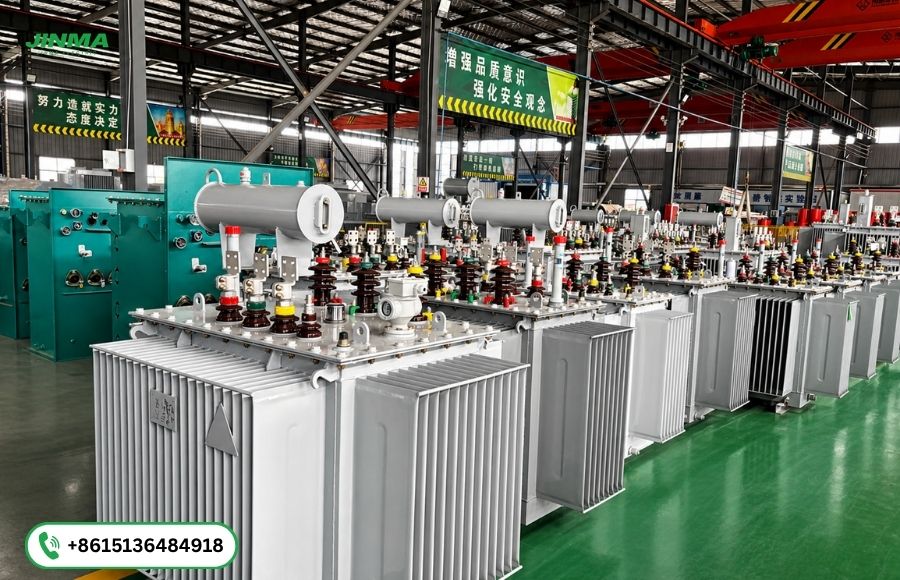
Long-term overload operation of the transformer or the failure of the cooling system will produce local high temperature hot spots inside the equipment, causing the cracking and carbonization reaction of the insulating oil.Continuous high temperature will also destroy the cellulose paper insulation inside the transformer, causing it to decompose and release a large number of degraded impurities into the oil, which will continue to increase the degree of oil pollution.
Other incentives
After the paper insulation undergoes deep aging and degradation, a large number of non-colored degradation products will be released and mixed into the oil; the amount of oil filled in the transformer exceeds the standard, which will change the breathing space of the oil pillow and increase the chance of contact between the oil and the air.;
At the same time, the copper and iron metal components in the windings and iron cores will have catalytic effects in high temperature environments.The above multiple factors are superimposed on each other, continuously speeding up the oxidation and decomposition of transformer oil, causing the oil to deteriorate and change color.
Can Black Transformer Oil Damage Your Transformer?
Decrease in insulation strength
The carbon particles, organic acids, sludge deposits and moisture in the oil will greatly reduce the breakdown voltage of the transformer oil.After the performance of the insulating medium is attenuated, it can easily induce partial discharge and flashover phenomena, which directly cause insulation breakdown in severe cases and threaten the safe operation of the transformer.
Cooling and heat transfer capacity deteriorates
The sludge produced by the oxidation of the oil product will attach to the winding, iron core, and the inner wall of the radiator, hindering heat transfer and spawning local hot spots.High temperature will further exacerbate the deterioration of oil products and the generation of sludge, forming a vicious circle, and in extreme cases, thermal runaway will occur.
Corrosion of equipment components
The acidic substances generated by the oxidation of oil products will continue to corrode the copper windings, while eroding the insulation of cellulose paper, weakening the mechanical strength and electrical properties of the insulation materials.When the situation is serious, a conductive path will be formed, inducing a major catastrophic failure.
Accelerate the aging of solid insulation
The deteriorated transformer oil loses its ability to protect the paper insulation.Under the combined action of moisture, acidic substances and high temperature, the polymerization degree of paper insulation decreases rapidly, and the material is brittle and aging, which directly shortens the overall service life of the transformer.
Increased risk of sudden equipment failure
Blackened transformer oil often means that there is a fault inside the transformer.If it continues to operate with faults, the problem will continue to worsen, which in turn will cause short circuits, leakage and rupture of fuel tanks, and in severe cases, major safety accidents such as fire and explosion will be caused.
Black Transformer Oil Troubleshooting: A Step-by-Step Process
The first step: safety assessment + initial appearance inspection
- Investigate safety hazards: Comprehensively investigate on-site hazard signals, and focus on observing whether the transformer has oil leakage and oil accumulation, internal abnormal noise, abnormal oil temperature spikes, and gas relay trigger actions. These phenomena represent that the equipment has an emergency risk.
- External inspection: Carry out exterior inspections of transformers, check oil level readings, check the status of cooling systems such as radiators and fans, silicone respirators, and gaskets, and carefully check the position of valves and sleeves for oil traces and sludge accumulation.
- Record working conditions: completely record the real-time load and ambient temperature of the transformer, and organize historical overload records, past fault events and maintenance files at the same time; once high-risk working conditions are identified, the equipment needs to be cut off and isolated immediately, and professional and technical personnel are notified to deal with it on the spot.
Step 2: Standardize the collection of oil samples
- Sampling equipment: choose a clean airtight sampling bottle or a special syringe for DGA dissolved gas analysis. The equipment needs to be cleaned and dried in advance to avoid impurities mixing into the sample, effectively prevent the escape of faulty gases in the oil sample, and ensure that the test data is true and reliable.
- Sampling operation: Fully rinse the sampling valve before formal sampling to discharge the residual oil accumulated in the valve chamber; priority is given to collecting oil samples from the bottom sewage valve to facilitate the detection of sludge and solid particle impurities. If necessary, simultaneous sampling can be carried out in the main fuel tank and the oil storage cabinet for multi-point comparison and analysis.
- Sample preservation and delivery for inspection: After the sampling is completed, do a good job of sealing and protection to isolate the interference caused by air, water vapor and light. The oil sample needs to be sent to an authoritative laboratory for testing within 24-72 hours to avoid changes in the composition of the sample.
- Information recording: Complete collection and recording of the oil temperature, oil level readings and real-time operating conditions of the transformer at the moment of sampling, to provide a supporting reference basis for the comprehensive research and judgment of subsequent laboratory results.
Step 3: A full set of laboratory oil products testing
| Test Item | Significance | Attention Threshold (In-service Oil) |
| Dissolved Gas Analysis (DGA) | Identify fault types (arcing, overheating, partial discharge, paper insulation aging) | Trace acetylene requires caution; total combustible gas increases |
| Breakdown Voltage (BDV) | Insulation performance | Risk exists below 20–30 kV |
| Total Acid Number (TAN) | Oxidation level | >0.15–0.20 mg KOH/g requires treatment |
| Interfacial Tension (IFT) | Contaminants and oxidation products | <22–25 mN/m needs attention |
| Water Content | Water ingress and contamination | >25–35 ppm (varies with voltage level) |
| Color ASTM D1500 | Overall aging and contamination | Color usually>5–8 when oil darkens |
| Particle Count / Sediment | Carbon, metal and sludge impurities | Visible solid particles or excessive particle count |
| Dielectric Dissipation Factor | Polar contaminants | Rising value indicates degradation |
Interpretation method: Dewar triangle diagram, Rogers ratio, IEEE C57.104, IEC 60599, it is recommended to combine expert interpretation.
Step 4: comprehensive interpretation, locate the root cause
- High acetylene content + detection of carbon particles: High content of acetylene was detected in the oil sample and accompanied by carbon particles, indicating that serious faults such as arc and high-energy discharge occurred inside the transformer.
- Increase in ethylene and ethane content + High temperature characteristics: The indicators of ethylene and ethane increase synchronously, accompanied by abnormal temperature, indicating that the equipment has local thermal failure and overheating defects.
- The acid value is high, the interfacial tension is low, the oil is blackened, and the faulty gas does not increase significantly: most of these situations are caused by the deep oxidation of the oil, which is caused by the long-term accumulation of oxygen, high temperature, and moisture.
- High moisture content + detection of solid particles: The moisture and solid particles in the oil exceed the standard, generally due to leakage of the fuel tank seal, failure of the respirator, and invasion of external water vapor and impurities, causing external pollution.
- The value of CO/CO上升 rises: carbon monoxide and carbon dioxide continue to rise, which means that the cellulose paper insulation material inside the transformer is undergoing degradation and aging.
- Comprehensive judgment points: When analyzing the results, compare the trend of changes in historical oil sample detection data, and do not rely on the appearance and color of the oil to determine the fault separately.
Step 5: Formulate a plan based on the diagnosis results.
- Moderate and mild oxidation pollution: vacuum dehydration, filtration and degassing processes are used to treat it; when the acid value is high, clay regeneration technology can be used to restore the oil performance indicators, and antioxidants can be added according to the actual situation.
- Severe deterioration, electric arc produces a large number of carbon particles: the fuel tank and winding are rinsed and cleaned and replaced with new oil. Under such working conditions, the effect of oil regeneration treatment is limited.
- Confirm that there is an internal fault: carry out electrical tests such as winding resistance, variable ratio, SFRA, and casing dielectric loss, and carry out core maintenance if necessary, and can be put back into operation after the fault is repaired.
- Eradicate incentives: repair sealing leakage defects, overhaul the cooling system, replace saturated and failed respirators, eliminate overload problems, and block oxygen and water vapor from continuing to enter the interior of the equipment.
What Should You Do When Transformer Oil Turns Black?
Immediate disposal measures
- Safety priority disposal: If the equipment has abnormal noise, a sharp increase in oil temperature, oil leakage, protection relay action, etc., the equipment should be immediately powered off and isolated, and a professional operation and maintenance service provider should be contacted.
- Appearance inspection: Carry out on-site appearance inspection, verify the status of oil levels, radiators, fan pump sets, respirators and seals, and record load, temperature, and equipment operation history information simultaneously.
- Standardized sampling: Collect oil samples from the bottom valve, use an airtight container to collect DGA test samples, do a good job of air isolation protection, and send them to the laboratory for inspection as soon as possible.
Laboratory diagnosis
Carry out a full set of oil product testing projects, including DGA dissolved gas analysis, breakdown voltage, acid value, interfacial tension, moisture, color and particle size testing.
The evaluation is carried out with reference to relevant IEEE/IEC standards, and the test results are comprehensively interpreted by professionals. The color of the oil is only used as an auxiliary reference index.
Implement rectification based on test results
- Moderate oxidation pollution, no high-risk failure gas: the oil is treated by vacuum dehydration filtration and clay regeneration process, and antioxidants are added as needed to restore the oil’s performance indicators.
- A large number of carbon particles, sludge or confirmed arc faults: replace the new oil after thoroughly cleaning the inside of the transformer, and give priority to troubleshooting and repairing internal electrical or overheating faults.
- Root out the source: do a good job of plugging leaks, overhaul the cooling system, replace the failed respirators, and solve the root causes of water inlet, oxygen intake, and equipment overload.
Operation and maintenance retest
- Re-test the oil sample to confirm the recovery of the index: After the oil product treatment is completed, re-test the oil sample to confirm that the performance indicators are restored to the qualified range, and then carry out subsequent power transmission operations.
- Step-by-step power transmission and tracking sampling: The step-by-step power transmission method is used to put into operation, and continuous sampling and monitoring are carried out to track changes in the state of the oil.
- Restore or encrypt regular oil inspections, and keep complete operation and maintenance records: resume normal oil inspections, increase the frequency of inspections if necessary, and archive all operation and maintenance and inspection data in a complete manner.
How to Prevent Transformer Oil from Turning Black Prematurely
Control operating temperature
- Avoid long-term overload: it is strictly forbidden for the transformer to run overloaded for a long time; every time the oil temperature rises by 8-10℃, the oxidation rate will increase exponentially.
- Regular cleaning of radiators, fans, and oil pumps: Clean up radiators, fans, and oil pumps on time to ensure that the entire cooling system is in good condition.
- Monitor the oil temperature and winding temperature of the top layer: continuously monitor the oil temperature and winding temperature of the top layer, investigate local hot spots in time, and ensure that the transformer has good ventilation conditions.
Reduce oxygen intrusion
- Priority is given to the use of sealed structures (diaphragm oil storage cabinets or nitrogen protection): Priority is given to the use of sealed structures such as diaphragm oil storage cabinets or nitrogen protection to reduce air and oil contact.
- Maintain gaskets and sleeves to prevent air leakage: regularly overhaul gaskets and sleeves to eliminate air leakage defects and isolate external air intrusion.
- The open transformer keeps the silicone respirator effective and replaces it in time when it is saturated: For the open transformer, the silicone respirator is guaranteed to work normally. Once the silicone adsorption is saturated, replace it immediately.
- Old equipment can be equipped with online degassing and nitrogen protection systems to reduce dissolved oxygen: old transformers can be equipped with online degassing and nitrogen protection devices to reduce the dissolved oxygen content in the oil and delay the oxidation of oil products.
Strictly control moisture
- Accelerated oxidation of moisture and aging of paper insulation: Moisture will accelerate the oxidation of oil products and the aging of paper insulation; when the moisture in the oil exceeds the standard, vacuum dehydration and filtration treatment can be used to control the moisture at a level far below the standard limit.
- Plug leaks in time and maintain the respiratory system: deal with leakage defects in a timely manner, and maintain breathing components such as respirators; important transformers can be installed with molecular sieve online dewatering devices to continuously control the moisture in the oil.
Antioxidant management
Filling Type II antioxidant-containing mineral oil (DBPC/BHT): Choose Type II mineral oil with DBPC/BHT antioxidants for filling.
Regularly detect the content of antioxidants and replenish them in time when they are below the threshold value;
antioxidants must be added again after the oil is regenerated: regularly monitor the concentration of antioxidants in the oil, and replenish them in time when the index is below the threshold value; after the oil is regenerated, the antioxidant needs to be added again.
Normal petroleum product monitoring
- Regular annual oil inspections, increased frequency of heavy-duty/key equipment: Perform annual routine oil quality inspections, and appropriately increase the frequency of inspections of heavy-duty and key equipment. The inspection items include DGA, acid value, interfacial tension, moisture, breakdown voltage, color and particle size.
- Monitor the trend of indicators: track the changes in indicators. Once the acid value rises, the interfacial tension drops, and the oil slowly changes color, filter or regenerate in time to prevent the oil from turning black.
- Establish a complete historical data file for a single transformer: establish a complete oil inspection historical file for each transformer to facilitate long-term comparison and analysis of the oil status of the equipment.
Control impurity pollution and electrical stress
- Use filtered and qualified oils for oil replenishment and filling; dust-proof and impurity-proof at the maintenance site: Oil that has passed the filter inspection is used during the oil replenishment operation, and dust-proof control is done at the maintenance site to prevent impurities from entering the fuel tank.
- Deal with partial discharges and DGA abnormalities in a timely manner to avoid the generation of carbon particles: Once partial discharges and DGA abnormalities are found, they need to be dealt with in time to prevent the generation of carbon particles; ensure that the grounding and protection system are always in good condition.
Other best practices
- Choose high-quality antioxidant mineral oil that meets IEC 60296 and ASTM D3487 standards: Please choose high-quality antioxidant mineral insulating oil that meets IEC 60296 and ASTM D3487 specifications.
- Vacuum oiling is used for new installation / overhaul to reduce residual air moisture: After the new equipment is put into operation or overhaul, the vacuum oiling process is implemented to reduce the residual air and moisture content in the fuel tank.
- Long-term idle equipment adopts nitrogen protection and strictly controls moisture: Long-term outages and idle transformers can adopt nitrogen protection schemes to strictly control moisture intrusion.
- Daily inspections: oil level, leakage, respirator status, and oil color visual inspections: daily inspections focus on checking oil level, leakage, and respirator working conditions, and visually observe changes in oil color.
Common Mistakes to Avoid When Transformer Oil Turns Black
- Ignore discoloration and delay treatment: simply think that it is just the aging of the oil product, wait until the scheduled maintenance and then deal with it, and the continuous operation will cause irreversible damage to the insulation and sudden failure.
- Rely only on visual observation to judge: the color is only a rough indicator, the dark oil index may be acceptable, and the light oil may also have hidden faults. Laboratory testing (DGA, acid value, interfacial tension, moisture, breakdown voltage) must be matched.
- Sampling operation is not standardized: the sampling valve is not flushed, the container is not clean, the DGA sample is leaking and damp, and the sample delivery is delayed, resulting in distortion of the test results and incorrect decision-making.
- Only deal with oil samples and do not find the root cause: simply filter or change the oil, and do not identify the causes of blackening (arc, overheating, water inlet, oxidation), and the oil will turn black again in a short period of time.
- Wrong choice of oil treatment method: high acid value, low interfacial tension, only simple vacuum filtration, no clay regeneration is used; after the oil is regenerated, the antioxidant is forgotten to be added, and the oil is quickly oxidized again; the arc carbonization is serious, the oil is only cleaned, and the internal electrical failure is not repaired.
- Continue to operate when there is an active fault: DGA detects faulty gases such as acetylene, abnormal noise and high temperature, and protects the relay action. Do not run with load while waiting for the test, and power off in time.
- Incompatible oils for oil replenishment mixing: add oils with inconsistent models, no antioxidants or different formulas to accelerate deterioration and discoloration
- Only focus on oil products and ignore supporting operation and maintenance: the root causes of respirator saturation, seal leakage, radiator clogging, overload and poor ventilation are not dealt with, and the oil still deteriorates rapidly after treatment.
- Skip post-treatment retest and follow-up monitoring: no retest of oil samples after oil change/regeneration, lack of follow-up sampling to establish a baseline, unable to confirm whether the fault is completely eliminated
- It is directly determined to be scrapped or qualified by color alone: some dark-colored oleic acid values and interfacial tension are still up to standard; some light-colored oils have deteriorated.The final judgment must be combined with a full set of laboratory data, IEEE/IEC standards and historical trends. Comprehensive judgment
Conclusion
In summary, the blackening of transformer oil is an important early warning signal of equipment. The fault cannot be determined by the oil color alone. It needs to be combined with oil sample testing, electrical testing and comprehensive evaluation of equipment working conditions.During operation and maintenance, the oil quality should be monitored normally, and the causes of deterioration such as temperature, moisture, and oxygen should be controlled to achieve early detection and early disposal.
Once it is confirmed that the oil is seriously blackened, the safety disposal process must be strictly implemented, and the root cause of the internal failure must be investigated before the oil treatment or replacement can be carried out.Only by controlling the whole cycle of transformer oil can we effectively avoid major risks such as insulation failure, overheating, and discharge, and ensure the long-term safe and stable operation of oil-immersed transformers.