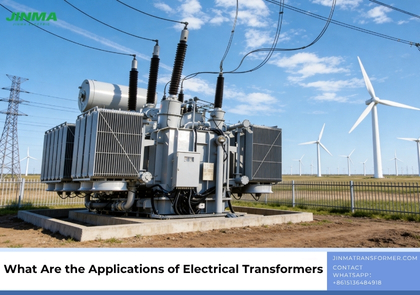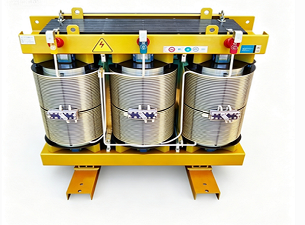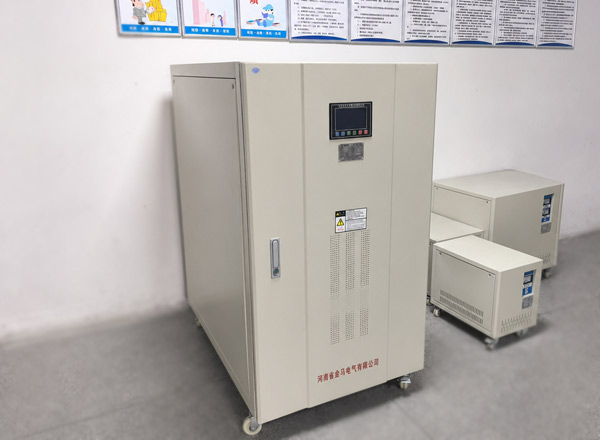


An electrical transformer is a static electrical device that transfers electrical energy between circuits through electromagnetic induction while changing voltage levels without changing frequency. The electrical transformer is responsible for power transmission, voltage regulation and electrical safety. This article will explain the full range of electrical transformers is what to help beginners, electrical practitioners, engineering procurement personnel to fully understand the relevant knowledge of power transformers, while answering the industry high-frequency questions.
What is a electrical transformer? Key features
Electrical transformer is a kind of static passive electrical equipment, no mechanical moving parts, relying on the principle of electromagnetic induction in the transfer of AC power between two or more circuits. The current frequency will not be changed in the operation process of the equipment. The core function is to flexibly lift the voltage and meet the power demand of different power systems.
Unlike active electrical equipment such as generators and motors, transformers do not generate electricity by themselves and do not consume large amounts of electricity. It is only used as an electric energy “transfer conversion equipment” to efficiently complete the transmission and voltage adaptation of AC electric energy, and the operating efficiency can reach 95%-99% under normal working conditions.
In addition, core characteristics of electrical transformers is electrical isolation. Its primary side and secondary side circuit have no direct conductive connection, only through magnetic field coupling to transfer energy, can effectively isolate the high-voltage power grid and terminal electrical equipment, greatly reduce the risk of leakage, short circuit, electric shock, is the key equipment of power system safety protection.
With the 3 core capabilities of voltage transformation, efficient transmission of electric energy and electrical safety isolation, transformers run through the whole chain of power generation, transmission, distribution and consumption, which is the core premise for the large-scale popularization of modern AC power system.
The working principle of electrical transformer
All the operation logic of electrical transformer relies on Faraday’s law of electromagnetic induction and mutual inductance principle, and is only applicable to AC working conditions. DC power generation periodic change of the magnetic field, because of this transformer can not carry out voltage conversion of DC power, which is the core of the operation limit. The full-range realization of “electric energy-magnetic energy-electric energy” is a non-damaging and efficient conversion.
- The primary winding is connected to the AC power supply. After the alternating current passes through the coil, a periodically changing alternating magnetic field will be generated around the winding. The strength and direction of the magnetic field change continuously with the current, forming a stable alternating magnetic flux.
- The electrical transformer core will concentrate and guide the alternating magnetic flux, greatly reducing the magnetic field loss, so that most of the magnetic flux can pass through the primary side and secondary side windings at the same time, realizing the efficient magnetic coupling of the two coils. The laminated core structure can effectively suppress the eddy current loss and ensure the efficient operation of the equipment.
- The changing magnetic flux passes through the secondary side winding. According to the law of electromagnetic induction, the induced electromotive force will be induced inside the coil, which will generate a stable output voltage and complete the secondary conversion of magnetic energy to electrical energy.
- When the secondary side is connected to the electrical load, the loop generates a continuous current, and the electrical energy can be output stably, completing the entire power transmission and voltage conversion process.
The core basis of the voltage conversion is the turns ratio formula: Vs/Vp = Ns/Np. In simple terms, the secondary side coil turns more than the primary side, that is, the step-up transformer.
In an ideal operating state, the input power and output power of the transformer are basically the same, and the voltage and current are inversely proportional to the change. The current is reduced while boosting, and the current is increased while stepping down, which is also the core principle that long-distance transmission can reduce losses. The overall stability and efficiency are extremely high.
Why is electrical transformer important in modern power grid?
In the modern power system, there is no alternative equipment for the transformer, which is the core pillar of the efficient, safe and stable operation of the power grid. Its core value is reflected in the three dimensions of energy saving, safe electricity consumption and grid adaptation.
The transformer completely solves the problem of long-distance transmission loss. According to the principle of electromechanics, low voltage and high current transmission will produce great line heat loss, and the longer the distance, the higher the loss. By raising the voltage and reducing the current through the step-up transformer, the long-distance transmission loss can be controlled at a very low level, making cross-regional and cross-provincial transmission a reality.
The transmission voltage of the power grid is as high as hundreds of kilovolts, which cannot be directly used in terminal equipment. Through the step-by-step step-down of multi-stage transformer, high-voltage electric energy can be converted into safe voltage in different scenarios, taking into account the transmission efficiency of the power grid and the safety of terminal electricity. In addition, the voltage adaptation capability of electrical transformer allows the same set of high-voltage power grid to adapt to different voltage requirements such as power generation, transmission, industry, and civil use, greatly improving the versatility and flexibility of the power grid, and supporting large-scale, standardized power system construction.
3 Key Electrical Transformer Components and Functions
The core components of the electrical transformer determine whether the equipment can work normally, and the auxiliary components ensure the stability, safety and service life in the industrial scenario.
Iron core
The core is the core of the magnetic circuit of the transformer, which is generally made of grain-oriented silicon steel thin laminations. Its core function is to close the magnetic flux, reduce the magnetic resistance, provide a stable conduction path for the alternating magnetic field, and greatly reduce the leakage of magnetic flux and eddy current loss, which is the basis for ensuring the efficient operation of the equipment. At the same time, the iron core can also provide mechanical support for the winding and improve the structural stability of the equipment.
Winding
The winding is divided into primary side winding and secondary side winding, mostly using high conductive copper wire or high quality aluminum wire winding. The primary side winding is responsible for accessing input electric energy and exciting alternating magnetic field, and the secondary side winding is responsible for inducing voltage and outputting adaptive electric energy. The number of turns and wire diameter of the coil directly determine the voltage ratio, current carrying capacity and load adaptation range of the transformer.
Insulation system
The insulation system is the key barrier for the safe operation of electrical transformer, including wire insulation, insulation cardboard, insulation paper, insulation oil and other materials. It can completely isolate the primary side, secondary side winding and iron core, shell, put an end to short circuit, leakage, breakdown fault, is to avoid transformer fault, extend the life of the equipment core guarantee. Most transformer faults are essentially caused by aging and damage of insulating layer.
What are the common types of electrical transformers?
Electrical transformers are rich in categories, the industry will be classified according to voltage function, application scenario, cooling mode, phase number and other dimensions, different types of electrical transformer adaptation scenarios, performance characteristics vary greatly, is the core basis for engineering selection.
Classification by voltage conversion function
Step-up transformers are mainly used in power plants and new energy power stations. The medium and low voltage electric energy output by the generator can be increased to 110kV, 220kV or even higher transmission voltage, and the heat loss of long-distance transmission can be minimized by reducing the transmission current. Step-down transformer is the most commonly used type in civil and industrial scenarios. It is widely used in substations at all levels and community distribution areas to reduce the high-voltage transmission voltage step by step and finally convert it into standard voltages available at terminals such as 380V and 220V, which are suitable for daily power consumption and power supply of industrial equipment.
Classification by application scenario and power level
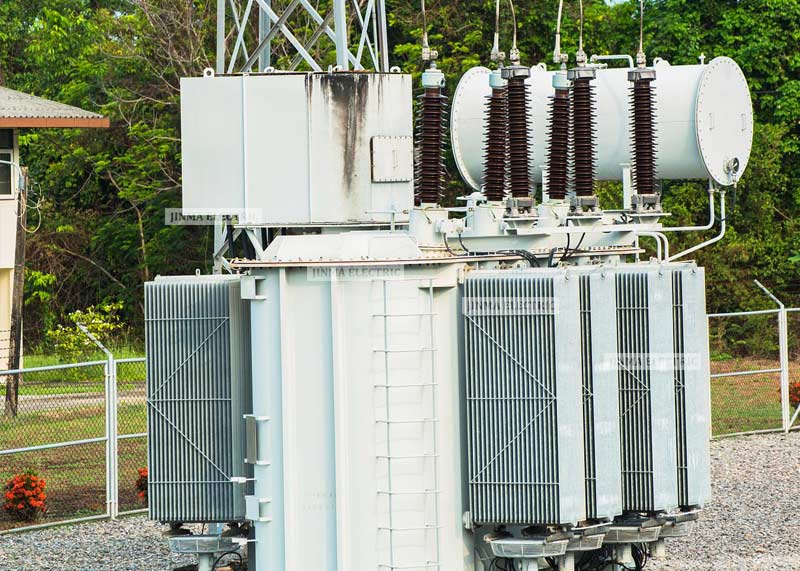
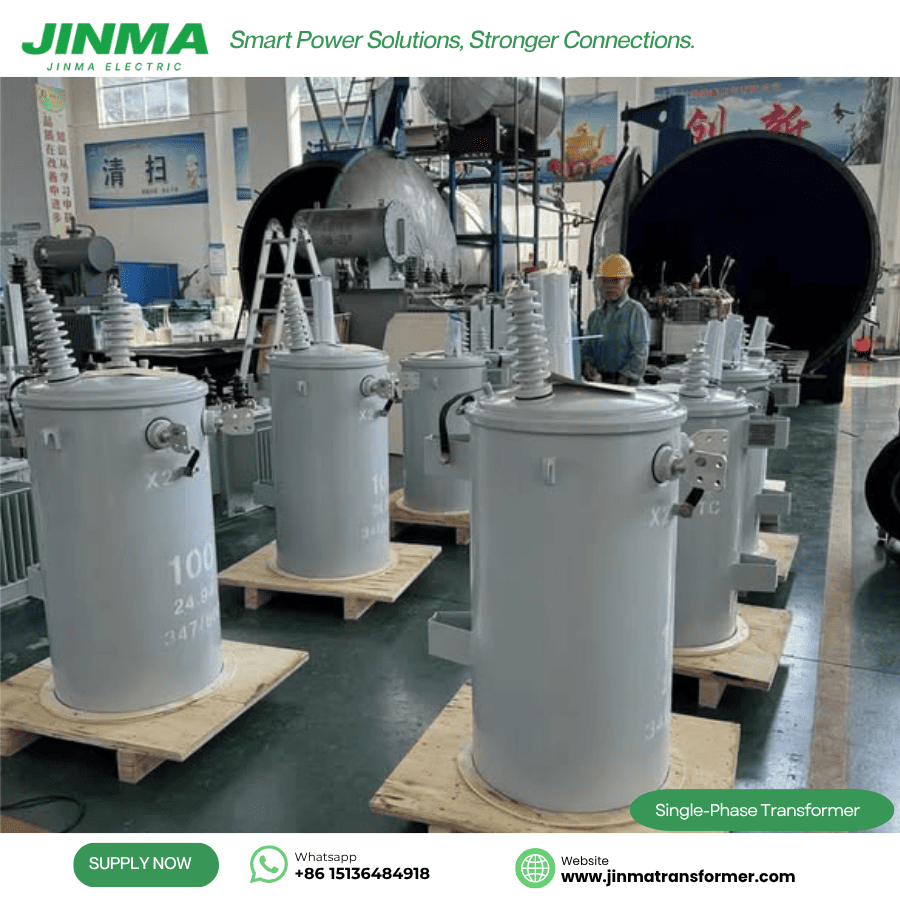
Electrical transformers are large-scale high-power equipment with a rated capacity of several MVA to hundreds of MVA. They are mainly deployed in power grid backbone substations and power stations to undertake power transmission and voltage conversion tasks of the regional backbone power grid and support long-term full-load operation of the power grid. Distribution transformers for small and medium-sized equipment, is the terminal power distribution core equipment, common pole-on-type, floor-mounted installation form. It mainly serves residential areas, commercial streets and small and medium-sized factories to complete the final voltage step-down and ensure the safe use of electricity by end users.
Classification by cooling and insulation method
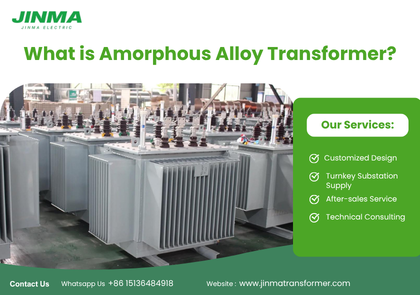
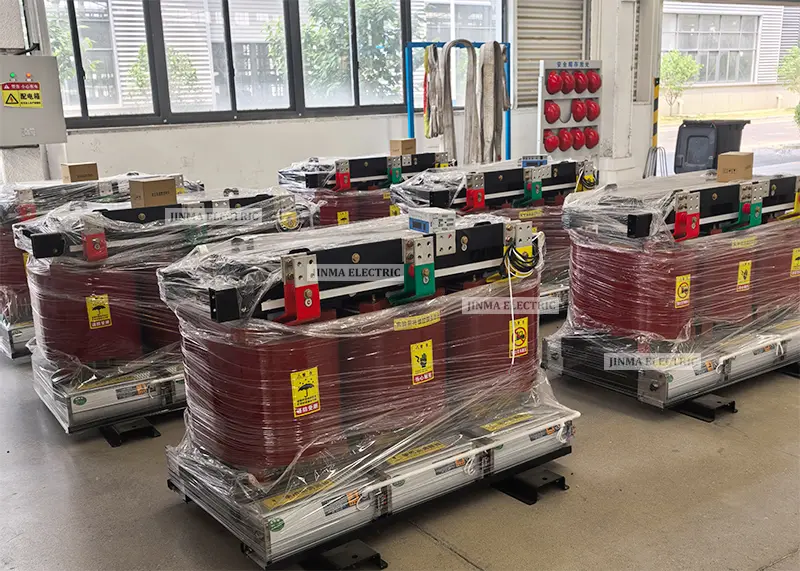
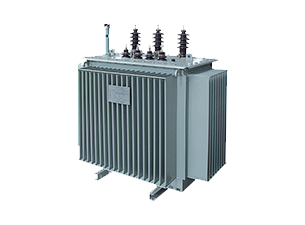
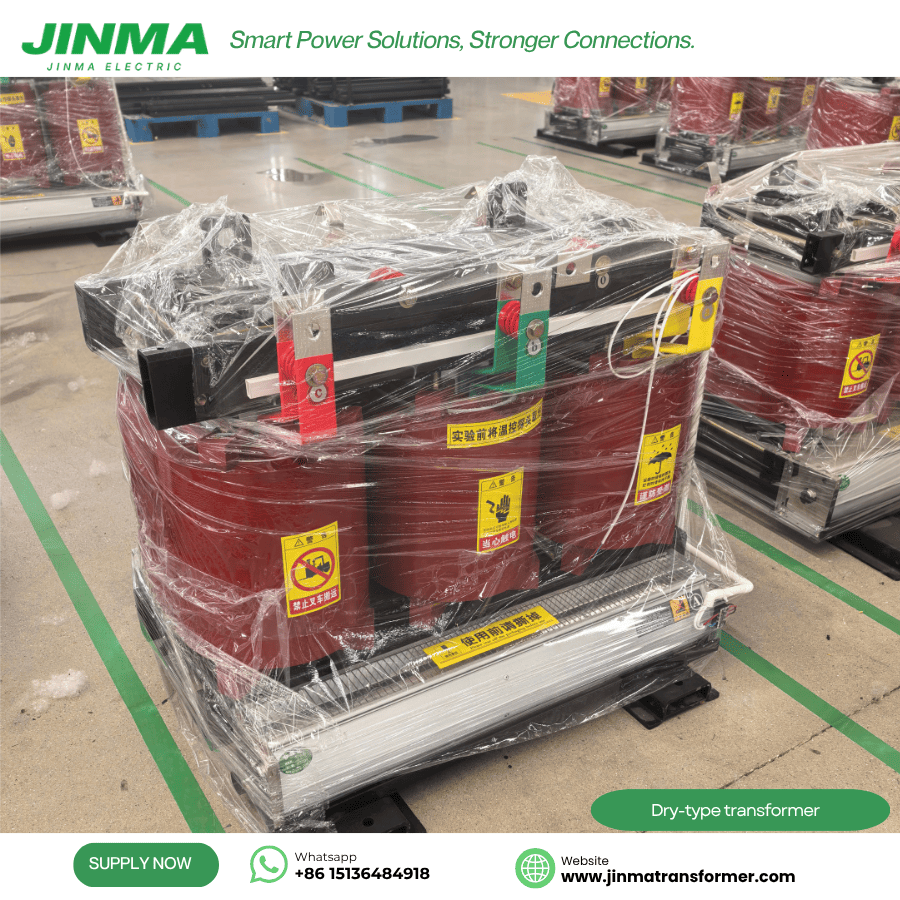
Oil-immersed transformers rely on insulating oil to complete heat dissipation and insulation, with good heat dissipation effect, strong bearing capacity and high cost performance. They are suitable for outdoor, field and high-power power grid scenarios. They are the mainstream choice for power transmission and distribution projects and are suitable for long-term operation in harsh outdoor environments. Dry-type transformer adopts epoxy resin pouring, vacuum impregnation and other solid insulation process, no liquid insulating oil. It has the advantages of fire prevention, explosion prevention, no pollution and low noise, and is mainly used in indoor, shopping malls, hospitals, data centers, office buildings and other scenes with strict fire safety requirements.
What industry are electrical transformers used?
From large-scale power grid infrastructure to small electronic equipment, the application of power transformers runs through all power consumption scenarios, and is the basic supporting equipment for the electrification and intelligent development of the whole industry, covering almost all areas that require power transmission and conversion.
Power grid power generation and transmission and distribution field
Electrical transformer in power generation and transmission and distribution is also the fundamental guarantee for power grid to realize large-scale and long-distance power supply. Traditional thermal power generation, hydropower, nuclear power generation and other traditional power plants, the unit power generation voltage is generally only 11kV-25kV, the voltage level can not meet the demand for long-distance transmission. If the direct low-voltage transmission, will produce a huge line heat loss, resulting in a large amount of power waste.
Therefore, all power stations will be equipped with large-scale step-up power transformers to raise the medium and low voltage power output from the units to 110kV, 220kV, 500kV and even 765kV ultra-high voltage transmission levels. Through the principle of high-voltage low-current transmission, I²R loss in long-distance transmission is minimized, so that power can be stably transmitted across cities and provinces. When the electric energy is transmitted to the electricity-using area, all levels of transmission substations and distribution substations will reduce the ultra-high voltage electric energy step by step through multi-stage step-down transformers to complete the hierarchical distribution of power in the grid.
Wind power and photovoltaic power generation are intermittent and volatile new energy power sources, which are greatly affected by weather, time period and environment. The output voltage and power are unstable and cannot be directly integrated into the public power grid. Special new energy step-up transformers and grid-connected transformers can stabilize, rectify and adapt the fluctuating electric energy of wind power and photovoltaic, and convert unstable electric energy into stable electric power in line with the national grid standard.
Civil and Commercial Construction
Urban and rural civil power distribution is the application scenario with the highest penetration rate of transformers and the closest to public life. The voltage of the public high-voltage transmission network is as high as tens to hundreds of kilovolts, which is extremely dangerous and cannot be used directly in households. Urban and rural power supply system will be through a large number of column, buried, box-type distribution transformers, the medium and high voltage distribution network voltage, step-by-step down to the civil standard 220V single-phase voltage, industrial general 380V three-phase voltage, to protect the residents daily electricity.
In high-end commercial and computing core scenarios, transformers are no longer limited to simple voltage rises and falls, but also play a central role in power purification and safety protection. Scenarios such as data centers, cloud computing rooms, communication base stations, radio and television rooms, and precision laboratories require extremely high power supply quality, voltage stability, and anti-interference capabilities.
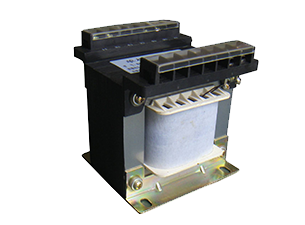
Problems such as voltage fluctuation, harmonic interference, instantaneous surge and clutter interference will inevitably occur in the daily operation of the power grid. Therefore, isolation transformers, voltage stabilizing transformers and filter transformers will be specially configured in such scenarios. It can realize the complete electrical isolation between the power grid and the terminal equipment, filter the clutter and harmonics of the power grid, stabilize the output standard voltage, block the fault current and high voltage surge, and ensure the uninterrupted and stable operation of the data center for 7 × 24 hours.
Industry and Transportation Infrastructure
In metallurgy, chemical industry, manufacturing, mining and other industrial scenarios, special step-down, rectifier and furnace transformers will be customized according to the power demand of large motors, smelting equipment and stamping equipment to adapt to industrial high-power, high-load and continuous power consumption conditions.
In addition, large transportation hubs also rely on various types of distribution transformers. The lighting system, security monitoring, signal dispatching, air conditioning and ventilation, ticket checking system and fire emergency equipment of airport, high-speed railway station, railway station and port terminal all need special transformer partition power supply. With the development of new energy industry, new energy vehicle charging piles, high-speed service area charging stations, large-scale energy storage power stations, also need to support high-power distribution transformers, complete the grid voltage adaptation and power distribution, support the popularization of new energy transportation infrastructure landing.
Electrical Transformer Selection and Routine Maintenance
Reasonable selection and standard maintenance are the key to ensure long-term stable operation of transformers, prolong equipment life and reduce operation and maintenance costs. The conventional service life of the transformer can reach 20-50 years, and scientific operation and maintenance can give full play to the value of the equipment and avoid the risk of failure and shutdown.
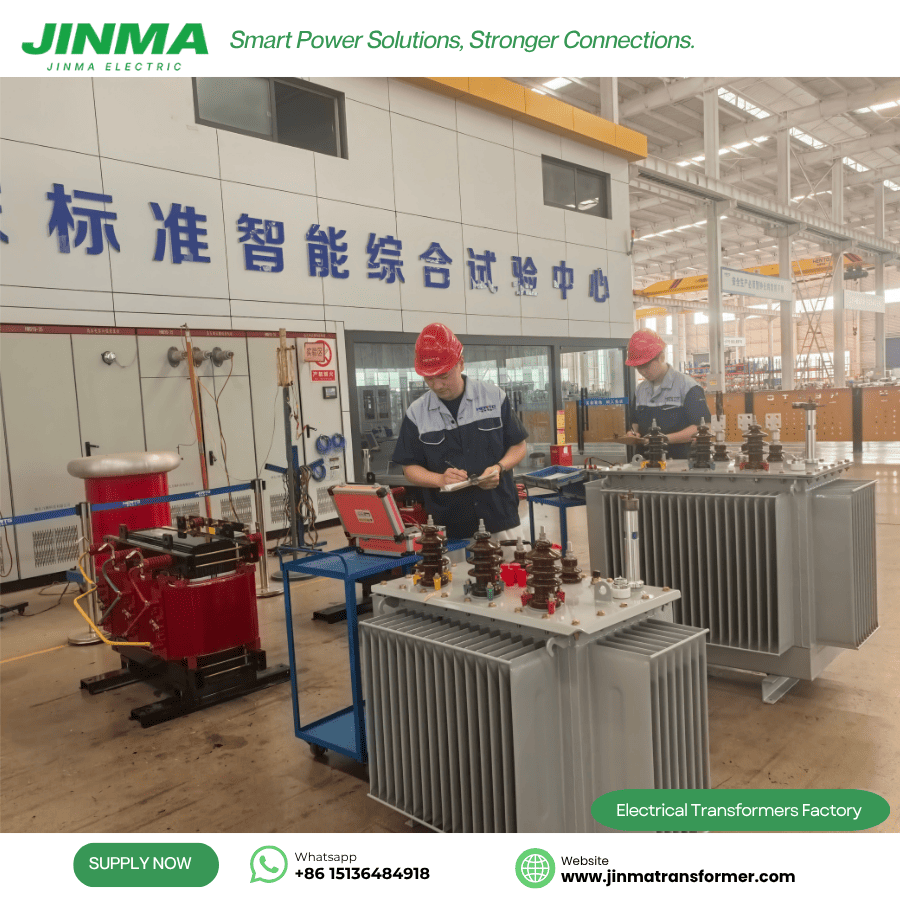
Daily monthly and quarterly visual inspection shall be carried out, focusing on oil level, sealing state, casing cleanliness and operation of heat dissipation system, timely cleaning of dust and oil stains, and checking abnormal problems such as leakage, abnormal noise and overheating. Professional testing shall be carried out in the year. Oil-immersed transformers shall be subject to chromatographic analysis of insulating oil, withstand voltage test and moisture detection. Dry-type transformers shall be subject to dust cleaning in air duct, winding insulation resistance detection, and insulation aging and hidden dangers of internal faults shall be predicted in advance.
The core principle of operation and maintenance is to control the load and temperature, try to keep the equipment running at about 80% of the rated load, and avoid long-term overload and frequent start and stop. At the same time, it ensures smooth heat dissipation and ventilation, and eliminates high temperature, humidity, and corrosive environments to accelerate equipment aging. Standardized operation and maintenance of the transformer can easily reach more than 30 years of service life.
Core Criteria for Selecting electrical transformers
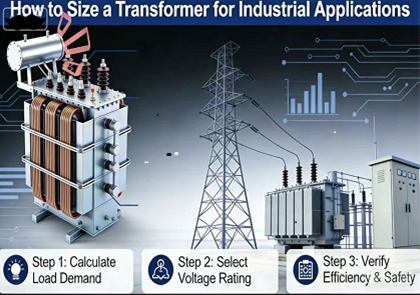
- Rated capacity: The rated capacity (kVA/MVA) is the core basic parameter of electrical transformer selection, which directly determines the load carrying capacity of the equipment. The general selection standard in the industry is to reserve 20%-25% of the capacity expansion margin, so that the daily operation load of the transformer can be stably controlled at about 80% of the rated capacity. This working condition can effectively slow down the thermal aging speed of the transformer insulation system and greatly extend the service life of the equipment.
- Transformer phase number: the precise matching of voltage, phase number and frequency is the prerequisite for the stable operation of the transformer and the elimination of faults. In terms of phase number selection, light load scenarios such as residential buildings, small commercial equipment and lighting are suitable for single-phase transformers; three-phase transformers must be selected for high-power scenarios such as industrial production lines, large-scale electromechanical equipment, power grid backbone distribution and new energy grid connection.
- Installation environment: The installation environment is a key factor in determining the type of electrical transformer insulation cooling, which is directly related to the safety, stability and later operation and maintenance costs of the equipment. Outdoor open-air, field substation, mountain power grid, high-power industrial power distribution and other scenes, environmental ventilation and heat dissipation conditions are good, the fire and explosion-proof requirements are relatively loose, oil-immersed transformers are preferred. For indoor computer rooms, shopping malls, office buildings, hospitals, schools, data centers, underground power distribution rooms and other densely populated, high fire rating, and confined spaces, dry-type transformers should be preferred.
- Electrical standards: All selection work must strictly follow IEC, IEEE, national power standards, local electrical codes and DOE energy efficiency requirements to ensure that equipment insulation performance, energy efficiency grade, safety protection, electromagnetic compatibility all meet the standards. Transformers from regular transformer manufacturers must have complete type test reports and factory inspection certificates to avoid risks such as non-acceptance and operation violations.
Frequently asked question of electrical transformers
Q1: Will the transformer consume a lot of power when it is working?
It does not belong to high energy consumption equipment. The transformer is a passive conversion device, which does not generate electricity by itself, and only has a very small core loss and winding copper loss. High-quality industrial transformer full load operation efficiency can reach more than 99%, no-load loss is extremely low, long-term operation energy consumption cost is controllable, is the core equipment of high efficiency and energy saving in power system.
Q2: What is the core difference between step-up transformer and step-down transformer?
and. The number of secondary turns of the step-up transformer is more, which is used for low-voltage rise and long-distance transmission; the number of secondary turns of the step-down transformer is less, which is used for high-voltage drop, low-voltage and terminal power distribution. Generally, it is not recommended for general use. Forced mixing can easily lead to voltage mismatch and equipment overload failure.
Q3: Why can’t the transformer work with direct current?
Transformers rely on changing alternating magnetic fields to achieve electromagnetic induction. The direct current is stable, the generated magnetic field is a constant magnetic field, the magnetic flux has no periodic changes, and the continuous voltage cannot be induced in the secondary winding, so the voltage conversion cannot be completed, and the short-term induced voltage will be generated only at the moment of power, which cannot work normally.
Q4: Oil immersed transformer vs. dry type transformer. Which one is better?
No absolute pros and cons, on-demand selection. Oil-immersed transformers have good heat dissipation, large capacity and low price, and are suitable for outdoor, power grid and high-power industrial scenes. Dry-type transformers are fire-proof, explosion-proof, clean and environmentally friendly, free of frequent oil changes, and are suitable for indoor, commercial areas, hospitals, data centers and other scenes with high safety requirements.
Q5: How long is the normal service life of a electrical transformer?
The service life is greatly affected by type, load, environment and operation and maintenance. Conventional oil-immersed distribution transformers have a life of 25-40 years, large power transformers can reach 30-50 years, and dry-type transformers have a life of 20-40 years. Standardized operation and maintenance, light-load operation of equipment, often beyond the design life of long-term stable operation.
Conclusion
The core value of electrical transformer is to complete the efficient transmission of AC power, which is based on the principle of electromagnetic induction. Professional and reliable transformer design, manufacturing and after-sales operation and maintenance are the key to ensure the long-term stable operation of the power system. With a modern production base covering an area of 50000 square meters, Jinma Electric has the ability to provide reliable equipment support for various power engineering projects. Contact us for more advice!